
The nave vault
The oldest surviving pointed rib vault, the structural step that opened the way to Gothic architecture.
Tilman2007 — CC BY-SA 4.0 · Tilman2007 — CC BY-SA 4.0 · Tilman2007 — CC BY-SA 4.0 · Tilman2007 — CC BY-SA 4.0
Look up in the nave and you are looking at an experiment that worked. Around nine centuries ago the masons here tried crossing pointed ribs to carry a stone ceiling, and the result, the oldest surviving vault of its kind, is the structural idea that made Gothic architecture possible. The cathedral went up between 1093 and 1133 on a rocky peninsula wrapped on three sides by the River Wear; UNESCO calls it the largest and most perfect monument of Norman style architecture in England, and together with the castle next door it has been a World Heritage Site since 1986. The view from Prebends Bridge down on the river, towers rising out of the trees, is worth the short detour before you climb. Inside is heavy and solemn rather than delicate: colossal piers cut with lozenges and zigzags, low light, a silence that settles on you. At the east end is the shrine of St Cuthbert, who died in 687 and whose body was carried for years before it came to rest here; at the west end, in the little Galilee Chapel, lies the Venerable Bede, the monk who wrote the first history of the English. The cloister is what pulls children through the door: Harry, Ron and Hermione walked these covered arcades between lessons in the first two films, the Chapter House was Professor McGonagall's classroom, and even Avengers: Endgame, released in 2019, shot its Asgard scenes here. Entry is free with no booking, and the suggested donation is £5 a head, which makes this one of the best things in northern England for almost nothing. Two things cost money. The Museum in the old monastic buildings (£7.50 adults, free under 18, booked online in advance) holds Cuthbert's carved wooden coffin of 698, his gold pectoral cross and the great octagonal monks' kitchen. The central tower climb, 325 narrow spiral steps on a separate ticket, has a minimum age and shuts in wind or rain. The museum rewards anyone with a taste for early history; the tower rewards anyone whose knees are up to it, and the view over the city and river pays back the effort. Visitor hours are 9:30–16:30 Monday to Saturday, but Sunday is only a short window from 12:30 to 15:00 because services fill the morning, and parts of the building can close on any day for an event, so check the online calendar before setting out. There is no parking at the cathedral and a congestion charge applies to cars driving onto the peninsula; the easy options are one of the three Park and Ride sites, the Cathedral Bus from the centre (Monday to Saturday), or the 15–20 minute uphill walk from Durham station. The approach is steep, but inside, ramps and lifts make almost everything except the tower workable with a pushchair or wheelchair. Photography without flash is fine outside services, forbidden in the Great Kitchen, and tripods and selfie sticks are not allowed.
The oldest surviving pointed rib vault, the structural step that opened the way to Gothic architecture.
The covered cloister and Chapter House were the Hogwarts corridors and McGonagall's classroom in the first two Harry Potter films.
In the museum sits a carved wooden coffin from 698 and a gold cross that travelled with the saint to Durham.
The College, Durham DH1 3EH
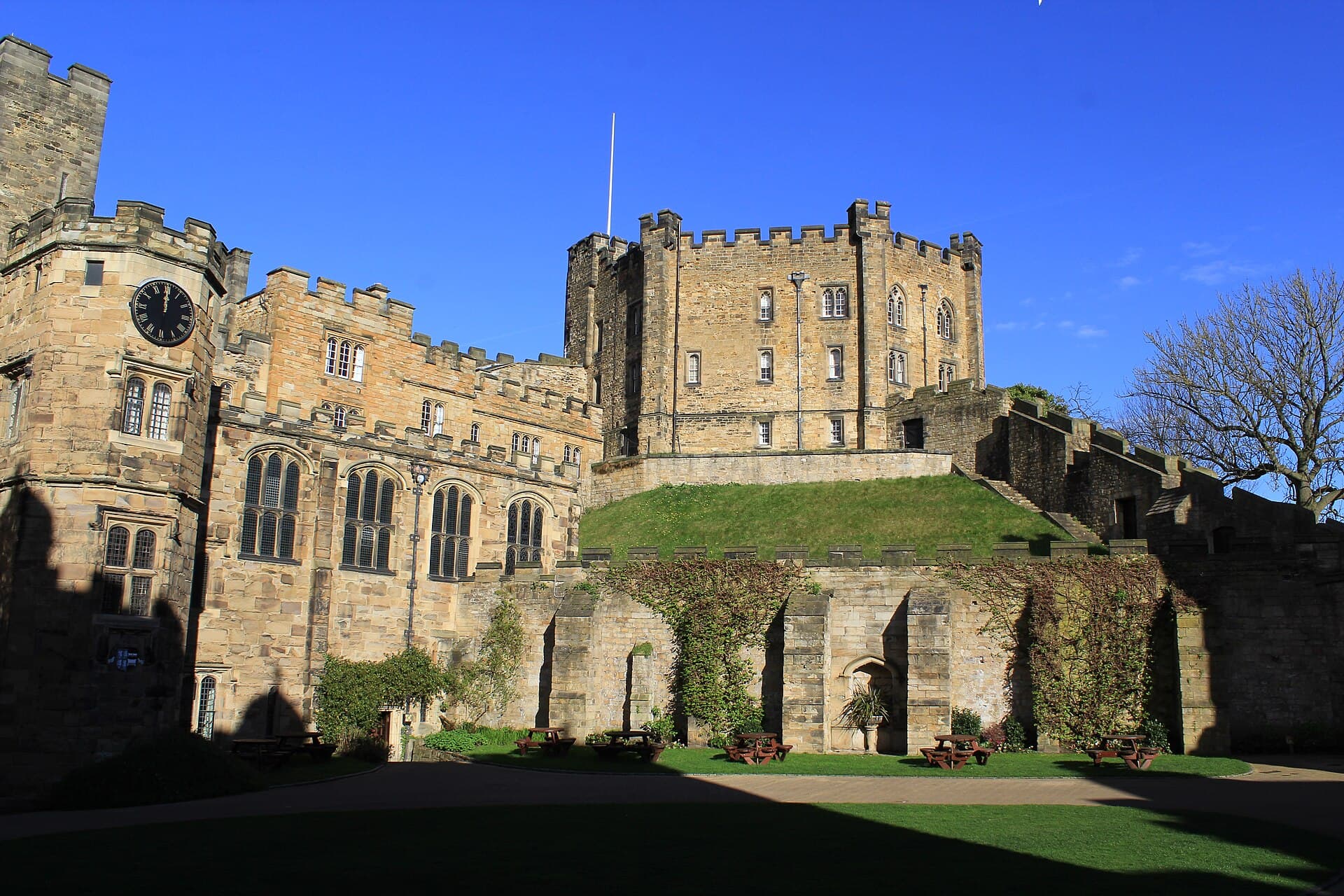 Durham CastleMore than a hundred undergraduates sleep every night inside a Norman castle begu2 minutes walk
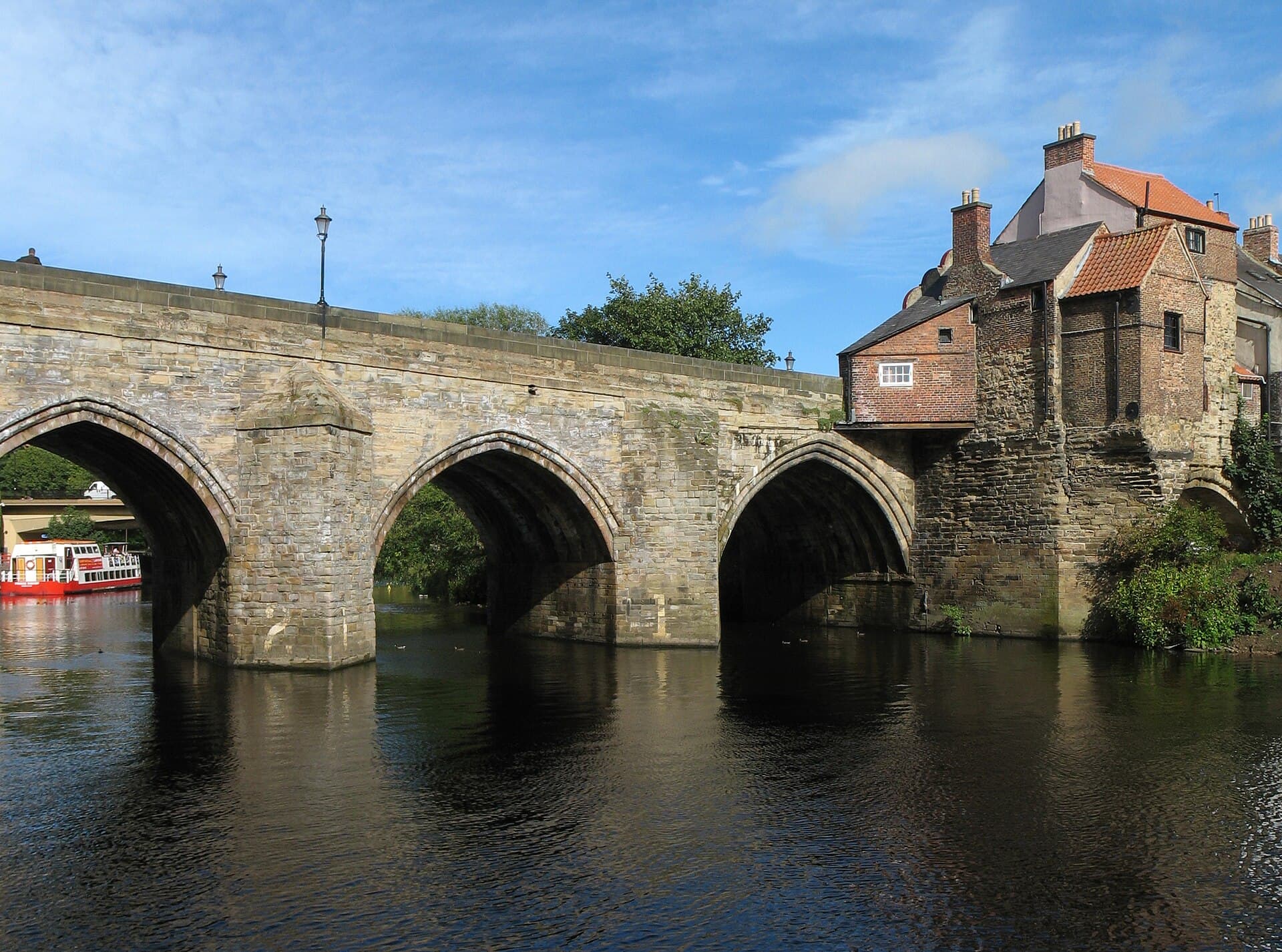 Elvet BridgeTwo chapels once stood on this bridge, and one of them ended up as a prison. Tha4 minutes walk
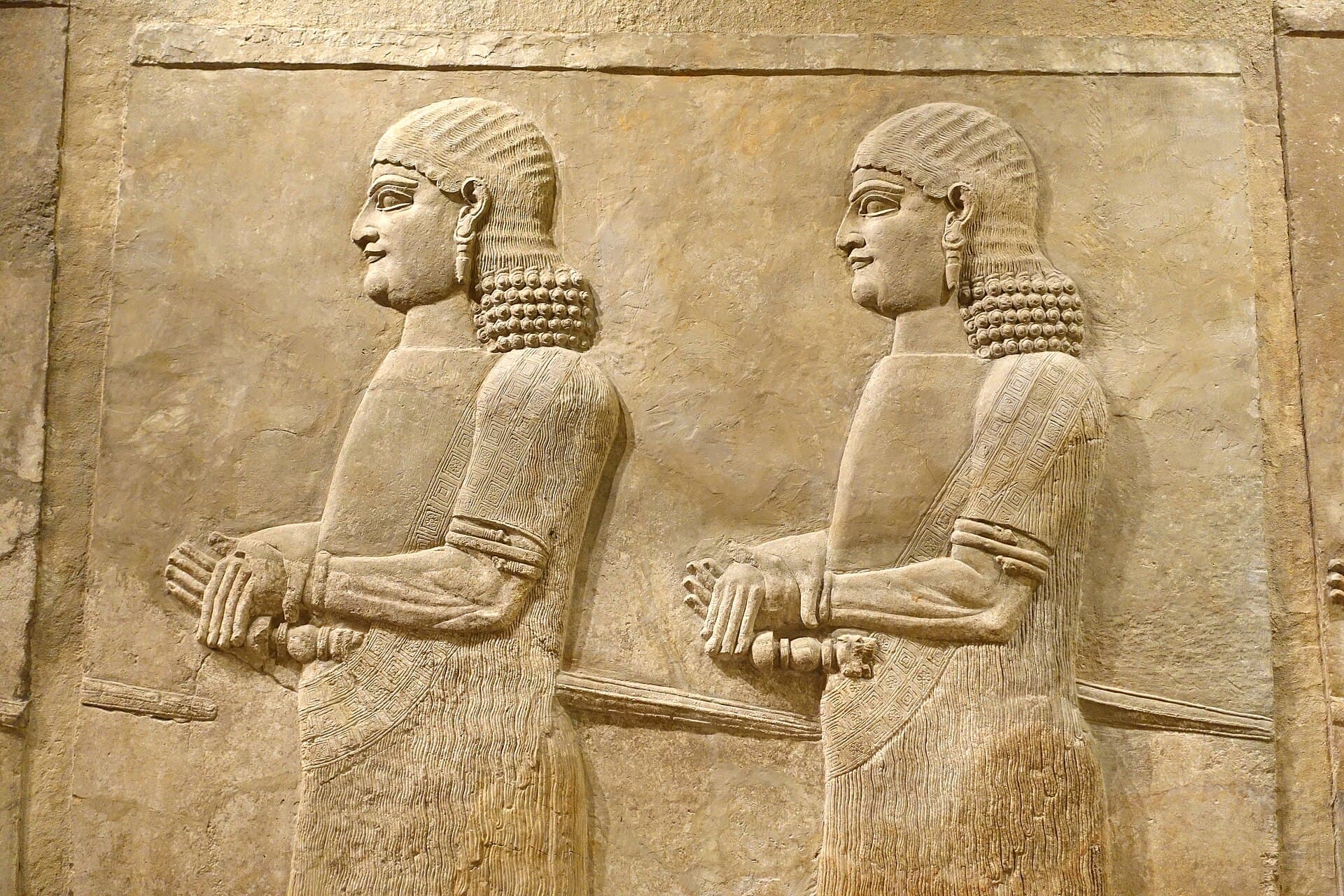 Oriental MuseumA single Babylonian brick stamped with the name of Nebuchadnezzar, dug out of th14 minutes walk
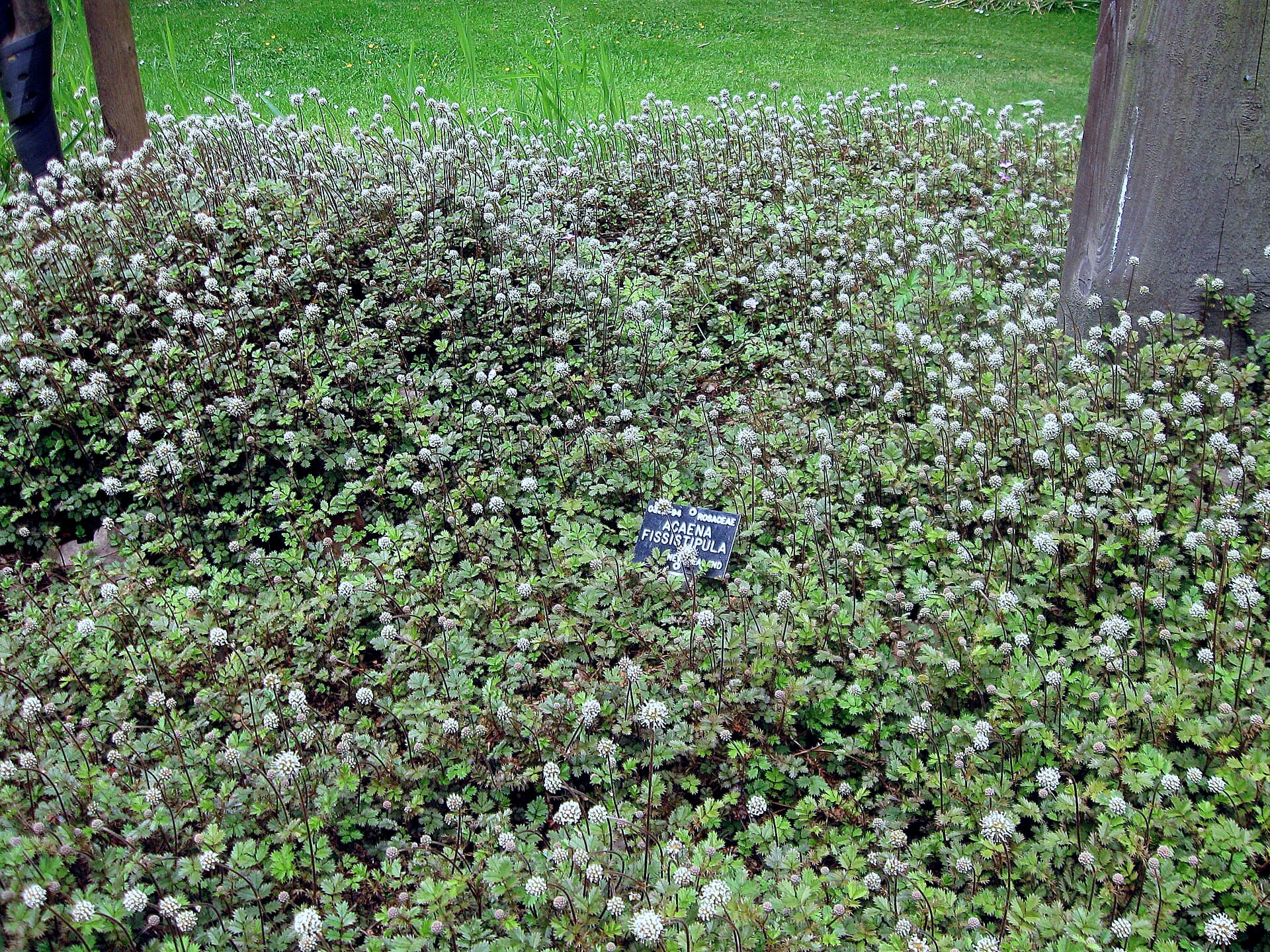 Durham University Botanic GardenIn a small glasshouse on a hill south of Durham, children press a button and rea18 minutes walk
No, but it is worth a three-to-four hour stop without hesitation: cathedral, castle and the riverside path all sit on one small peninsula you can walk in half an hour. The town itself is small and empties after dark, so treat it as a mid-route break rather than an overnight unless you want quiet.
The cloister and its Harry Potter scenes buy you goodwill for the rest, and the tower stairs are an adventure for older children, though there is a minimum age, so check it when you book. The museum is slow-paced, so shorten or skip it with tired kids; free entry means leaving after forty minutes costs you nothing.