
The Ando cylinder
Nine metres of silent concrete inside a gilded rotunda — the strongest architectural gesture in Paris since the Louvre pyramid.
Chabe01 — CC BY-SA 4.0 · Pline — CC BY-SA 3.0 · Pline — CC BY-SA 3.0 · xiquinhosilva from Cacau — CC BY 2.0
The newest of Paris's major museums and its boldest architecturally: the historic Bourse de Commerce under its 19th-century glass dome, transformed in 2021 by Tadao Ando into the home of François Pinault's contemporary collection — a nine-metre concrete cylinder planted at the rotunda's heart, creating a two-century dialogue that stuns visitors before they've seen a single artwork. The collection ranks among the weightiest private contemporary holdings in the world — ten thousand works from Rothko and Twombly to Koons, Cattelan and the newest generation — shown in rotating thematic exhibitions that change two or three times a year, making every visit different from the last. Don't miss the climb to the dome gallery: the panoramic 1889 mural of the continents' commerce circles entire beneath the glass, and the third-floor Halle aux Grains restaurant is one of the quarter's coveted tables. The Les Halles location makes it the perfect station between the Louvre and the Marais.
Nine metres of silent concrete inside a gilded rotunda — the strongest architectural gesture in Paris since the Louvre pyramid.
From the dome gallery, the 1889 panorama of world commerce circles overhead — 19th-century empires painting themselves unvarnished above today's art.
From its door: giant Saint-Eustache, the modern Canopée, and Rue Montorgueil for eating — the quarter once called "the belly of Paris," reclaiming its glory.
Beside Les Halles and Saint-Eustache, 75001 Paris
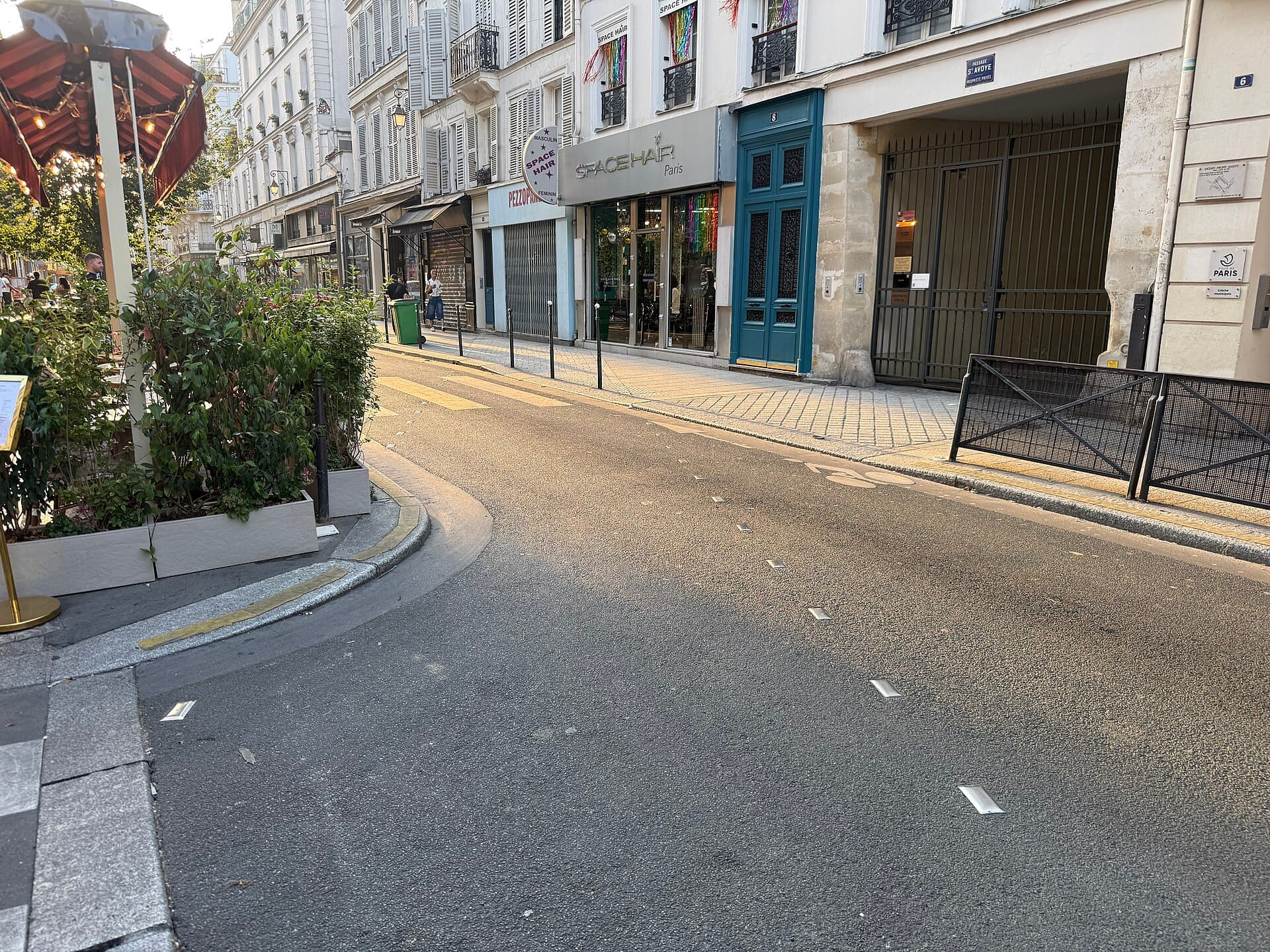 The Philippe Auguste WallThe city wall built by King Philippe Auguste around Paris in the early thirteent2 minutes walk4.6
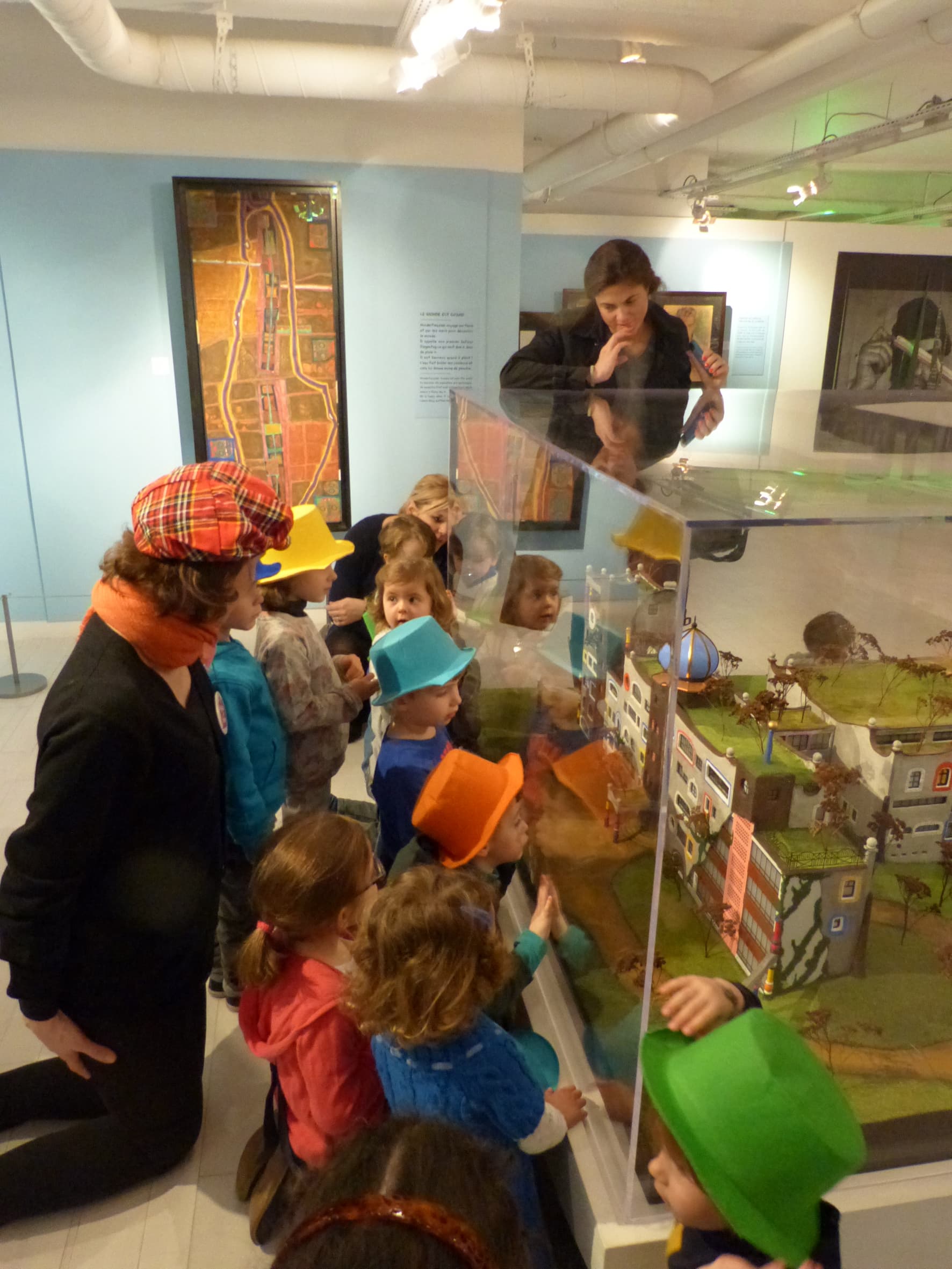 Musée en HerbeAn art museum for children in central Paris, presenting exhibitions about major 3 minutes walk4.1
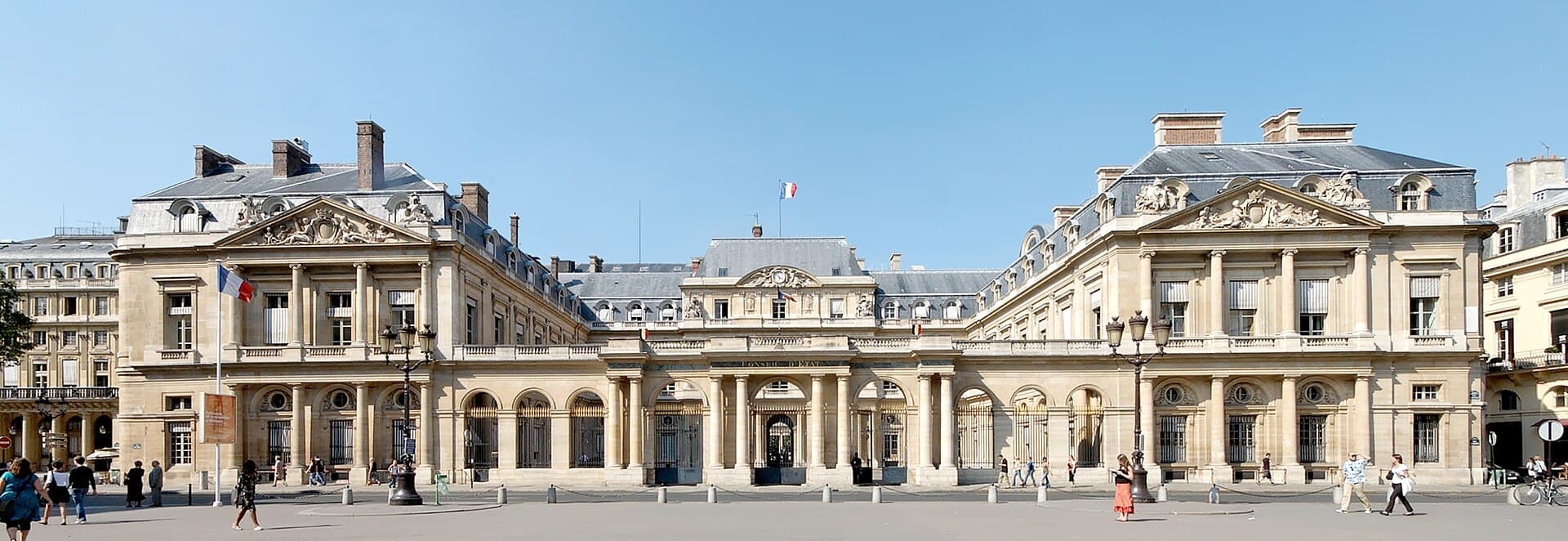 Jardin du Palais-RoyalSteps from the Louvre's crush hides Paris's calmest, most elegant rectangle: the5 minutes walk4.8
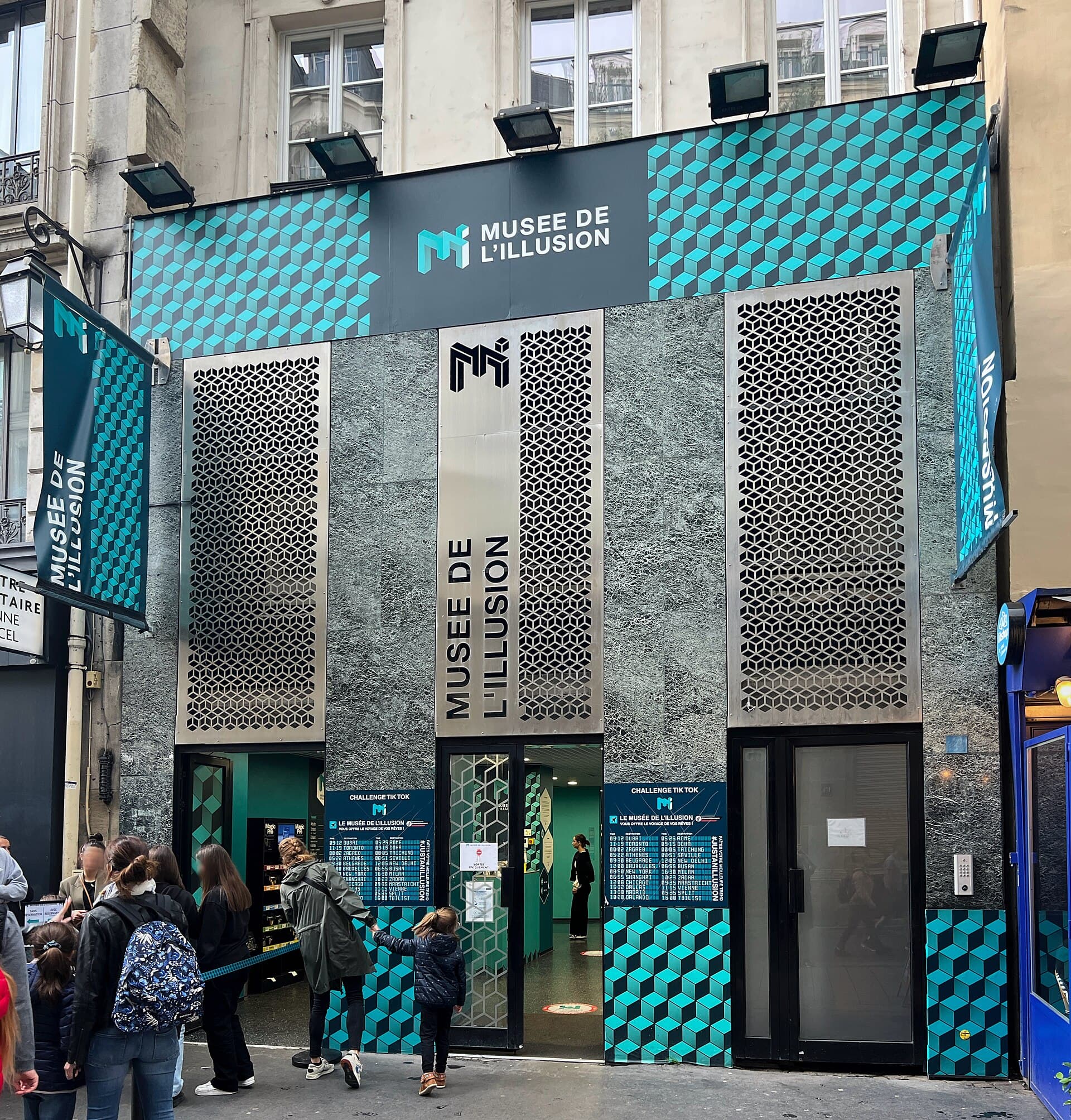 Musée de l'IllusionA museum of optical illusion in central Paris, a branch of an international chai7 minutes walk4.1
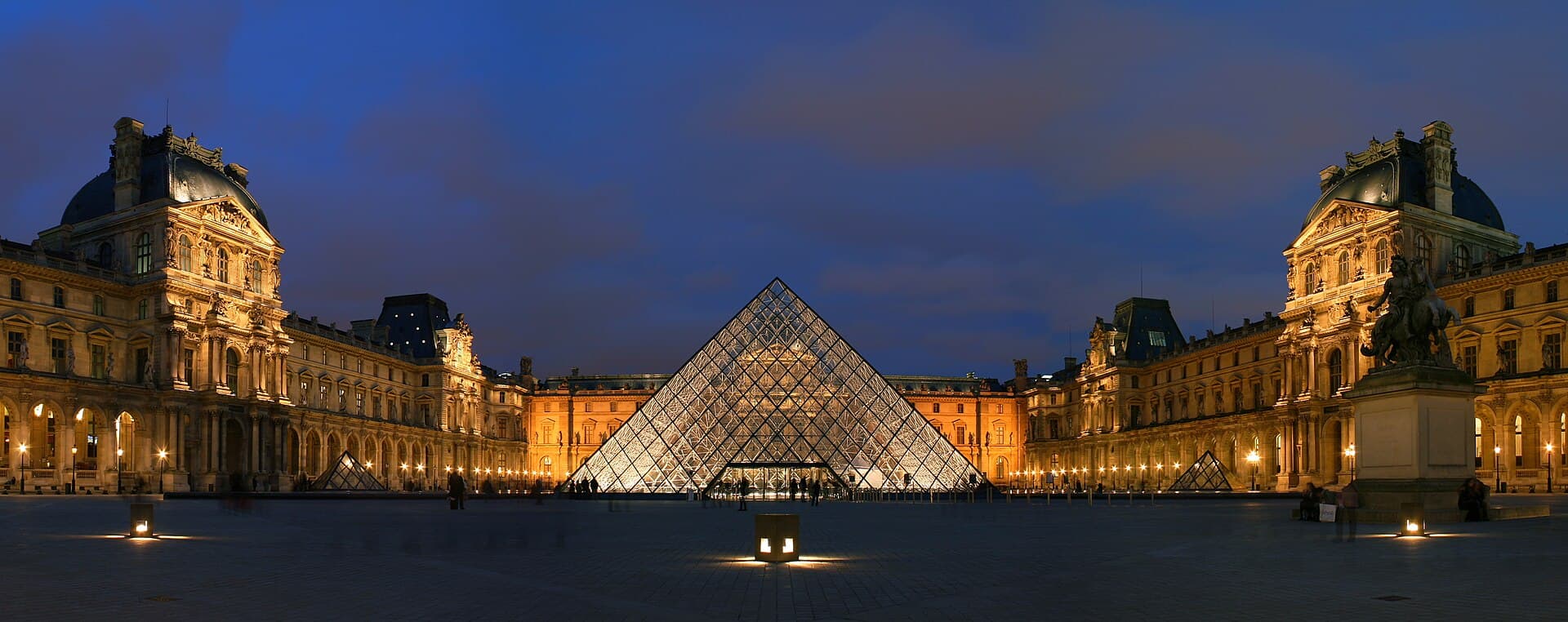 Louvre MuseumThe Louvre is not just a museum; it is a former royal palace holding the greates7 minutes walk4.8
Looking for halal food near Bourse de commerce? There are several options nearby, from Moroccan and Indian kitchens to quick casual spots and places with a view. Confirm the halal status and opening hours before you go — these can change.
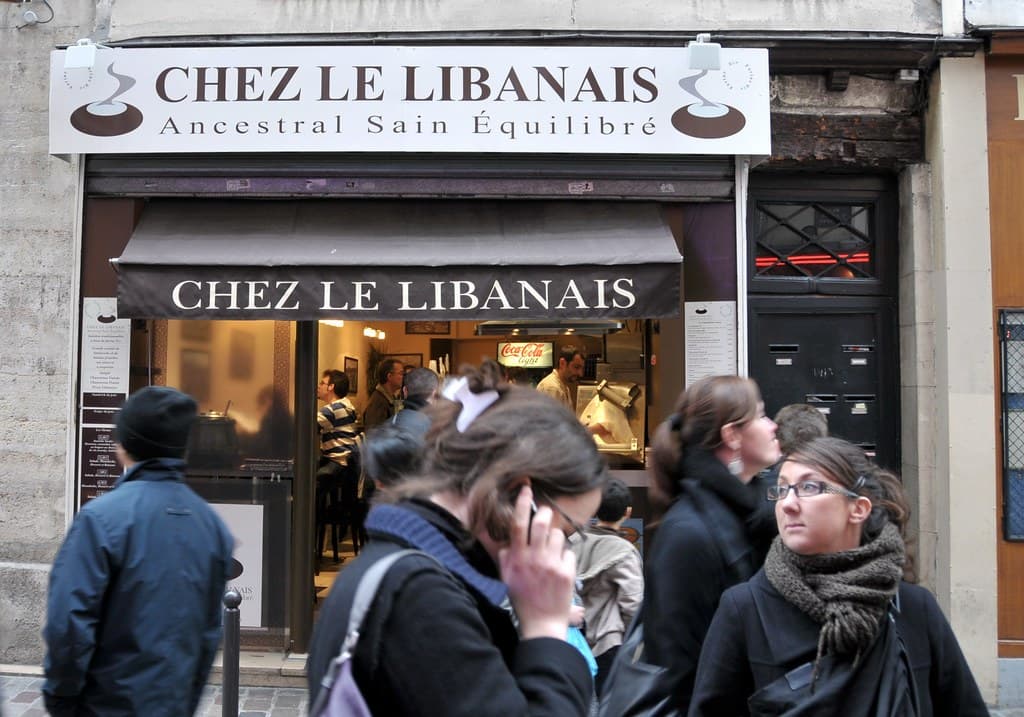 Chez le LibanaisHalalA small counter on Rue Saint-André des Arts, one of the busiest pedestrian stree13 minutes walk · $4.5DeryaHalalDerya is a Turkish grill house on Rue du Faubourg Saint-Denis, the street Parisi18 minutes walk · $4.9Al DarHalalAl Dar is a Lebanese restaurant in the Latin Quarter, a few minutes on foot from18 minutes walk · $$4.1
Enter for the building alone: Ando's dialogue with the rotunda and the dome mural justify the ticket before any artwork — and many "non-audiences" have left here with changed minds.
The Bourse is central and slots into any route without a journey; Vuitton is a deliberate architectural pilgrimage west — the exhibition programmes during your trip are the real referee.