
A wall the city swallowed
Houses were built on and around it until it became part of the streets.
Chabe01 — CC BY-SA 4.0 · VVVCFFrance — CC BY-SA 4.0 · VVVCFFrance — CC BY-SA 4.0 · VVVCFFrance — CC BY-SA 4.0
The city wall built by King Philippe Auguste around Paris in the early thirteenth century, of which scattered sections survive embedded in the buildings of the present city. The wall enclosed Paris on both banks of the river and ran about five kilometres, with towers and fortified gates. As the city expanded it lost its purpose and was demolished or gradually swallowed: houses were built on it, against it and around it, until it became part of the fabric of the streets rather than their limit. That is what makes following it enjoyable. The longest surviving stretch is on Rue des Jardins Saint-Paul in the Marais, where a massive stone wall with towers stands in a school courtyard. Smaller pieces are hidden in shop basements, car parks and private courtyards across the Latin Quarter and the Marais. Practical points: the main remains are outdoors and free. Other fragments may sit inside private buildings that cannot be visited. Treat it as a thread to follow on a Marais walk rather than a single destination.
Houses were built on and around it until it became part of the streets.
The longest surviving stretch stands in a Marais school courtyard.
Sections in shop basements and car parks — some seen only by chance.
Scattered remains in the Marais and Latin Quarter, Paris
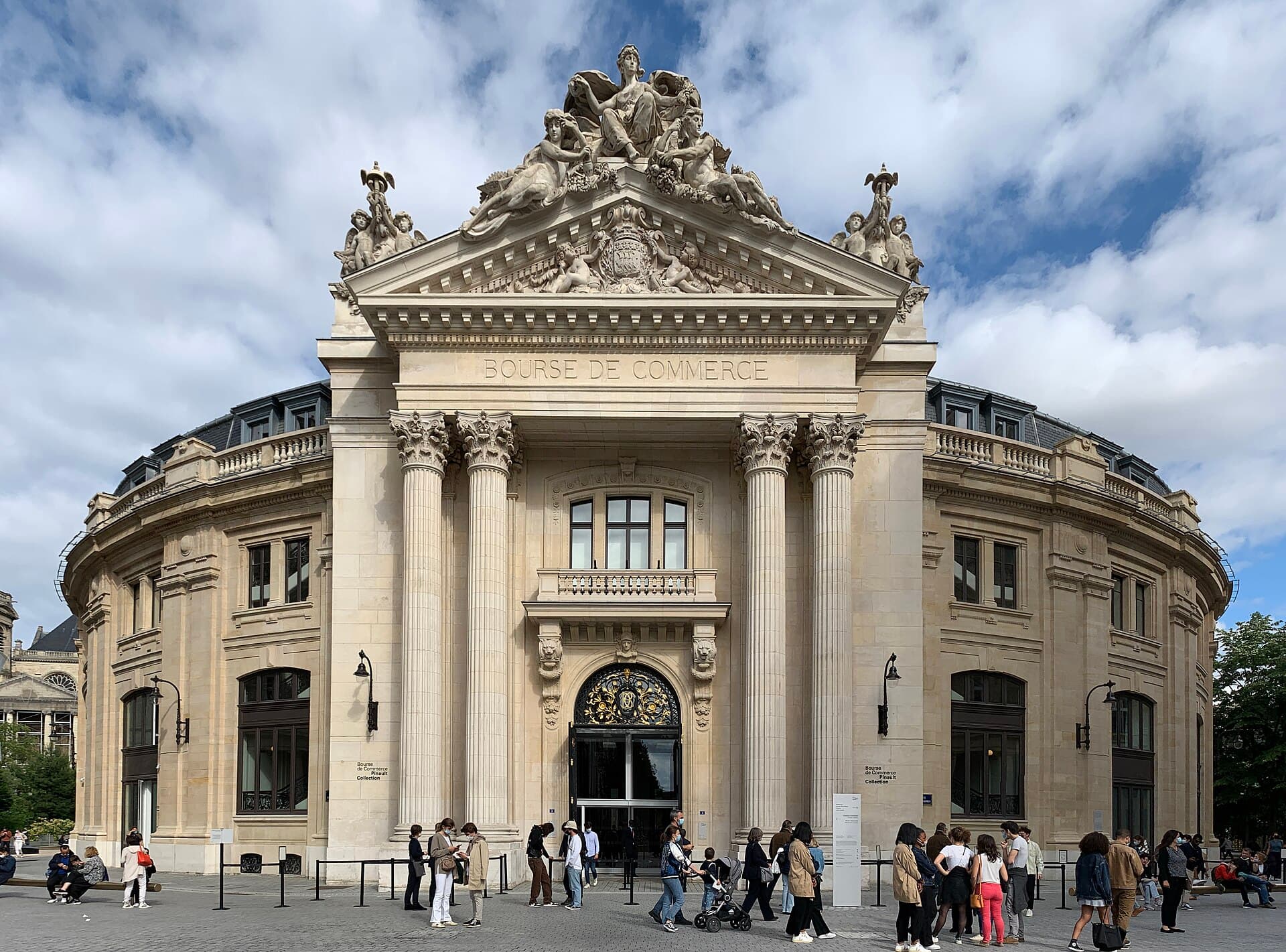 Bourse de commerceThe newest of Paris's major museums and its boldest architecturally: the histori2 minutes walk4.3
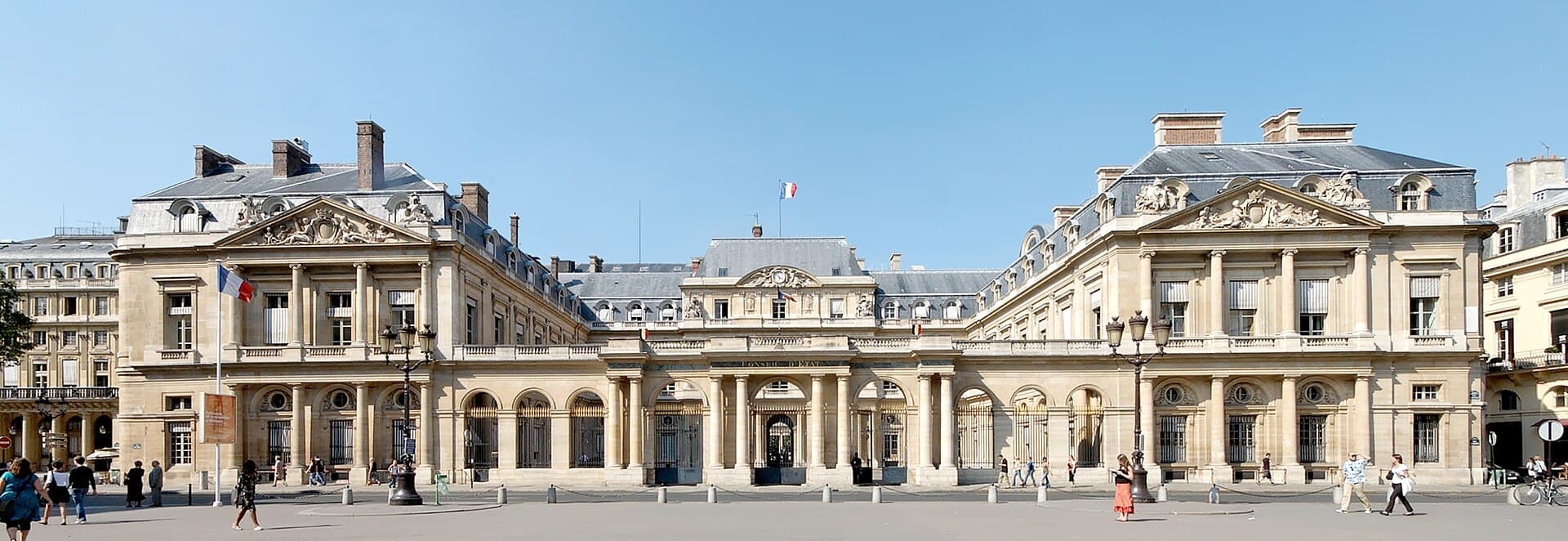 Jardin du Palais-RoyalSteps from the Louvre's crush hides Paris's calmest, most elegant rectangle: the4 minutes walk4.8
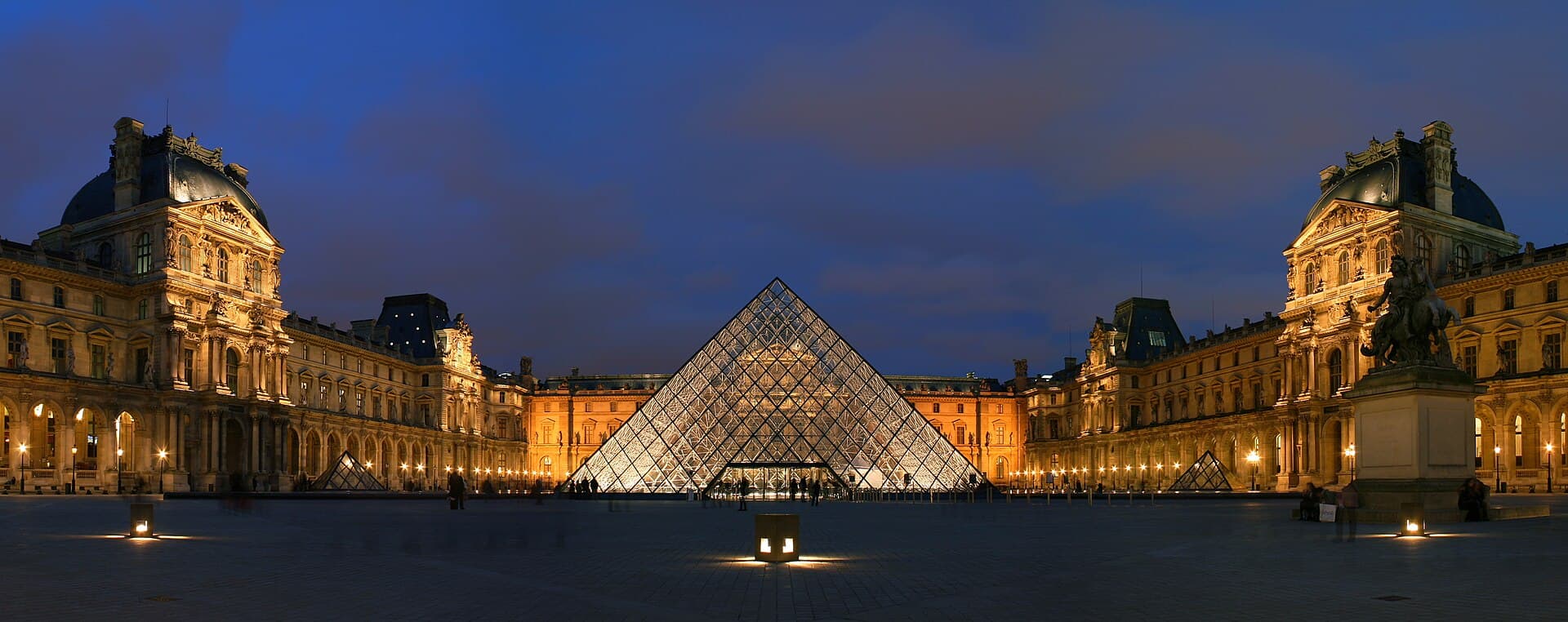 Louvre MuseumThe Louvre is not just a museum; it is a former royal palace holding the greates4 minutes walk4.8
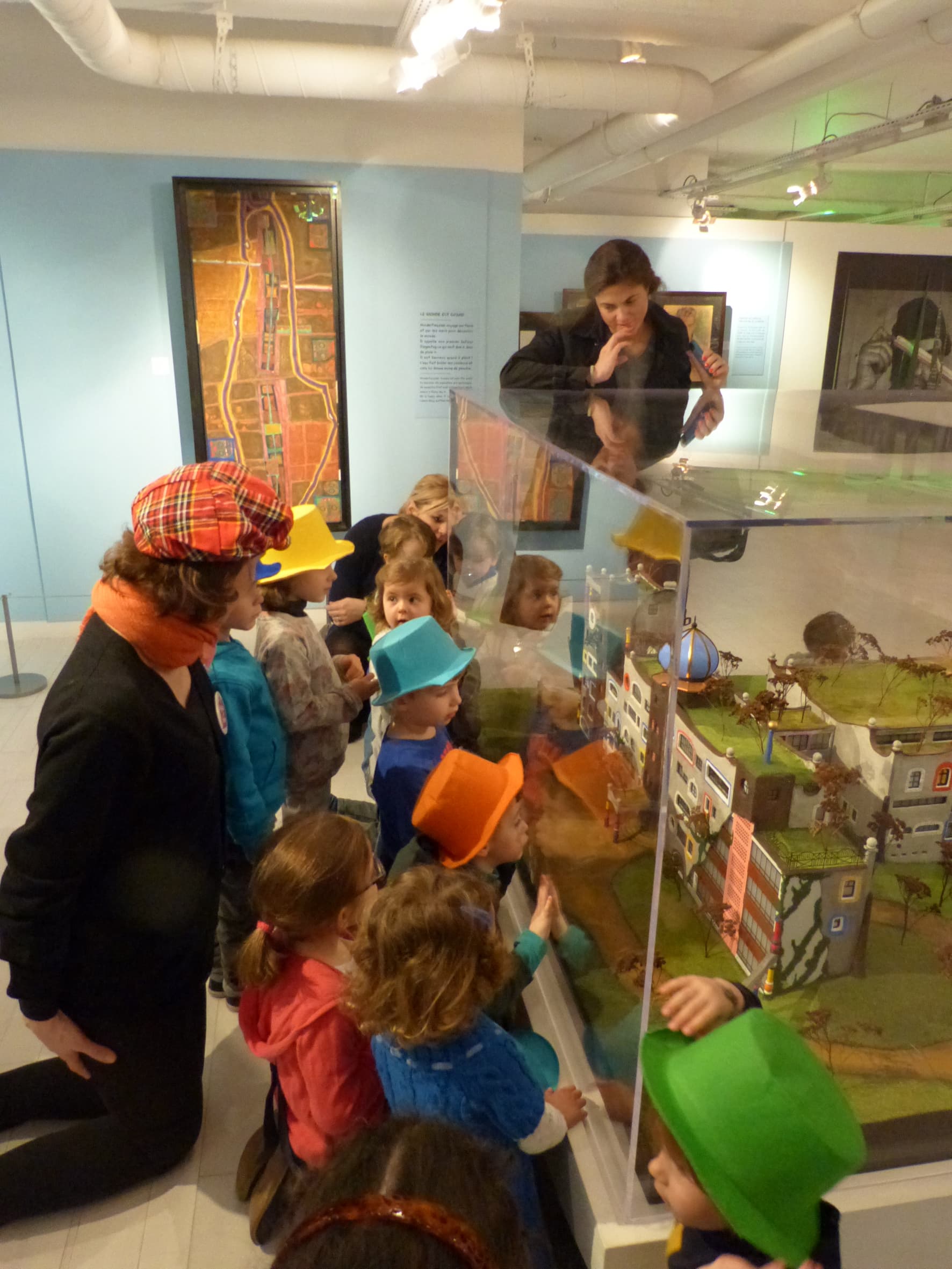 Musée en HerbeAn art museum for children in central Paris, presenting exhibitions about major 5 minutes walk4.1
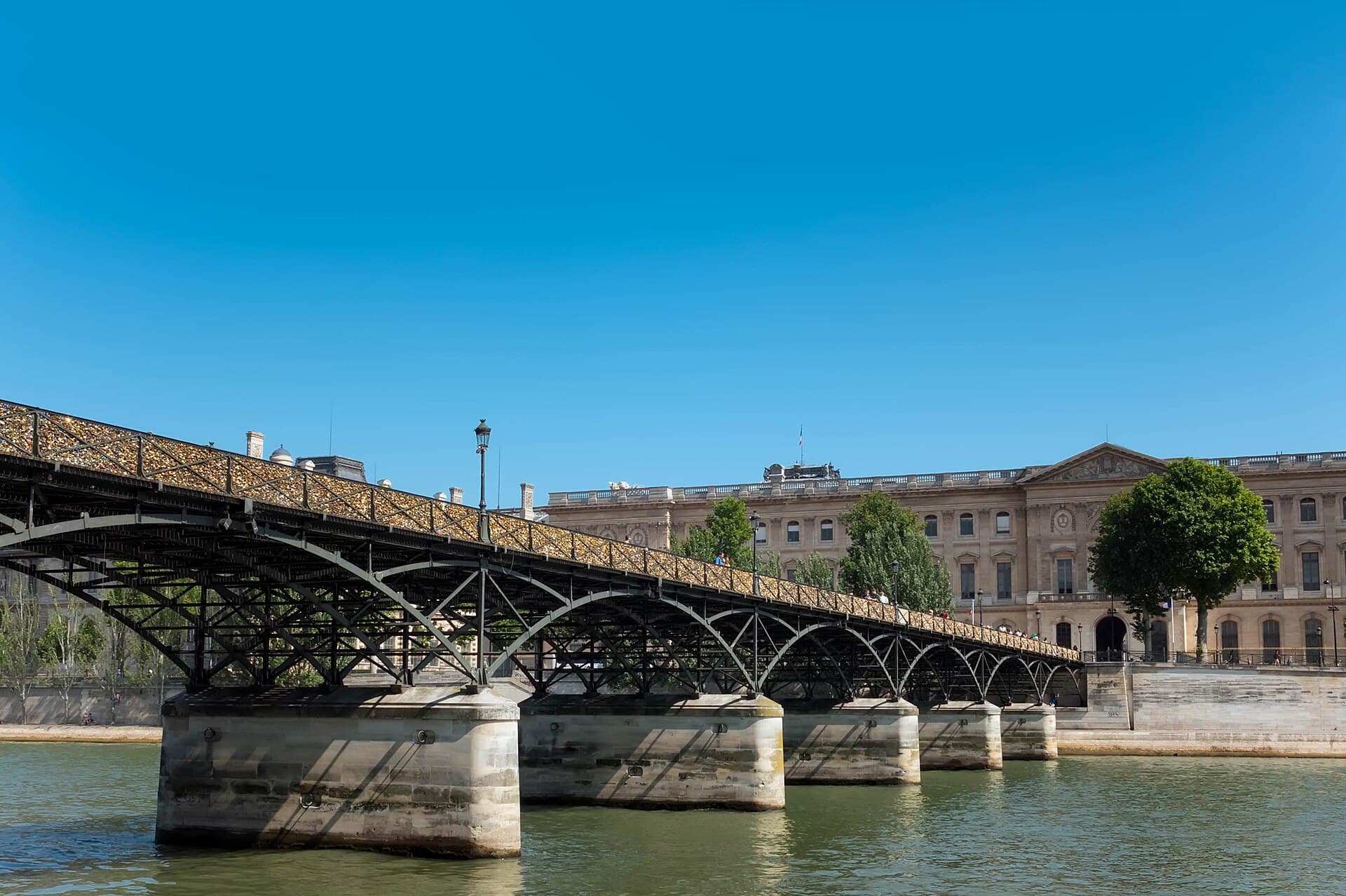 Pont des ArtsA wooden footbridge across the Seine between the **Louvre** and the domed **Inst6 minutes walk4.7
Looking for halal food near The Philippe Auguste Wall? There are several options nearby, from Moroccan and Indian kitchens to quick casual spots and places with a view. Confirm the halal status and opening hours before you go — these can change.
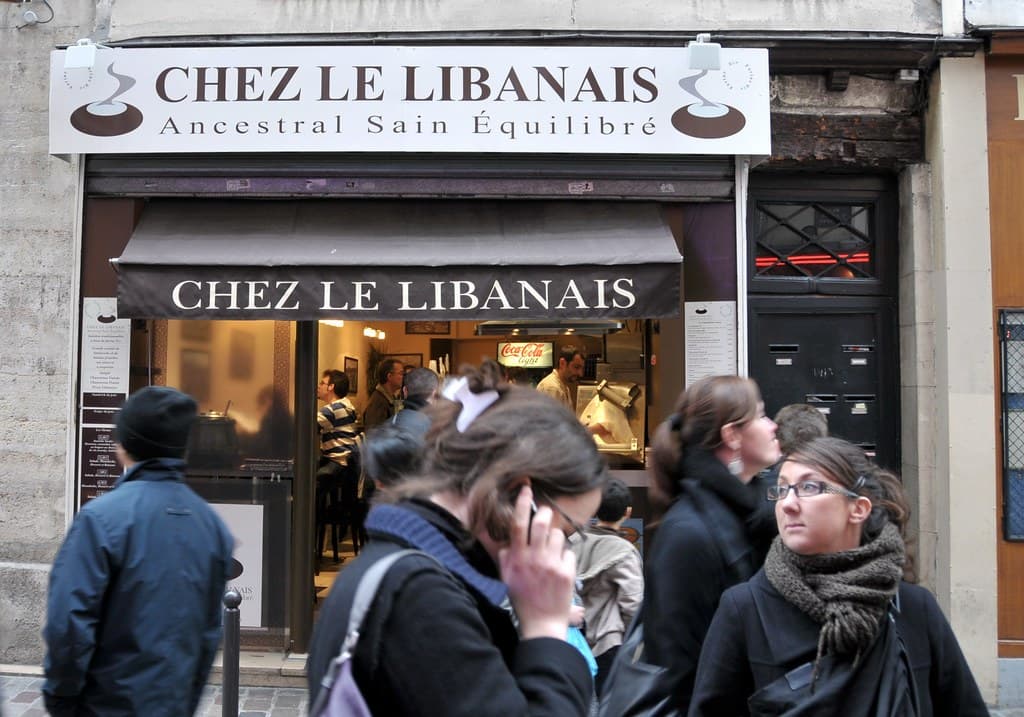 Chez le LibanaisHalalA small counter on Rue Saint-André des Arts, one of the busiest pedestrian stree12 minutes walk · $4.5DeryaHalalDerya is a Turkish grill house on Rue du Faubourg Saint-Denis, the street Parisi20 minutes walk · $4.9Al DarHalalAl Dar is a Lebanese restaurant in the Latin Quarter, a few minutes on foot from18 minutes walk · $$4.1
Rue des Jardins Saint-Paul in the Marais: a long stone wall with towers, the clearest and longest surviving section, visible from the street free at any time. Start there, then look for the smaller fragments around the quarter if it interests you.
Philippe Auguste built it before leaving on crusade, to protect the city in his absence. Paris was far smaller then, and the wall marks its limits in the early thirteenth century. Tracing it on a map shows how small the city was eight hundred years ago.