
The Quadriga
The four-horse chariot of victory on top — taken to Paris as spoils in 1806 and returned eight years later.
Thomas Wolf, www.foto-tw.de — CC BY-SA 3.0 · Cezary p at Polish Wikipedia — CC BY-SA 3.0 · Anil Öztas — CC BY-SA 4.0 · Ryan Snyder — CC BY 2.0
The Brandenburg Gate is the landmark the whole of Berlin is reduced to. Carl Gotthard Langhans built it between 1788 and 1791 on the model of the entrance to the Acropolis in Athens: six Doric sandstone columns carrying the famous chariot of victory — the Quadriga — sculpted by Johann Gottfried Schadow, four horses driven by a goddess holding a standard. Its history is a sequence of reversals in what the thing means. Napoleon carried the Quadriga off to Paris as spoils in 1806; it was returned in 1814 after his defeat, and an Iron Cross and Prussian eagle were added to it. Through the years of the Wall the gate stood inside the forbidden strip between the two barriers, reachable from neither East nor West — it became the image of division itself. In November 1989 it became the exact opposite, as crowds gathered around it on the night the Wall fell. Today it stands on Pariser Platz, open to everyone, with no ticket and no hours, and only pedestrians pass beneath it. Its position makes it a natural starting point: Unter den Linden runs east from it towards Museum Island, the Reichstag is ten minutes north on foot, and the Memorial to the Murdered Jews of Europe five minutes south.
The four-horse chariot of victory on top — taken to Paris as spoils in 1806 and returned eight years later.
Floodlighting sharpens the columns and the crowds thin — the best time to see it as it looks in photographs.
The German parliament ten minutes' walk away, its glass dome free to visit but with compulsory advance registration.
A field of concrete blocks five minutes south, walked through between the rows — silent, affecting and free.
Pariser Platz, 10117 Berlin
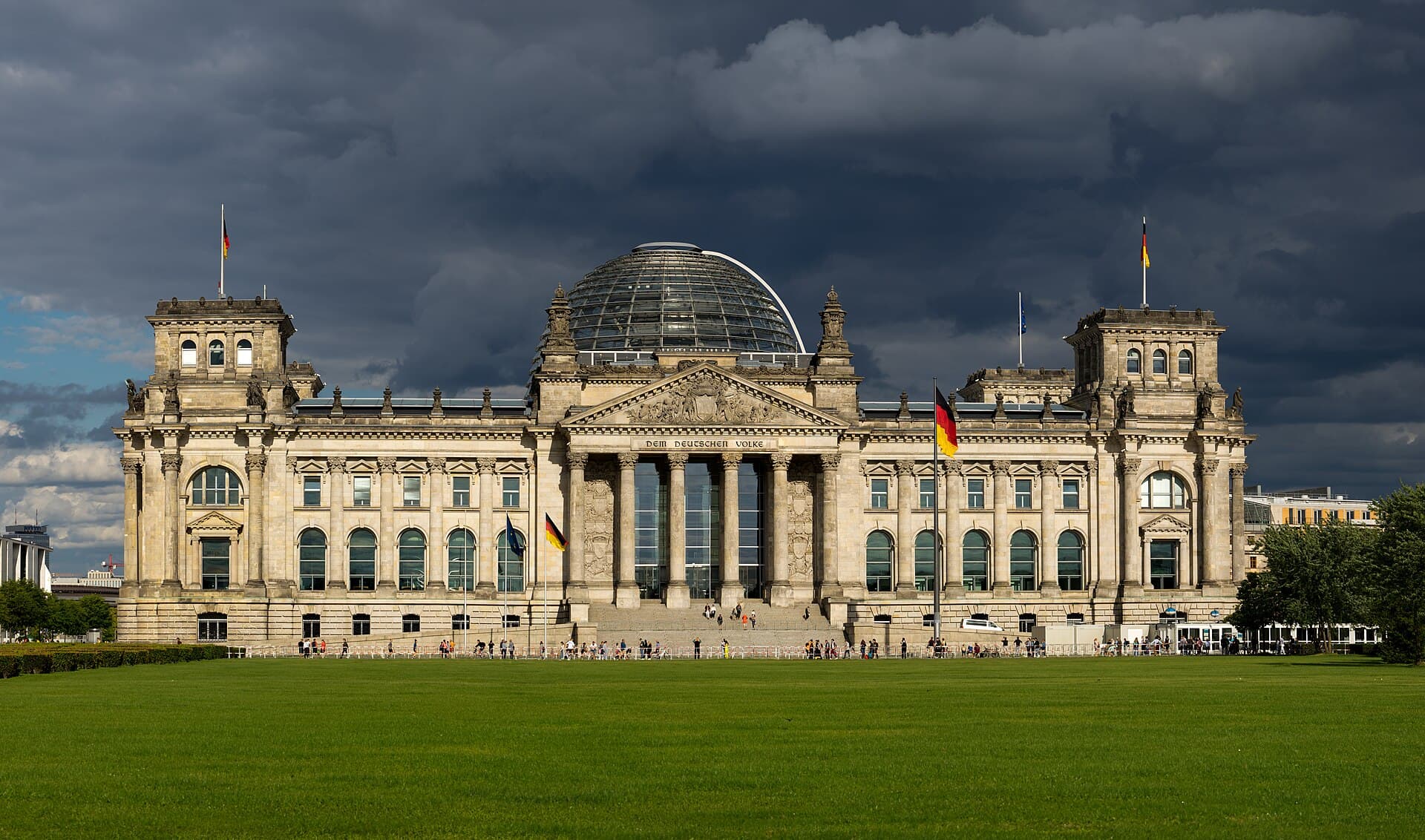 Reichstag BuildingThe Reichstag is the seat of the German parliament and one of Berlin's most impo4 minutes walk4.8
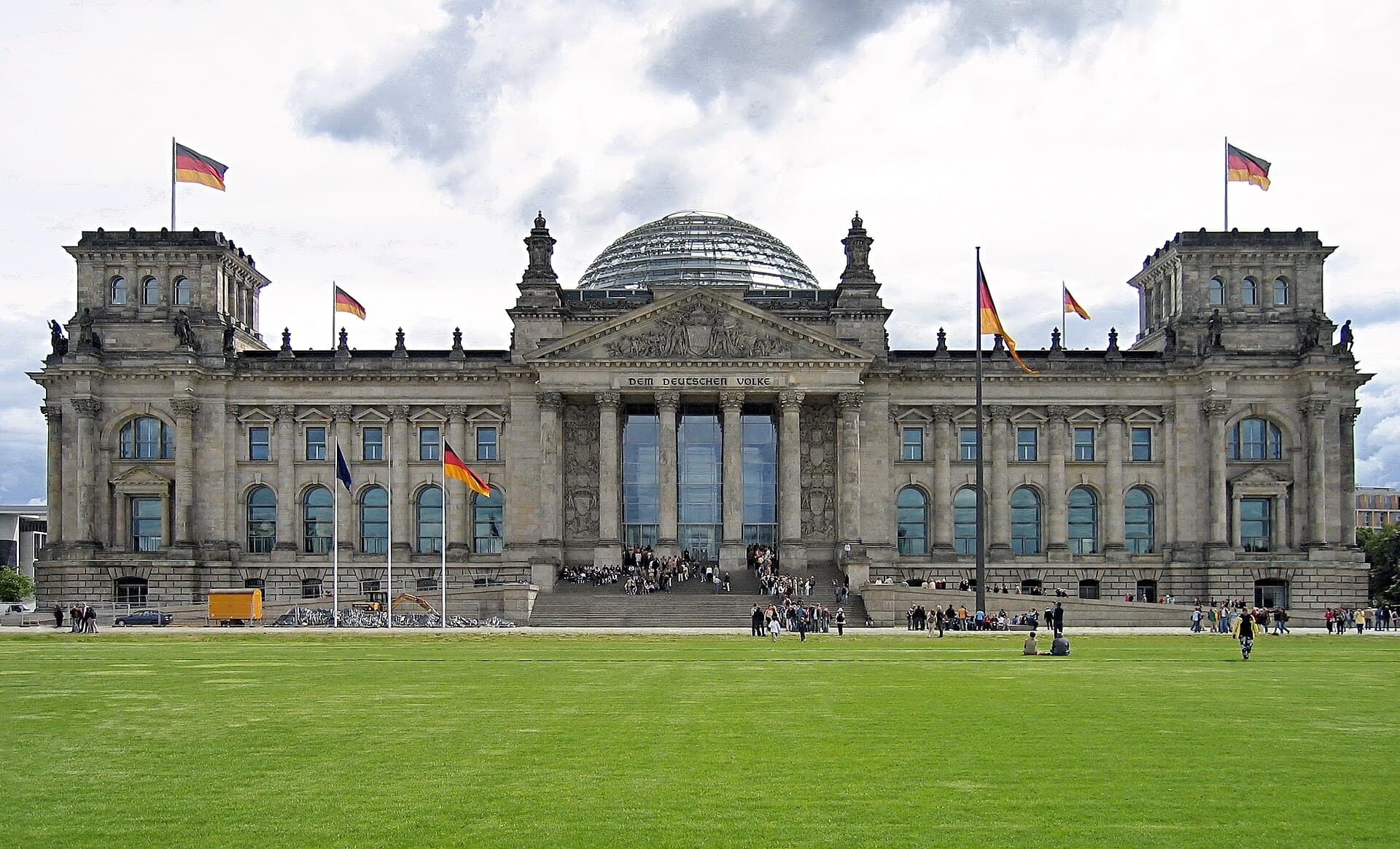 Platz der RepublikPlatz der Republik is the wide green lawn stretching in front of the Reichstag. 5 minutes walk4.7
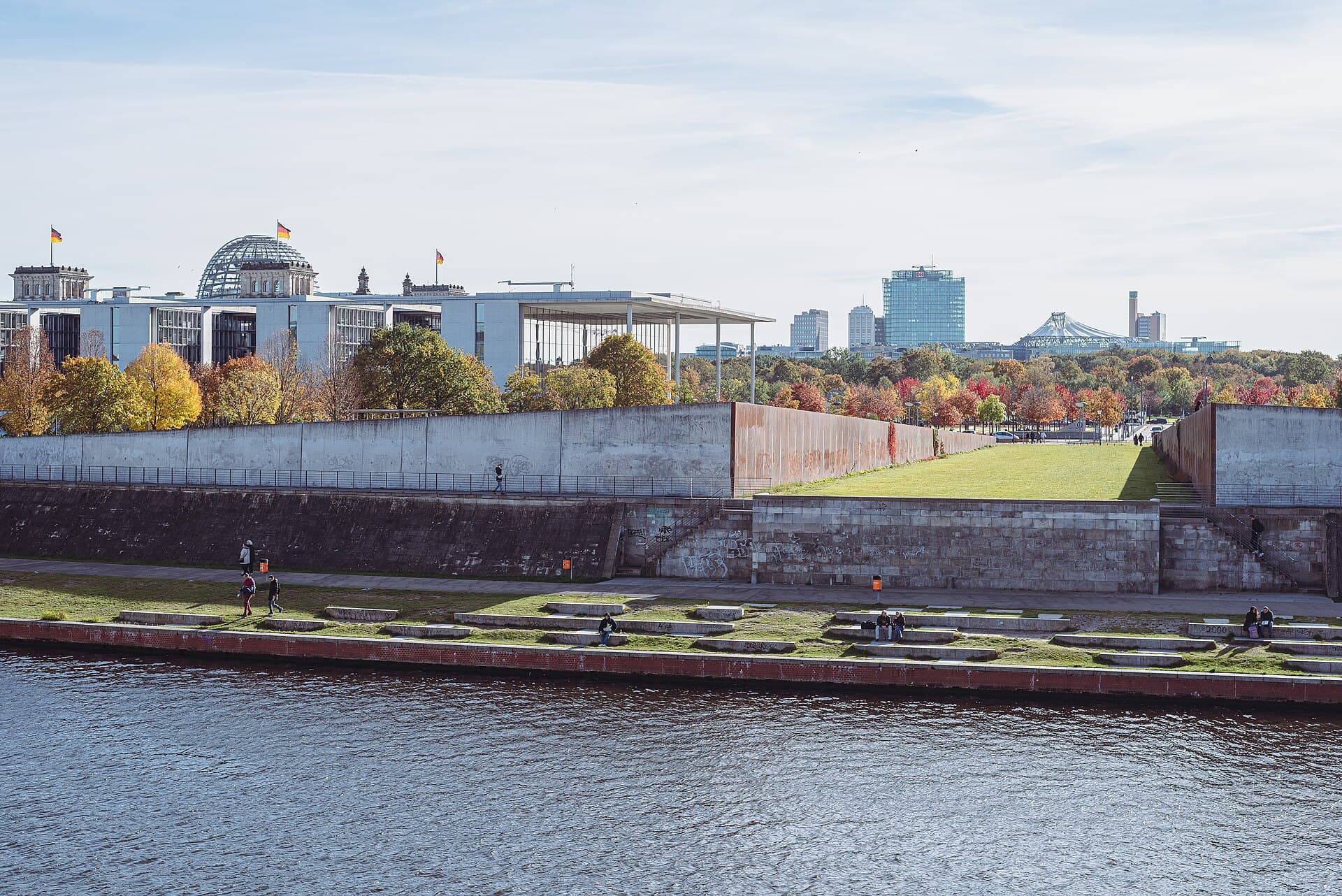 SpreebogenparkA public park on the bend of the Spree directly behind the Reichstag, in the hea9 minutes walk4.4
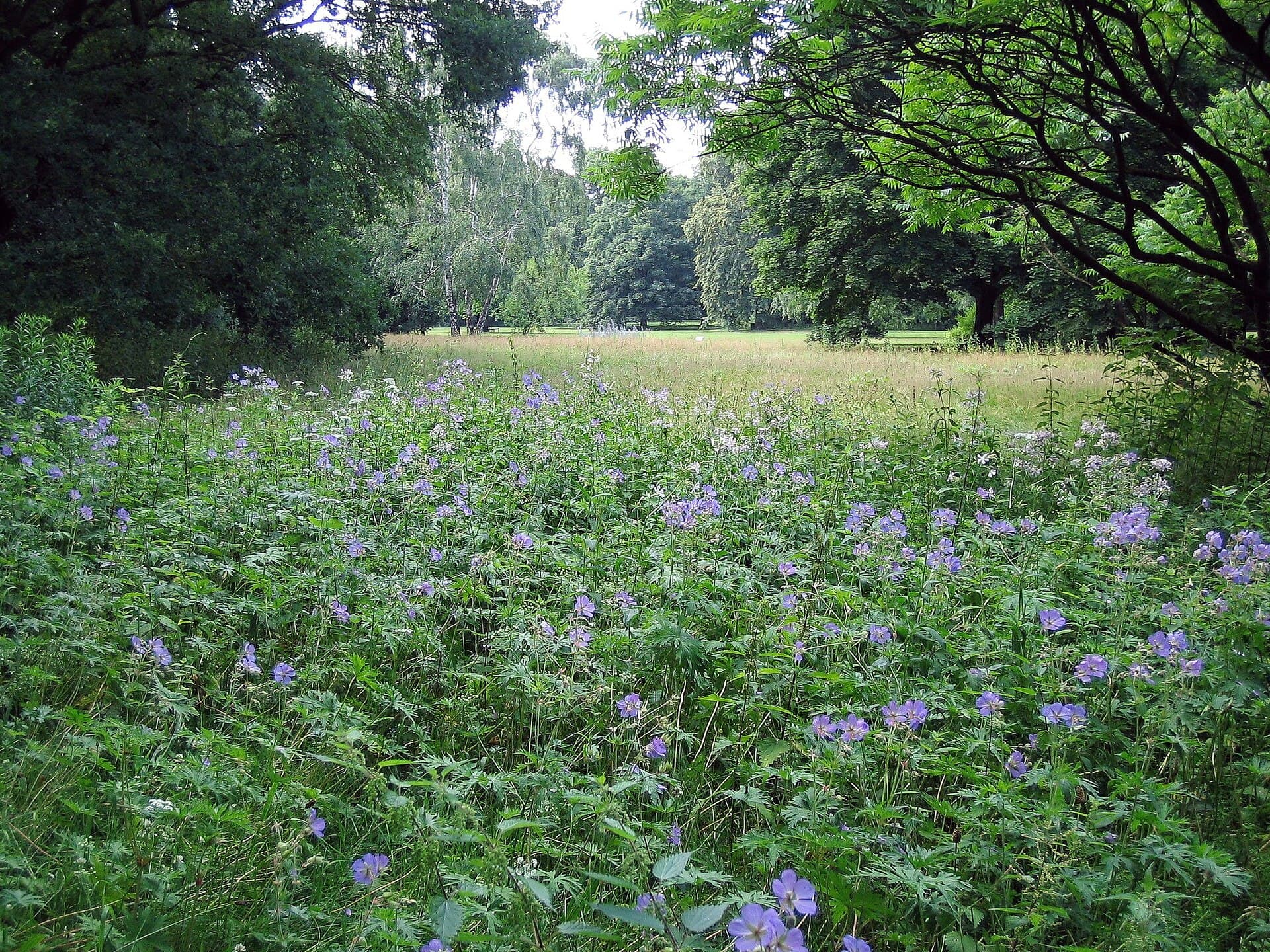 TiergartenThe Tiergarten is Berlin's great lung: a 210-hectare urban forest at the capital9 minutes walk4.7
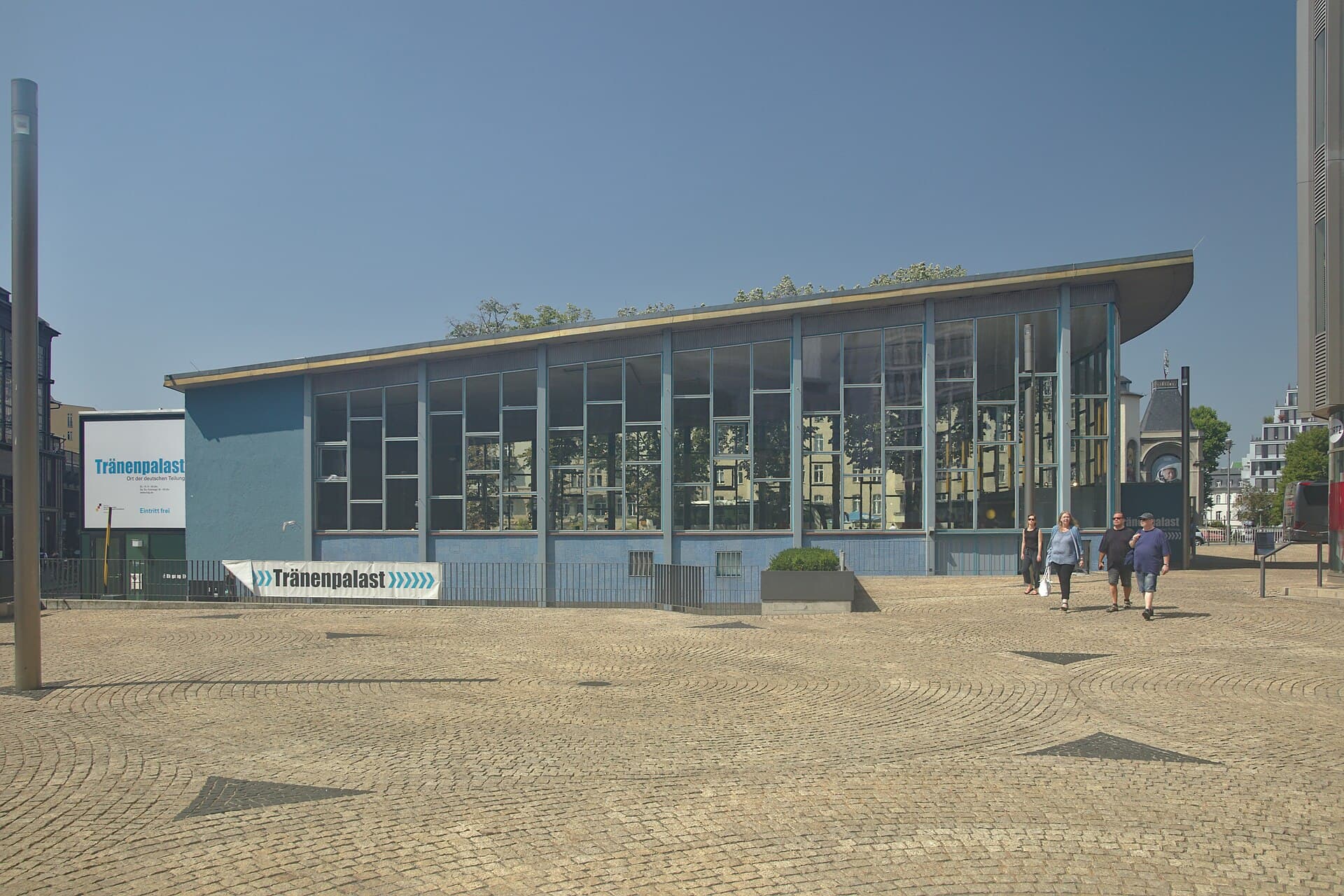 TränenpalastThe name means "Palace of Tears". It is a small glass and steel building beside 10 minutes walk4.5
No. The gate is an open monument on a public square, free at any hour, and there is no interior to enter. Do not pay anyone offering a "ticket" or a "tour inside the gate" — no such thing exists.
Twenty minutes to half an hour for the gate and the square. But it is a starting point more than a destination: allow half a day to walk on to the Reichstag, the Holocaust Memorial and Unter den Linden, all minutes away.
The Wall ran immediately west of the gate, with the gate itself inside the forbidden strip between the two barriers — closed to East and West alike for twenty-eight years. A line of cobbles set into the ground across Berlin marks the Wall's course, and you can follow it from here.
Early morning before nine, or after ten at night. Avoid New Year in particular: the square becomes Berlin's largest party and the whole area is closed off. On national occasions and big events, staging can also block the view.