
The Venus of Moravany
An ivory figure 23,000 years old.
C.Stadler/Bwag — CC BY-SA 4.0 · Uoaei1 — CC BY-SA 4.0 · Ingo Mehling — CC BY-SA 4.0 · Pymouss — CC BY-SA 4.0
The "upturned table" above the Danube: Bratislava Castle is a white rectangle with a tower at each corner — a shape Slovaks liken to a table turned on its legs — standing on a hill eighty metres over the river and old town, from which Austria and Hungary are visible with the naked eye. Its history is layered: a Slavic fort in the ninth century, then a Hungarian royal castle, then Maria Theresa's Baroque palace when Bratislava — as Pressburg — became the coronation capital of the Kingdom of Hungary after Buda fell to the Ottomans; eleven kings and eight queens were crowned here. It burned in 1811 and stood ruined for a hundred and fifty years until rebuilt in the 1960s. Today it houses the Slovak National Museum's historical collection, whose most famous exhibit is the small ivory Venus of Moravany, 23,000 years old. The Baroque gardens, courtyard and rampart view are free to walk — and the castle is floodlit at night above the river.
An ivory figure 23,000 years old.
Austria and Hungary with the naked eye.
Behind the castle on the northern slope.
Hrad, Bratislava
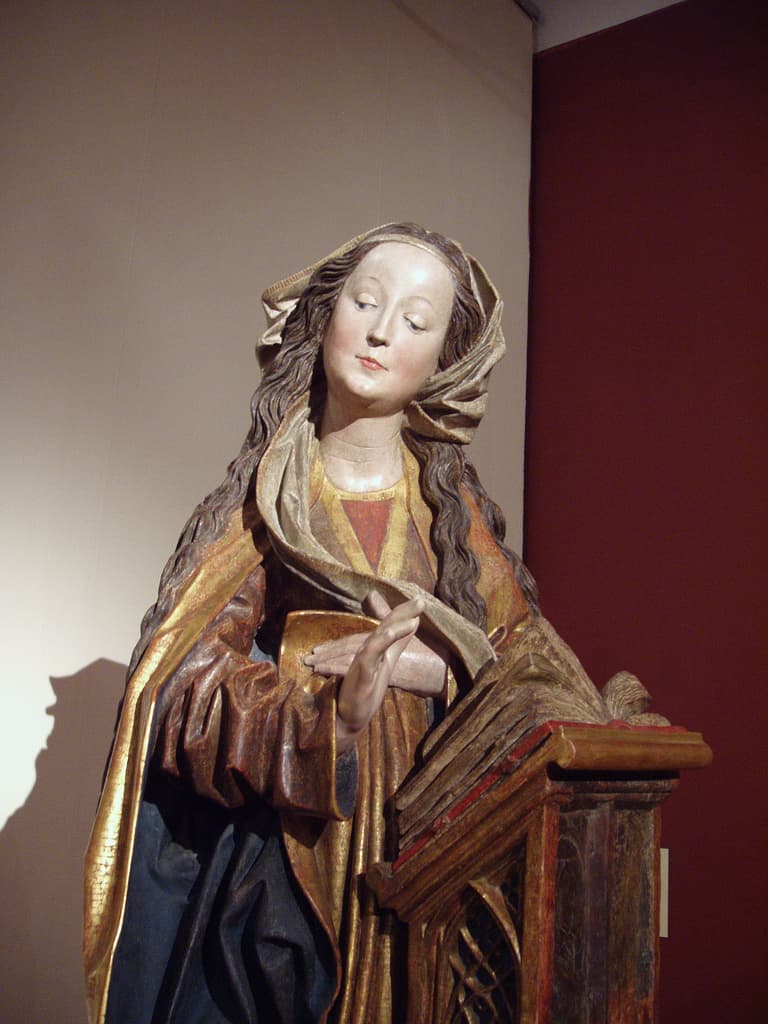 Museum of History — Slovak National MuseumThe principal museum inside the white rectangular **Bratislava Castle** overlook1 minute walk4.0
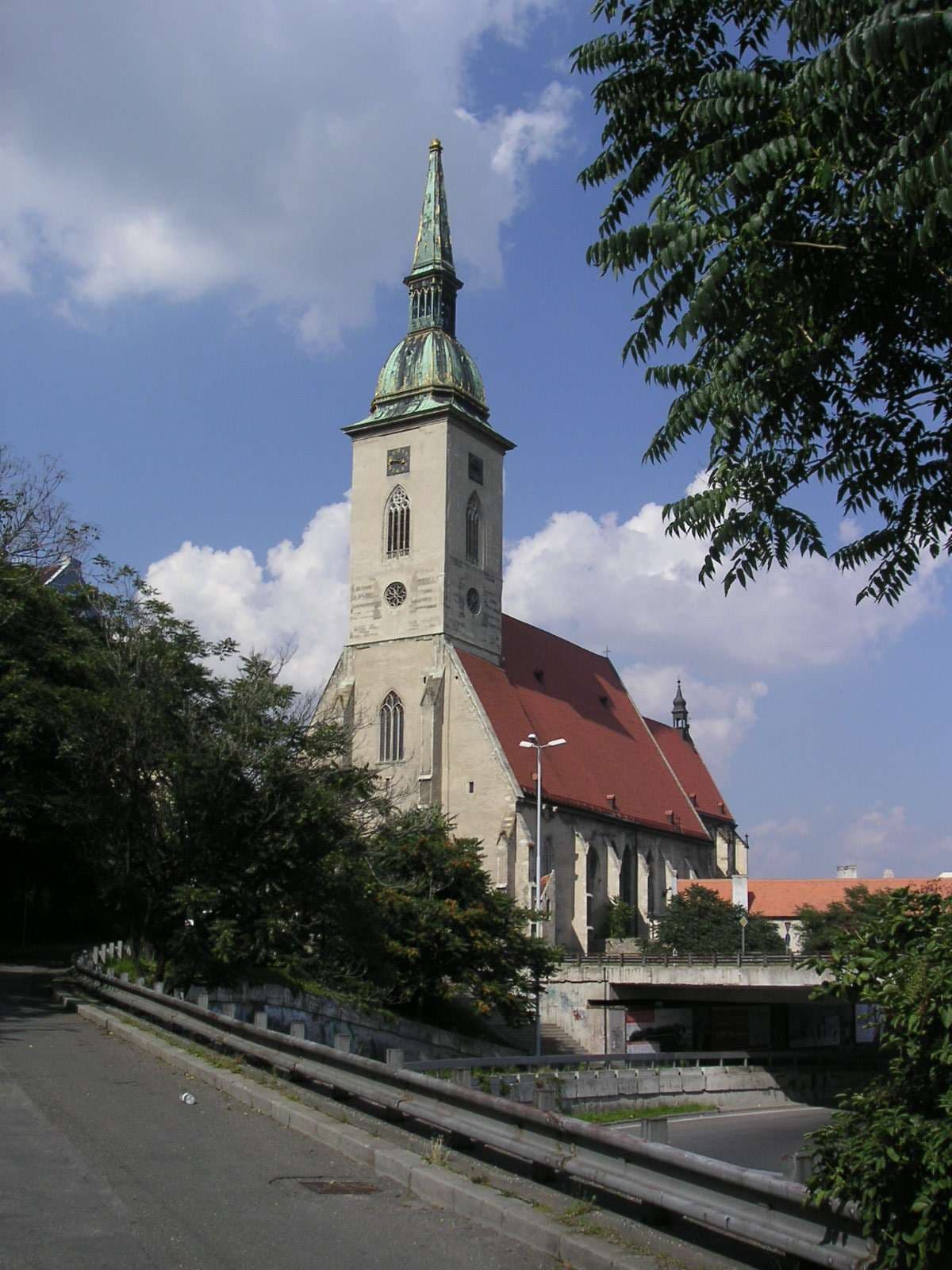 St Martin's CathedralThe coronation church of Hungary's kings for three centuries: the Gothic cathedr4 minutes walk4.7
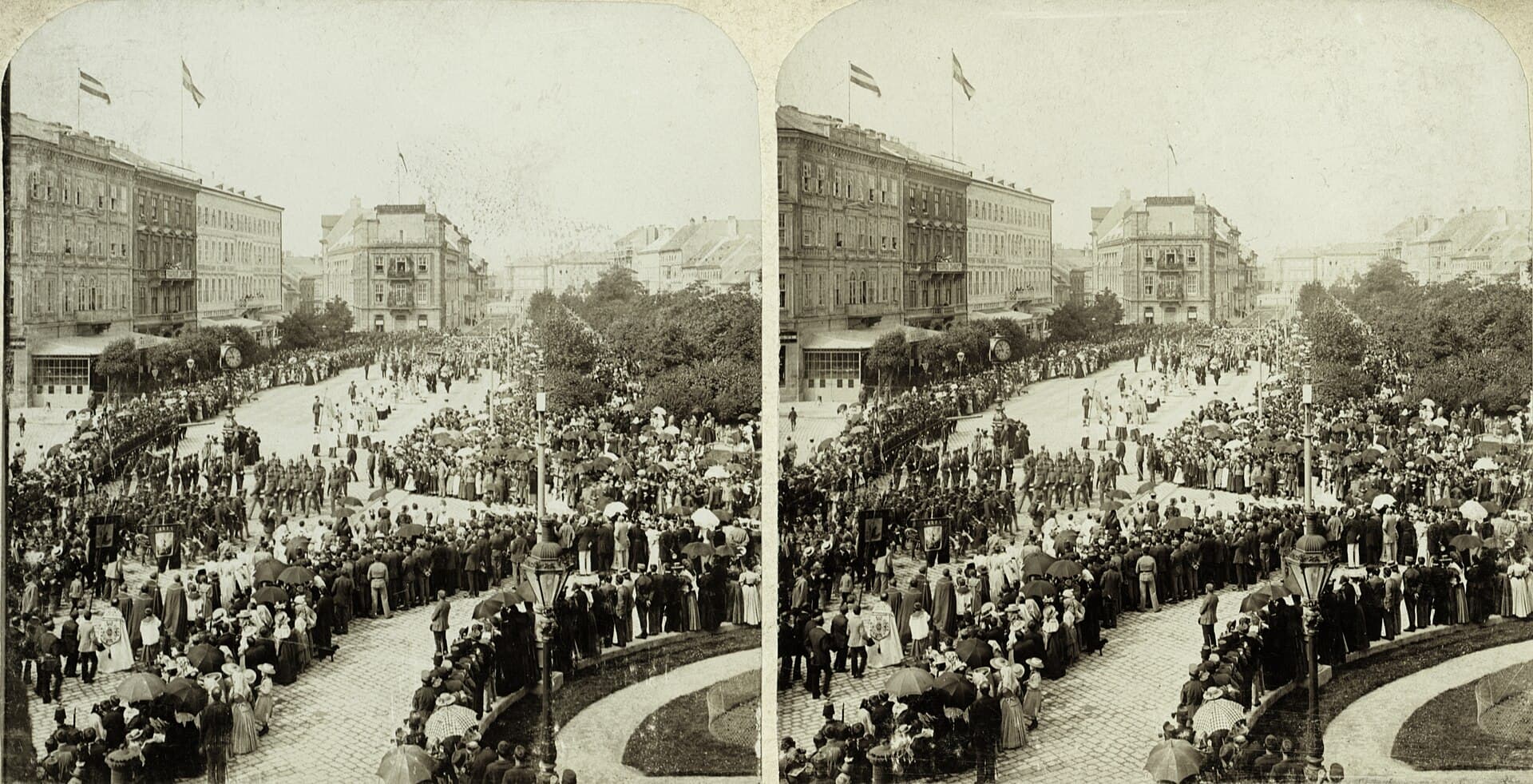 Hviezdoslav SquareThe elegant promenade between the old town and the river: Hviezdoslav Square is 7 minutes walk4.5
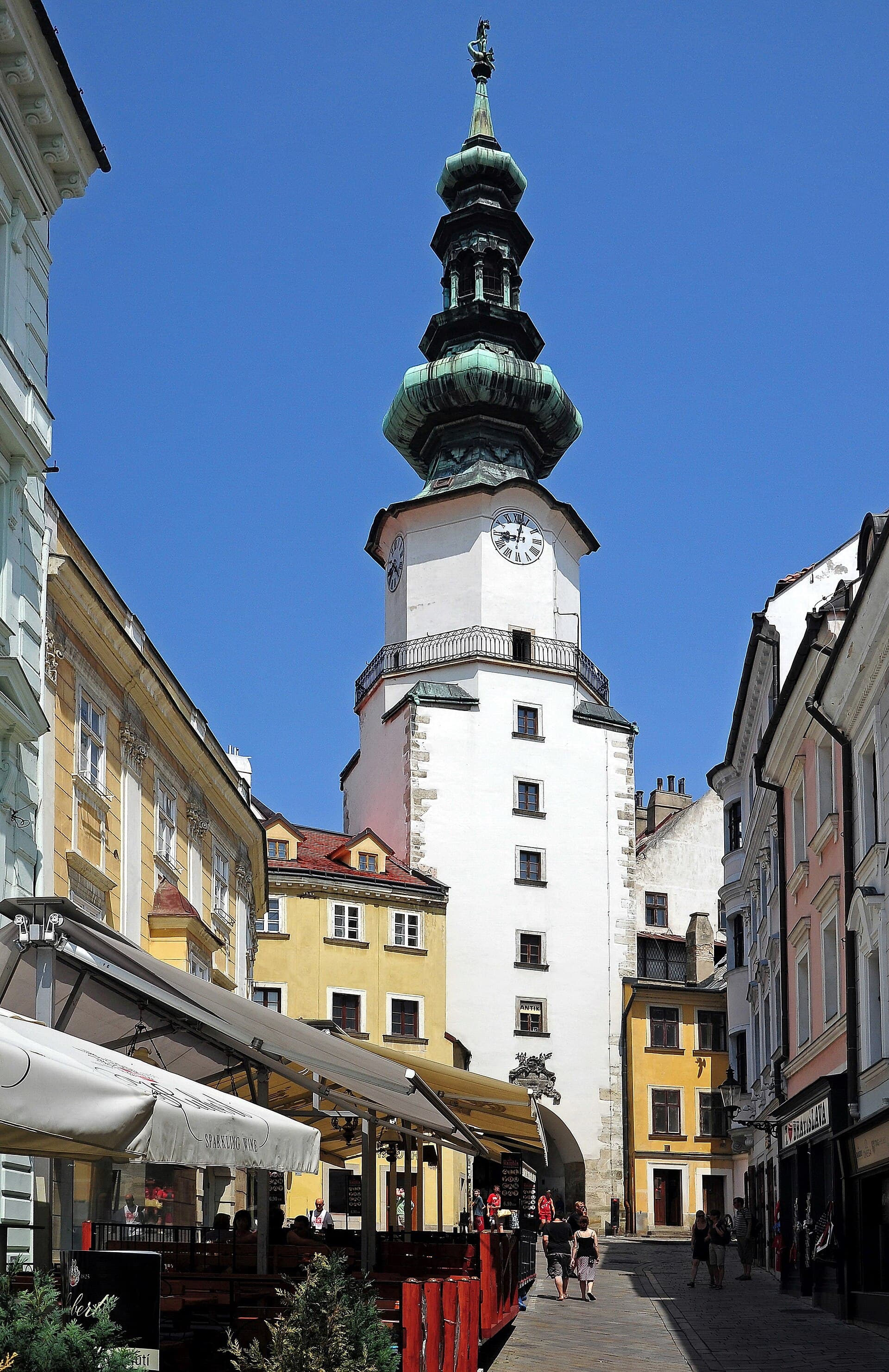 Michael's GateThe last of the city wall's four gates: Michael's Gate was built around 1300 and8 minutes walk4.2
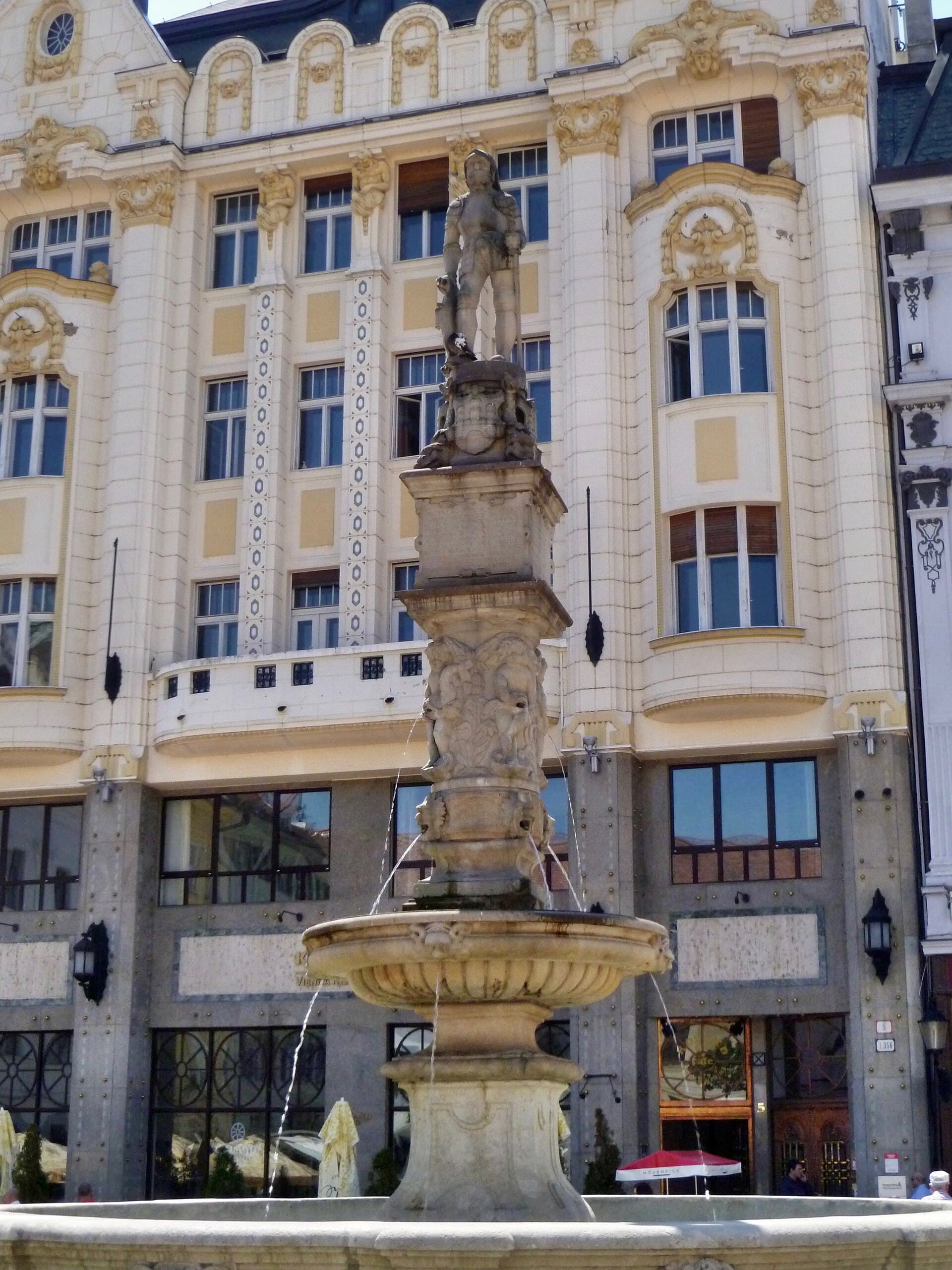 Roland's FountainThe oldest fountain in Bratislava, standing at the centre of the Main Square sin8 minutes walk4.7
After Buda fell to the Ottomans in 1541 the kingdom's capital moved to Pressburg (Bratislava), which remained the coronation and parliamentary seat until 1848 — and the coronation route is still marked in the old town's pavement with brass crowns.