
Gibson Interactive Studio
Real guitars, drums and keyboards you can actually play, with short on-screen lessons.
Liz Koravos — CC BY-SA 4.0 · Jonathan Hutchins — CC BY-SA 2.0 · Ade (talk) — CC BY-SA 3.0 · Len Williams — CC BY-SA 2.0
Know one thing before you pay: this is not a Beatles museum. The Beatles are here, of course, but as a single chapter in a story that runs from 1945 to the present, from the first rock and roll records through Freddie Mercury, David Bowie, the Spice Girls, Adele and Oasis. If you came to Liverpool for the Fab Four alone, The Beatles Story on the neighbouring dock is the place; if you want the whole sweep of British popular music, this is. The museum has an odd biography. It opened in 2009 inside the O2 in London, closed there in 2014, and reopened in 2017 on the ground floor of the Cunard Building, one of the Three Graces that make up Liverpool's waterfront. The building is half the appeal: marble columns and high ceilings that once served the shipping line running liners to New York, now sheltering sequinned stage costumes and Noel Gallagher's Union Jack guitar. The route is chronological, decade by decade through outfits, instruments and archive footage, ending with a Boy George hologram performance. What lifts it above a row of glass cases is the Gibson Interactive Studio: real guitars, drums and keyboards you are allowed to play, with short on-screen lessons, plus a vocal booth and a Dance the Decades room that teaches you the moves of each era. With children between about eight and fourteen the visit turns from culture into a genuine hour of play, which makes it a sound choice for a wet Liverpool afternoon. The galleries, shop and café are all on one level and pushchairs move easily, but the main Pier Head entrance climbs flights of stone steps; the step-free route is the ramped door on Brunswick Street, where you buzz the intercom and take the lift down to the ground floor. Adults pay £22 at the door (£20 online), children aged 5 to 15 £14.50 (£12.50 online), under-5s go free, and a family ticket is £52.50 online; pleasingly, the ticket stays valid for twelve months. Doors are 10:00 to 17:00 with last entry at 16:00, daily in the main season but Wednesday to Sunday only in many autumn and winter weeks, so check the calendar before a Monday or Tuesday visit. No timed slots are needed, though in the summer holidays it is worth booking a day ahead. Free guided pop-up tours run at 11:15 and 14:15, and the in-house Star Café serves drinks and light food, with a licensed bar counter you may want to know about. Allow ninety minutes, or two hours if you love music.
Real guitars, drums and keyboards you can actually play, with short on-screen lessons.
Freddie Mercury, the Spice Girls, Bowie and Adele in cases beneath the Cunard Building's marble columns.
A screen that teaches you each era's moves; children are hard to prise away from it.
Cunard Building, Pier Head, Liverpool L3 1DS
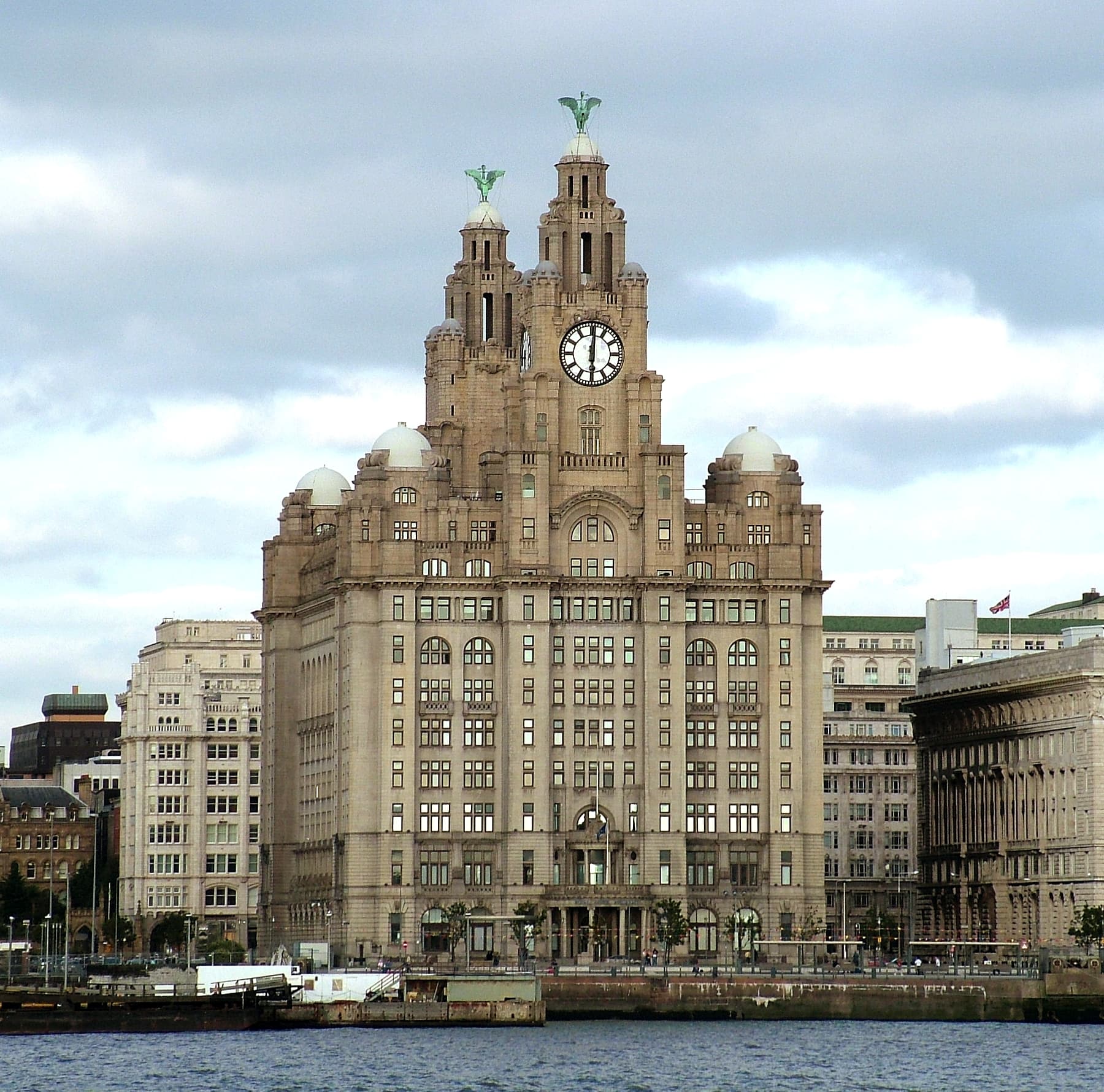 Royal Liver BuildingThe two clock faces on this building are bigger than Big Ben's, and the copper b1 minute walk4.6
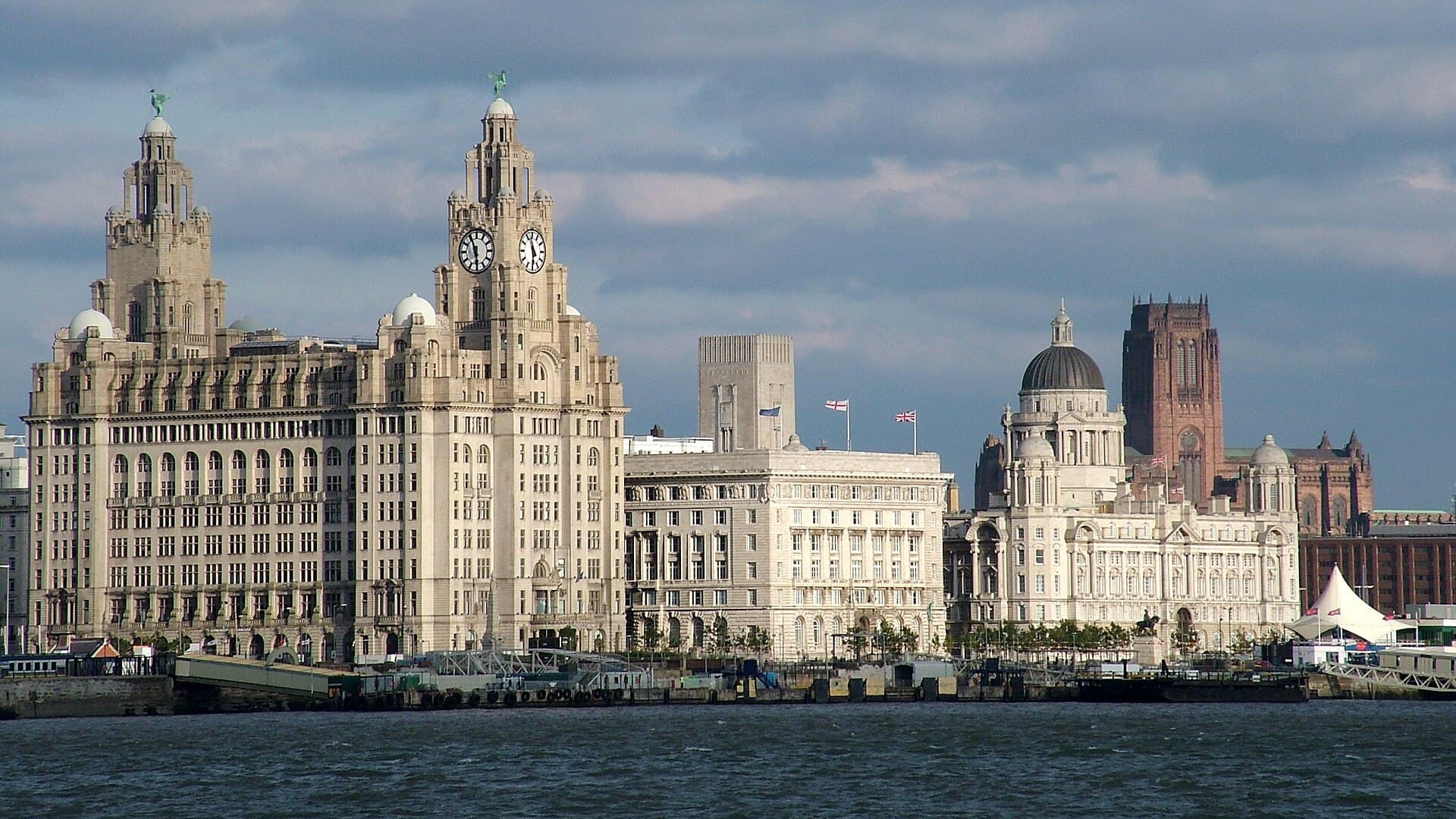 Pier HeadTwo copper birds, each five and a half metres tall, have stood on the towers of 1 minute walk4.6
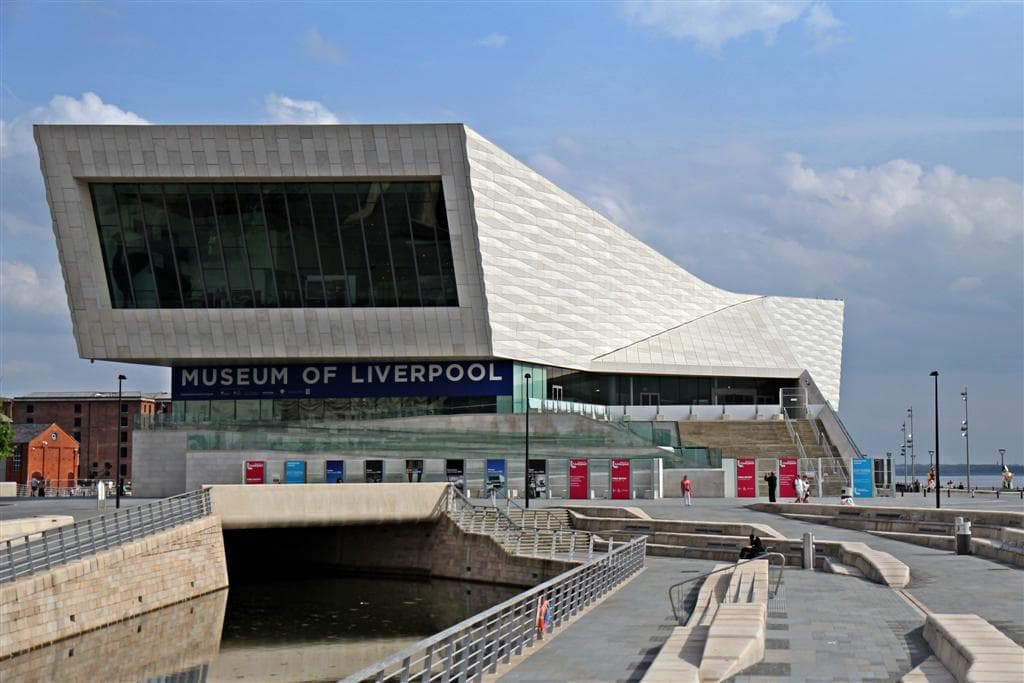 Museum of LiverpoolThe best photograph of Liverpool's famous waterfront trio, the Three Graces, is 3 minutes walk4.7
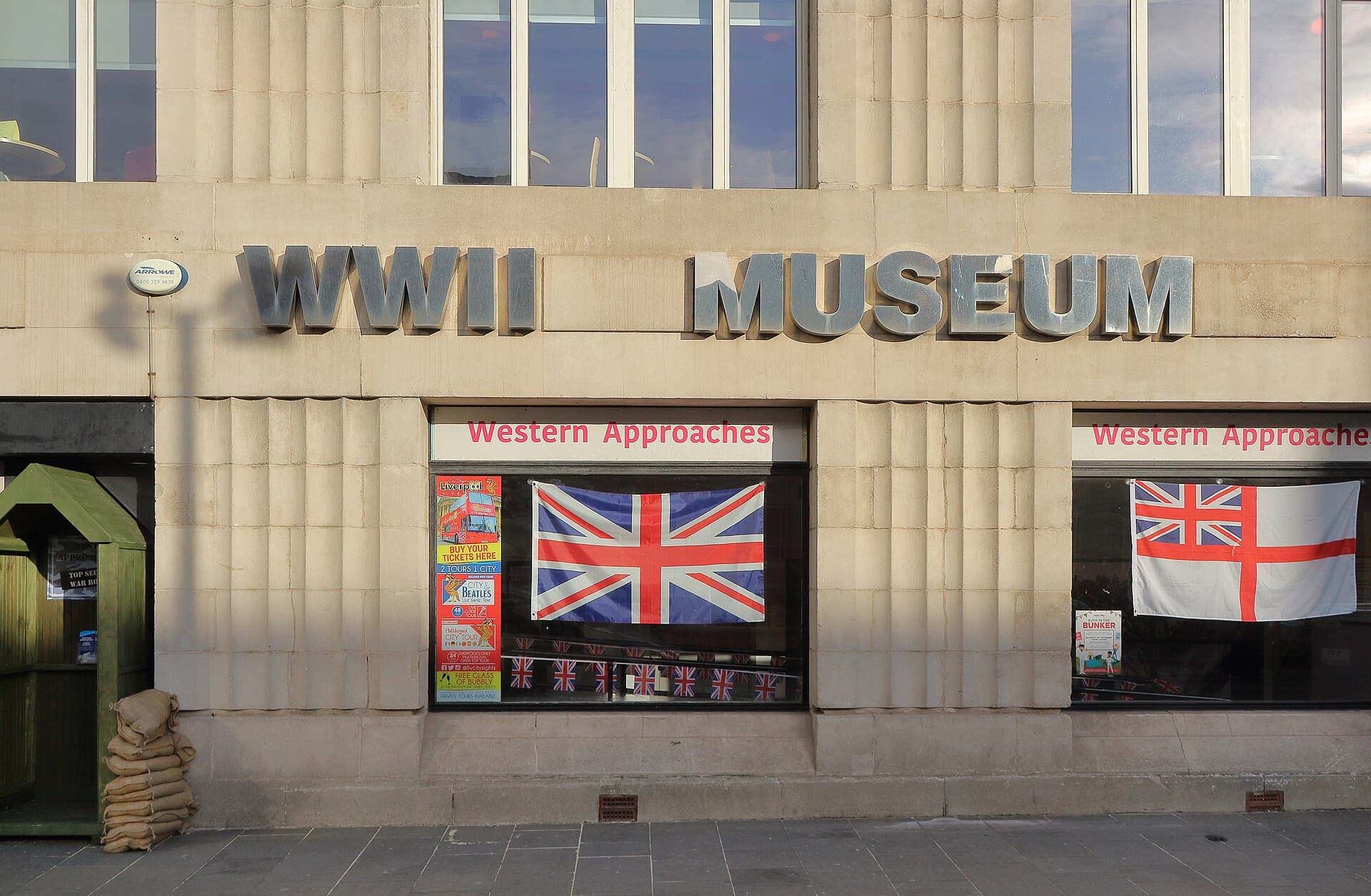 Western Approaches MuseumOn 15 August 1945 Western Approaches Command was wound up and the Operations Roo4 minutes walk4.6
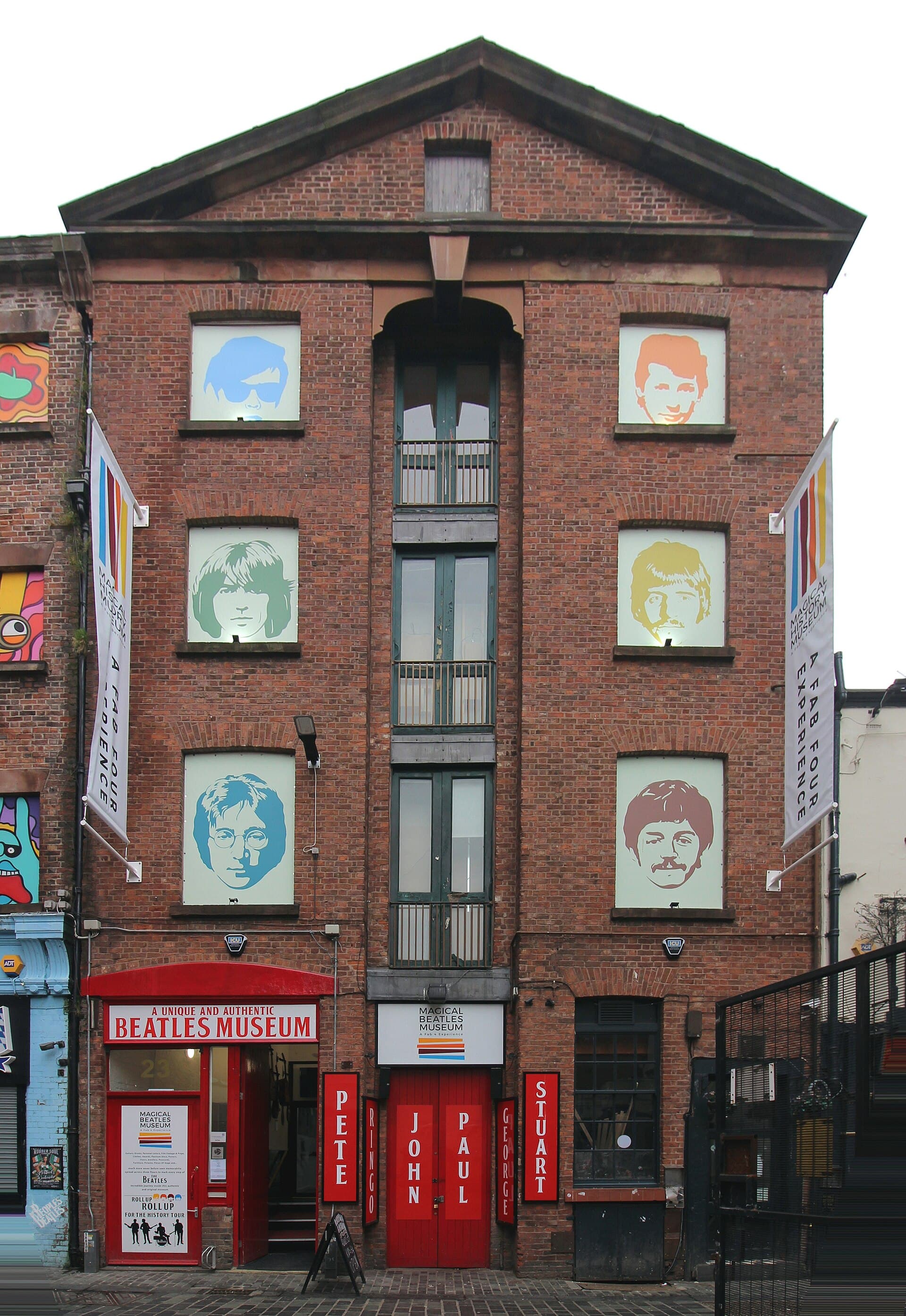 Liverpool Beatles MuseumThe man behind this museum is Roag Best, half-brother of Pete Best, the original7 minutes walk4.6
If the Beatles are the reason for your trip, go to The Beatles Story at the Albert Dock; here they are one chapter among many. With children who want to touch and play, or if you like British music in general, this is the more enjoyable and less crowded of the two, and the building is finer.
For access, yes: the galleries are all on one level, but the main entrance has stone steps, so use the ramped Brunswick Street door (intercom, then lift). Under-sevens tire of the display cases quickly; the interactive studio and dance room are what hold them, so head there early.