
The Three Graces window
The top-floor window frames the Royal Liver Building like a painting, the finest waterfront shot in the city.
El Pollock — CC BY-SA 2.0 · Andrzej Otrębski — CC BY-SA 4.0 · Andrzej Otrębski — CC BY-SA 4.0 · Andrzej Otrębski — CC BY-SA 4.0
The best photograph of Liverpool's famous waterfront trio, the Three Graces, is not taken from the quayside but from inside this museum: a vast window on the top floor frames the Royal Liver Building and its copper birds like a painting hung on the wall. The building itself, a sharp-angled white box opened in 2011 on Mann Island at the Pier Head, still divides opinion for elbowing in beside Edwardian neighbours, but the inside is warmer than the exterior suggests. This is a museum about one city rather than a civilisation, and that is its strength. The ground floor tells the story of the port that made Liverpool England's gateway to the world, and the Global City gallery covers trade and immigration, all of it explaining why this place feels unlike the rest of England. The second floor is what most visitors come for: the Wondrous Place gallery on music and sport, with the Beatles' stage suits and a football section that gives Liverpool and Everton equal room, worth lingering over if one of the children supports the red side. On the first floor, in a small gallery of its own, stands a wooden carriage from the Liverpool Overhead Railway, the world's first elevated electric line, fixed at the original track height of 4.8 metres and open to look inside. For families it is one of the easiest museums in Britain: free, no booking, generous lifts, pushchairs welcome, and the Little Liverpool gallery for under-sixes is a hands-on play space. It runs as ticketed sessions of about thirty minutes all year, free, with half the tickets released online and half kept for the welcome desk on the day, so ask at the desk the moment you arrive. The ground-floor cafe looks out over the docks, and many families are content with ninety minutes before walking five minutes on to the Royal Albert Dock. Practical notes: the museum is closed on Mondays except in English school holidays and on bank holidays, and it shuts at 17:00 all year, so do not leave it for the end of the day. July and August weekends get crowded, particularly around the football displays and the children's gallery. Getting there: James Street station is a five-minute walk, or the Liverpool ONE car parks are about ten minutes away if you are driving.
The top-floor window frames the Royal Liver Building like a painting, the finest waterfront shot in the city.
The Beatles' suits and the city's football, red and blue alike, under one roof, the section that holds teenagers longest.
A wooden coach from the world's first elevated electric railway, set at the original 4.8 m height and open to look inside.
Pier Head, Mann Island, Liverpool L3 1DG
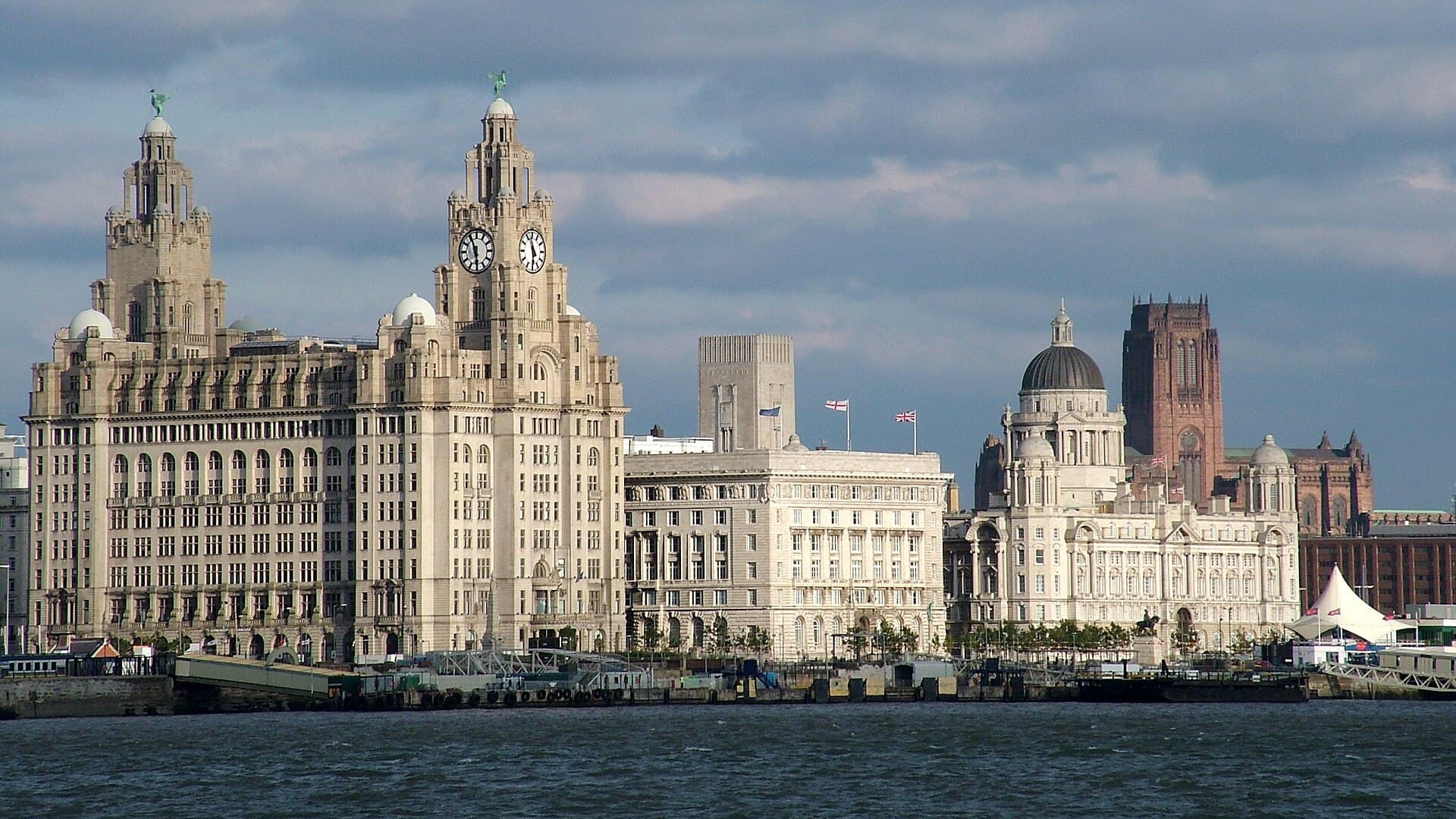 Pier HeadTwo copper birds, each five and a half metres tall, have stood on the towers of 2 minutes walk4.6
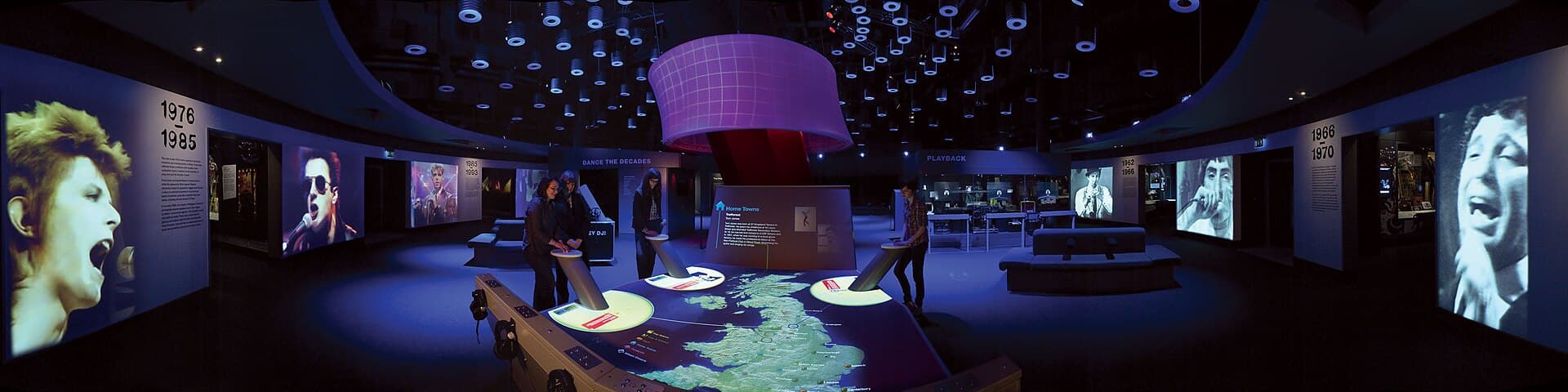 British Music ExperienceKnow one thing before you pay: this is not a Beatles museum. The Beatles are her3 minutes walk4.6
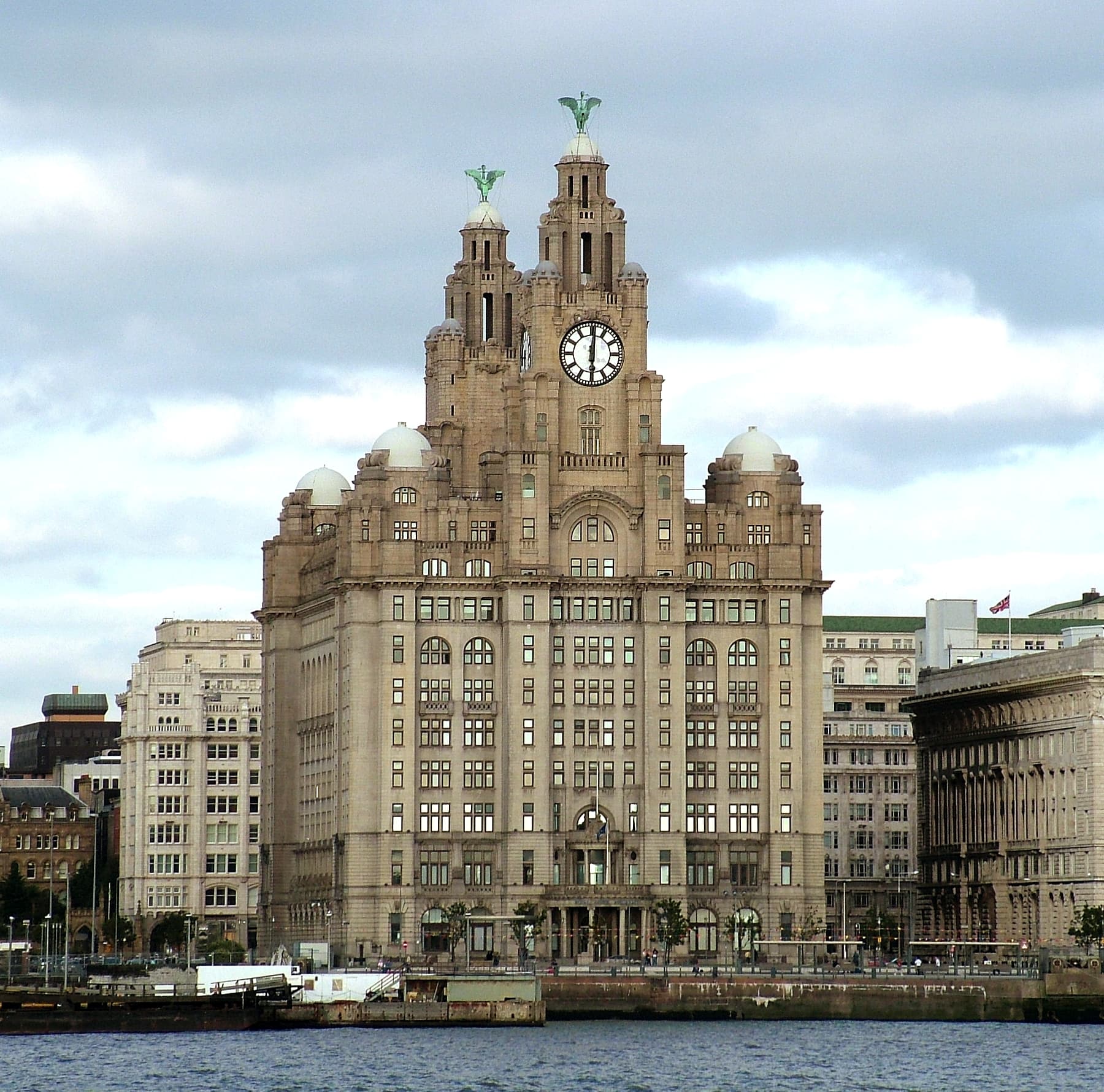 Royal Liver BuildingThe two clock faces on this building are bigger than Big Ben's, and the copper b4 minutes walk4.6
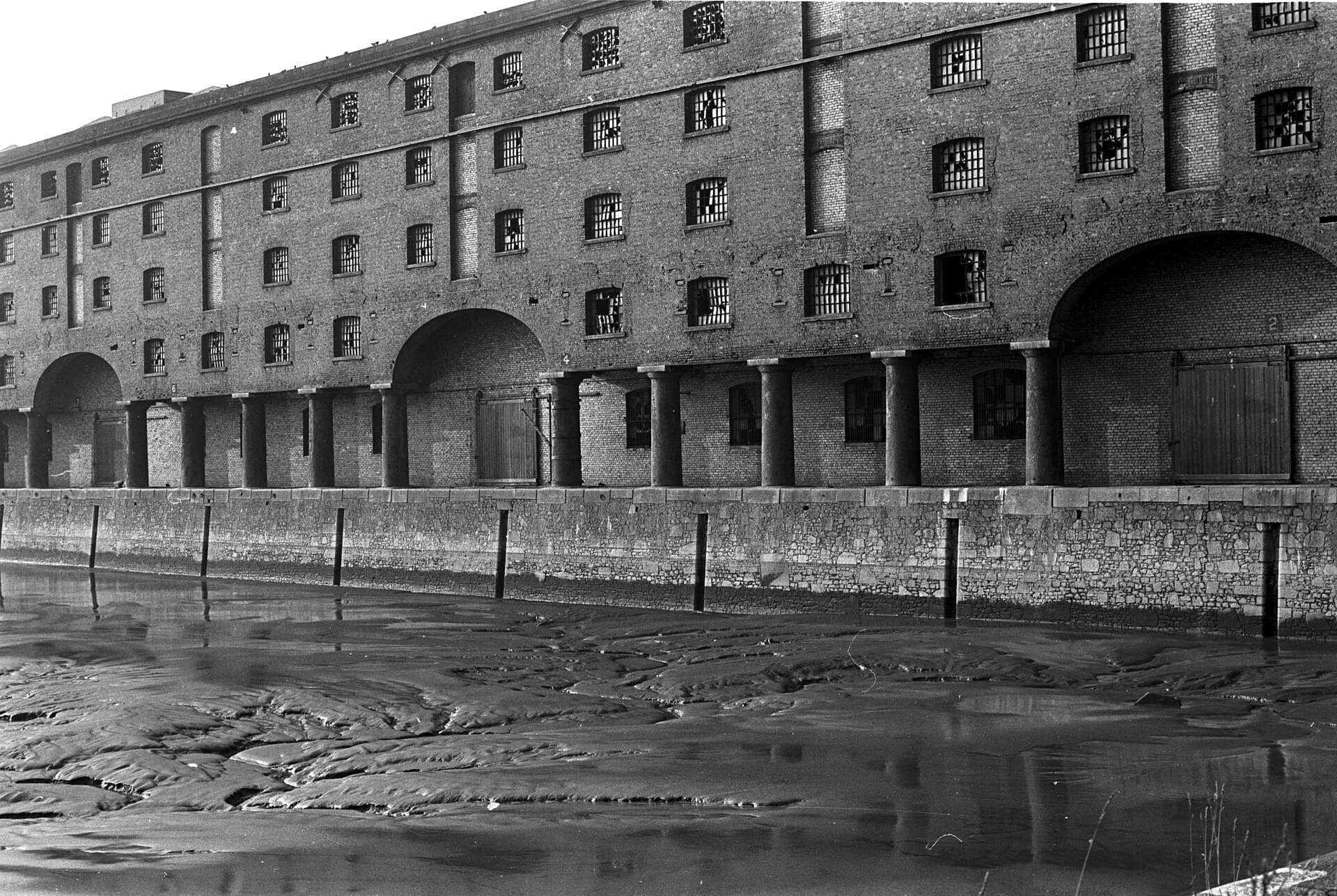 Royal Albert DockIn 1846 these warehouses went up without a single piece of timber: cast iron, br5 minutes walk4.8
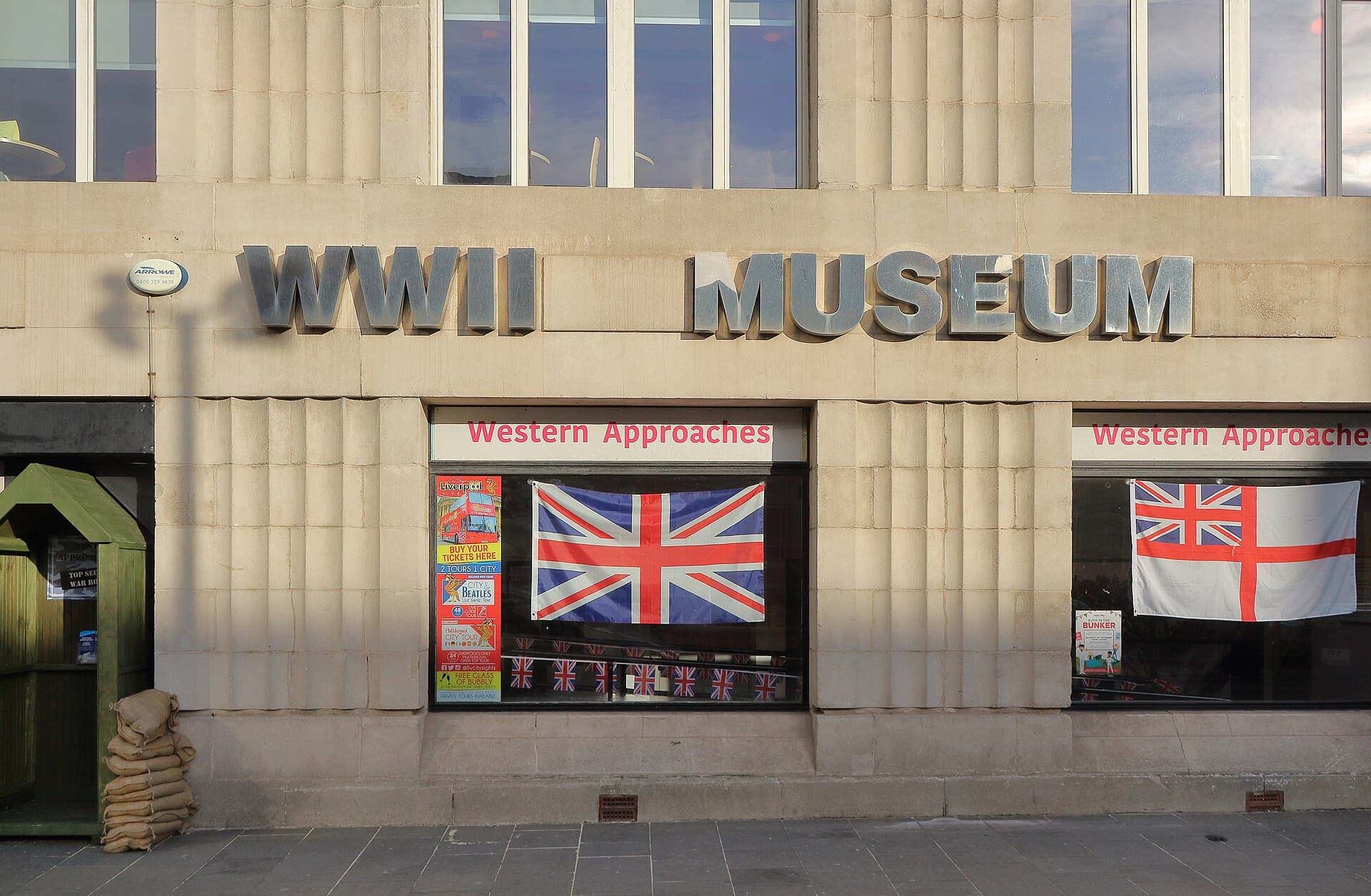 Western Approaches MuseumOn 15 August 1945 Western Approaches Command was wound up and the Operations Roo6 minutes walk4.6
Yes, but keep it short: give it ninety minutes at most, go straight to the second floor for the Beatles, the football and the big window, then drop a floor for the railway carriage. With small children the Little Liverpool gallery alone justifies stepping in, since it is free and right next to the dock, just pick up a session ticket at the welcome desk as you come in. If the Beatles are the main interest, though, the paid Beatles Story at the Royal Albert Dock goes far deeper.