
The Operations Room
The vast wall map, restored to its wartime state with markers and convoy tracks, in the very room from which the Battle of the Atlantic was run.
Rodhullandemu — CC BY-SA 4.0 · British Royal Navy — Public domain · British Royal Navy — Public domain · Stephen Craven — CC BY-SA 2.0
On 15 August 1945 Western Approaches Command was wound up and the Operations Room beneath Derby House fell silent; today the wall-sized map stands restored to its wartime state: convoy tracks, U-boat sightings, coloured markers in place. From this room buried under central Liverpool the Battle of the Atlantic was run from February 1941 to the finish, the battle that decided whether food and fuel reached Britain at all. Today you walk down the stairs into the actual bunker, not a reconstruction of it. It is bigger than you expect: some 55,000 square feet of rooms and corridors on two levels under a concrete roof close to two metres thick, staffed by roughly a thousand people, most of them women of the WRNS (the Wrens) who took the signals and moved the pieces on the map around the clock. The route takes you through the cypher and teleprinter rooms, Admiral Sir Max Horton's office, a rebuilt 1940s street, a NAAFI canteen you can actually sit in, and the projector on which Churchill watched secret footage from the front. Interpretation panels are relatively sparse; the rooms themselves carry the story, and that is the place's real strength. Practically: the tour is self-guided and takes about an hour and a half. It opens every day 10:00-18:00 with last entry at 17:00. Adults pay £16.50 and children under 16 just £1, which makes it one of the cheapest outings in Liverpool for a whole family. No advance booking and no timed slots; the venue is cashless. Getting there is easy: Moorfields station is a three-minute walk, the Town Hall is round the corner and the Pier Head waterfront about five minutes away. Two clear caveats. First, it is underground with no natural light and the stairs are part of the experience, so pushchairs and wheelchairs have no place here, and it stays cool year-round even in July, so bring a layer. Second, the enjoyment depends on your interest: if Second World War history means nothing to you, you will see grey rooms and old maps; if it does, you will leave understanding why Liverpool, not London, was the nerve centre of the Atlantic war. Good for children from about eight upwards, and an excellent refuge on a wet day.
The vast wall map, restored to its wartime state with markers and convoy tracks, in the very room from which the Battle of the Atlantic was run.
The teleprinters and cypher machines run round the clock by hundreds of women, with an exhibition devoted to their stories.
The original projector on which Churchill viewed secret footage, plus a rebuilt wartime street with shops and a canteen you can sit in.
1-3 Rumford Street, Exchange Flags, Liverpool L2 8SZ
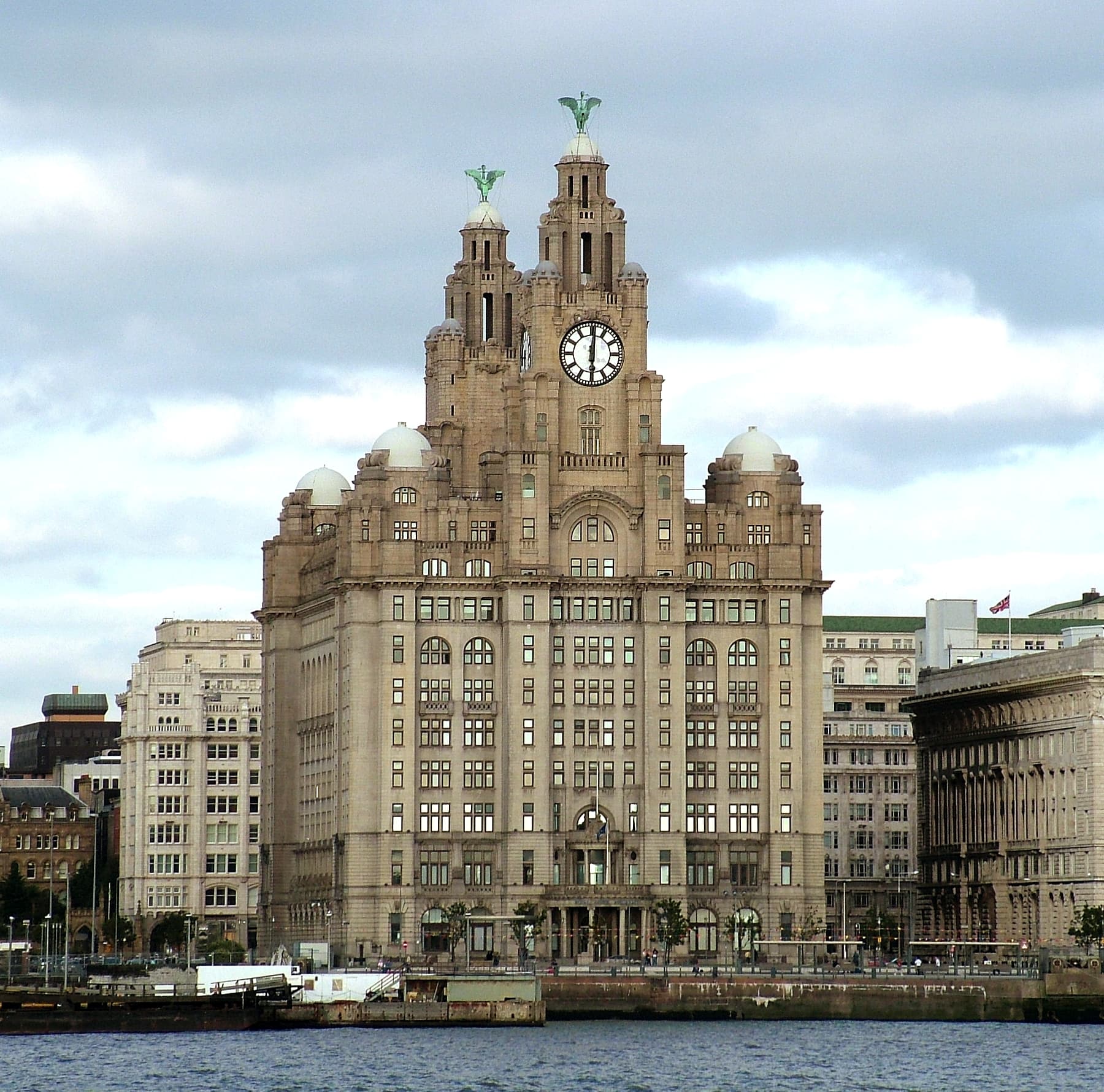 Royal Liver BuildingThe two clock faces on this building are bigger than Big Ben's, and the copper b3 minutes walk4.6
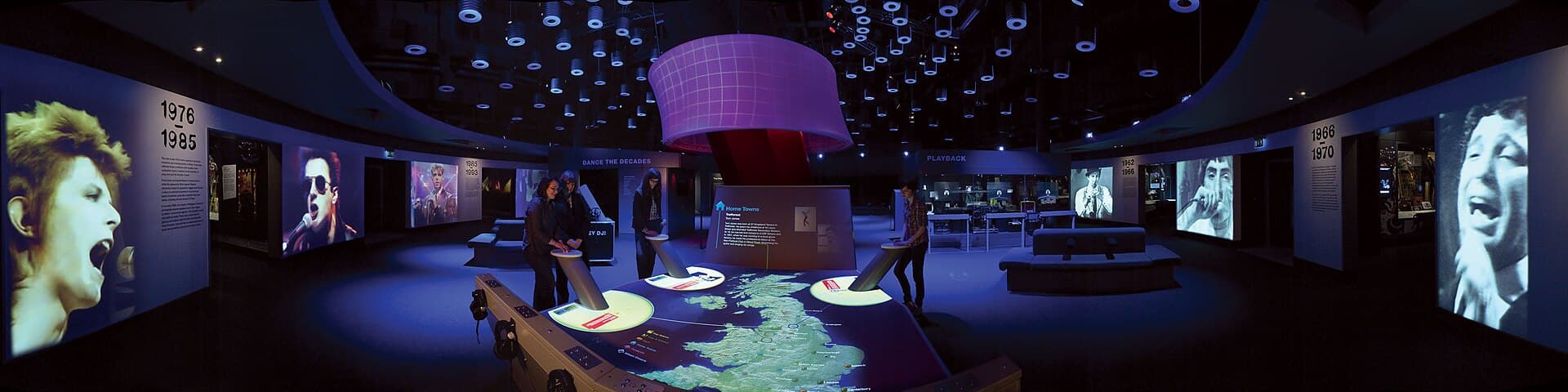 British Music ExperienceKnow one thing before you pay: this is not a Beatles museum. The Beatles are her4 minutes walk4.6
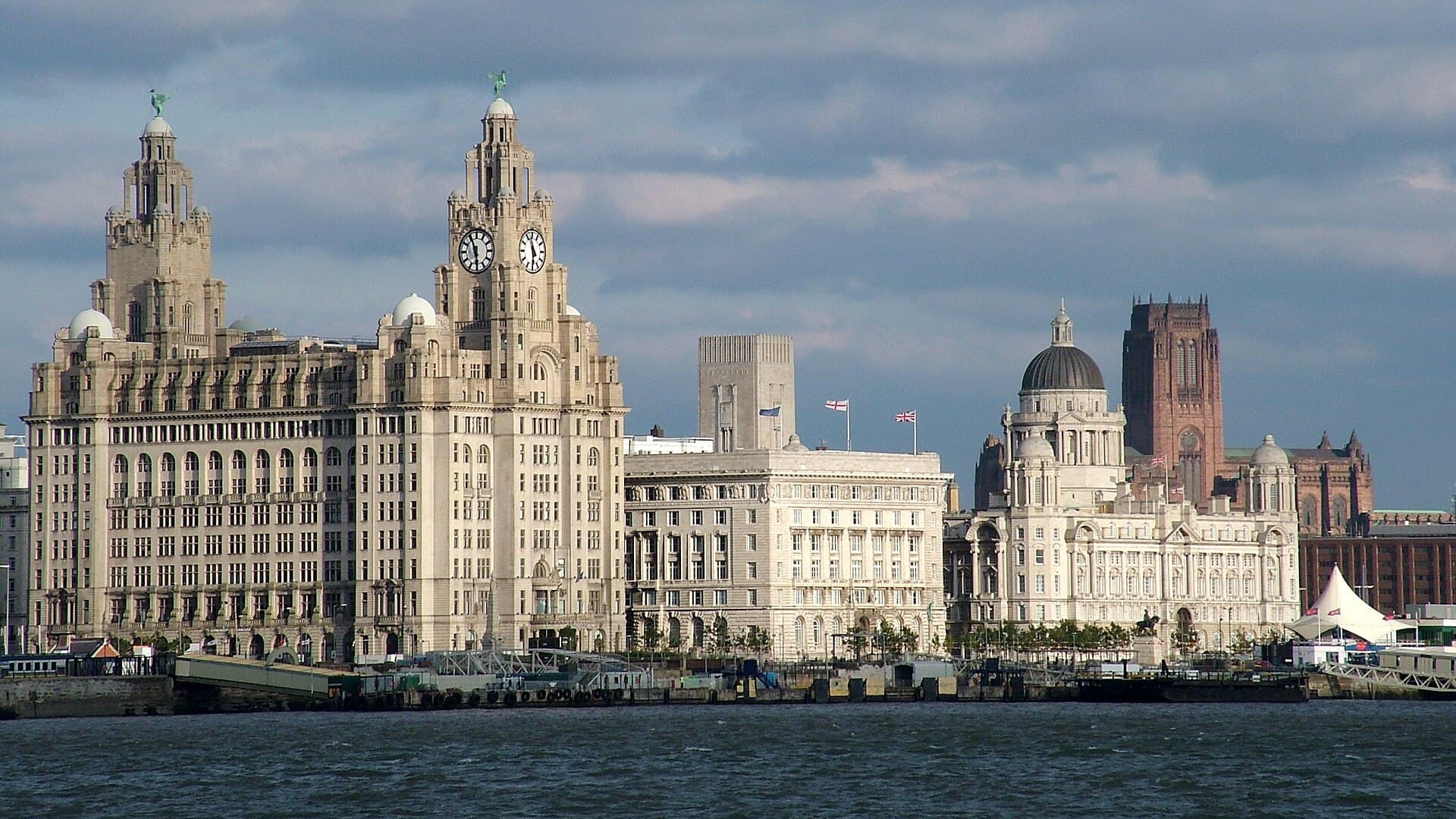 Pier HeadTwo copper birds, each five and a half metres tall, have stood on the towers of 5 minutes walk4.6
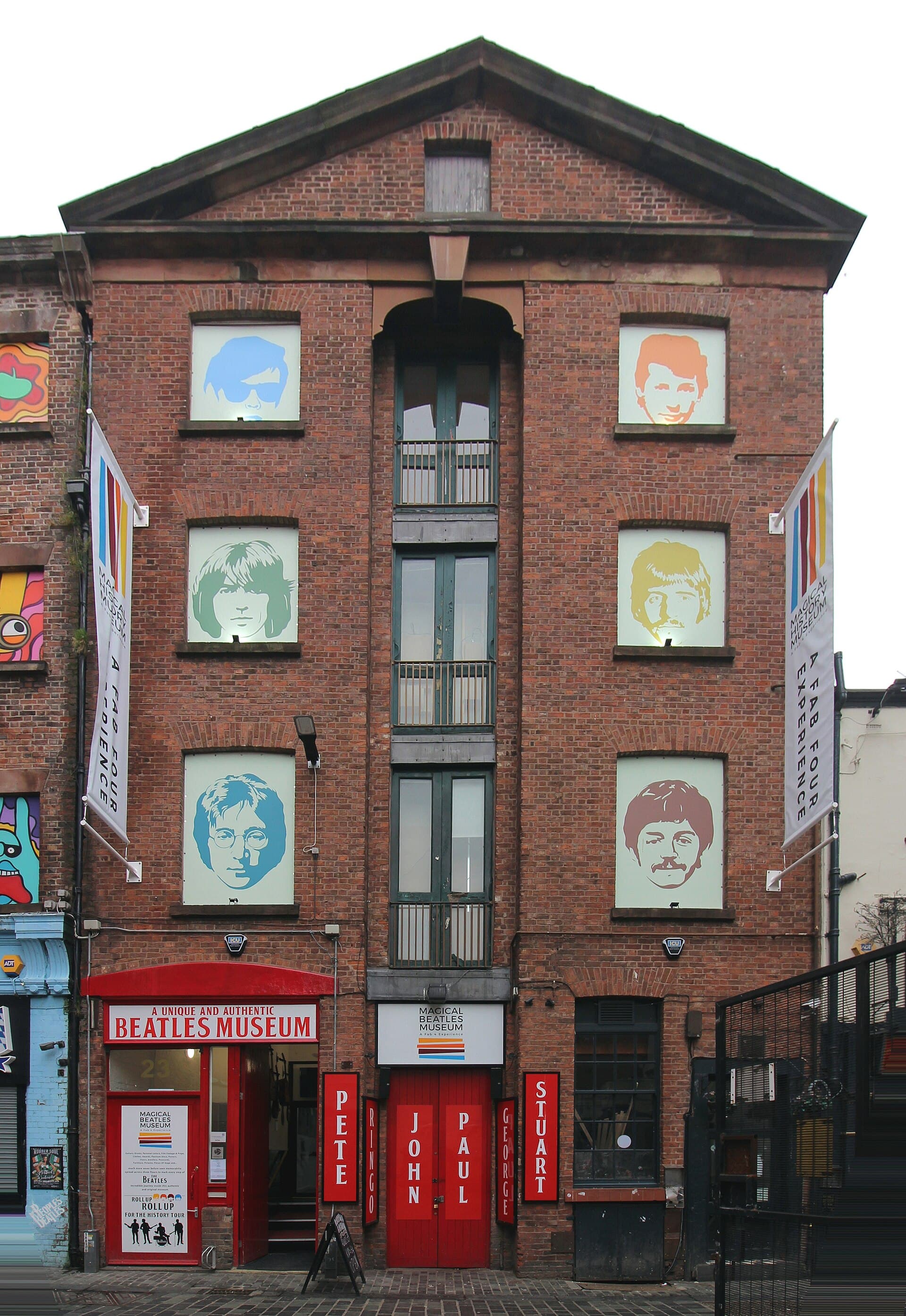 Liverpool Beatles MuseumThe man behind this museum is Roag Best, half-brother of Pete Best, the original5 minutes walk4.6
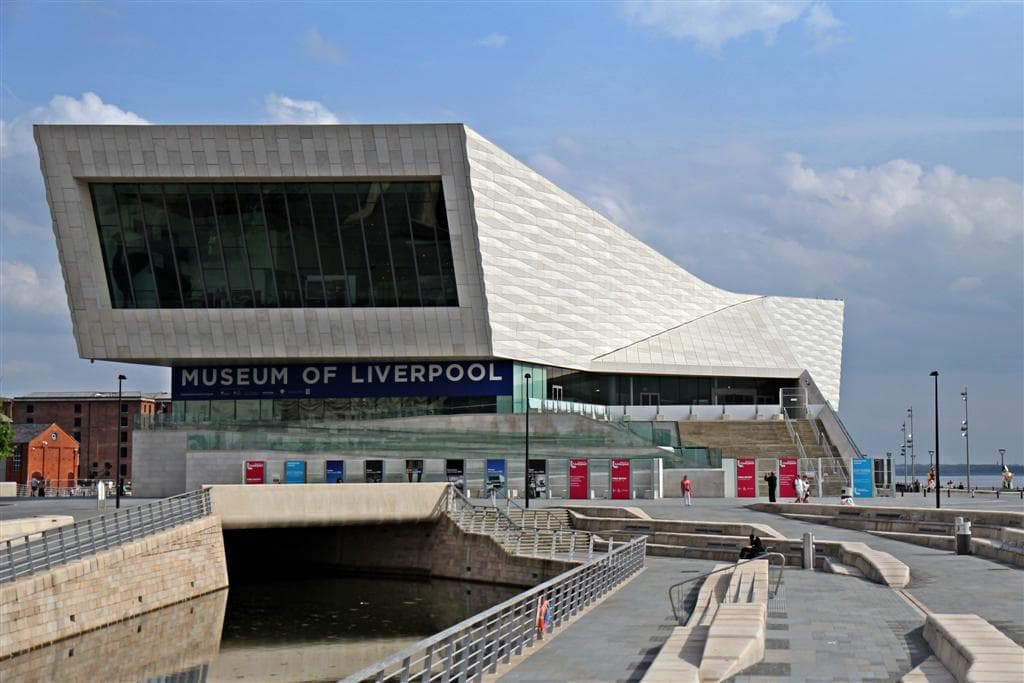 Museum of LiverpoolThe best photograph of Liverpool's famous waterfront trio, the Three Graces, is 6 minutes walk4.7
With a single day, the Albert Dock museums are free, broader and suit everyone. Pick Western Approaches if the Second World War specifically is what draws you; it takes 90 minutes and sits five minutes from the Pier Head, so both fit in one day if you start early.
Under eight, mostly not: it is dim, cold and the rooms repeat, and pushchairs cannot take the stairs. From about eight up, and with a teenager who likes history, it becomes one of the best things in the city, and the £1 child ticket keeps the gamble small.