
A fortune for a tomb
The duke left his money to Geneva on condition it built this, and the city accepted and complied.
Torbjorn Toby Jorgensen — CC BY-SA 2.0 · Rama — CC BY-SA 3.0 fr · Likasia — CC BY-SA 3.0 · Photograph by Mike Peel (www.mikepeel.net). — CC BY-SA 4.0
An ornate marble mausoleum on the shore of Lake Geneva, built in the 1870s for Charles II, Duke of Brunswick, a German noble who lived in exile and died in Geneva in 1873. The story behind it is stranger than its appearance: the duke left his large fortune to the city of Geneva on condition that it build him a tomb modelled on the Scaliger tombs in Verona. The city took the money and met the condition, and this heavily decorated neo-Gothic structure went up on the waterfront. The result is a monument with no connection to Geneva or its history, which has nonetheless become one of the most photographed things on the lakefront because it stands directly between the water and the grand hotels. It is seen from outside only and cannot be entered. The visit is a few minutes within a walk along the waterfront, and it pairs with the Jet d'Eau fountain, visible from the same spot.
The duke left his money to Geneva on condition it built this, and the city accepted and complied.
The design derives from the Scaliger tombs, so it has no relation to Geneva's own architecture.
It stands between the lake and the grand hotels, which is why it is photographed more than its story warrants.
Lakeside gardens, Quai du Mont-Blanc, Geneva
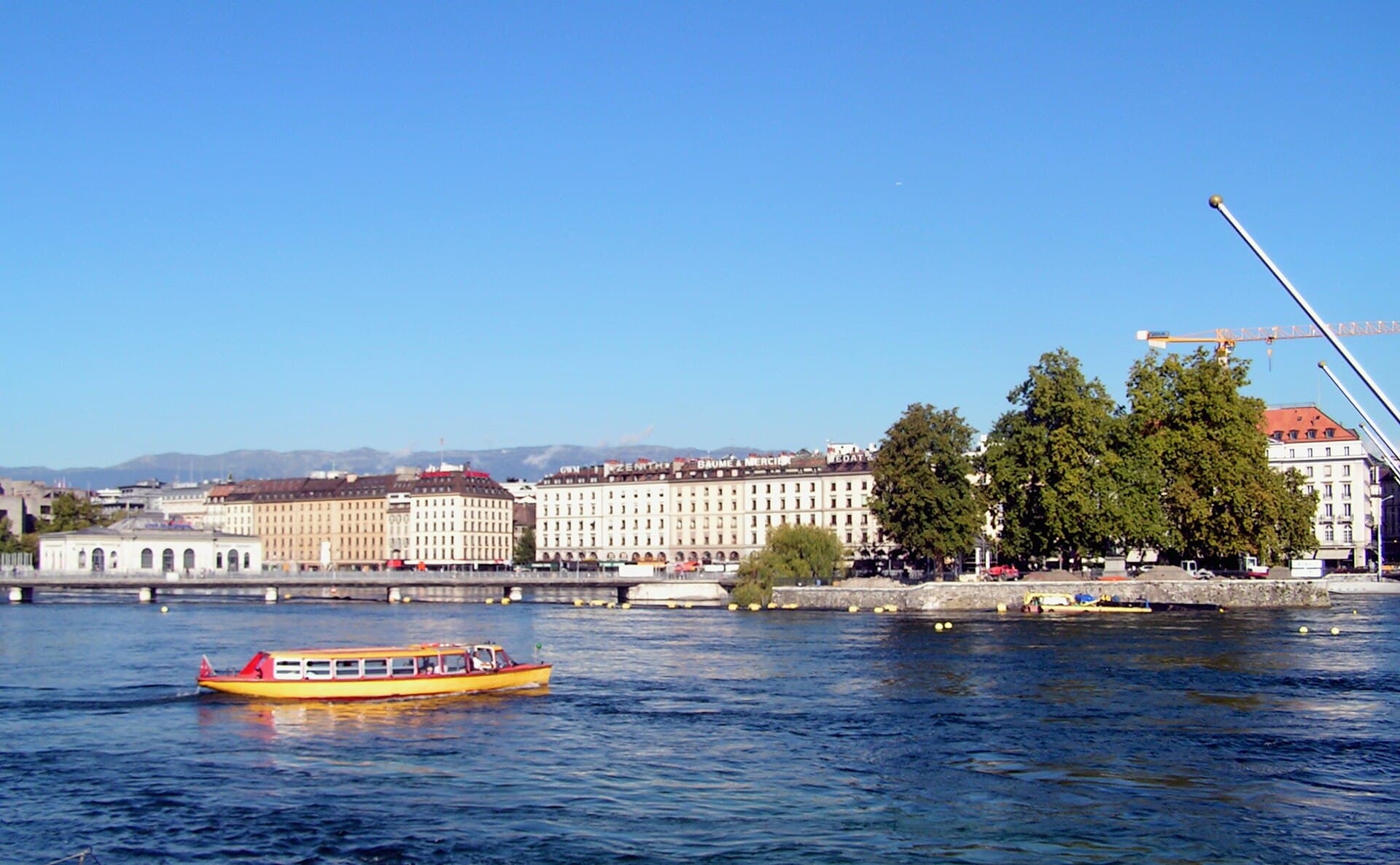 Île RousseauÎle Rousseau is a small island in the Rhône where the river leaves Lake Geneva, 4 minutes walk4.7
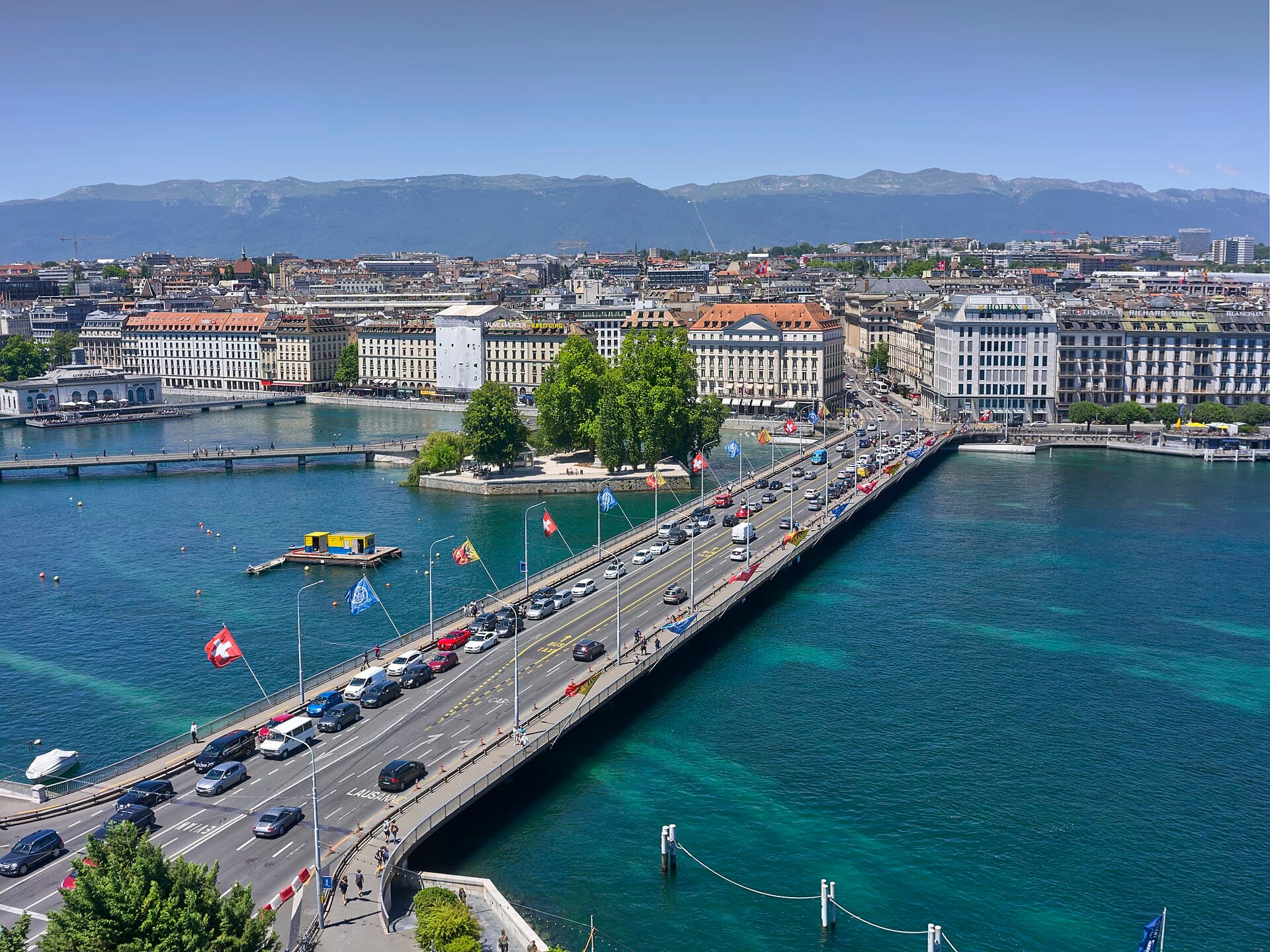 Pont du Mont-BlancThe Pont du Mont-Blanc is Geneva's principal bridge, standing at the point where4 minutes walk4.7
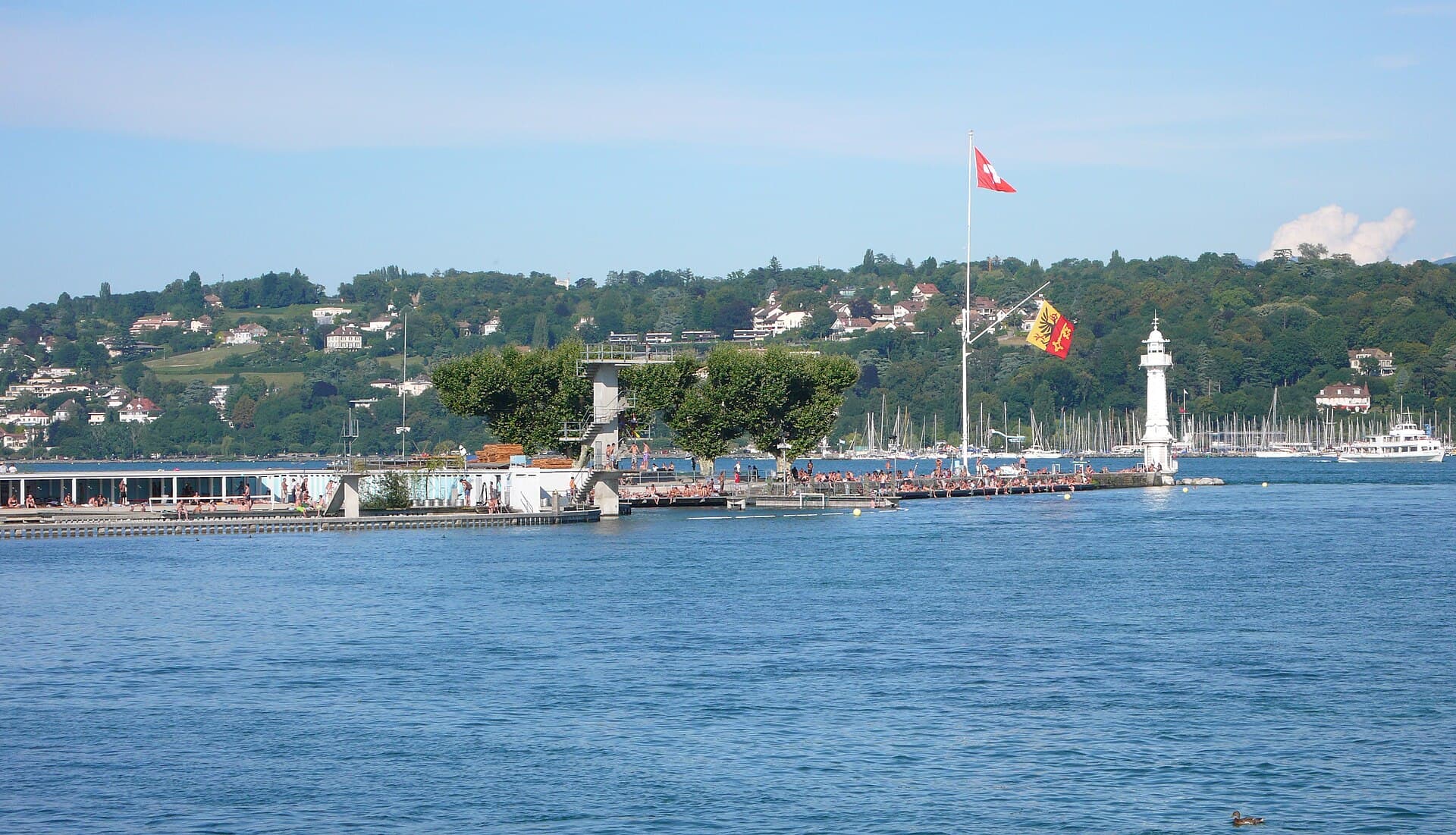 Bains des PâquisA stone tongue reaching into the lake from the Pâquis shore — the people's baths5 minutes walk4.5
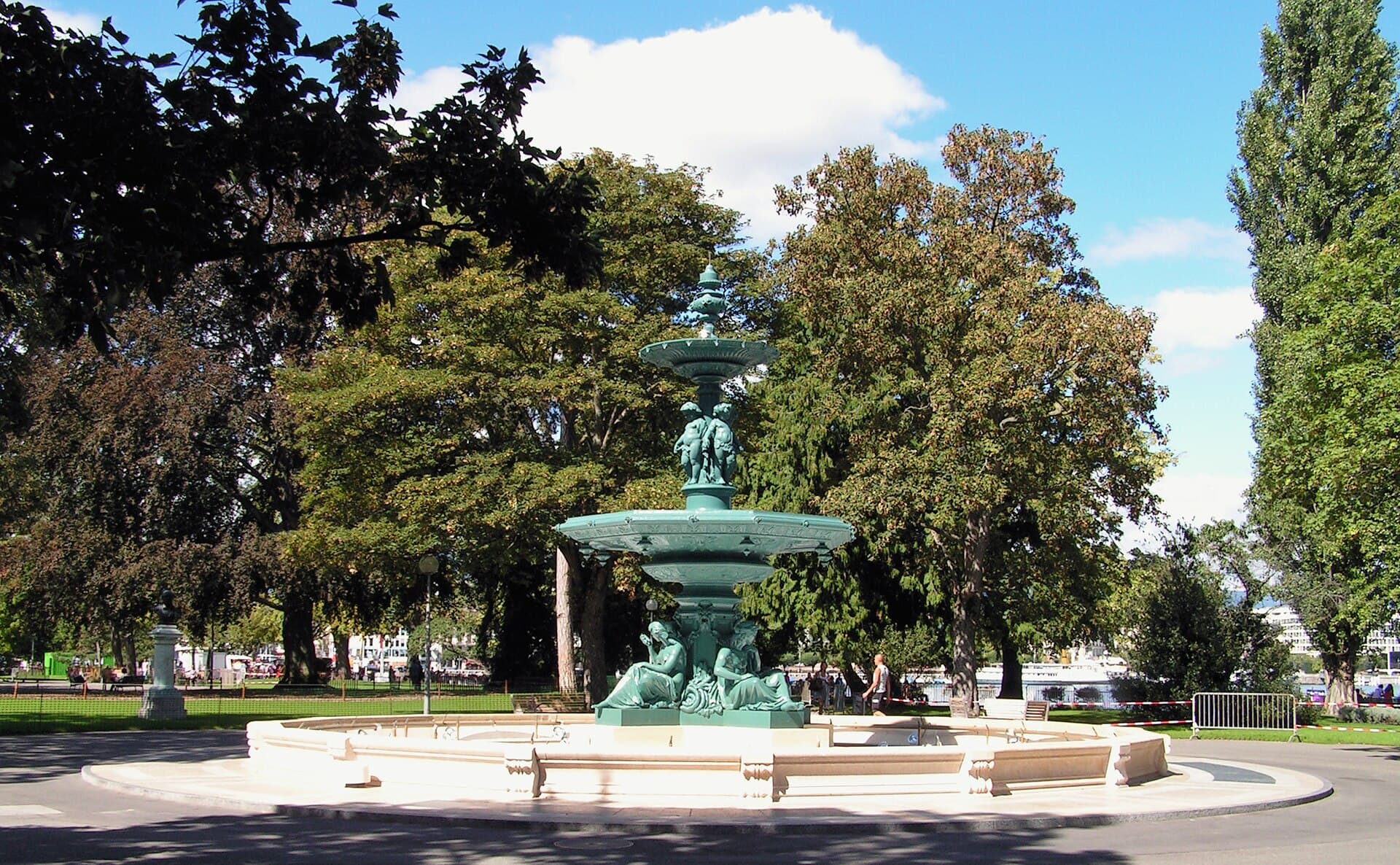 Jardin Anglais & the Flower ClockAt the Mont Blanc bridge's exit the English Garden opens its arms — Geneva's gre6 minutes walk4.6
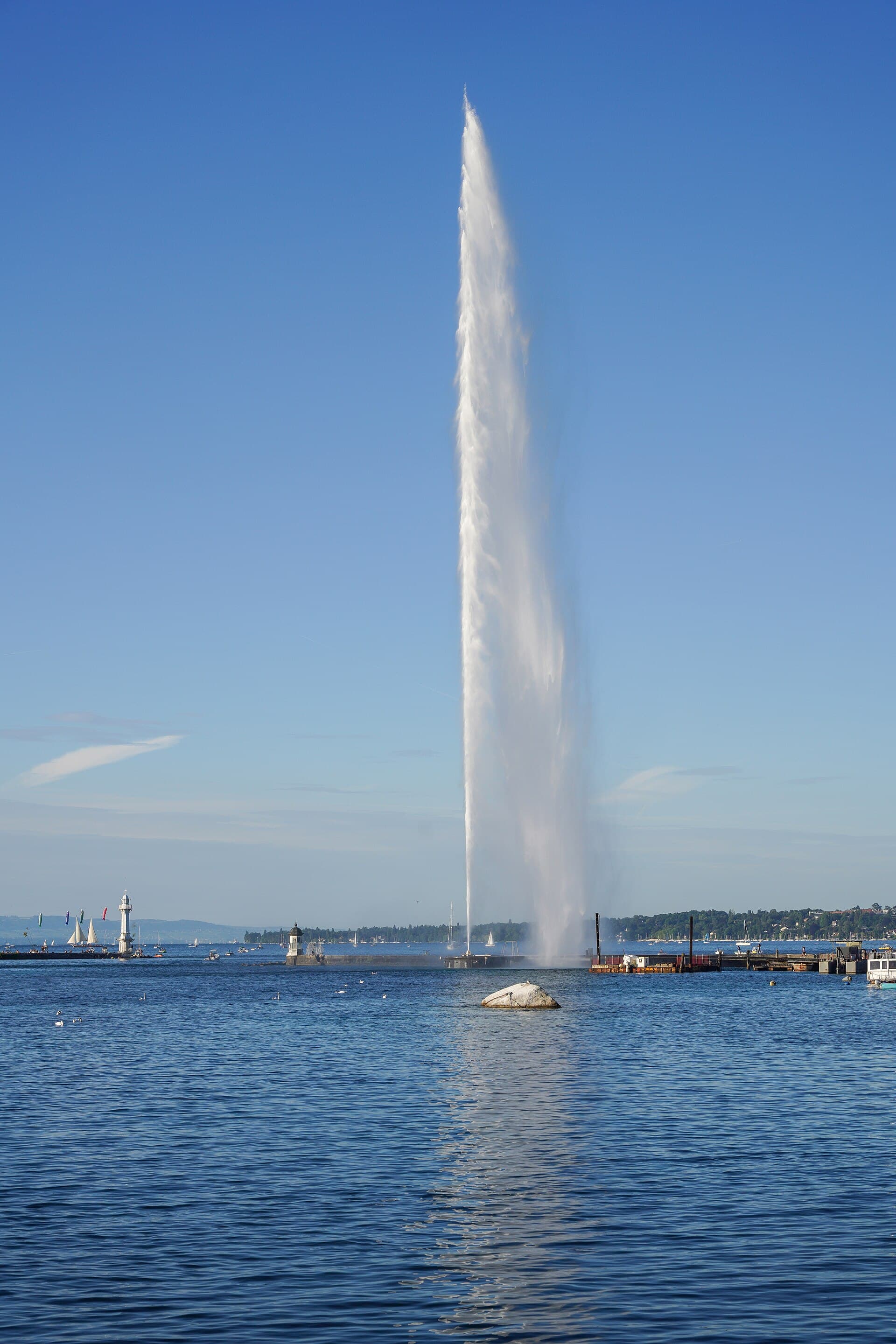 Jet d'EauA 140-metre column of water standing over Lake Geneva — the Jet d'Eau, the city'7 minutes walk4.6
No. The monument is closed and seen from outside only, designed as a tomb rather than a building to visit. It is a few minutes to look and photograph within a waterfront walk.
A walk along the Quai du Mont-Blanc: the Jet d'Eau is visible from here, and the English Garden with its flower clock sits on the opposite bank, all within a short walk along the lake.