
Pradier's 1835 bronze
Rousseau seated and writing, among the poplars.
Romano1246 — CC BY-SA 3.0 · Mikatu — CC BY-SA 3.0 · KlausFoehl — CC BY-SA 3.0 · Guilhem Vellut from Annecy, France — CC BY 2.0
Île Rousseau is a small island in the Rhône where the river leaves Lake Geneva, reached by a short footbridge from the **Pont des Bergues** in the centre of the city. It was not built as a garden: raised between 1585 and 1588 as a bastion guarding the city's water approach, it was known for centuries as the island of the boats, and served as a powder store and a boat-repair yard before being turned into a public promenade in the 1830s. At its centre stands a bronze of **Jean-Jacques Rousseau** by the sculptor James Pradier, unveiled in 1835, after which the island took the philosopher's name. The story behind it is less tidy than a statue suggests: Rousseau was born in Geneva and signed his books "citizen of Geneva", yet the city condemned *Émile* and *The Social Contract* and had them publicly burned in 1762, and he renounced his Genevan citizenship the following year. Some seventy years passed before the same city raised this monument to him. The island is very small — a few minutes to walk around — with poplars and shade, a long stone bench running along the water's edge, waterbirds in enclosures, and a kiosk that opens in the warm season. Do not make a special trip: take it as a short stop on the riverside walk between the Pont du Mont-Blanc, the Jardin Anglais and the Jet d'Eau. It is at its best late in the afternoon, when the light drops onto the river.
Rousseau seated and writing, among the poplars.
A short pedestrian link down from the bridge into midstream.
A quiet seat at the water's edge in the middle of the city.
Pont des Bergues, 1201 Geneva
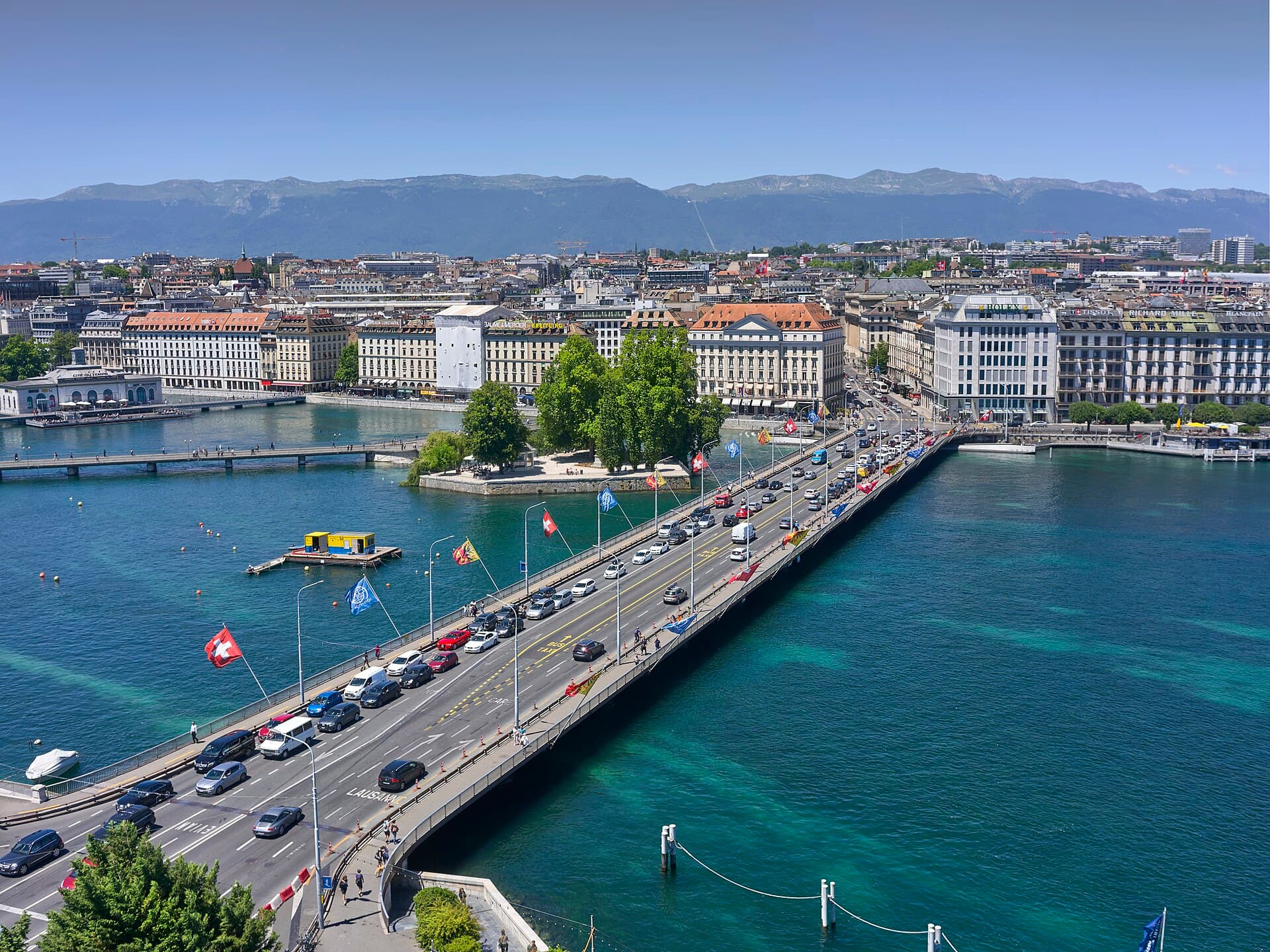 Pont du Mont-BlancThe Pont du Mont-Blanc is Geneva's principal bridge, standing at the point where1 minute walk4.7
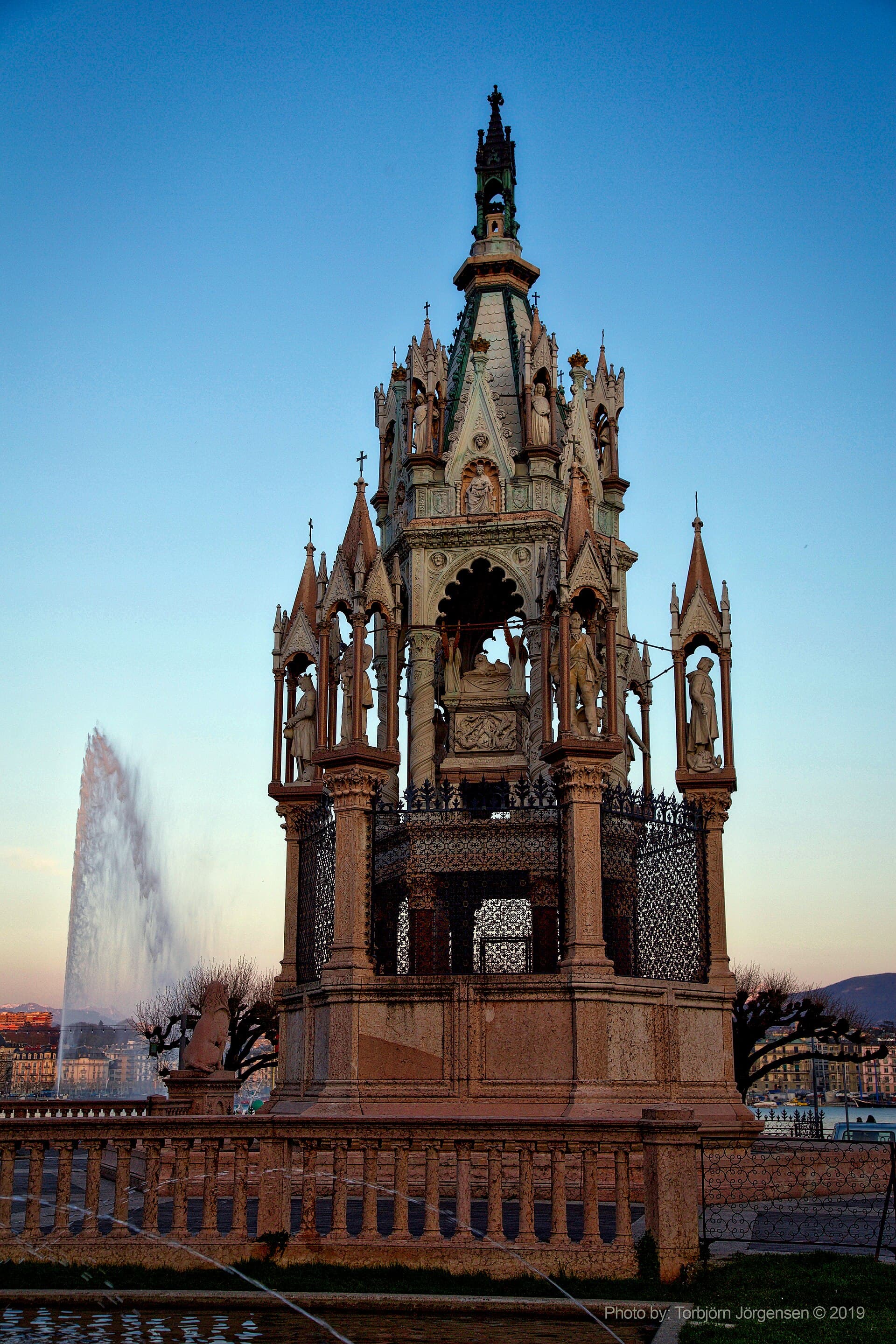 Brunswick MonumentAn ornate marble mausoleum on the shore of Lake Geneva, built in the 1870s for C4 minutes walk4.4
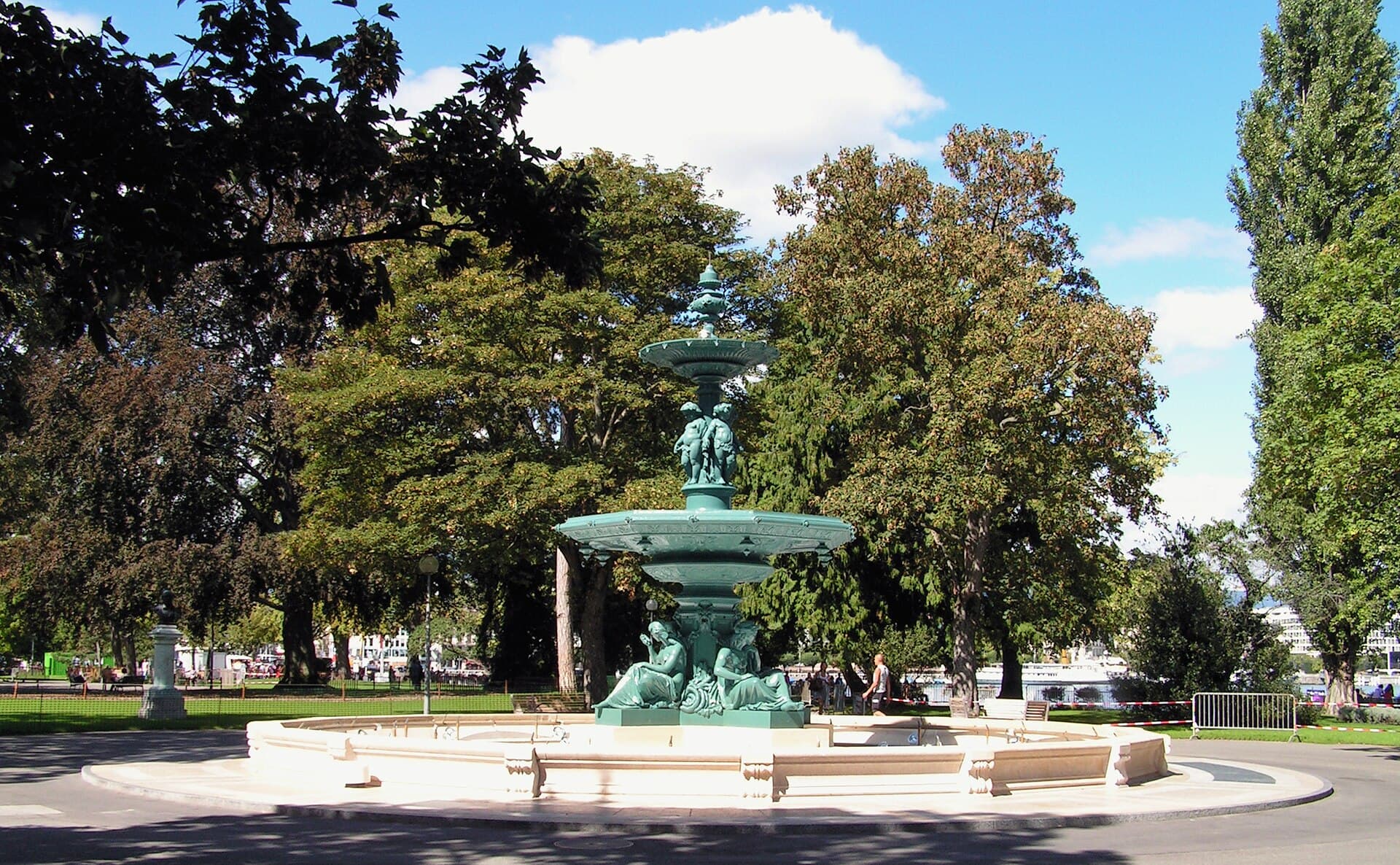 Jardin Anglais & the Flower ClockAt the Mont Blanc bridge's exit the English Garden opens its arms — Geneva's gre5 minutes walk4.6
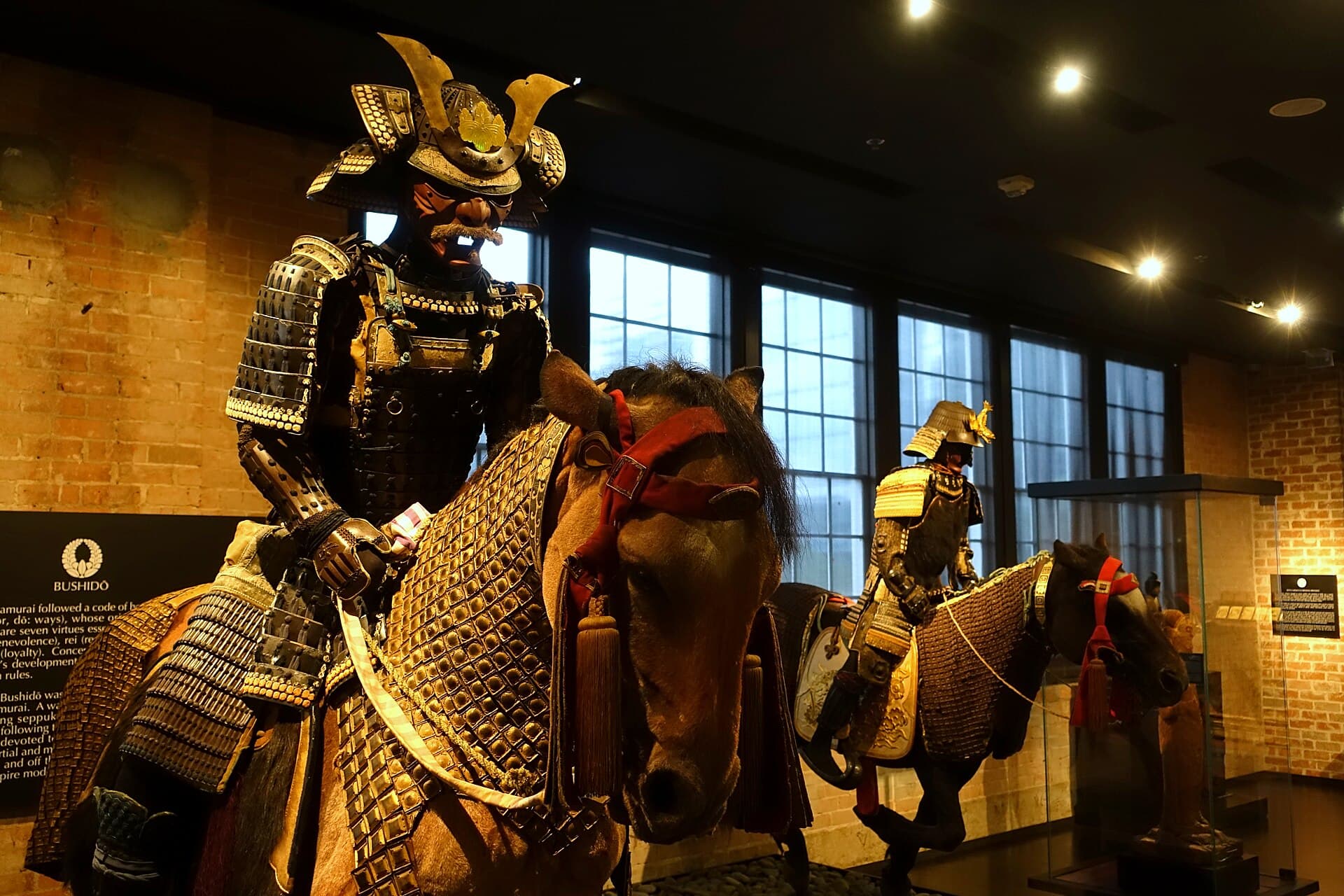 Musée Barbier-MuellerA small private museum in a sixteenth-century house in the heart of Geneva's old6 minutes walk4.4
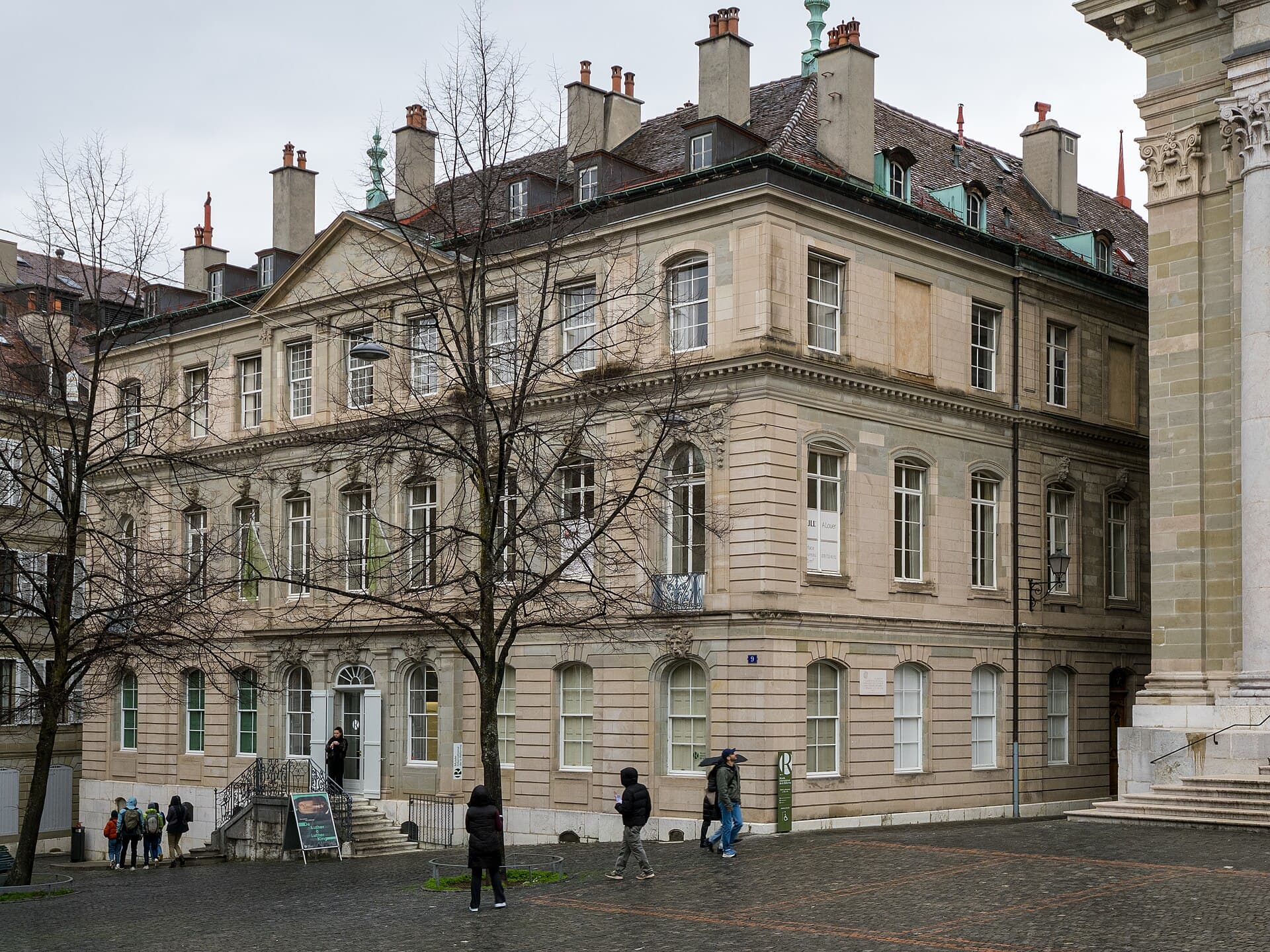 International Museum of the ReformationThe museum occupies the **Maison Mallet**, a small mansion built in 1723 by the 7 minutes walk4.6
Stop — but for five minutes, and only as part of a walk you are doing anyway. Its value is that it is the one quiet patch at a busy point in the city: you stand in the middle of the Rhône while the traffic crosses above you. If you have only twenty minutes on the waterfront, spend them on the Jardin Anglais, the flower clock and the Jet d'Eau — the scene there is wider and more famous — and pass through the island on the way.
Because the city changed its mind decades after his death. In 1762 the Genevan authorities judged *Émile* and *The Social Contract* a danger to religion and order and had them burned; Rousseau answered by renouncing his citizenship in 1763. By the nineteenth century he had become a Swiss and European glory, so Geneva put up the statue in 1835 and named the island after him. The island is therefore a late apology rather than an unbroken tribute — which is what makes standing in front of it interesting.