
The Romanian section
The country's plants arranged by region.
CristianChirita — CC BY-SA 3.0 · Joe Mabel — CC BY-SA 4.0 · Joe Mabel — CC BY-SA 4.0 · Joe Mabel — CC BY-SA 4.0
The Dimitrie Brândză Botanical Garden lies west of the centre near Cotroceni Palace and covers about seventeen hectares — the quietest large green space in Bucharest and the least crowded. It was founded in 1860 on another site and moved here in 1884; it was shelled in the Second World War, its glasshouses destroyed and later rebuilt. The layout is classical: a section of Romanian plants arranged by region, a Japanese section, a rose garden, ferns and medicinal plants. The glasshouses are what distinguish it: a large tropical and succulent collection, **but they are frequently closed for restoration or run on separate hours with an extra ticket** — check before building a visit around them. The garden itself is open and cheap, and its best season is spring when the ornamental trees flower. There is also a small botanical museum.
The country's plants arranged by region.
At its best in late spring.
Șoseaua Cotroceni 32, Bucharest
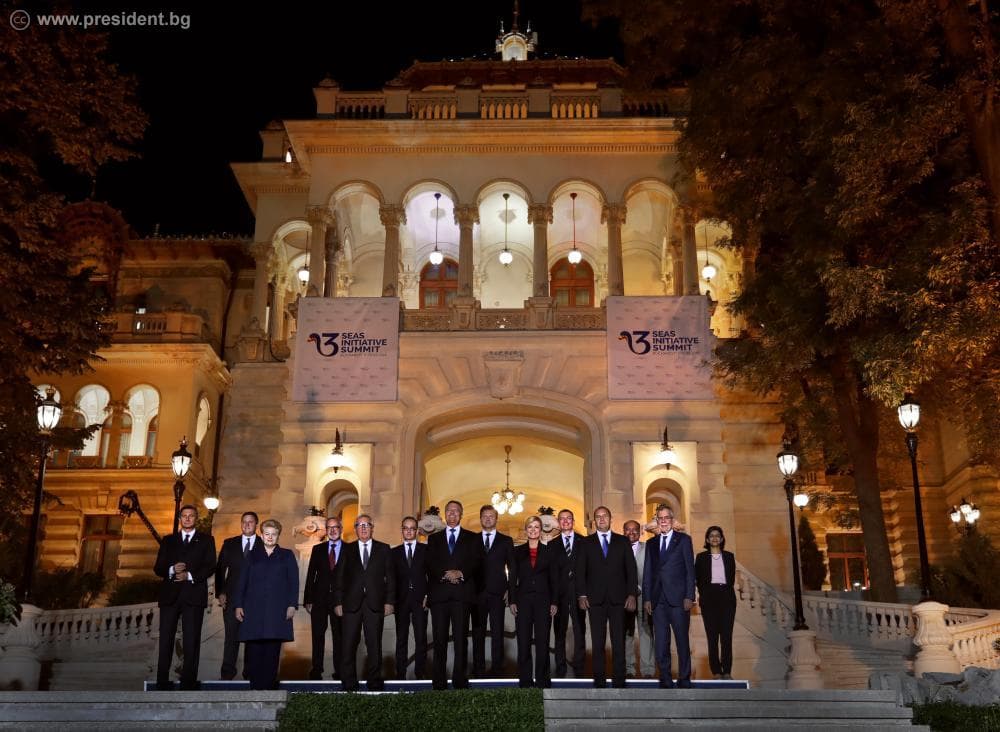 Cotroceni PalaceThe President's palace and Queen Marie's museum in one: Cotroceni began as a sev6 minutes walk4.5
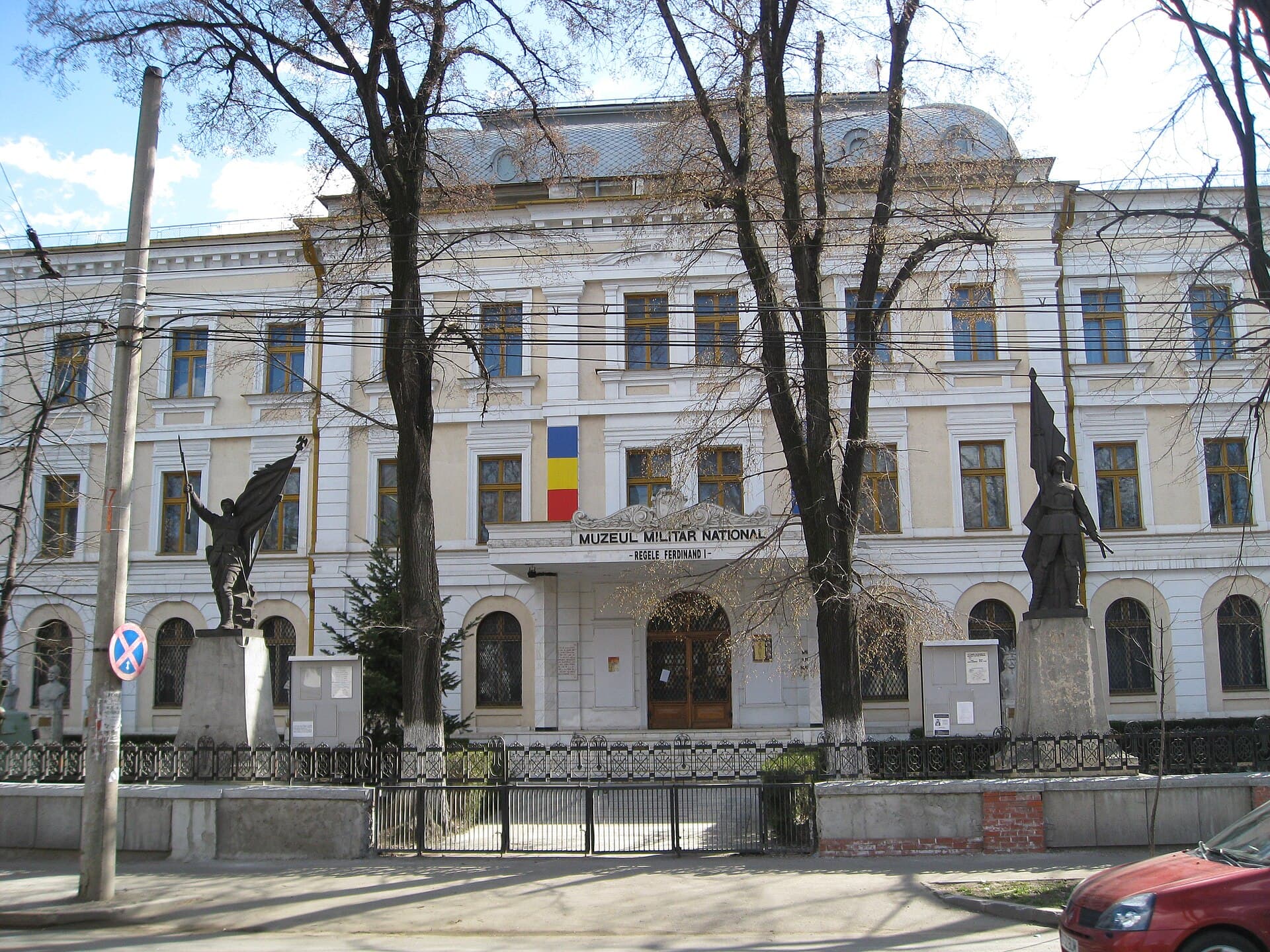 The National Military MuseumThe King Ferdinand I National Military Museum occupies former army buildings wes14 minutes walk4.6
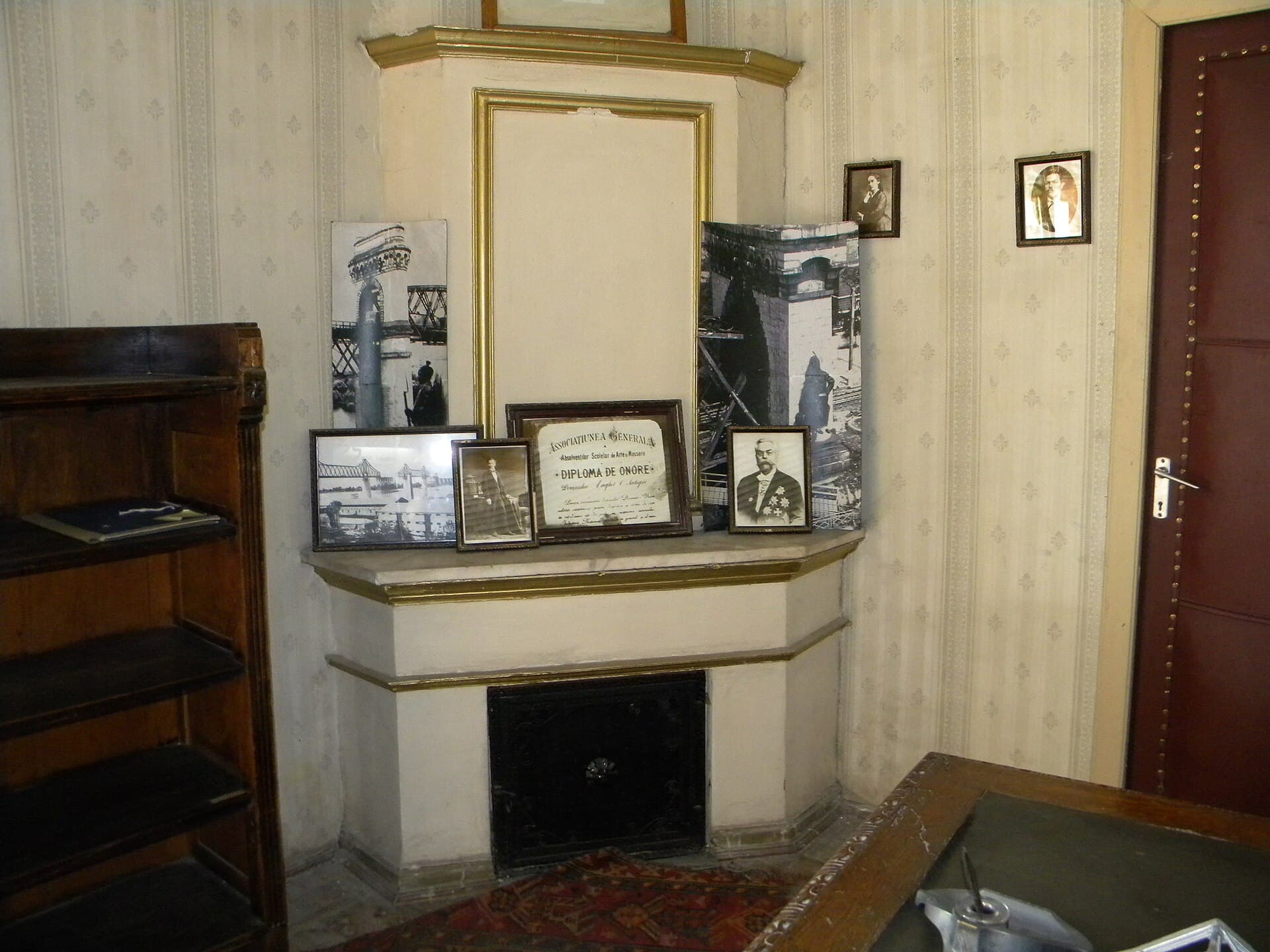 The Romanian Railway MuseumThe Romanian Railway Museum stands near the Gara de Nord, and is an old-fashione17 minutes walk4.3
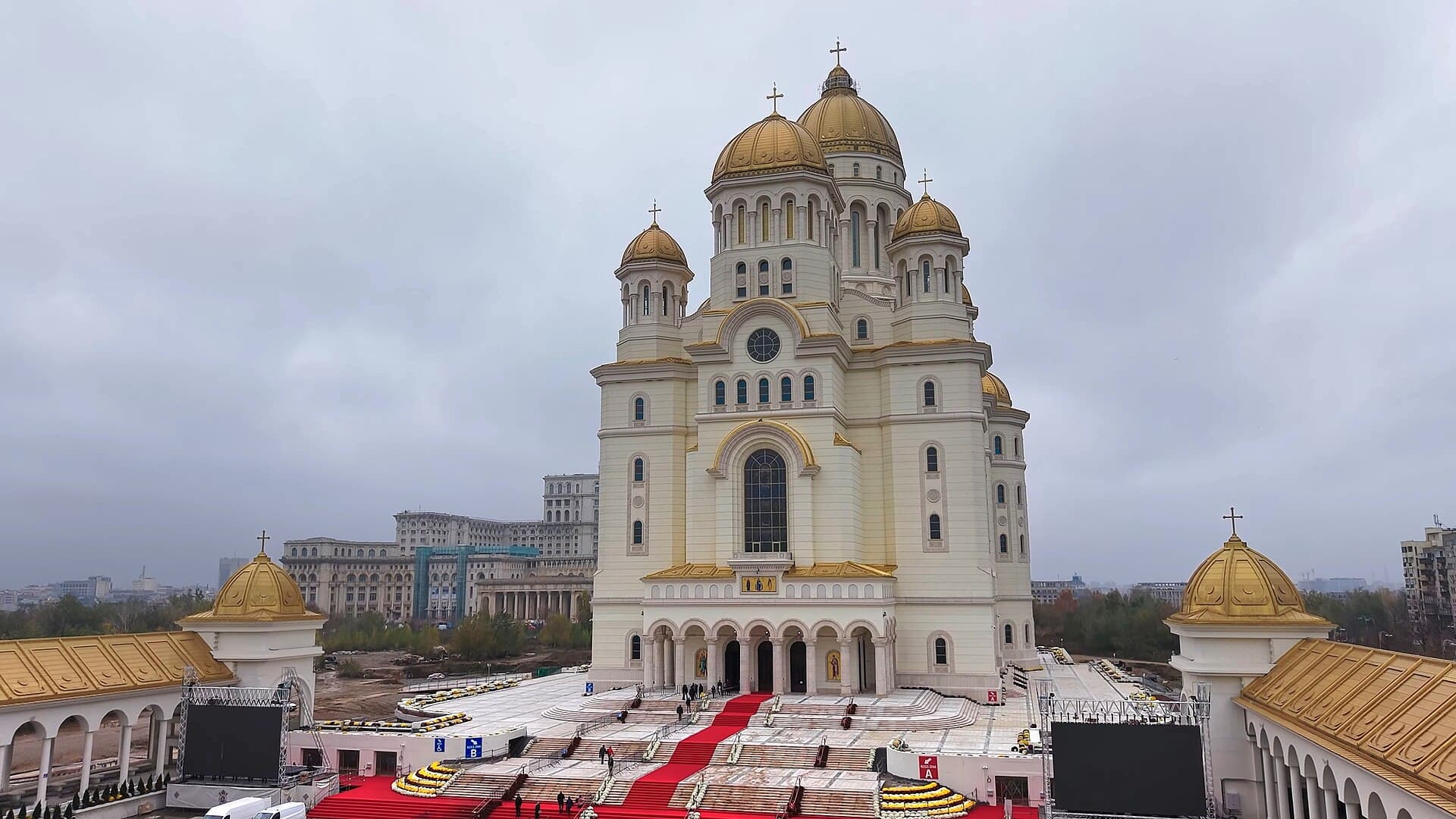 The People's Salvation CathedralThe People's Salvation Cathedral stands directly behind the Palace of the Parlia25 minutes walk3.9
The city is greener than it looks. Herăstrău — King Michael I Park — is the largest, around a lake you can take a boat on, with the Village Museum beside it. Cișmigiu is the oldest and closest to the centre, and the most beautiful in autumn. Carol I Park to the south holds the technical museum and the tomb of the unknown soldier. Tineretului is wide and well used, with playgrounds. And the botanical garden to the west is the quietest. All are free except the botanical garden.