
The scale models
Locomotives built by hand to a high standard.
Britchi Mirela — CC BY-SA 3.0 ro · Britchi Mirela — CC BY-SA 3.0 ro · Britchi Mirela — CC BY-SA 3.0 ro · Britchi Mirela — CC BY-SA 3.0 ro
The Romanian Railway Museum stands near the Gara de Nord, and is an old-fashioned museum in the good sense: a large hall full of models, machinery and explanatory boards rather than screens. The collection covers the history of the railway in Romania from the first line in 1854, and its best part is the **hand-built scale models of locomotives**, made to a high standard — some in the railway's own workshops for training, so they are working models rather than toys. Alongside them are signalling equipment, station instruments, uniforms, clocks and timetable boards. The story the museum tells is worth attention: Romania's railways were built quickly in the late nineteenth century to move grain and oil to the Danube and the Black Sea, and they shaped the country's economic geography. **Charges are low**, and hours are short with possible closures — check.
Locomotives built by hand to a high standard.
Station instruments, clocks and boards.
Near Bucharest North railway station, Bucharest
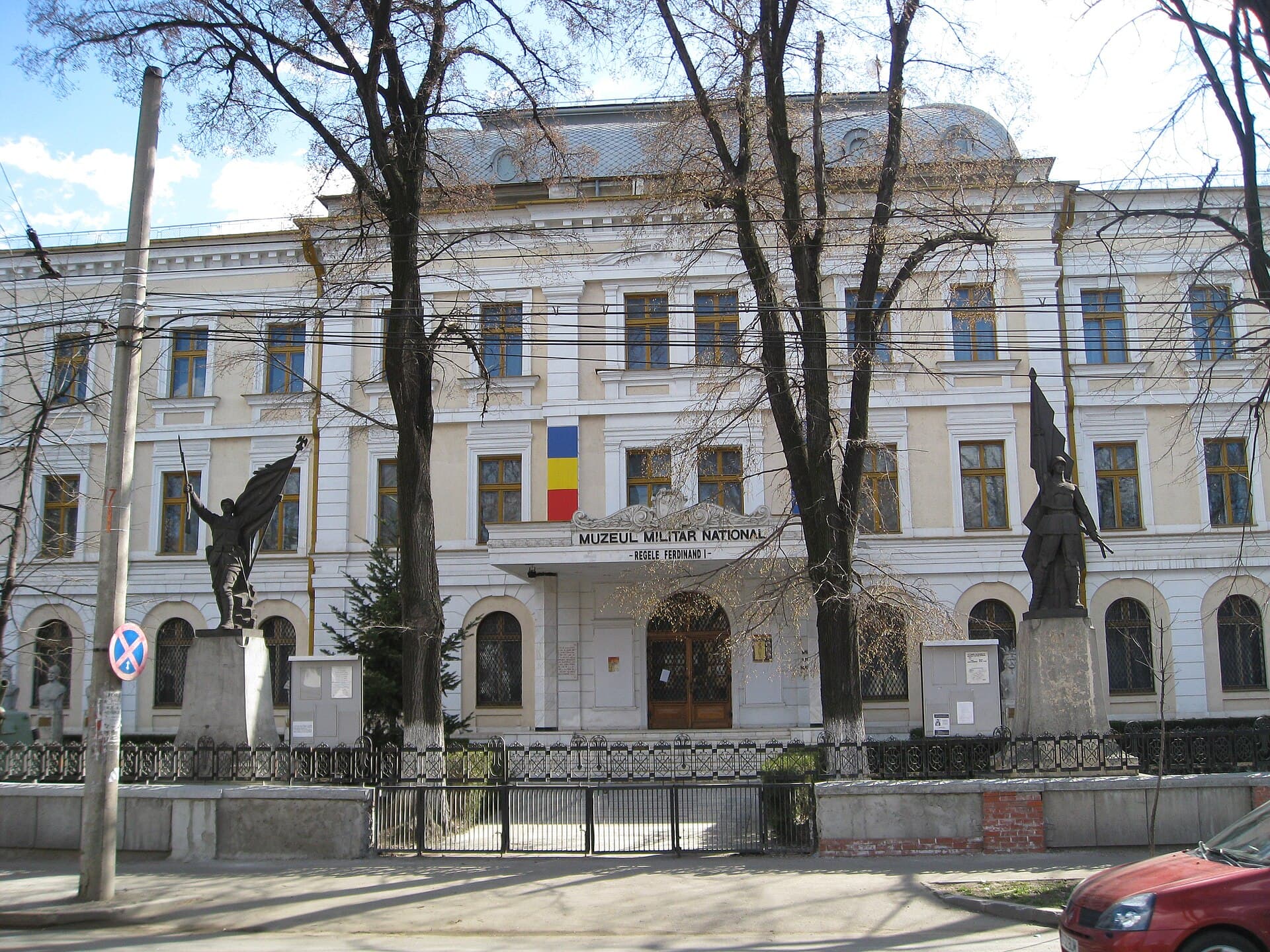 The National Military MuseumThe King Ferdinand I National Military Museum occupies former army buildings wes11 minutes walk4.6
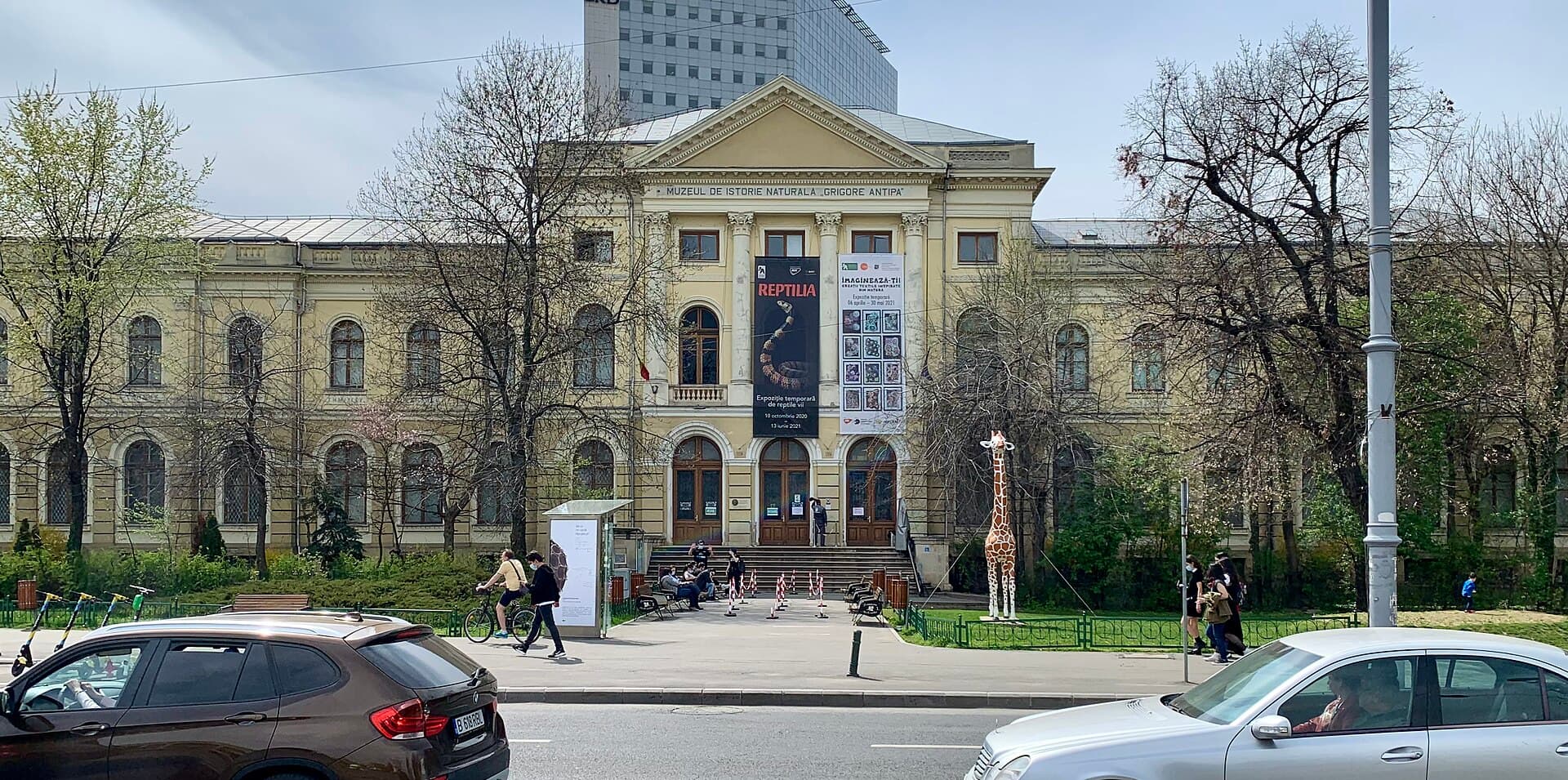 Grigore Antipa Natural History MuseumBucharest's best-loved museum for children and its most modern in display: the G13 minutes walk4.9
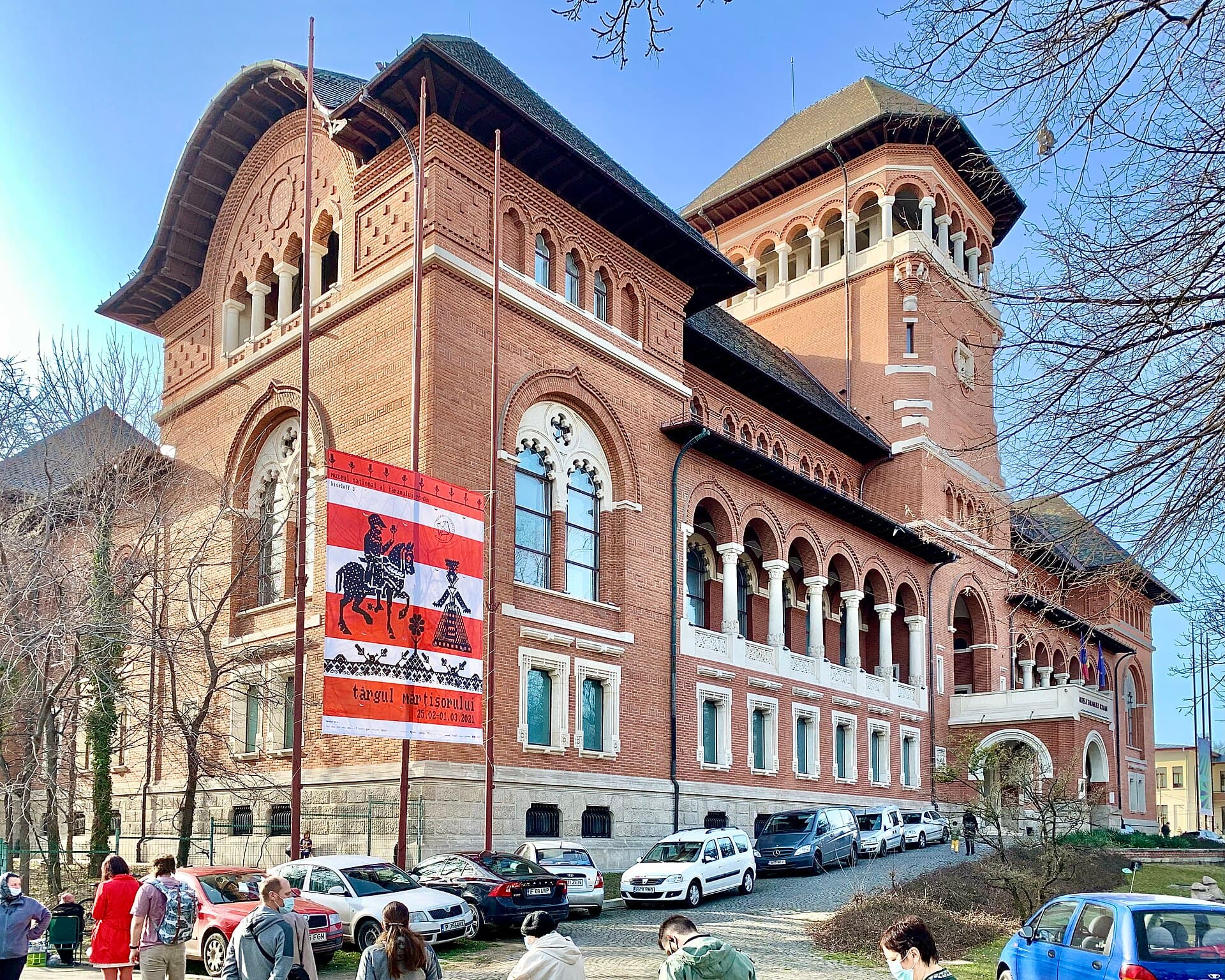 Museum of the Romanian PeasantEuropean Museum of the Year 1996 and the Bucharest museum its own people love mo13 minutes walk4.5
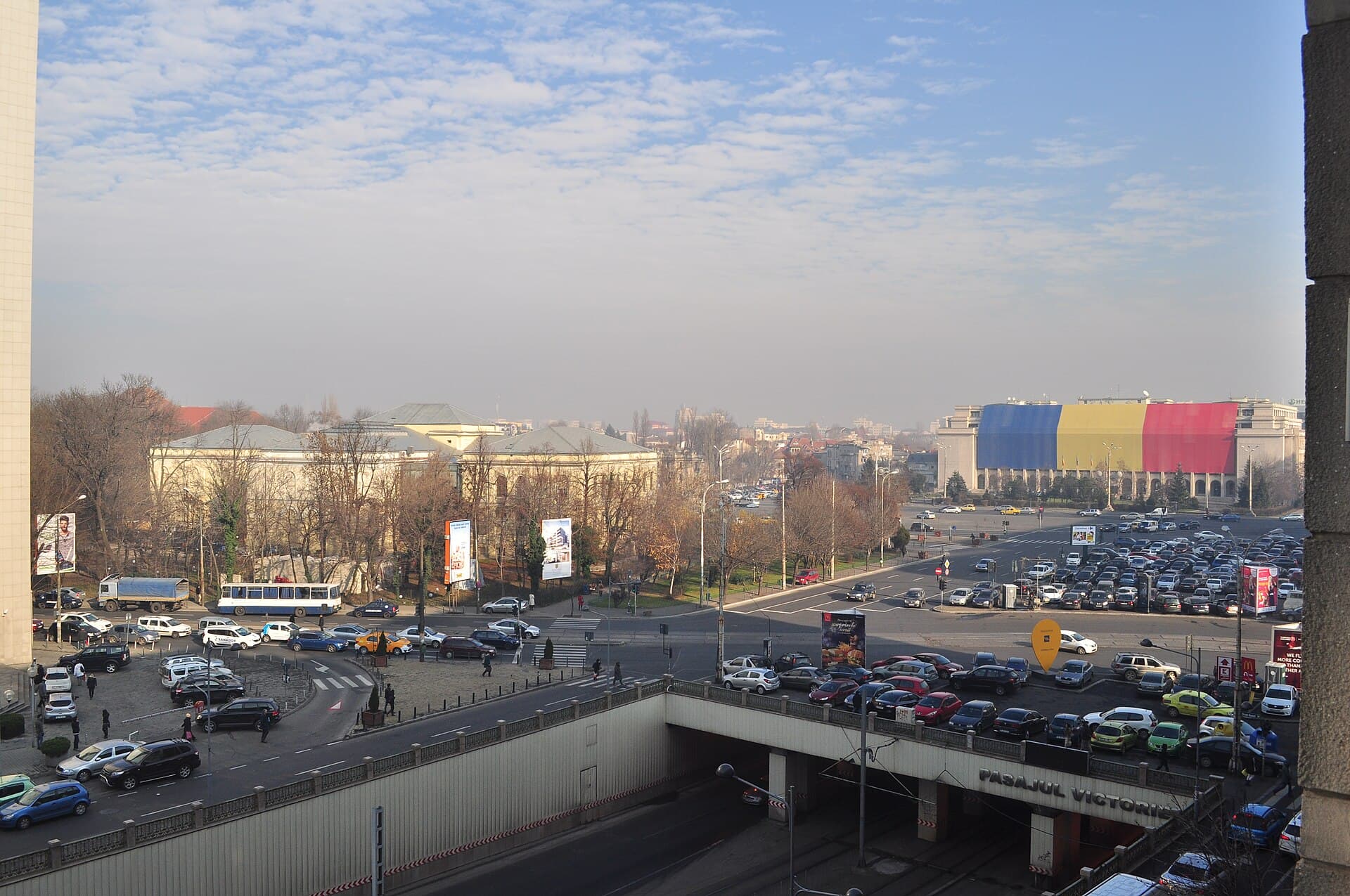 Piața VictorieiPiața Victoriei is a large junction north of central Bucharest where four main a14 minutes walk4.5
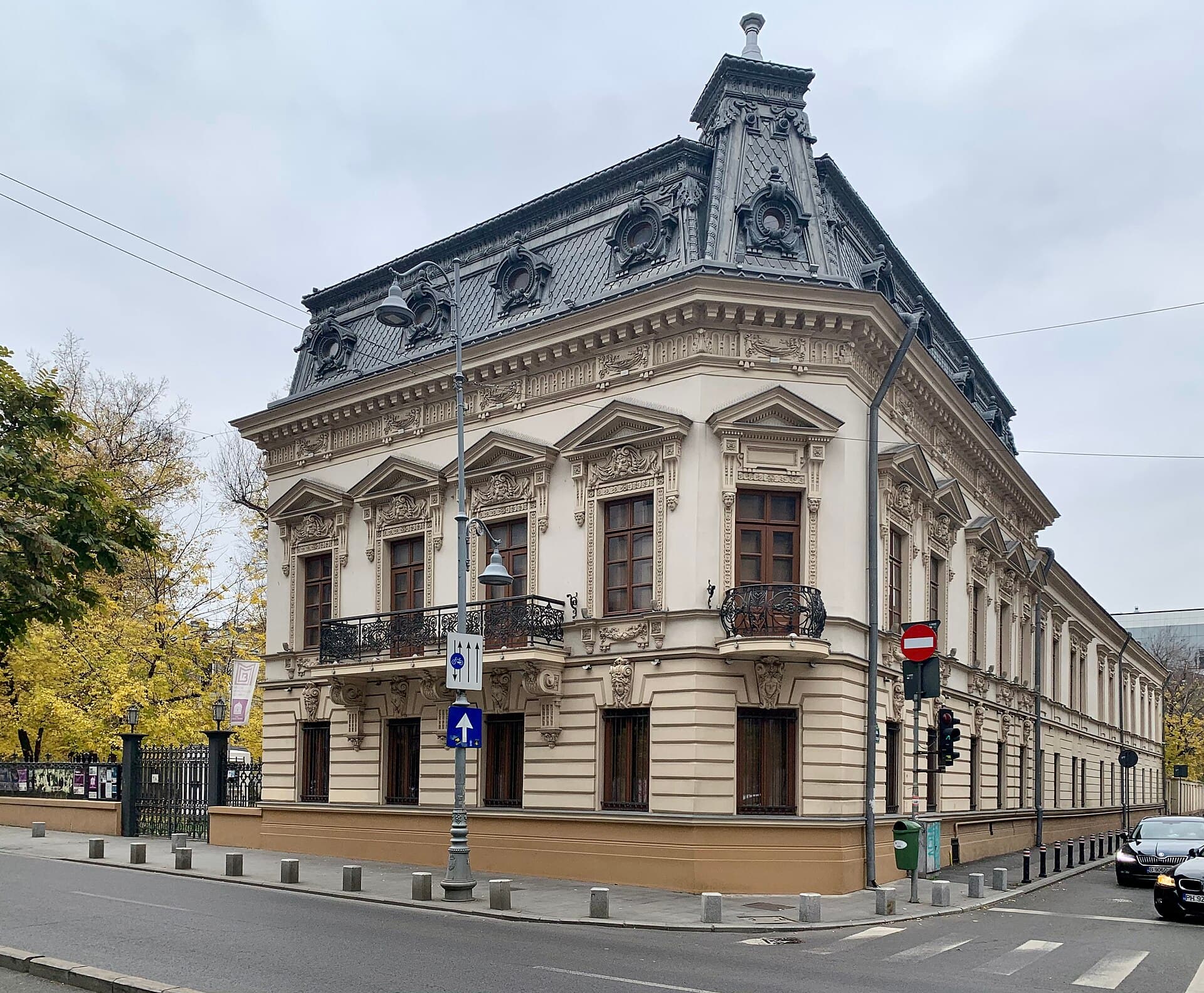 The Museum of Ages, Filipescu-Cesianu HouseA museum in a nineteenth-century town mansion on Calea Victoriei with an unusual15 minutes walk4.8
Good on the main lines and slow elsewhere. The network is extensive and reaches many towns, fares are very low by European standards, and the scenery on some routes — particularly the Prahova valley towards Brașov and the Sibiu-Sighișoara line — is part of the pleasure. But speeds are modest and delays common: Bucharest to Brașov is about three hours for a hundred and sixty kilometres. InterCity services are faster and cleaner, and it is worth reserving a seat in season. For long cross-country distances a coach or a domestic flight may genuinely be quicker.