
The outdoor yard
Vehicles and aircraft you can walk up to.
Wikimedia Commons contributor — Public domain · David Holt — CC BY-SA 3.0 · David Holt — CC BY-SA 2.0
The King Ferdinand I National Military Museum occupies former army buildings west of the centre, and is the largest of its kind in Romania. The collection runs from the Dacian and Roman period to the present, but its strongest part is the twentieth century: the two world wars, which Romania fought on both sides — with the Allies in the first, then with Germany in the second until the coup of August 1944, when the country changed front in a single day and fought its former ally. The exhibition does not hide that complexity. The outdoor yard is what children enjoy: fighter aircraft, tanks, artillery and armoured vehicles displayed in the open where you can walk up to them. Inside are weapons, uniforms, standards, vehicles and a section on the air force. **Much of the labelling is in Romanian only** — take that into account.
Vehicles and aircraft you can walk up to.
On the day the country changed sides.
Strada Mircea Vulcănescu 125-127, Bucharest
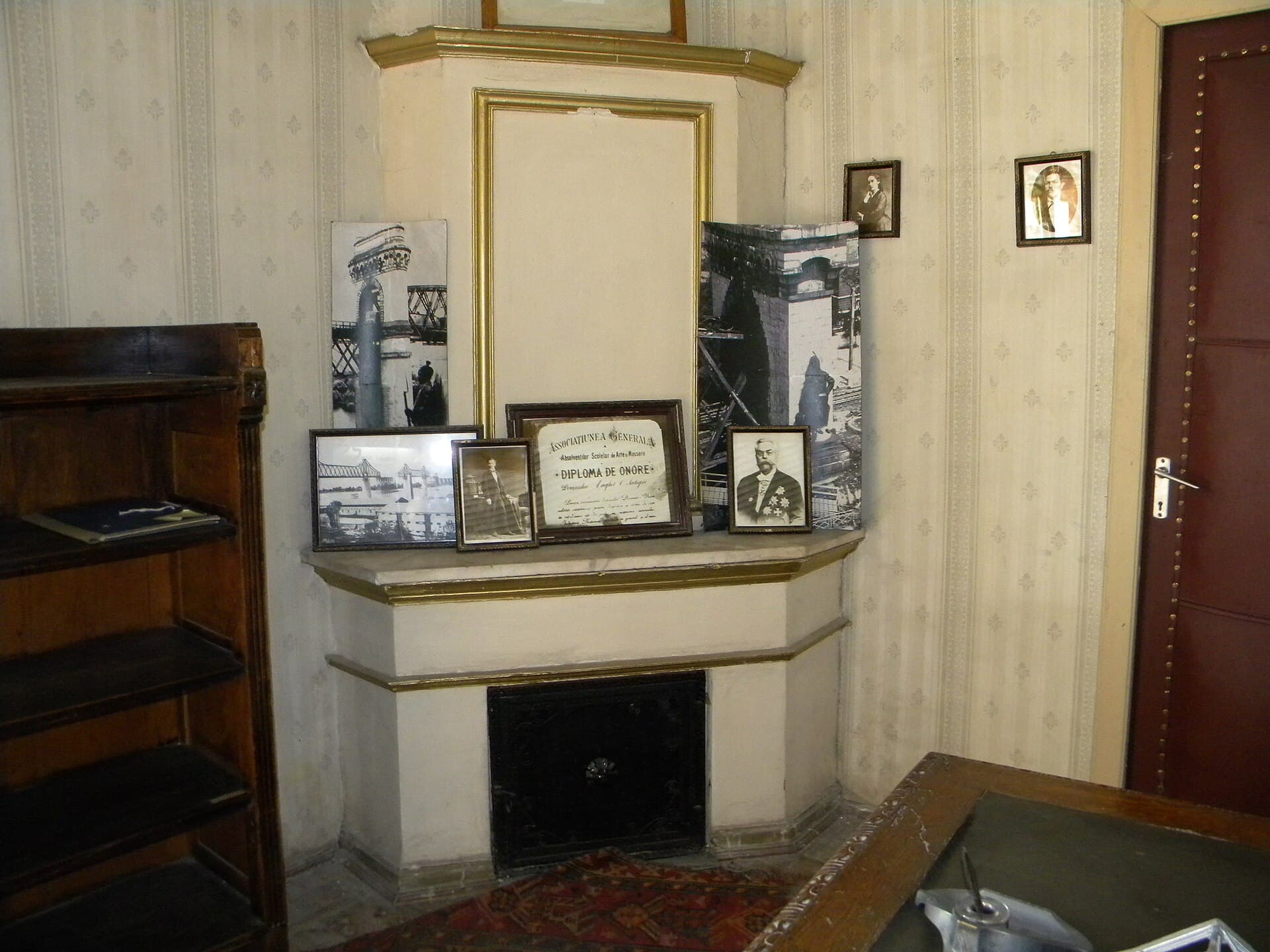 The Romanian Railway MuseumThe Romanian Railway Museum stands near the Gara de Nord, and is an old-fashione11 minutes walk4.3
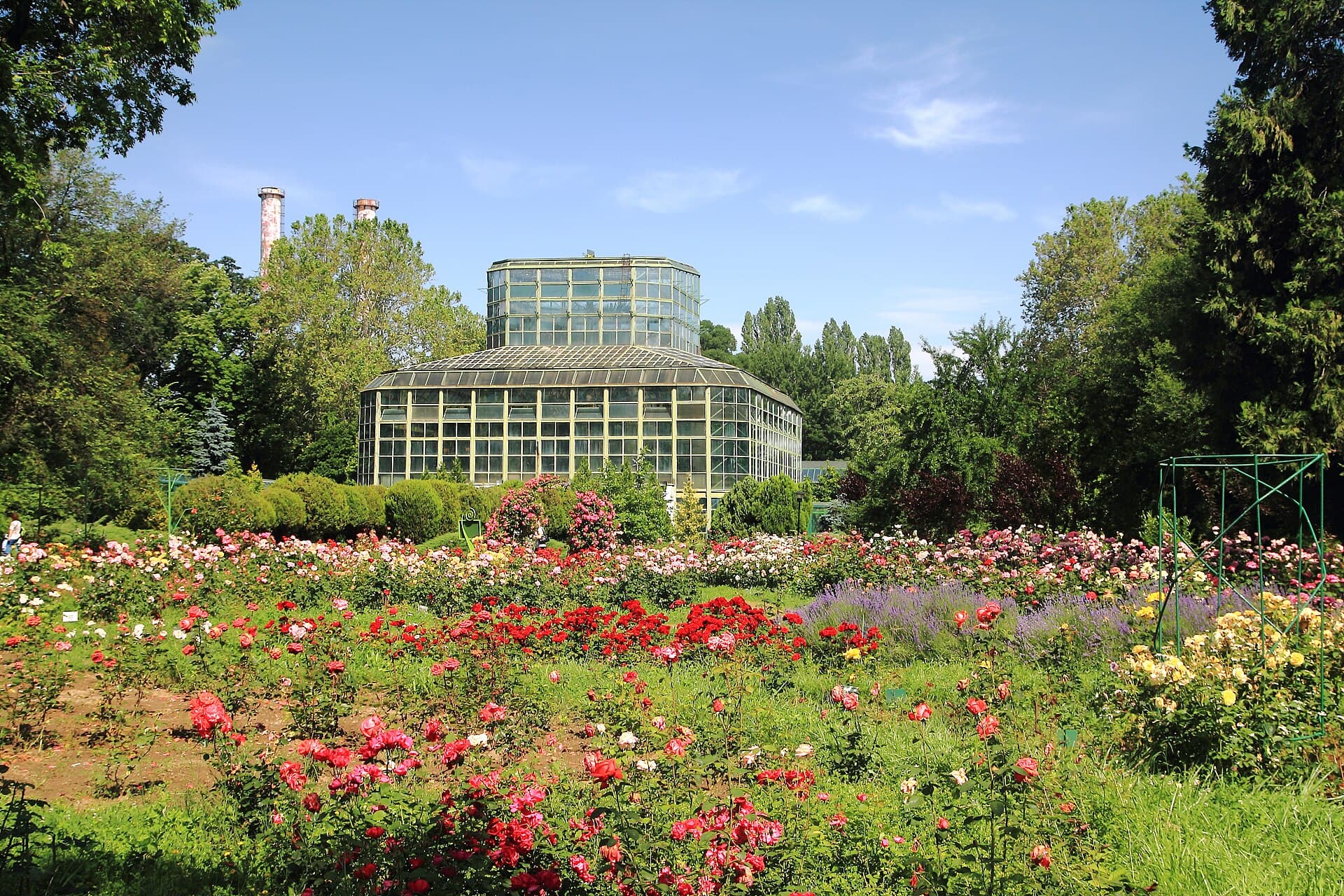 The Botanical GardenThe Dimitrie Brândză Botanical Garden lies west of the centre near Cotroceni Pal14 minutes walk4.3
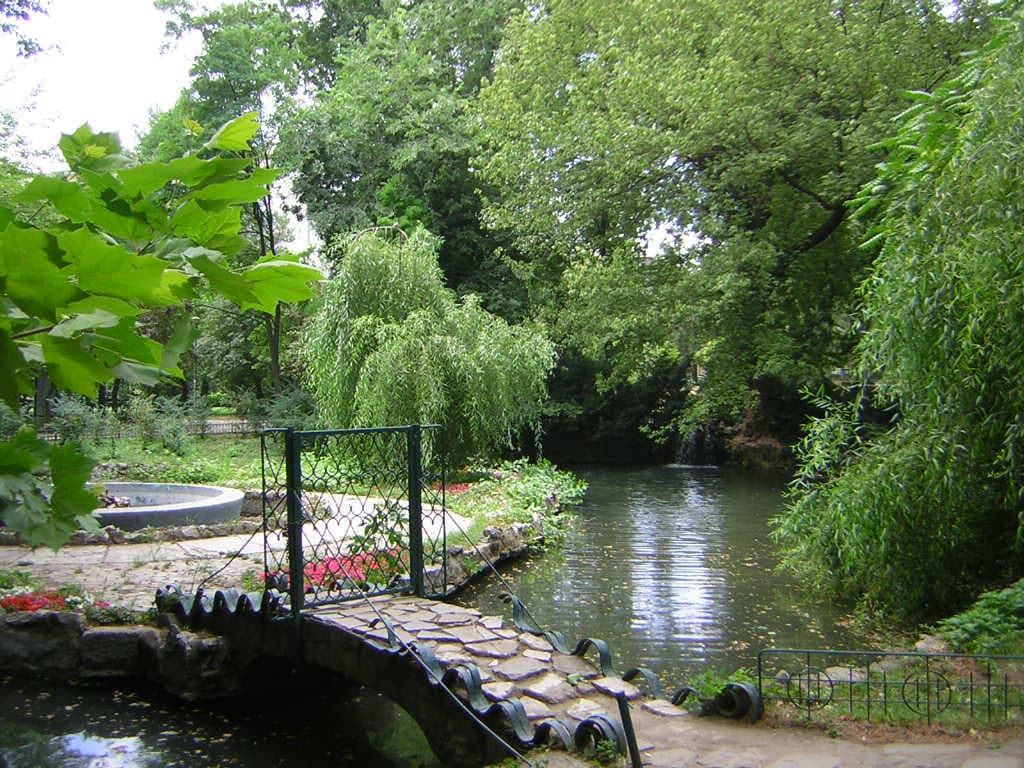 Cișmigiu GardenThe oldest public garden in Bucharest and the one with the largest presence in t16 minutes walk4.3
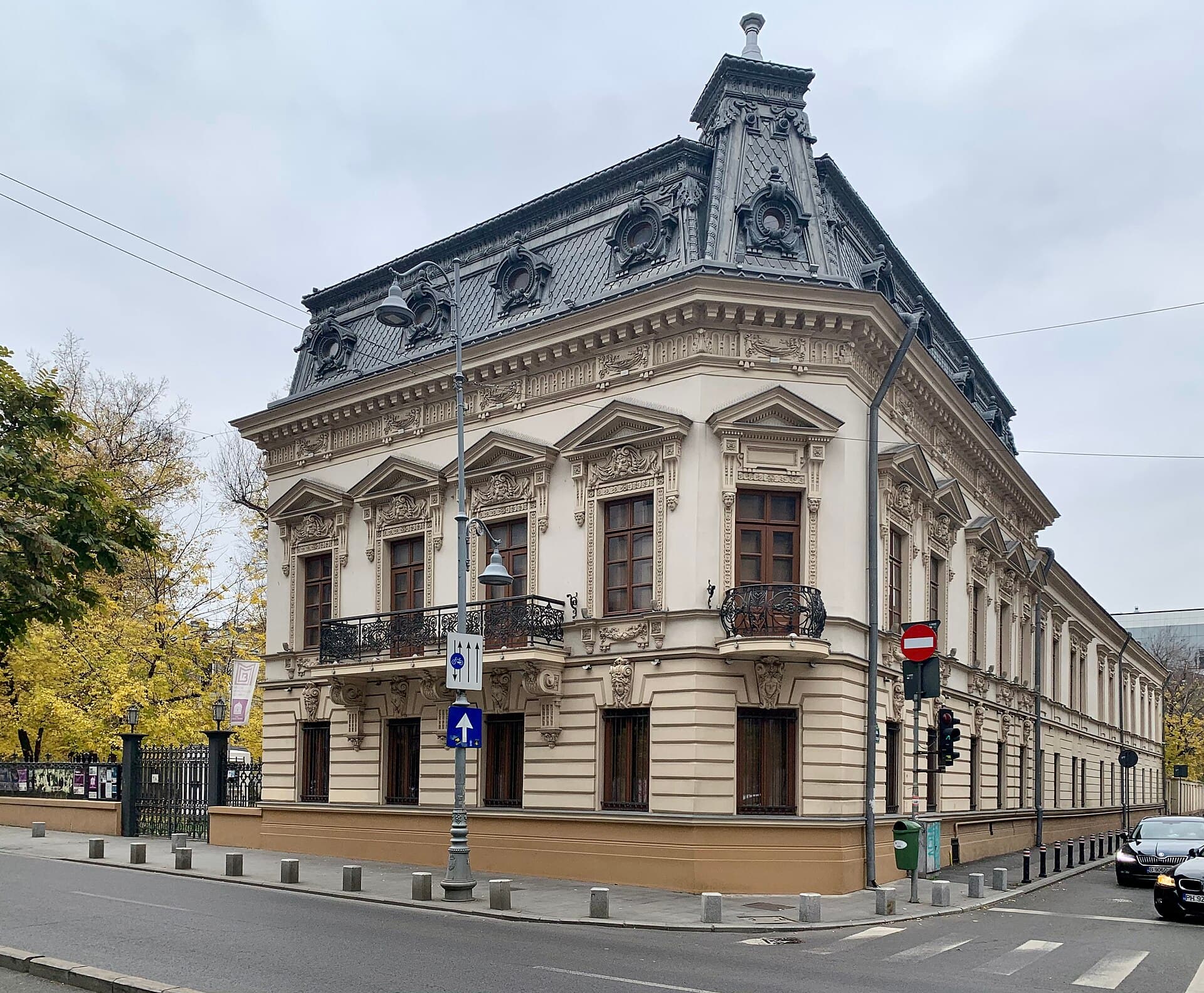 The Museum of Ages, Filipescu-Cesianu HouseA museum in a nineteenth-century town mansion on Calea Victoriei with an unusual17 minutes walk4.8
 Cotroceni PalaceThe President's palace and Queen Marie's museum in one: Cotroceni began as a sev18 minutes walk4.5
Because the calculation had completely changed. Romania entered the war alongside Germany in 1941 under Marshal Antonescu, chiefly to recover territory annexed by the Soviet Union in 1940 — and paid an enormous cost in lives at Stalingrad. By the summer of 1944 the Red Army was at the border and defeat was certain. On 23 August King Michael I arrested Antonescu in the royal palace and declared an end to the fighting and a switch to the Allies. That changed the course of the eastern front and, by many estimates, shortened the war by months — though it did not spare Romania the Soviet occupation that followed.