
The eastern terrace
An open view over the Danube, the Chain Bridge and the Pest skyline — free, and among the best in the city.
Jakub Hałun — CC BY-SA 4.0 · Sjaak Kempe from Groningen, The Netherlands — CC BY 2.0 · |author=Rácz Erzsébet (1919-2012), Copyright holder: Elekes Andor — CC BY 4.0 · |author=Rácz Erzsébet (1919-2012), Copyright holder: Elekes Andor — CC BY 4.0
Buda Castle is the Hungarian royal palace, destroyed and rebuilt more often than almost any building in Europe. It began as a fortress in the 13th century after the Mongol invasion, became a celebrated Renaissance palace under King Matthias in the 15th, was wrecked in turn by Ottomans and Austrians, was rebuilt as a Baroque residence, was then almost levelled in the siege of Budapest in 1945, and was rebuilt once more under communism with a plainer profile than the original. What stands today is a vast green-domed building occupying the southern end of Castle Hill, holding three institutions: the Hungarian National Gallery in the central wings, the Budapest History Museum in the southern wing, and the Széchényi National Library. Extensive restoration work is gradually returning parts lost in 1945. What matters most to a visitor is that the courtyards, terraces and gardens are entirely free and open at any hour, and the view from the eastern terrace over the Danube, the Chain Bridge and Pest is among the finest in Budapest. Pay only if you want to go into the museums.
An open view over the Danube, the Chain Bridge and the Pest skyline — free, and among the best in the city.
A bronze group showing the king on a hunt, set against the palace's western wall — the best-known fountain in Hungary.
A huge mythological eagle at the gate, gripping a sword — a symbol from Hungary's pre-Christian founding legends.
Inside the palace: the country's most important art collection, with a dome that opens onto a further view from above, ticketed.
Szent György tér 2, Castle District, Buda 1014
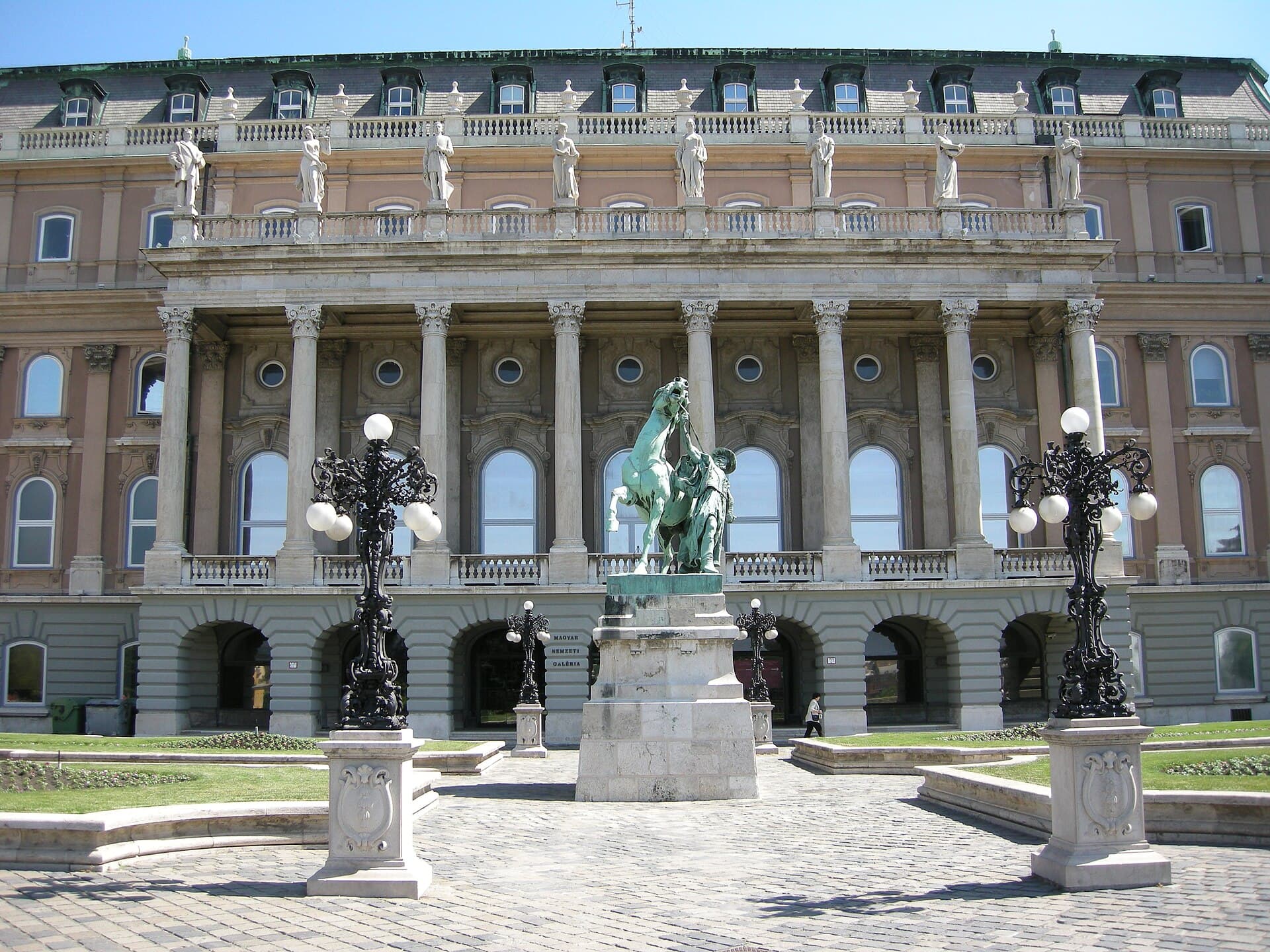 Hungarian National GalleryThe Hungarian National Gallery occupies the central wings of Buda Castle, and it1 minute walk4.8
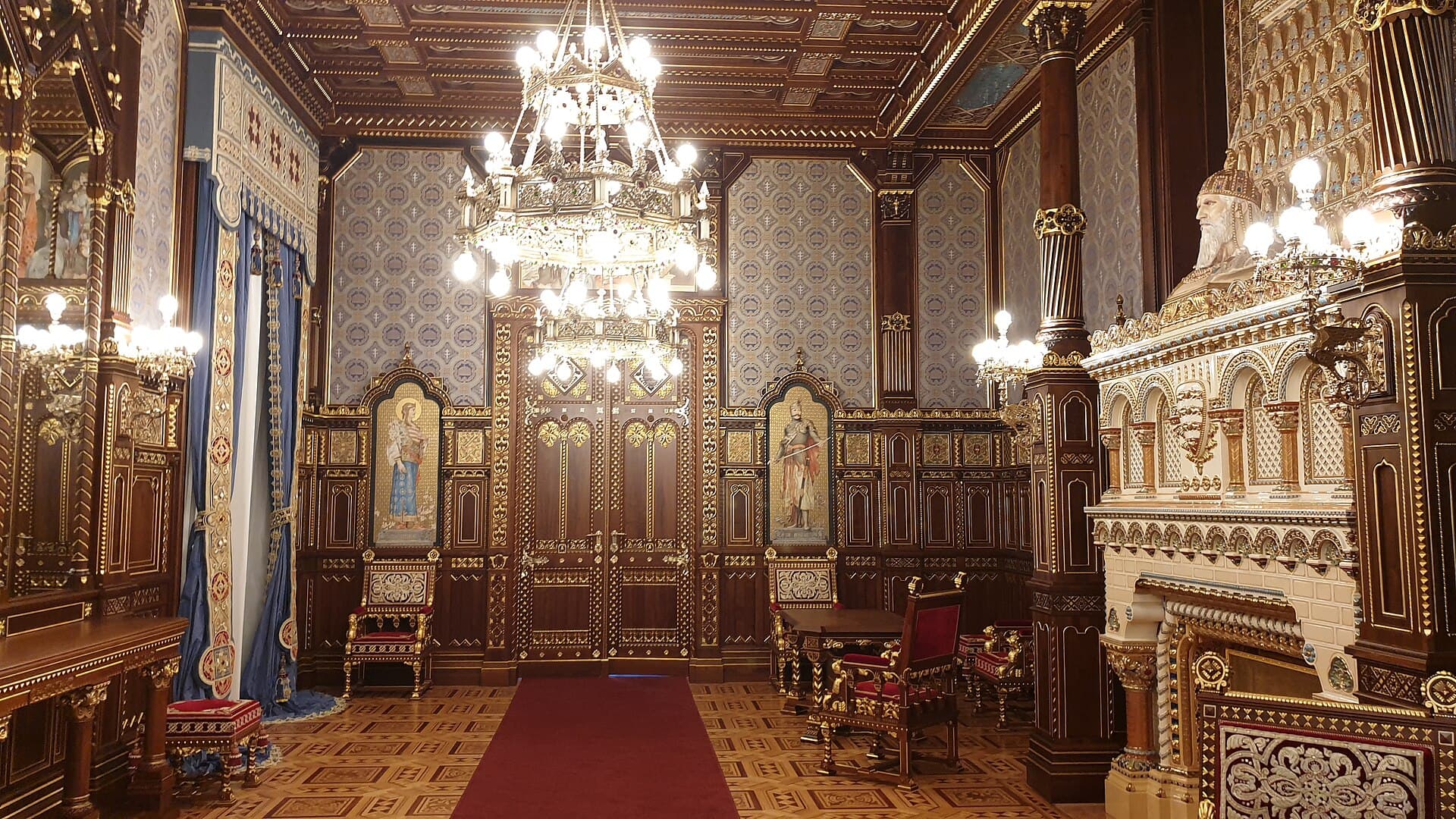 St Stephen's HallA ceremonial hall in the Royal Palace of Buda, entirely rebuilt and opened in 201 minute walk4.5
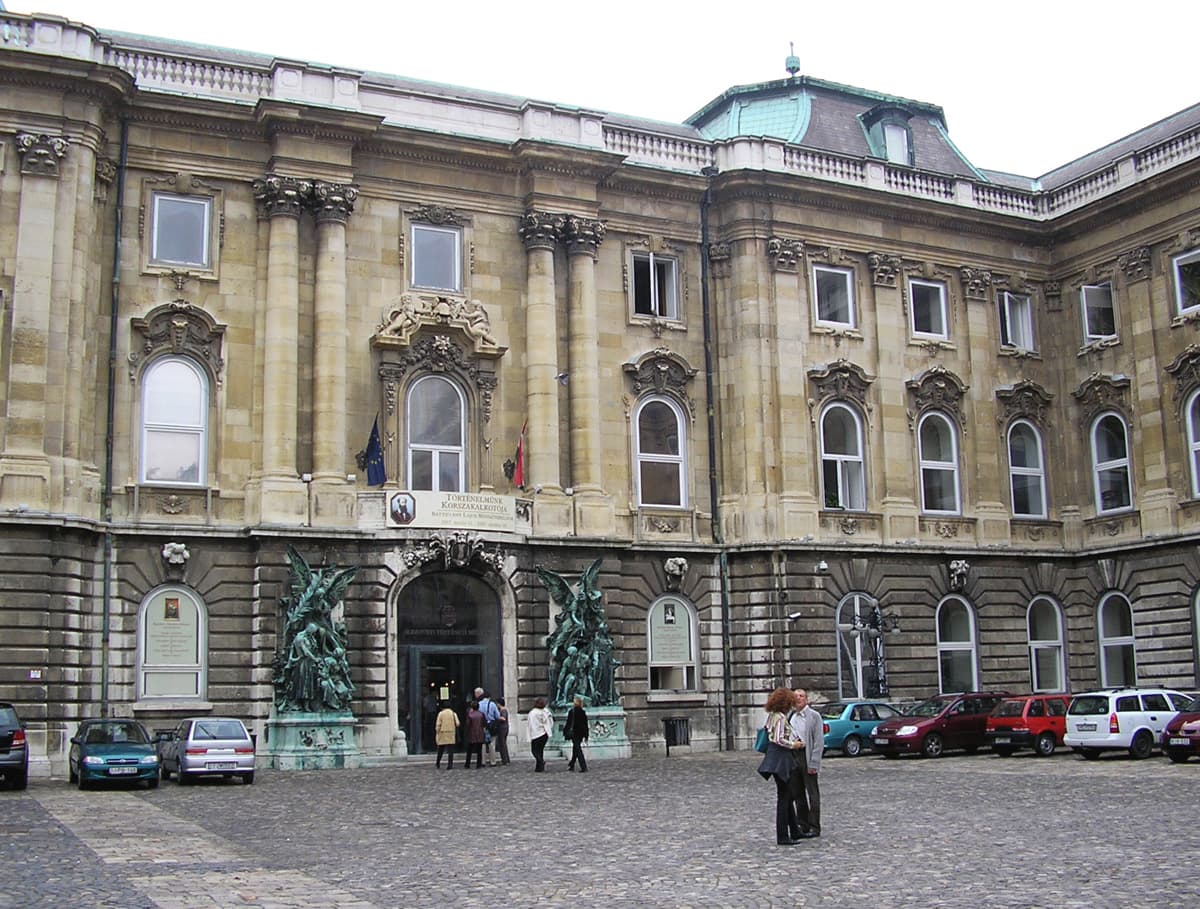 Budapest History MuseumThe Budapest History Museum occupies the southern wing of Buda Castle, and it is1 minute walk4.3
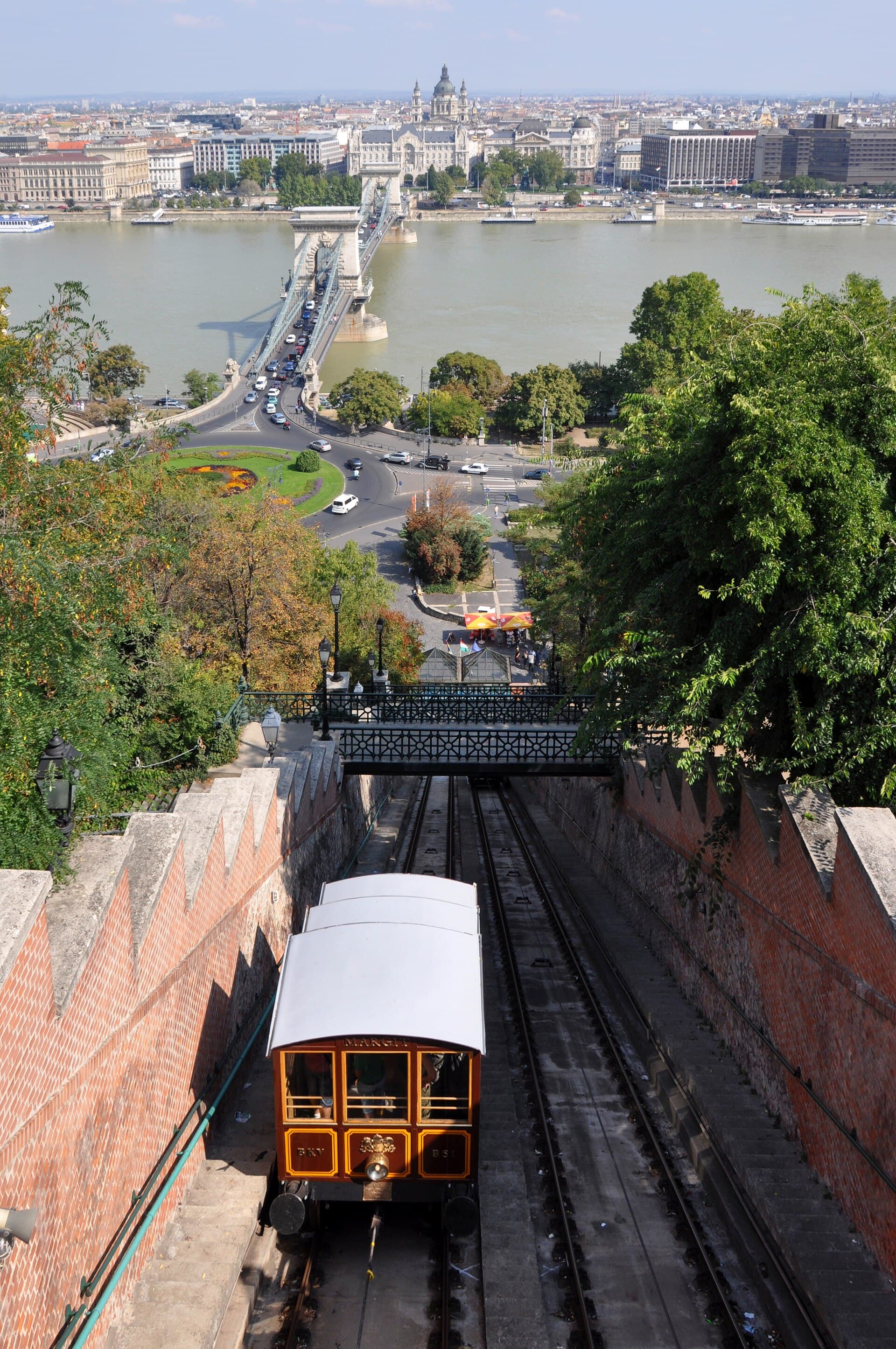 Budapest Castle Hill FunicularThe Castle Hill funicular is a very short line — about a hundred metres — climbi2 minutes walk3.9
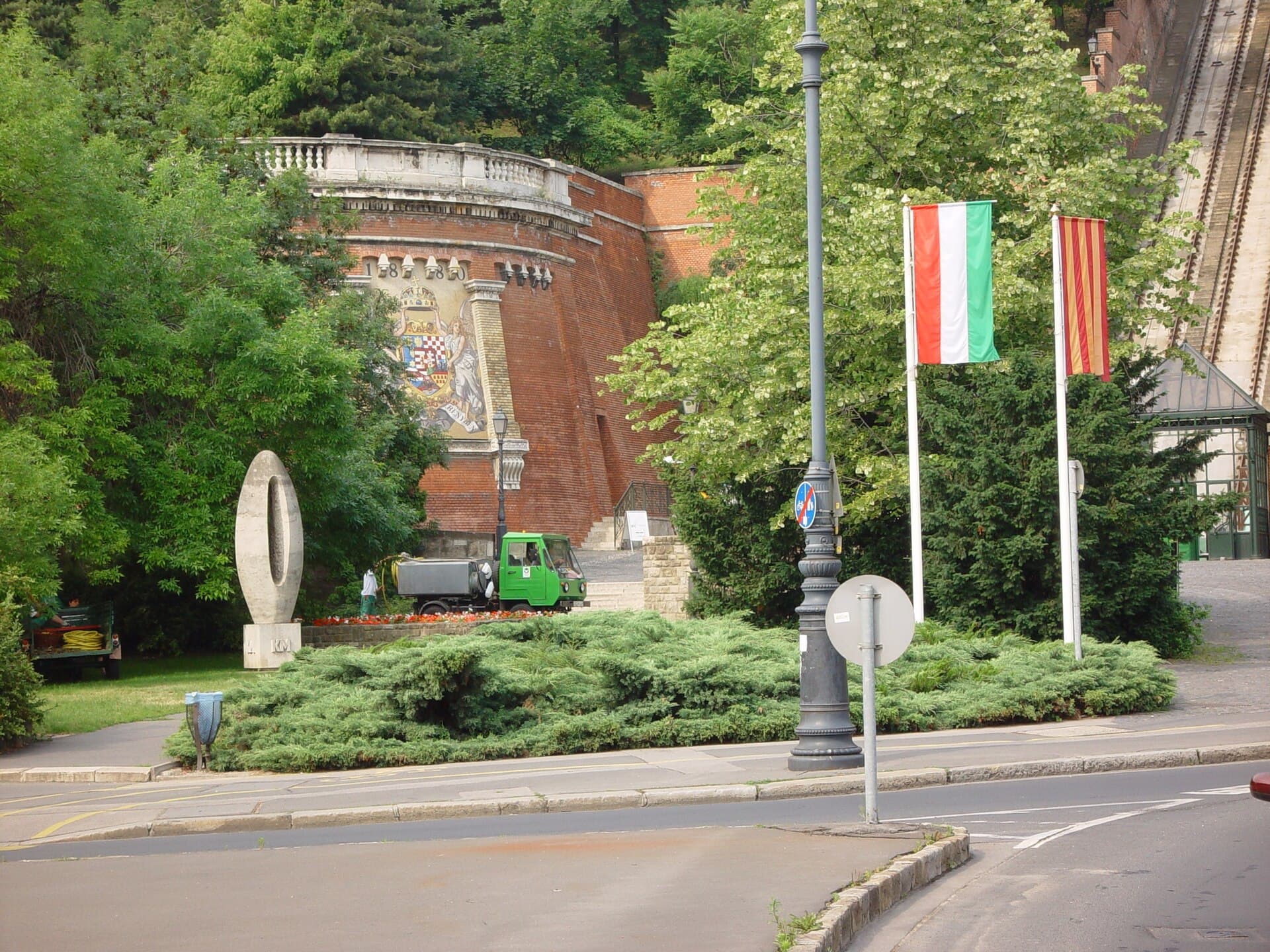 Zero Kilometre StoneThe Zero Kilometre Stone is a three-metre block carved as the numeral zero, stan3 minutes walk4.5
On a two-day trip, the outside is enough: the courtyards and terraces are free and give you the best of the place. The National Gallery earns two hours if Hungarian art specifically interests you — it is little known outside Hungary and you will not see it elsewhere.
The castle is the large green-domed building at the southern end of the hill. The Castle District is the whole historic quarter on the same hill to its north, holding Matthias Church, the Fisherman's Bastion and the Baroque streets. Most visitors actually come for the district rather than the palace.
Not necessarily. The funicular and bus 16 both take you straight to the top, after which the hill is nearly level and easy to walk. The tiring route is the stairway on foot from river level, and it is entirely optional.
A comfortable half day: the palace and its terraces, then north to Matthias Church and the Fisherman's Bastion, then St Mary Magdalene and the Vienna Gate. Add an hour if you go into the Hospital in the Rock or the castle labyrinth.