
The view on the way up
The Danube, the Chain Bridge and the Pest skyline widening beneath you through large windows — two minutes worth a window seat.
Marc Ryckaert (MJJR) — CC BY 3.0 · Jakub Hałun — CC BY-SA 4.0 · Jakub Hałun — CC BY-SA 4.0 · Jorge Franganillo — CC BY 2.0
The Castle Hill funicular is a very short line — about a hundred metres — climbing from Clark Ádám tér at the Chain Bridge end to the gate of Buda Castle in under two minutes. But it is among the oldest funiculars in the world: it opened in 1870, just two years after Europe's first, in Lyon. It was built on the initiative of Count Széchenyi's son, to spare clerks the daily stair climb to the castle offices. Its original wooden cars were destroyed in the siege of Budapest in 1945, and the line lay out of use for forty years until it was rebuilt in 1986 with exact replicas of the originals. The cars are divided into three stepped compartments following the gradient, with large windows — so the whole way up you are looking at the Danube, the Chain Bridge and the Pest skyline opening out beneath you. The practical truth: the ticket is expensive for a two-minute ride, and bus 16 from Deák tér takes you to the top on an ordinary transport ticket. Take the funicular if the experience itself is the point, or if you are with children or older travellers — not as economical transport.
The Danube, the Chain Bridge and the Pest skyline widening beneath you through large windows — two minutes worth a window seat.
Exact replicas of the 1870 originals, in three stepped compartments following the gradient.
The lower station at the Chain Bridge end, holding the Zero Kilometre Stone and the mouth of the Buda Castle tunnel.
It arrives directly at the castle gate and its eastern terrace — no further walking on arrival.
Clark Ádám tér, at the Chain Bridge end, Buda 1013
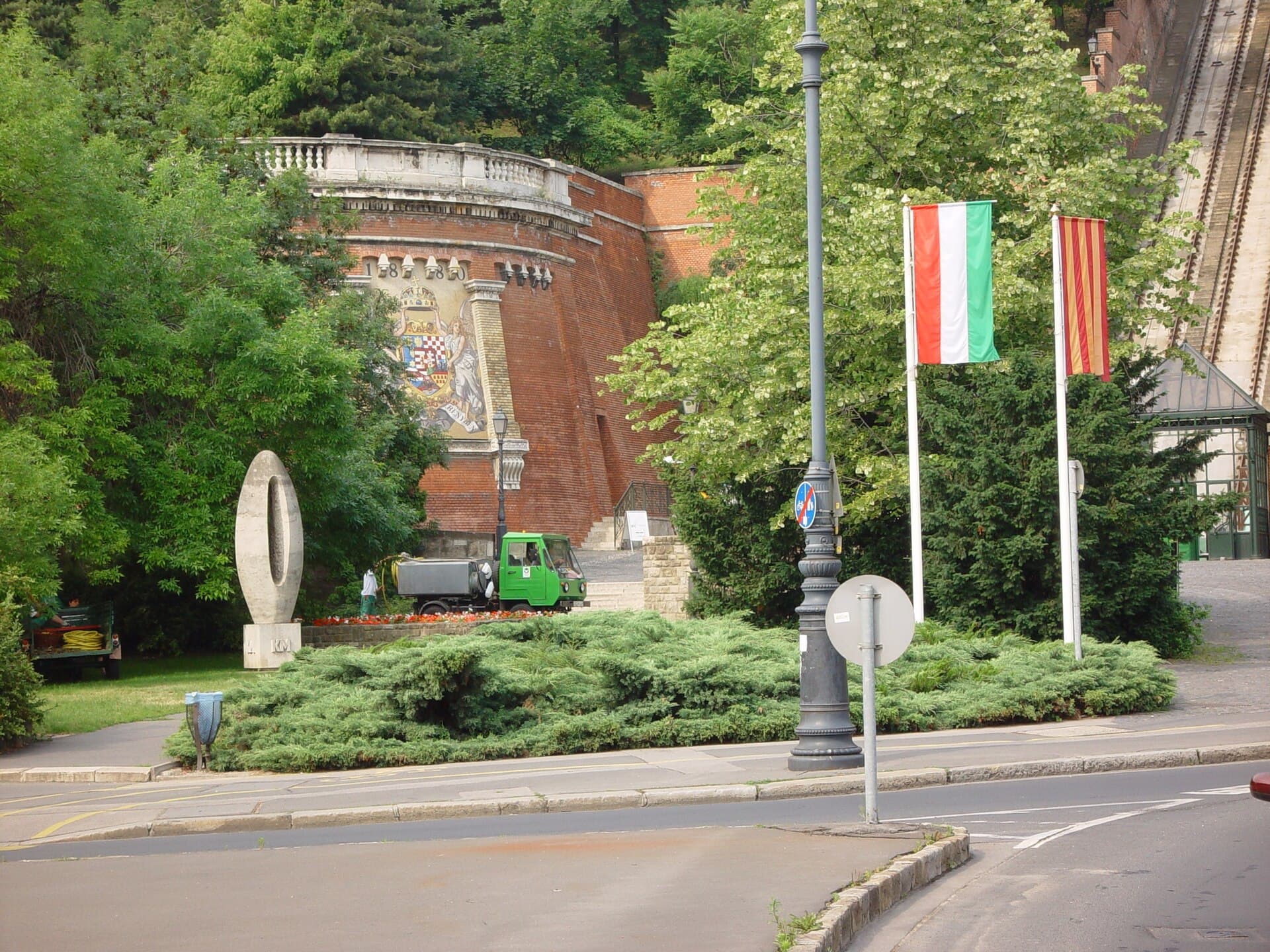 Zero Kilometre StoneThe Zero Kilometre Stone is a three-metre block carved as the numeral zero, stan1 minute walk4.5
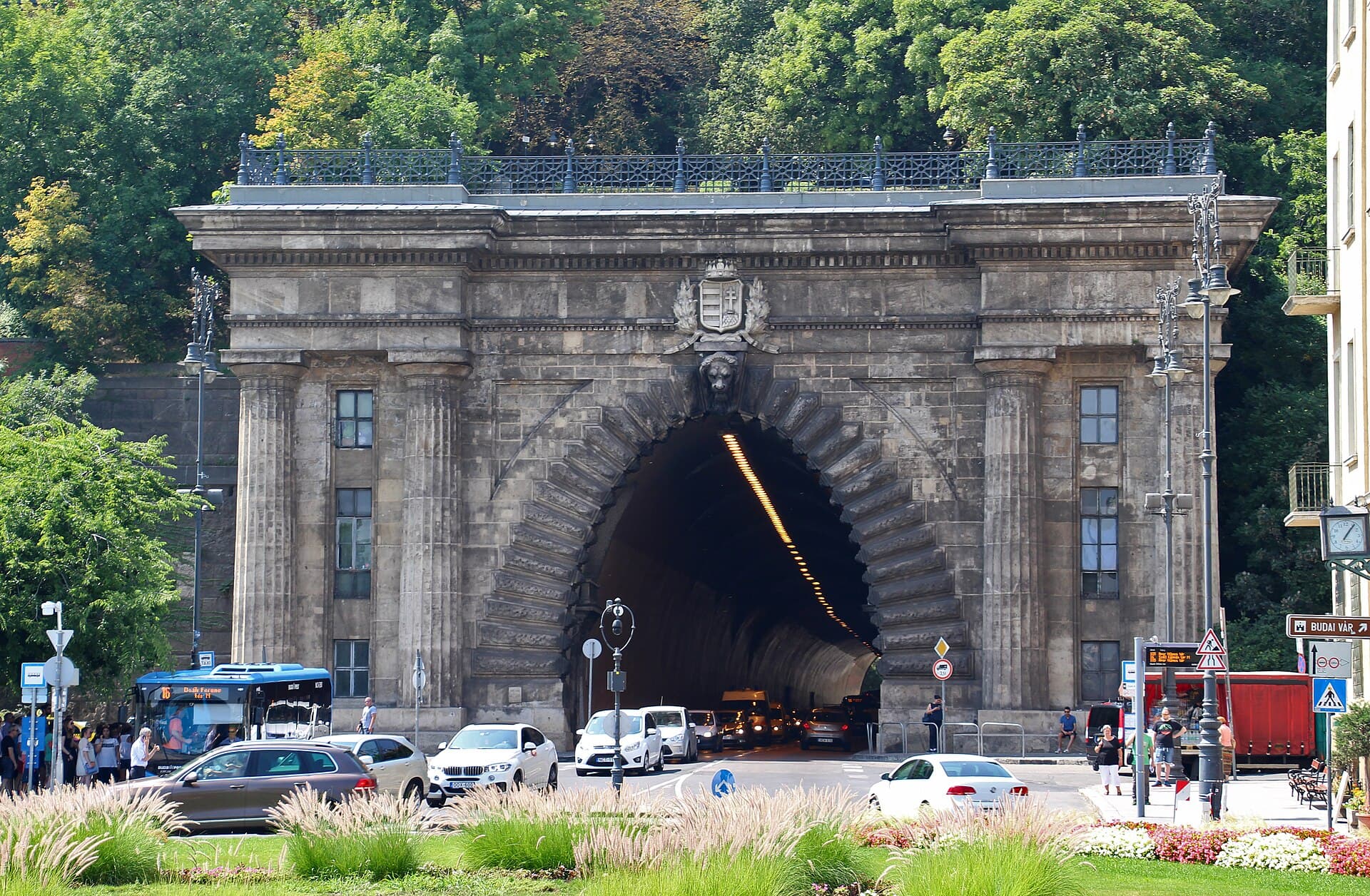 Buda Castle TunnelThe Buda Castle Tunnel runs through Castle Hill from Clark Ádám tér at the Chain2 minutes walk4.5
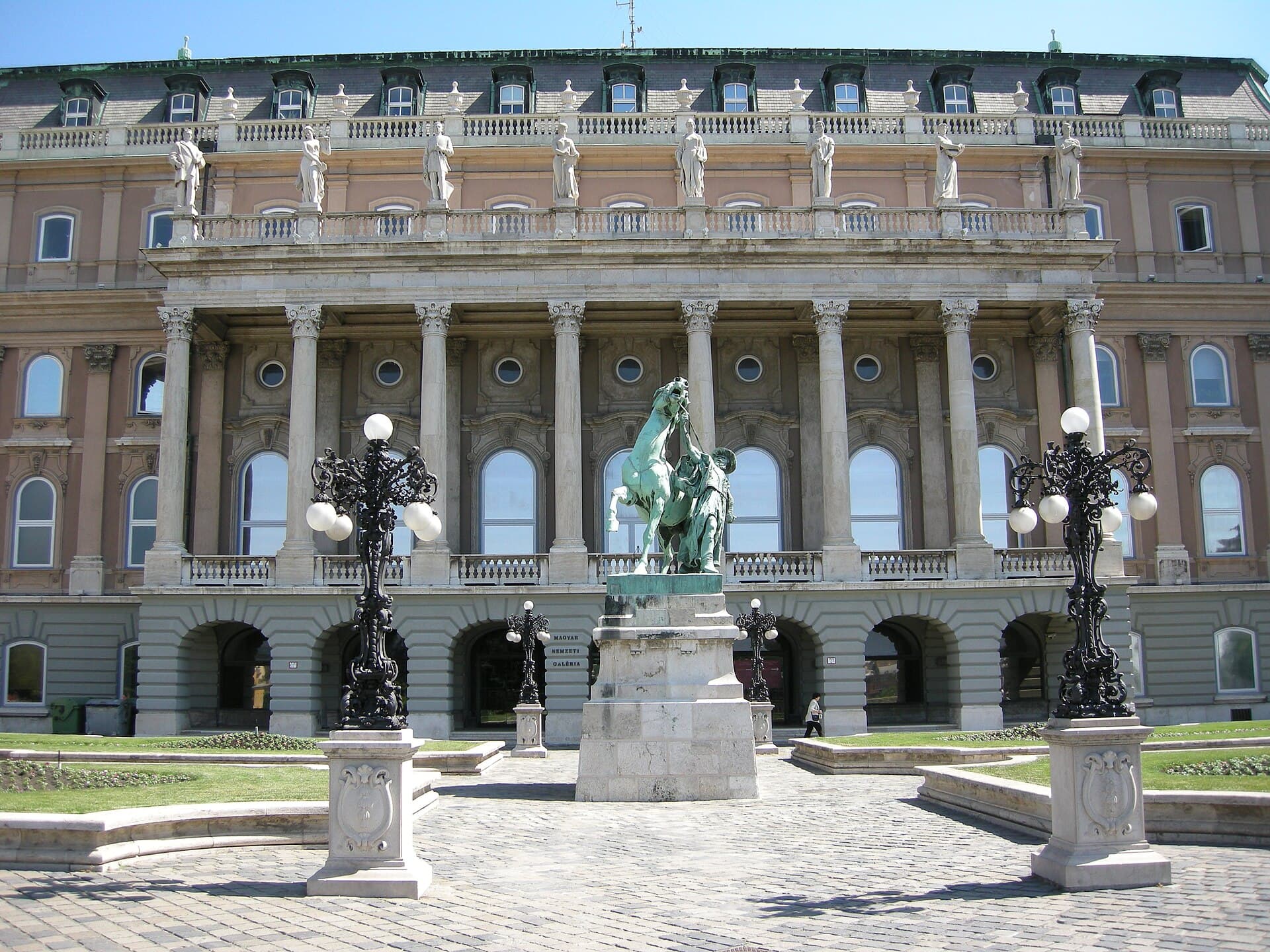 Hungarian National GalleryThe Hungarian National Gallery occupies the central wings of Buda Castle, and it2 minutes walk4.8
 Buda CastleBuda Castle is the Hungarian royal palace, destroyed and rebuilt more often than2 minutes walk4.6
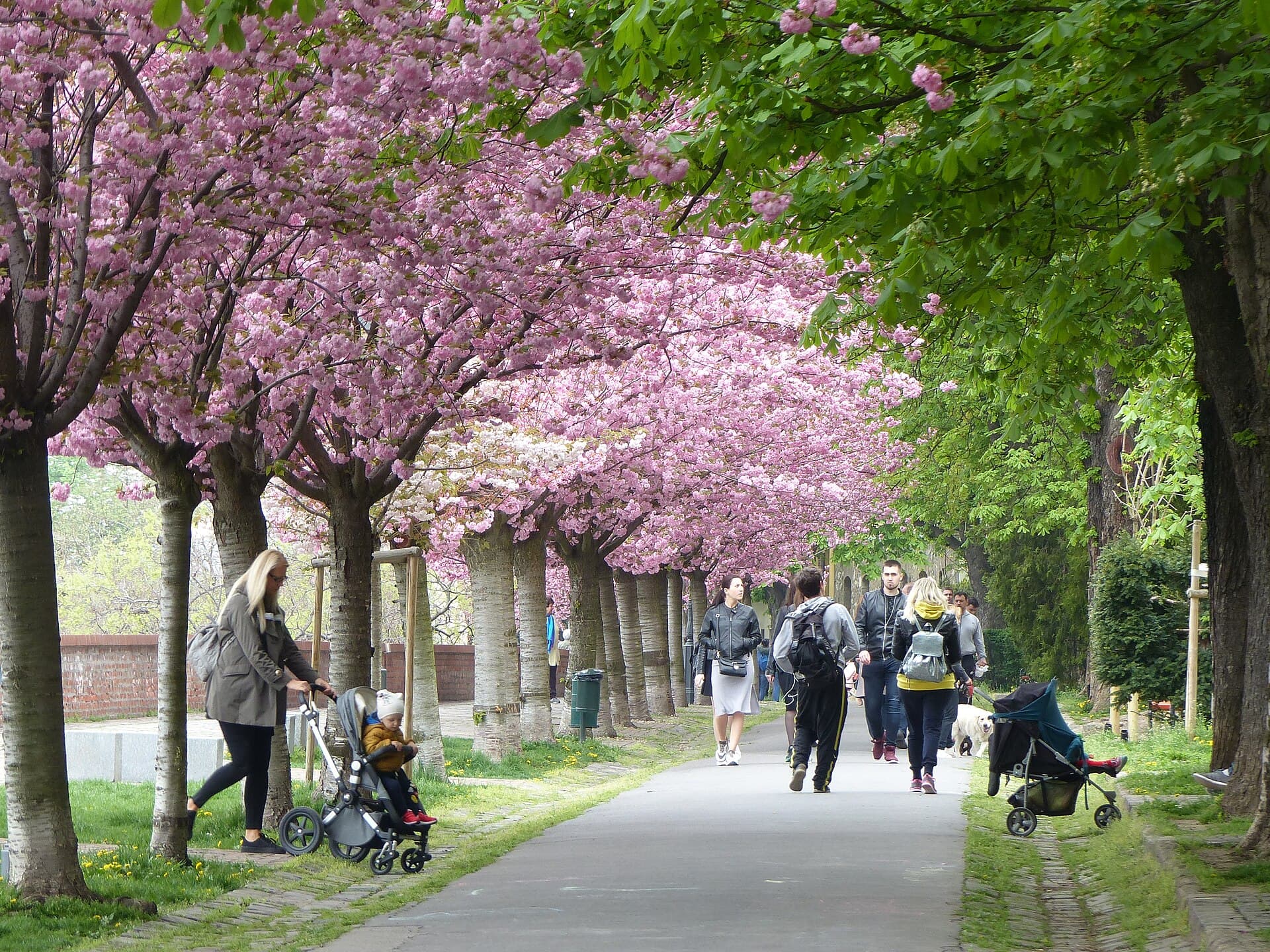 Tóth Árpád PromenadeA shaded promenade along the western wall of Castle Hill, lined with chestnut tr4 minutes walk4.8
Honestly: as transport, no — bus 16 does the same for a fraction. As a historic experience, or with children, older travellers, or anyone who does not want to climb: yes. Ride up and walk down to halve the cost.
Three: bus 16 from Deák tér, cheapest and going straight to the top; the steps on foot from Clark Ádám tér, about fifteen minutes; or trams 19/41 to a stop near the foot and a climb. Bus 16 is the practical choice.
The compartments are small, stepped and have internal steps, so they are not ideal for large strollers or wheelchairs. Bus 16 is the better option in both cases.
It opened in 1870, among the oldest funiculars in the world and the second in Europe after Lyon. Its cars were destroyed in 1945 and it returned to service in 1986 with exact replicas — so the line is original and the cars faithful copies.