
The Gothic altarpieces
Enormous gilded wooden panels from Transylvanian churches, moved intact and reassembled — the most important collection of its kind in the region.
Yoav Dothan — Public domain · Xosema — CC BY-SA 4.0 · August Dominus — CC BY-SA 4.0 · Bjoertvedt — CC BY-SA 4.0
The Hungarian National Gallery occupies the central wings of Buda Castle, and it is the only place in the world where Hungarian art is set out whole, from the Middle Ages to the present. That is the reason to go: not for internationally famous works — those are in the Museum of Fine Arts — but for an entire artistic school you will not meet in the museums of Paris or London. Three sections are the strongest. First, the late Gothic altarpieces from churches in Transylvania and northern Hungary: enormous gilded wooden panels moved here intact and reassembled in the halls. Second, 19th-century Hungarian painting, with vast history canvases of the Magyar conquest and the revolutions, and works by Mihály Munkácsy, the country's best-known painter. Third, the early 20th century, with József Rippl-Rónai and Tivadar Csontváry Kosztka — the latter an eccentric who worked as a pharmacist and painted huge canvases from private visions, and was recognised only after his death. One further draw: the dome. A separate or add-on ticket lets you climb to the green dome's gallery for a 360-degree view of Budapest from the middle of the castle.
Enormous gilded wooden panels from Transylvanian churches, moved intact and reassembled — the most important collection of its kind in the region.
Huge paintings of strange private visions by a pharmacist recognised only after his death — the oddest thing in Hungarian art.
Wall-sized canvases of the Magyar conquest and the 19th-century revolutions — the national story, painted.
A 360-degree view over Budapest from the top of the castle — higher than the Fisherman's Bastion and far less crowded.
Buda Castle, buildings A-B-C-D, Szent György tér 2, Buda 1014
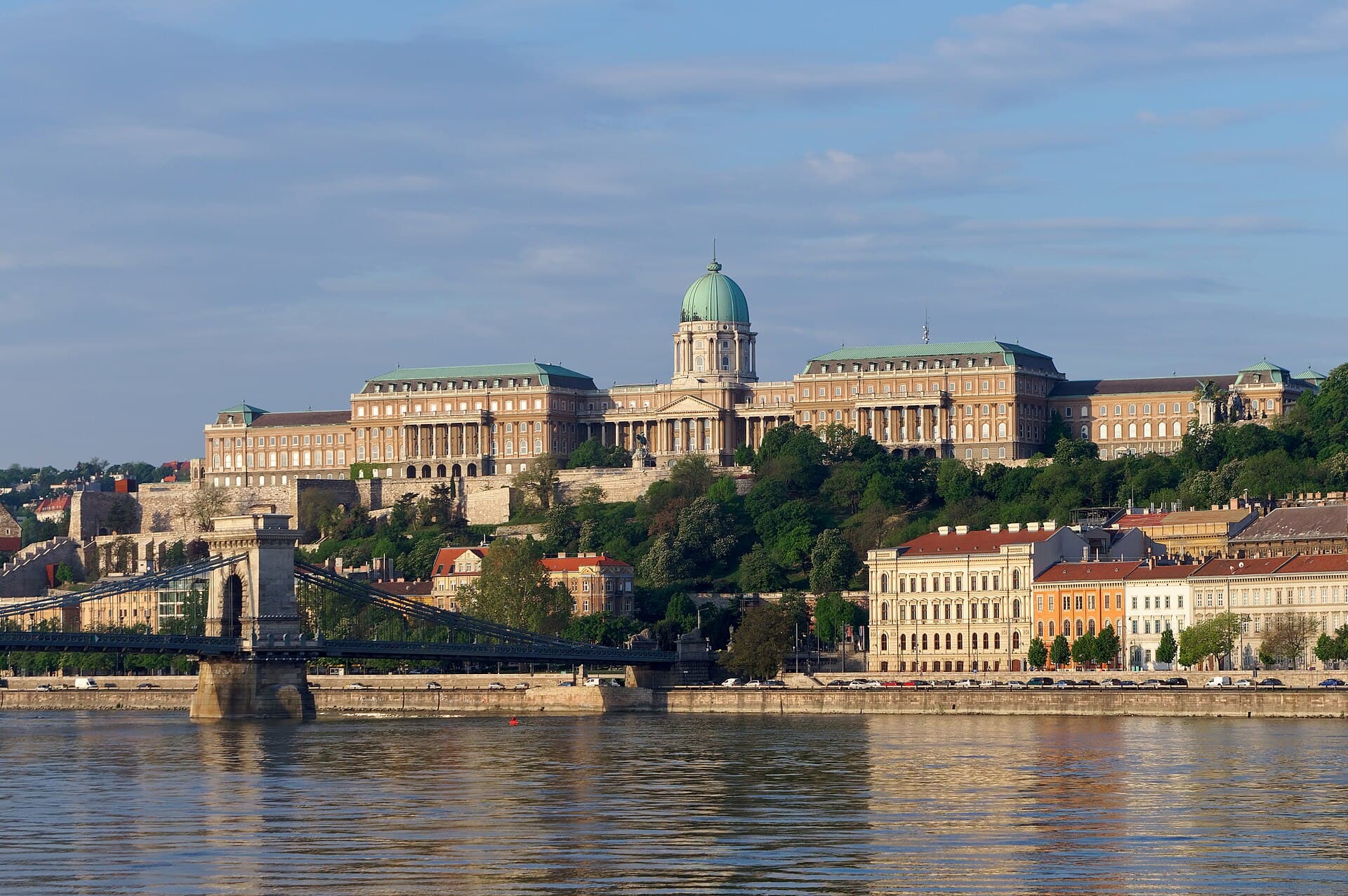 Buda CastleBuda Castle is the Hungarian royal palace, destroyed and rebuilt more often than1 minute walk4.6
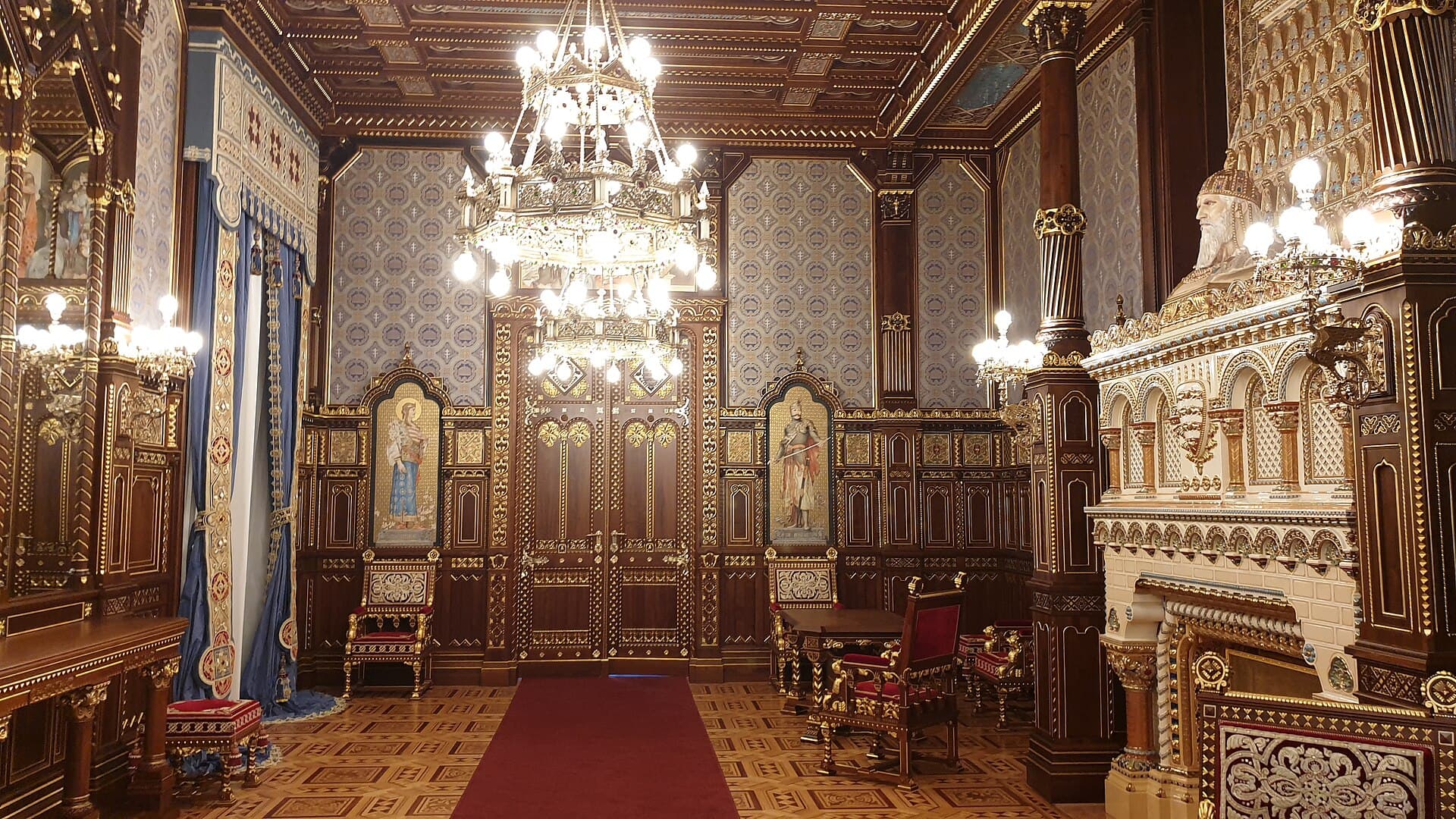 St Stephen's HallA ceremonial hall in the Royal Palace of Buda, entirely rebuilt and opened in 202 minutes walk4.5
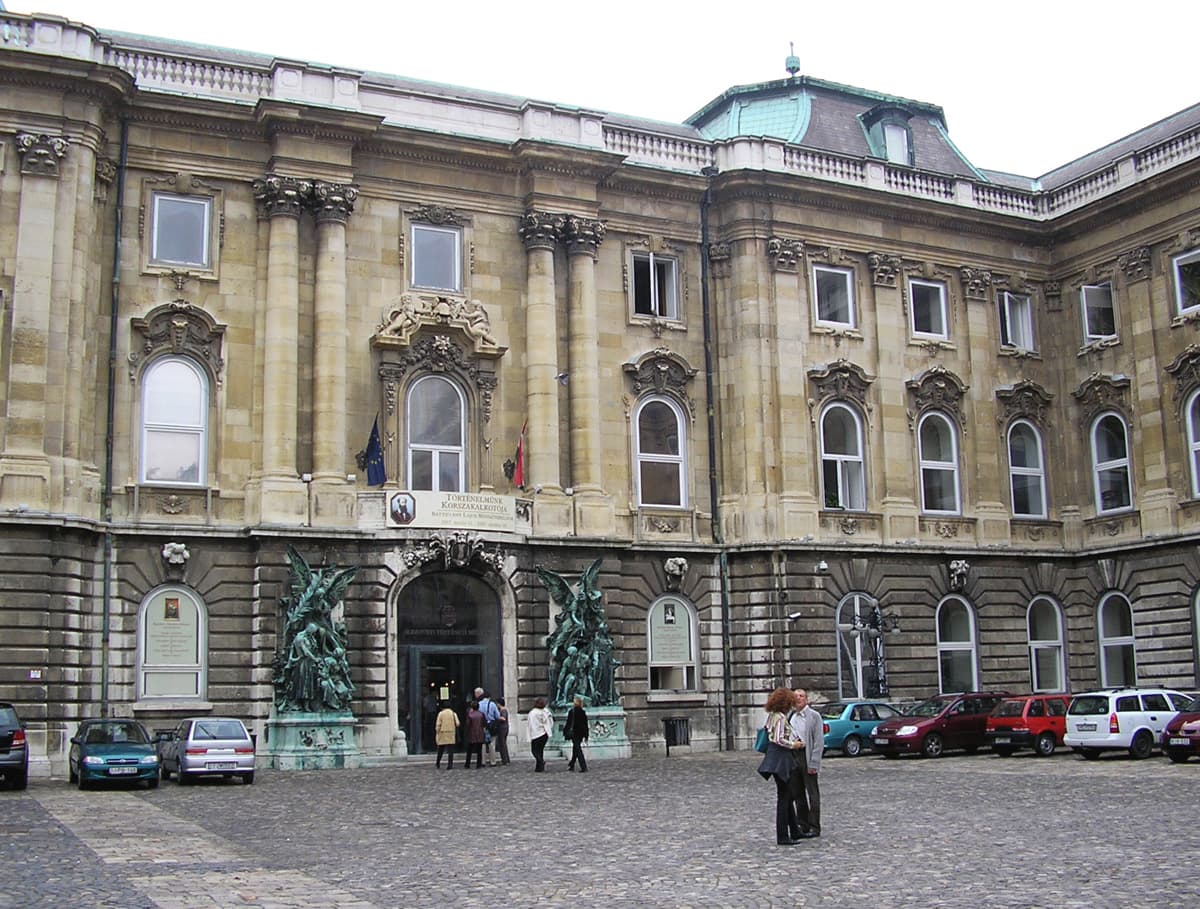 Budapest History MuseumThe Budapest History Museum occupies the southern wing of Buda Castle, and it is2 minutes walk4.3
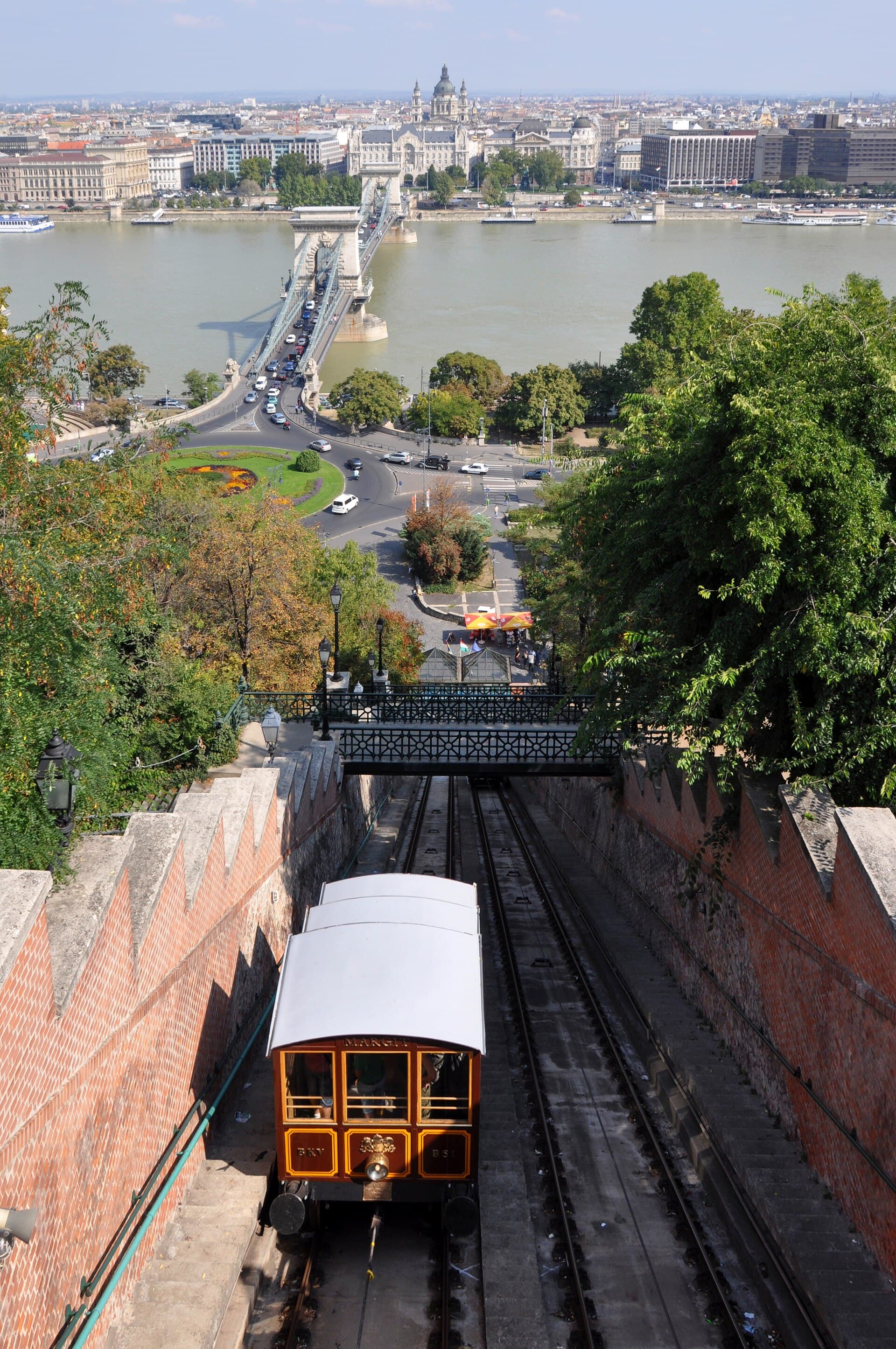 Budapest Castle Hill FunicularThe Castle Hill funicular is a very short line — about a hundred metres — climbi2 minutes walk3.9
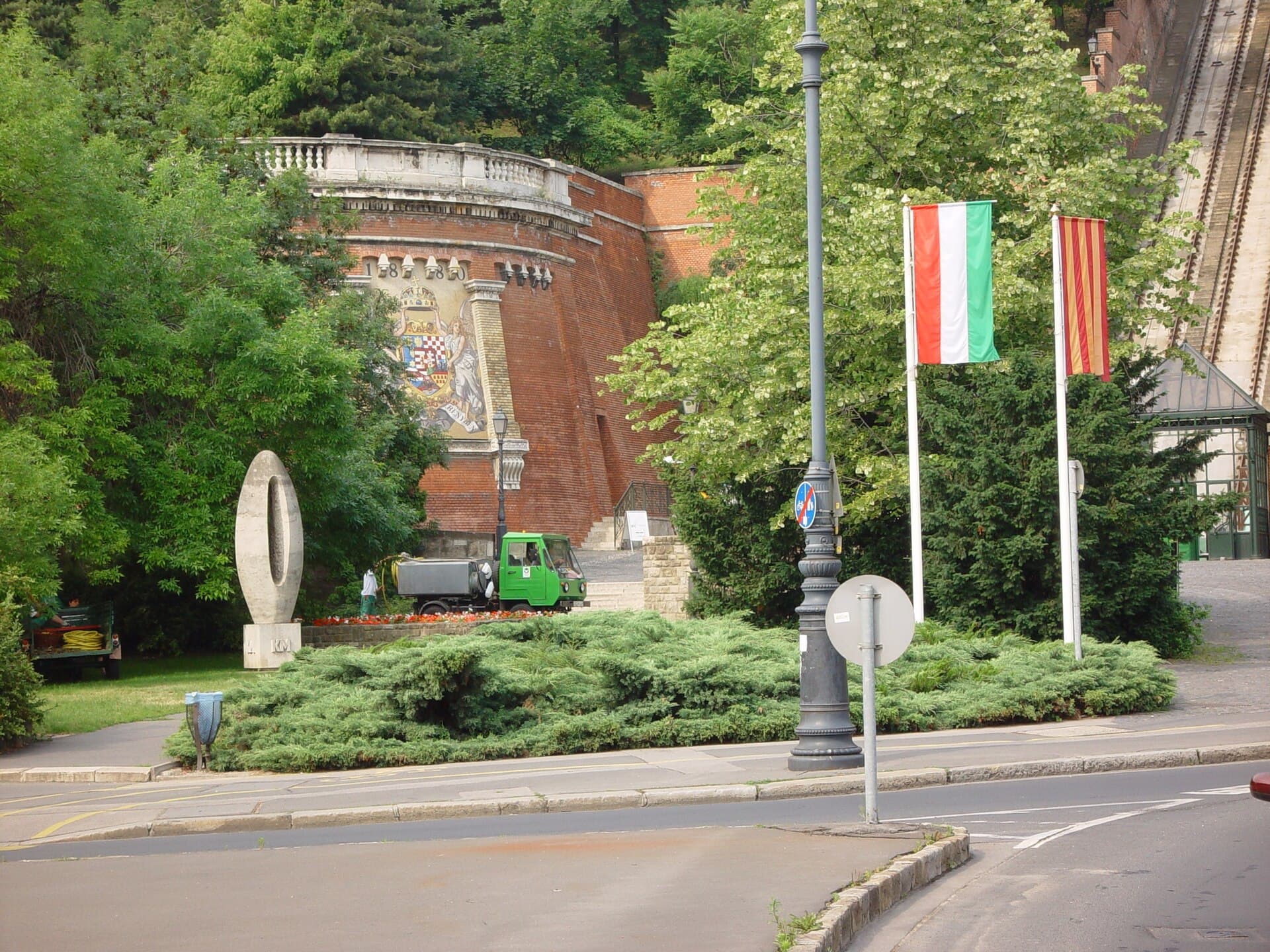 Zero Kilometre StoneThe Zero Kilometre Stone is a three-metre block carved as the numeral zero, stan3 minutes walk4.5
For precisely that reason. Hungarian art is not shown in western European museums, so this is your only chance to see it. Start with the Csontváry room: the works are strange, huge and unlike anything else, and afterwards you will understand why Hungarians are proud of them.
Yes if the weather is clear. The view is higher than the Fisherman's Bastion and far quieter, taking in both banks and the bridges. The extra fee is small against what you get.
This is Hungarian art alone; that is foreign art — Spanish, Italian, Dutch, Egyptian. With time for one art museum in Budapest: Fine Arts for internationally known works, the National Gallery for something you will see nowhere else.
Make it the indoor stop: the castle and its terraces free, then two hours in the gallery, then north to Matthias Church and the Fisherman's Bastion for sunset. The gallery is the part you pay for on a day whose other sights are free.