
Arches in the middle of the street
Brick sections standing among modern buildings — the contrast is what catches the eye.
Lobillo — Public domain · Américo Toledano — CC BY-SA 4.0 · Américo Toledano — CC BY-SA 4.0 · Américo Toledano — CC BY-SA 4.0
The remains of an aqueduct that carried water to Seville from springs at Carmona to the east. The works are Roman in origin, but most of what you see today comes from the Almohad rebuilding in the twelfth century, when the channel was brought back into service and extended to supply the Islamic city. The aqueduct kept working for centuries afterwards, and its major stretches were not demolished until the twentieth century as the city expanded. What survived are sections of brick arches now standing in the middle of modern streets, a striking contrast. This is not a visit in the usual sense: no entrance, no ticket, no route, just remains you pass in the street. Give it a few minutes if you are on that side of town. The site lies east of the historic centre in an ordinary residential area, so do not plan a deliberate trip unless the history of water supply or Almohad construction specifically interests you.
Brick sections standing among modern buildings — the contrast is what catches the eye.
The channel was brought back into use under the Almohads to supply Seville, and kept working for centuries.
No entrance and no route; a short pause if you are on that side, not a deliberate trip.
Avenida de Córdoba, east of the historic centre, Seville
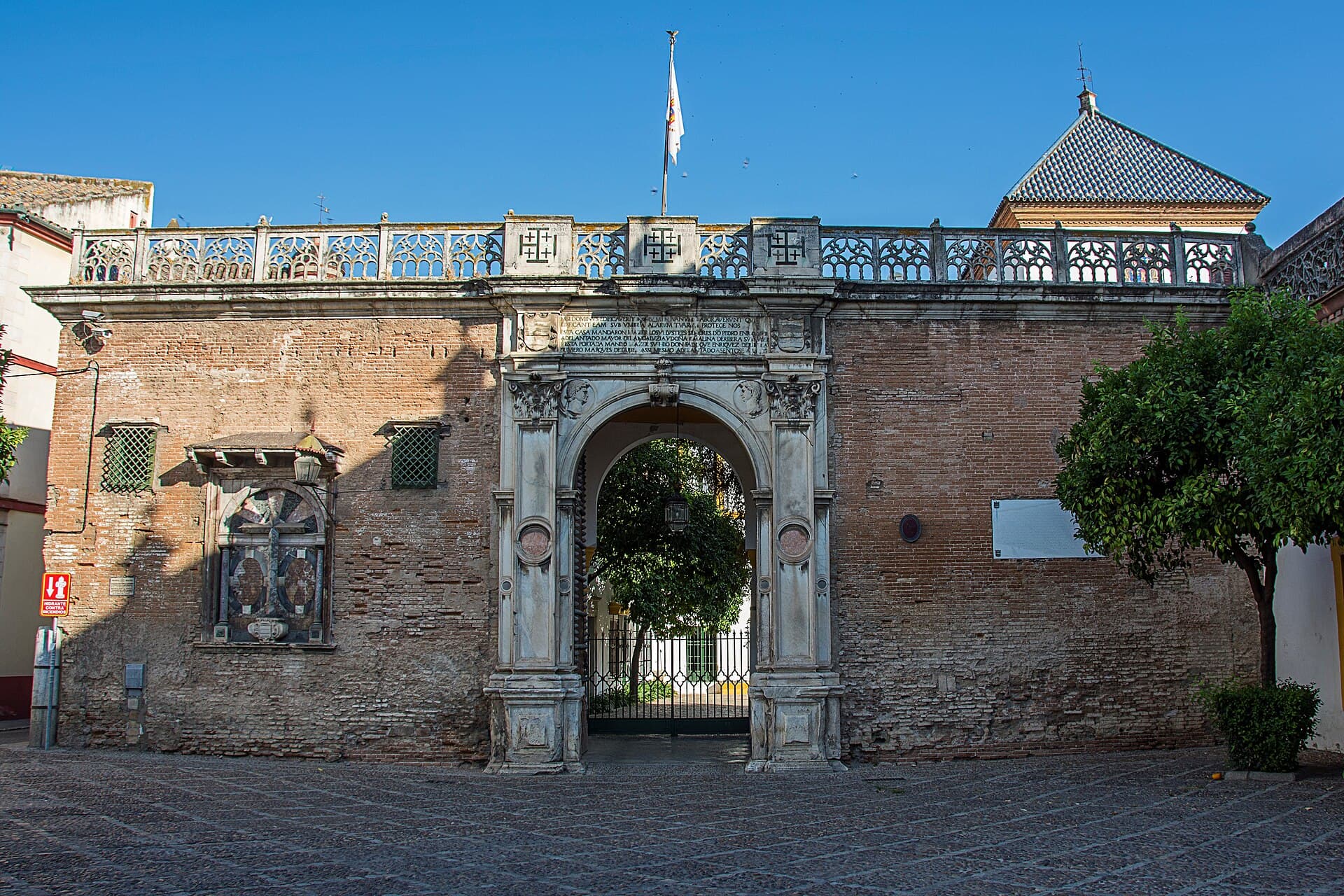 Casa de PilatosThe Casa de Pilatos is Seville's loveliest private palace — the little Alcázar w6 minutes walk4.3
 Royal Academy of Fine ArtsSeville's academy of fine arts, an institution going back to the eighteenth cent10 minutes walk4.8
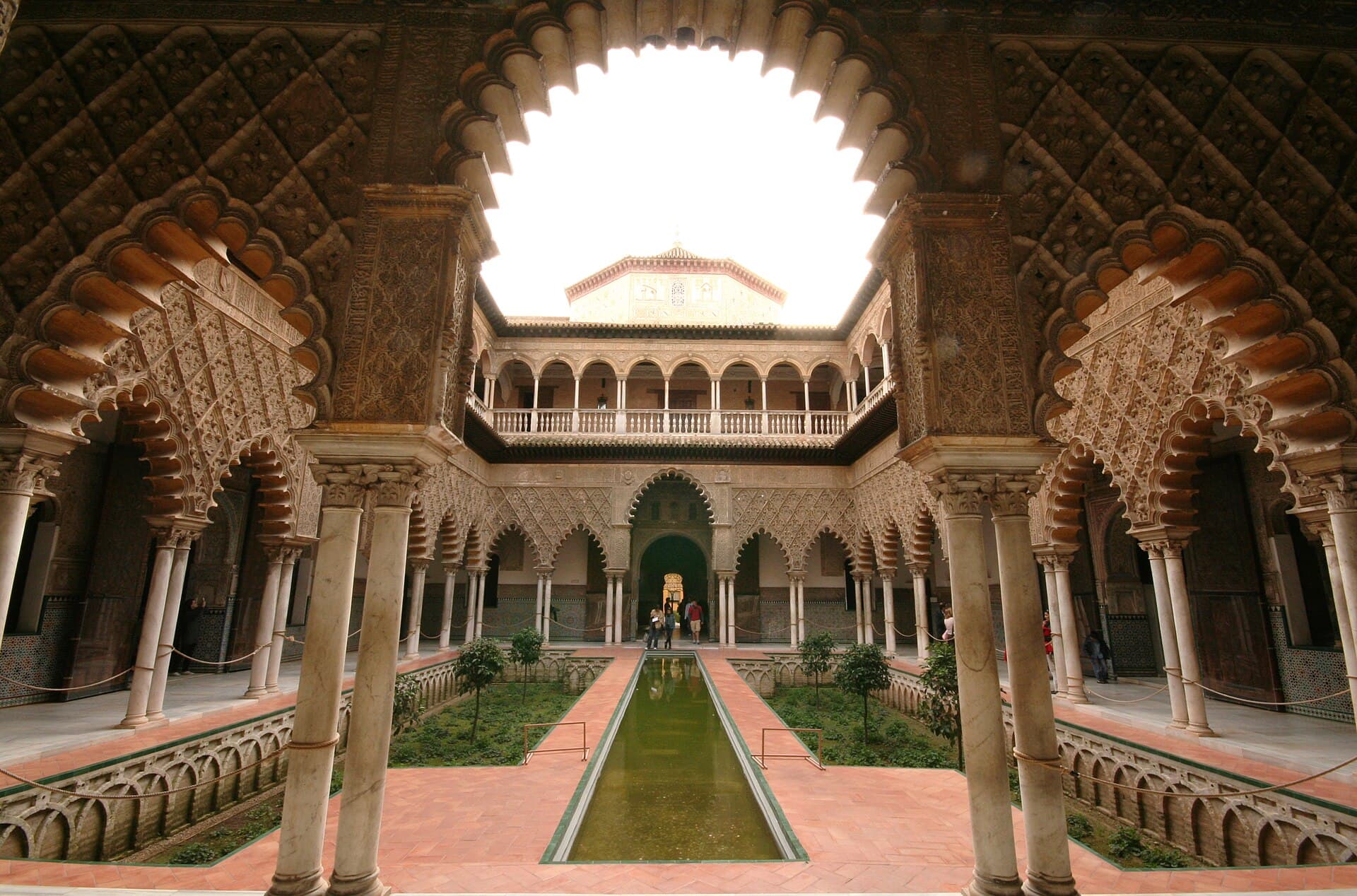 Royal Alcázar of SevilleSeville's Alcázar is Europe's oldest royal palace still in use — and its soul is11 minutes walk4.6
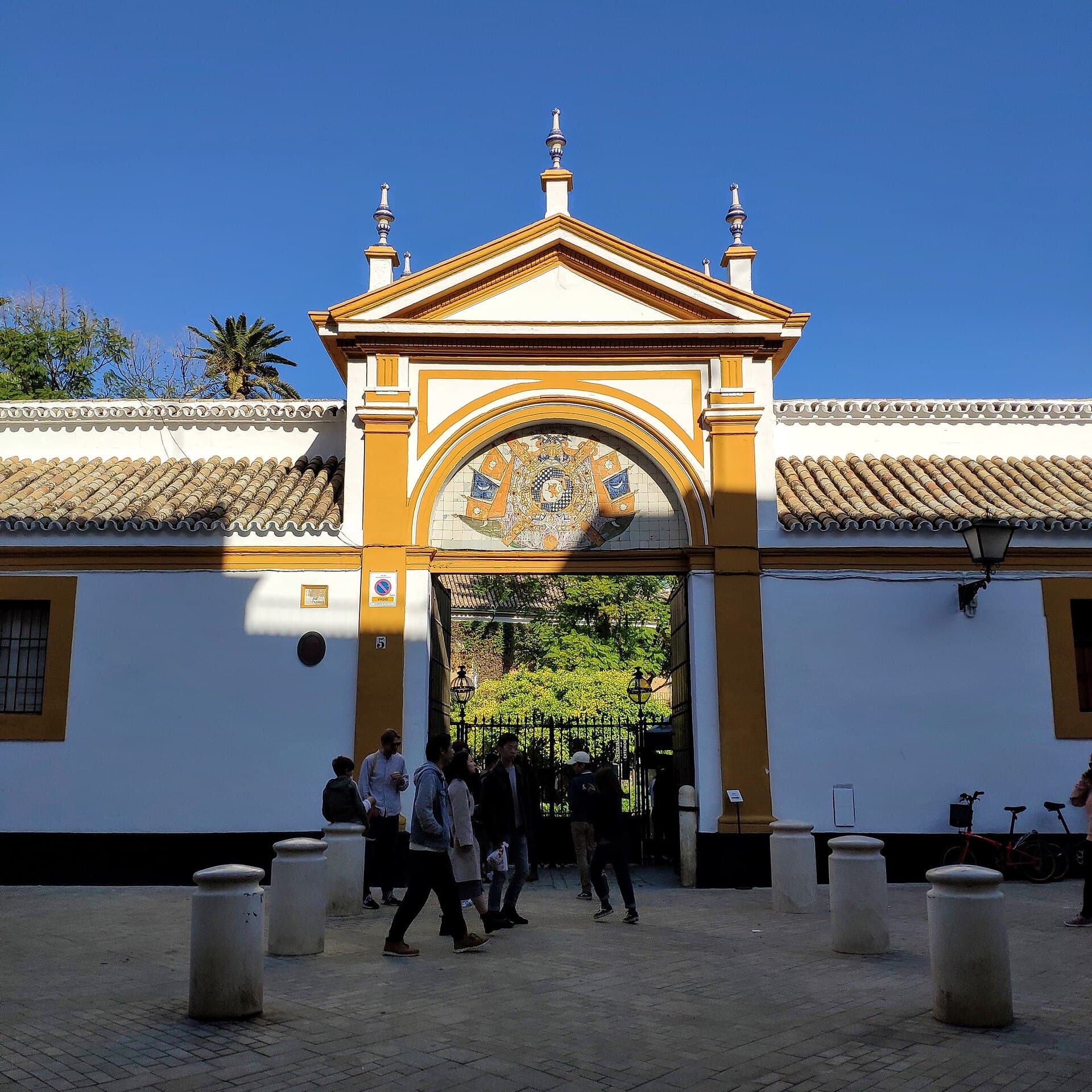 Palacio de las DueñasLas Dueñas is the house of Spain's most famous dukes and Seville's most alive pa11 minutes walk4.5
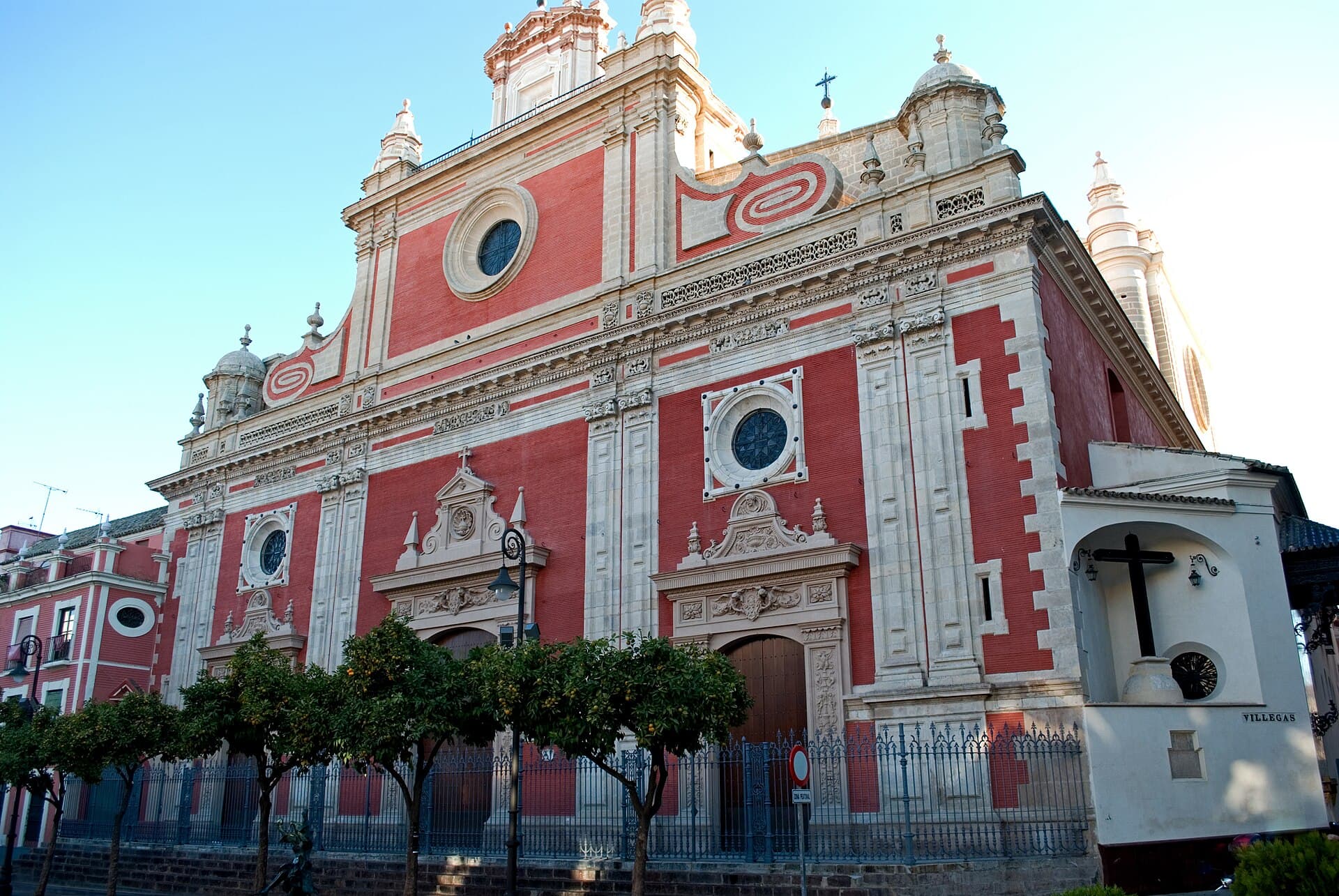 Church of El SalvadorSeville's second largest church after the cathedral, standing on a square in the12 minutes walk4.7
Usually not. What remains is a limited stretch in a residential area with no facilities and no detailed explanation on site. If Almohad construction interests you, the Giralda and the Alcázar walls in the centre are far stronger and easier to reach.
Both are Almohad, from the twelfth century when Seville was an important regional capital. The Giralda was the minaret of the great mosque and the aqueduct was the infrastructure that watered the city — two faces of one building programme.