
The central nave
Brick arches and a high roof — space for monumental work.
Ardfern — CC BY-SA 3.0 · Captaintapas — CC BY-SA 3.0 · Thomon — CC BY-SA 4.0 · Thomon — CC BY-SA 4.0
Here the building matters as much as what is in it. **CAPC** occupies the *Entrepôt Lainé*, a vast warehouse built in 1824 to store colonial goods arriving through the port — coffee, cotton, sugar, groundnuts. A huge central nave with a high roof, brick arches and stone piers, lit from above. When it became a museum in 1984 the building was left largely as it was: the arches were not boxed in and the walls were not whitewashed, so the **industrial space itself** became the frame. That gives large-scale work — installations and monumental sculpture — room of a kind conventional museums cannot offer. The collection covers art from the 1960s to the present with a European and French emphasis, but the strength is in the **large temporary exhibitions** built for the central nave. Above it a **rooftop café terrace** is one of the calmest spots in Bordeaux, and the same building houses **arc en rêve**, the architecture centre, which programmes its own exhibitions.
Brick arches and a high roof — space for monumental work.
Large projects built for the nave — the reason to come.
A quiet terrace above the museum.
7 Rue Ferrère, 33000 Bordeaux
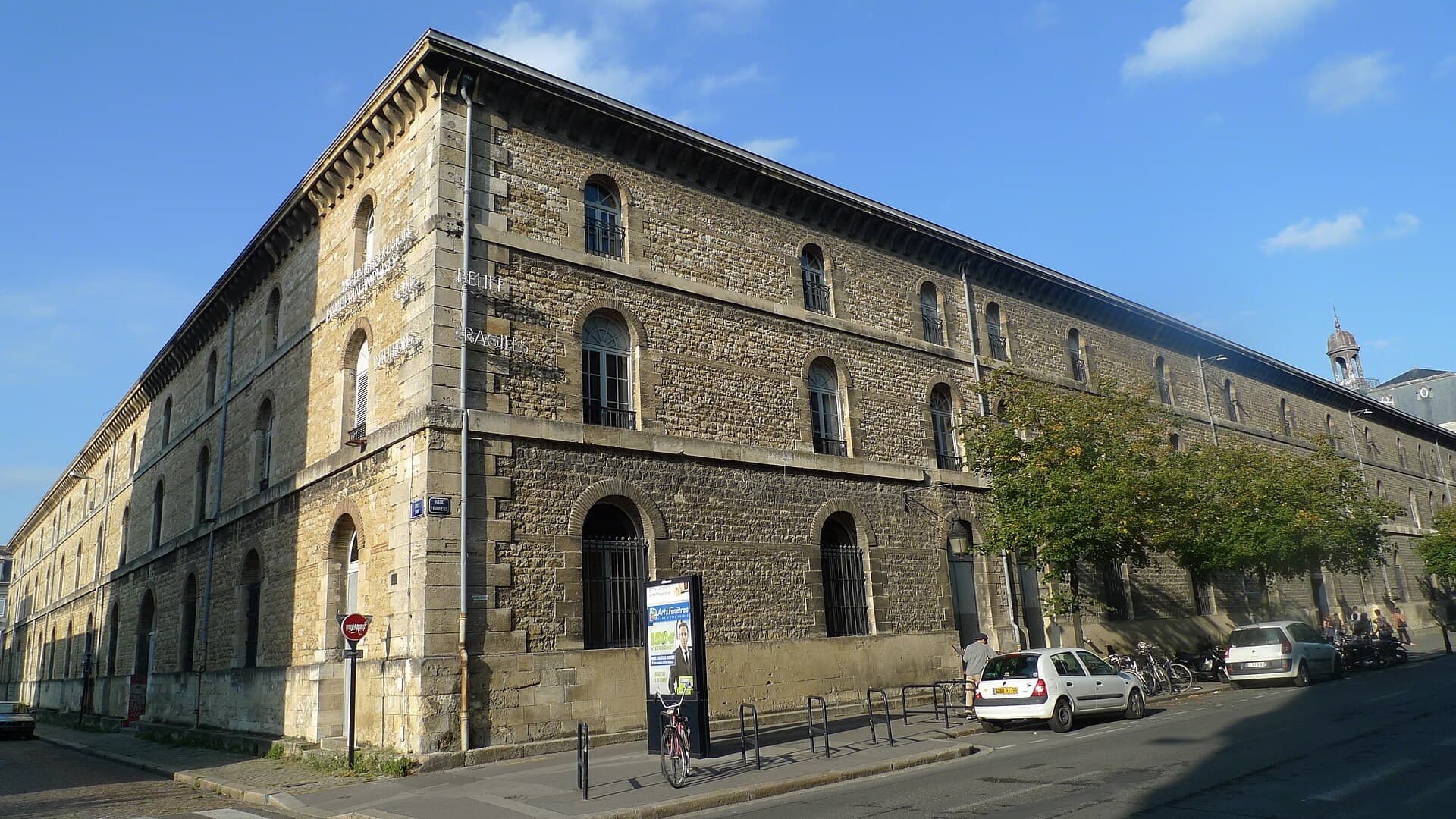 The Entrepôt LainéA vast colonial goods warehouse of 1824, converted into the CAPC museum of conte1 minute walk4.4
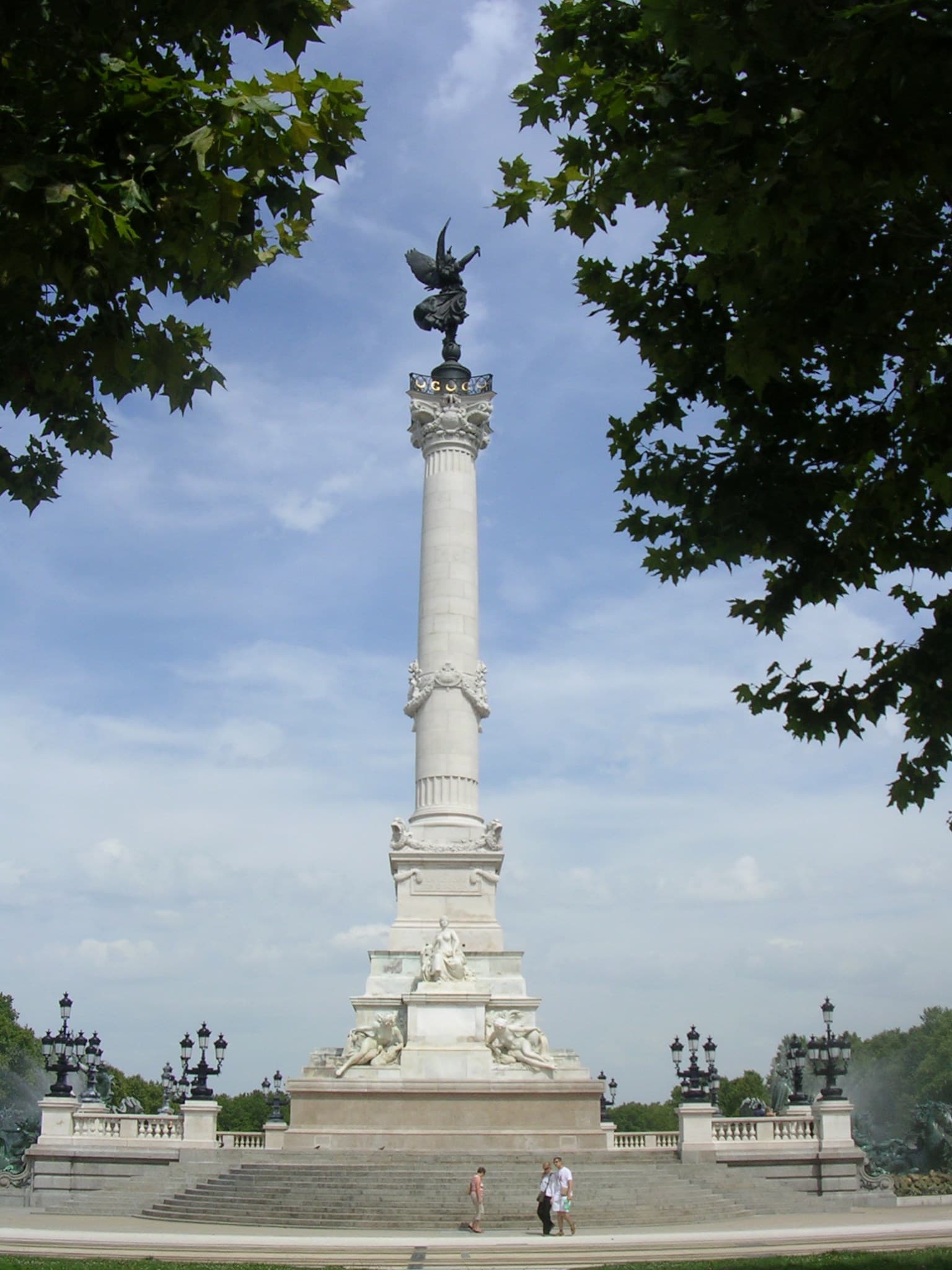 Monument aux GirondinsAt the edge of the Place des Quinconces — among Europe's largest squares — rises5 minutes walk4.5
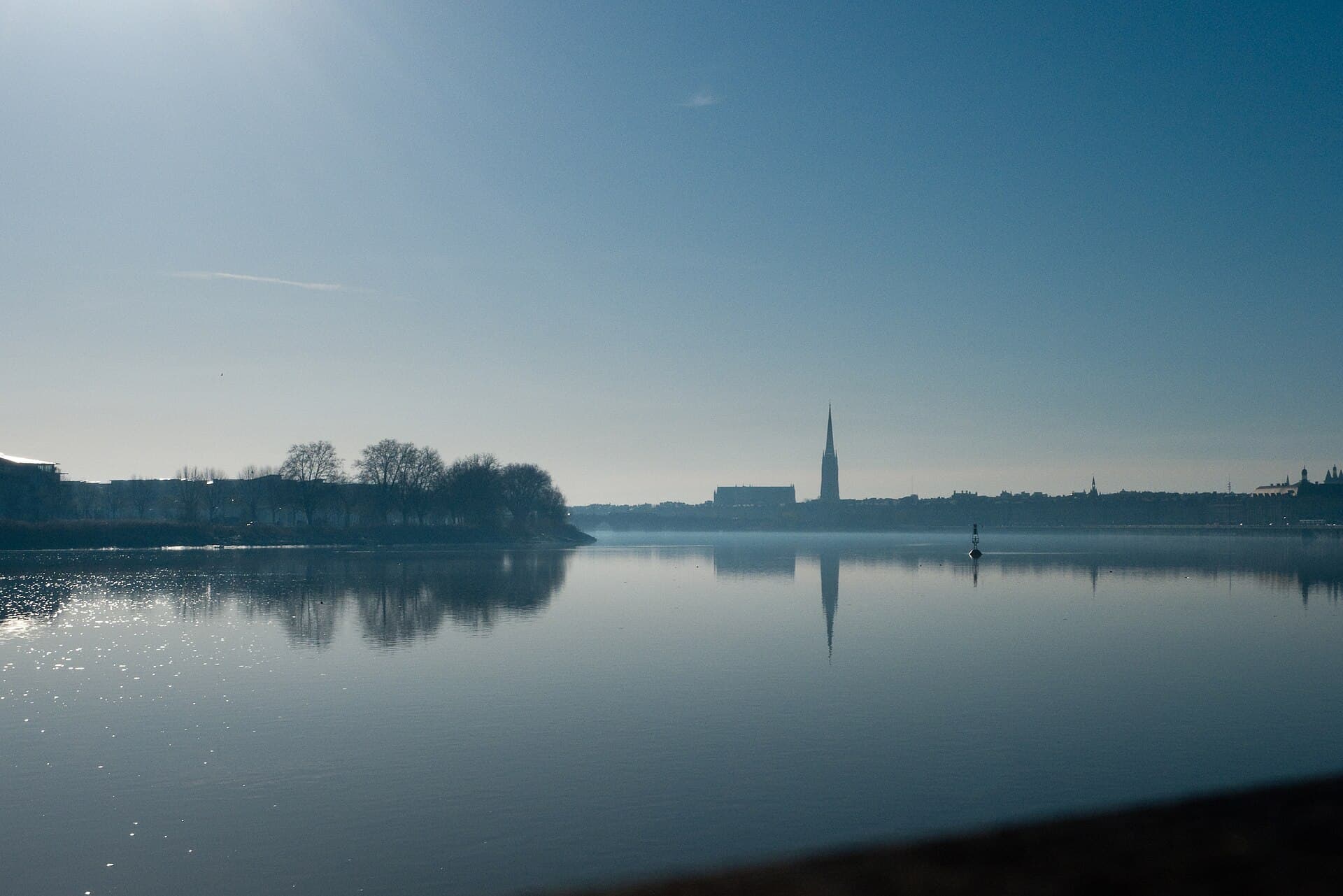 The Port of the MoonThe historic name for the port of Bordeaux and its whole riverfront, and the sou6 minutes walk4.8
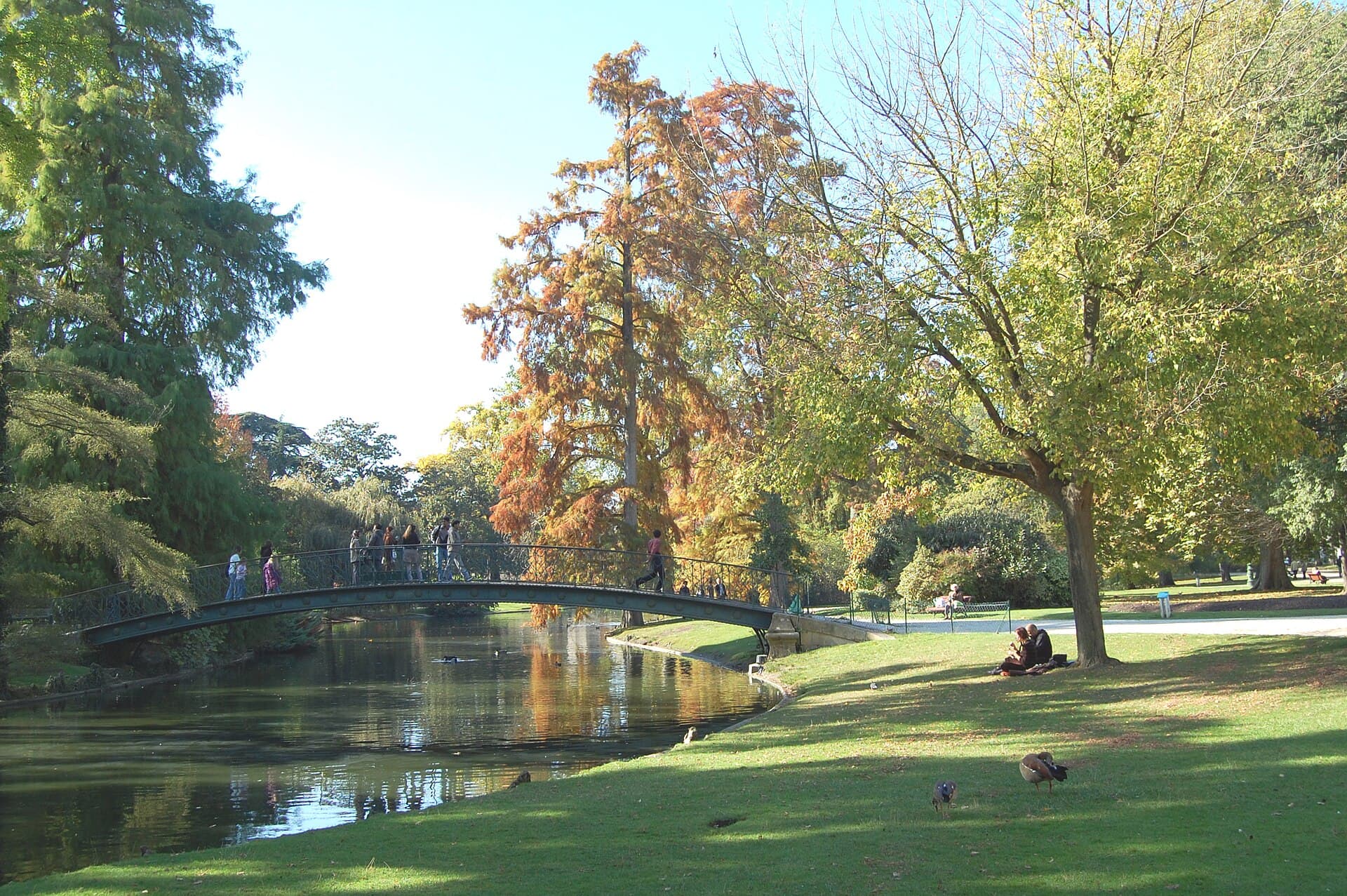 Jardin PublicThe Jardin Public has been Bordeaux's lung since 1746: laid as a royal French-st6 minutes walk4.5
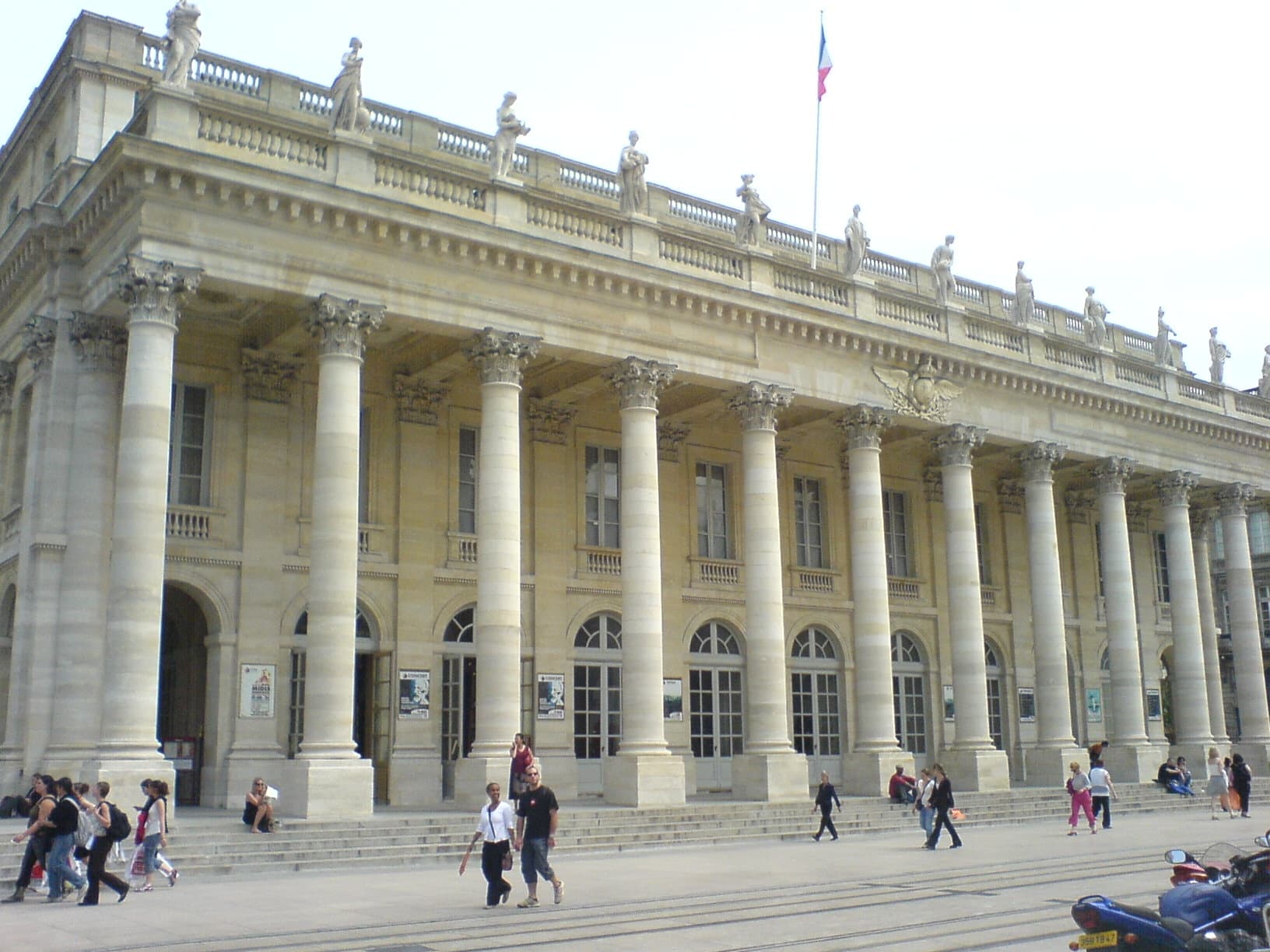 Grand ThéâtreThe finest building in Bordeaux and the one that most defines it. The **Grand Th8 minutes walk4.5
Possibly yes, which is rare for a contemporary art museum. The reason is that **the building is itself a monument**: an 1824 warehouse of brick arches, stone piers and overhead light, a direct witness to Bordeaux's commercial and colonial history. Many visitors come for the space and leave having liked two or three works. Add that the **rooftop café** alone justifies going up. If contemporary art is genuinely not for you, come on a free day and spend twenty minutes walking the nave.
The museum sits on the edge of the **Chartrons**, the quarter that was the centre of the Bordeaux wine trade: the warehouses and houses of the Dutch, English and German merchants who dealt in the region's wine for centuries. Today it is one of the city's most characterful districts — antique and furniture shops, cafés and galleries, and the well-known **Chartrons Sunday market** on the riverside quay. Combine CAPC with a wander through the quarter and the nearby wine and trade museum, and you have a rounded half-day away from the crush of the centre.