
Kilometres of facades
A continuous line of eighteenth-century classical stone.
Oliwan — CC BY-SA 3.0 · Olivier Aumage — CC BY-SA 2.5 · Lantus — CC BY-SA 3.0 · Olivier Aumage — CC BY-SA 2.0 fr
The historic name for the port of Bordeaux and its whole riverfront, and the source of the name of the World Heritage site: Bordeaux, Port of the Moon. The name is descriptive: the Garonne draws a wide crescent-shaped bend at Bordeaux, and the city was built on its inner bank. The shape is plain from a map and from the air, and has been used in the city's arms since the Middle Ages. The riverfront itself is Bordeaux's eighteenth-century achievement: a continuous line of classical stone facades running for kilometres, built when the city was France's wealthiest port. Its wealth came from the wine, sugar and coffee trades — and also from the transatlantic slave trade, which the city acknowledges today in its museums and memorial plaques. The waterfront was neglected for two centuries and then completely revived after 2000. The promenade is public and free.
A continuous line of eighteenth-century classical stone.
Wine, sugar and coffee — and the transatlantic slave trade.
Two centuries of neglect then a complete revival after 2000.
The riverfront on the Garonne
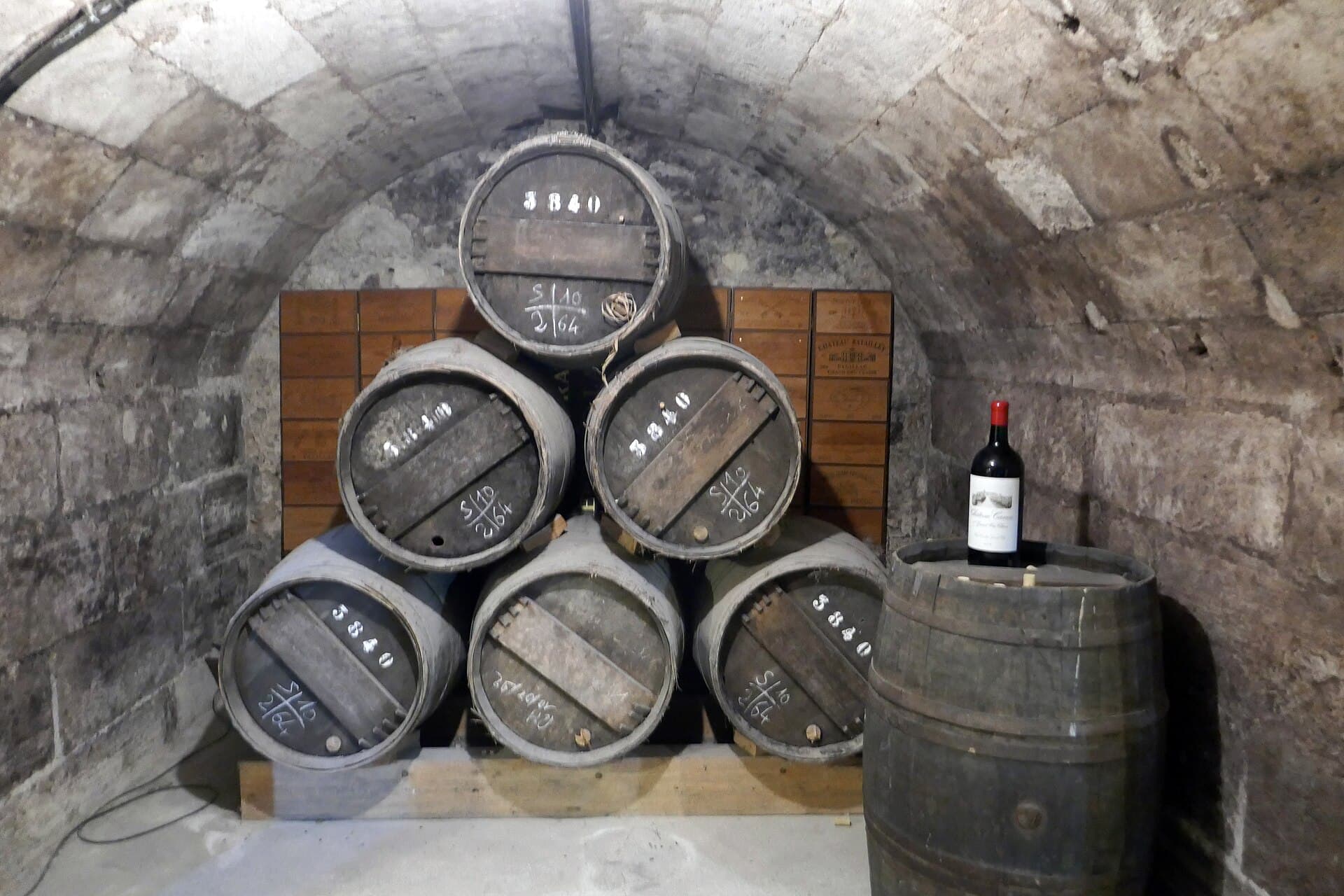 Museum of Wine and TradeThe Museum of Wine and Trade sits in the historic wine merchants' cellars of the4 minutes walk4.4
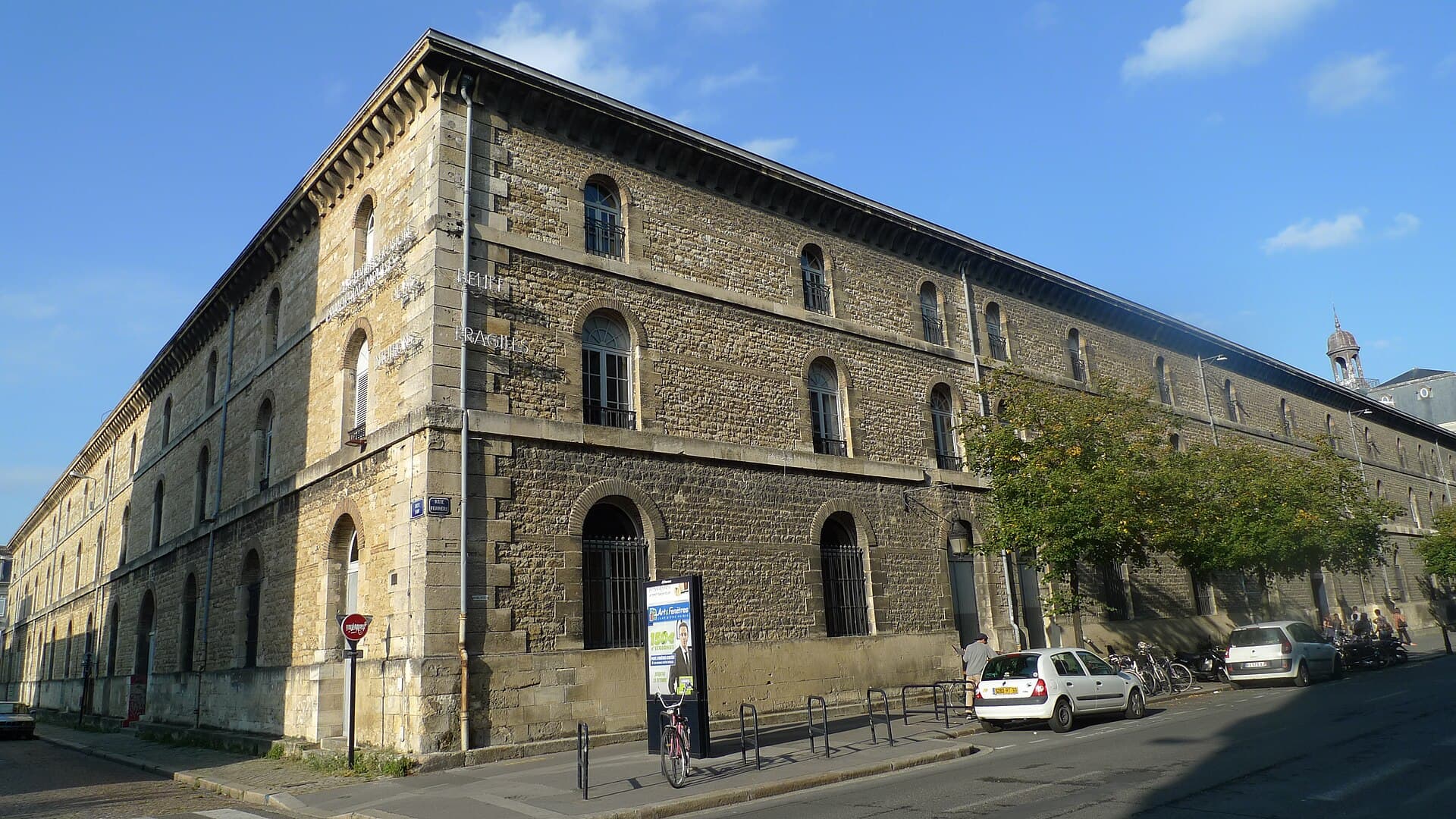 The Entrepôt LainéA vast colonial goods warehouse of 1824, converted into the CAPC museum of conte6 minutes walk4.4
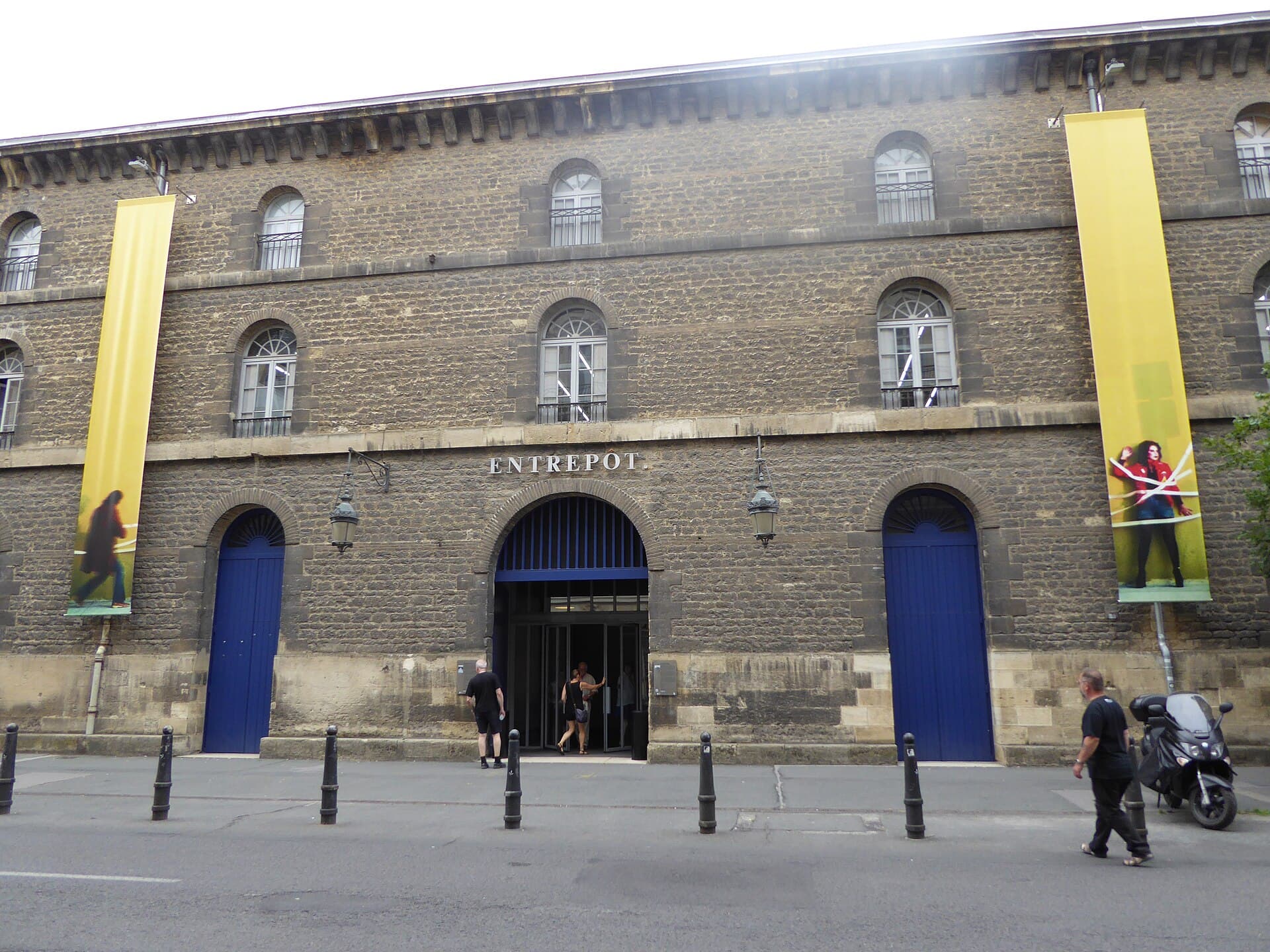 CAPC Museum of Contemporary ArtHere the building matters as much as what is in it. **CAPC** occupies the *Entre6 minutes walk4.0
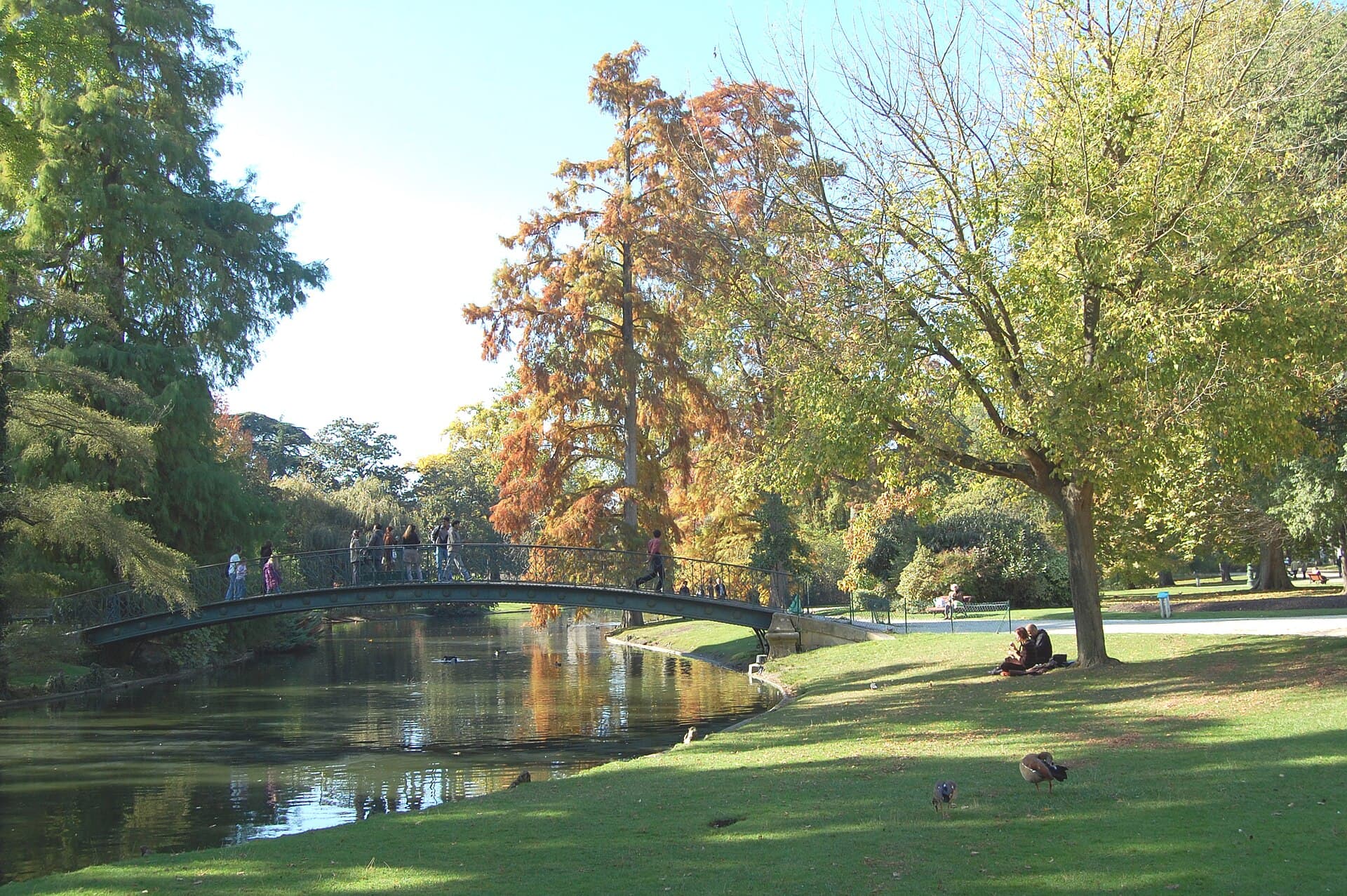 Jardin PublicThe Jardin Public has been Bordeaux's lung since 1746: laid as a royal French-st10 minutes walk4.5
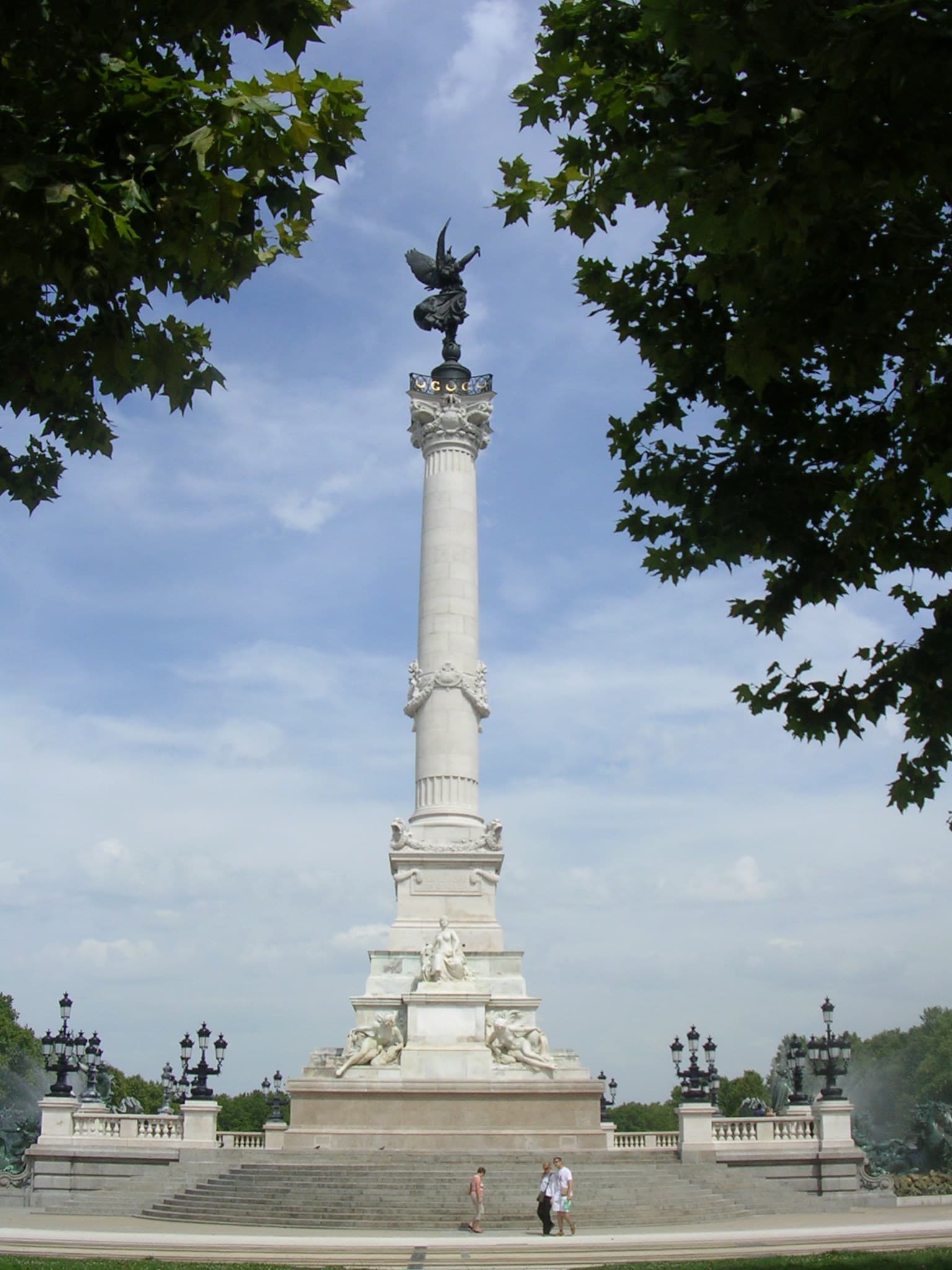 Monument aux GirondinsAt the edge of the Place des Quinconces — among Europe's largest squares — rises11 minutes walk4.5
Bordeaux was France's second largest slave trading port after Nantes: about five hundred voyages left from it, carrying more than a hundred and fifty thousand people. The subject was long unspoken, then opened over the last two decades: permanent galleries were devoted to it in the Musée d'Aquitaine, memorial plaques placed on the riverfront, and explanatory notes added to street signs carrying the traders' names. Debate about whether this is sufficient continues in the city.
A thin sheet of water on a stone deck of about three thousand four hundred square metres before the Place de la Bourse, reflecting the eighteenth-century facades. It works in cycles: it fills and reflects, then drains and releases mist. It opened in 2006 and became Bordeaux's best-known image. It operates seasonally in warm weather only and closes in winter and for maintenance — check if it is the object of your visit.