
Successive brick arches
The industrial space left as it was rather than divided into galleries.
Captaintapas — CC BY-SA 3.0 · Thomon — CC BY-SA 4.0 · Thomon — CC BY-SA 4.0 · Thomon — CC BY-SA 4.0
A vast colonial goods warehouse of 1824, converted into the CAPC museum of contemporary art and the arc en rêve architecture centre. The building itself is the experience: an enormous internal hall of successive brick arches under a high roof, built to store coffee, cocoa, sugar and groundnuts arriving from the colonies. The space is purely industrial, and was left as it was after the conversion in 1984 rather than divided into galleries. That juxtaposition — contemporary art in a colonial warehouse — is not concealed but used: many exhibitions engage directly with the space and its history. The permanent collection holds work from the 1960s to today, with an emphasis on conceptual art and the large installations the ceiling height permits. Upstairs are a café and a terrace looking over the city. Visited on a ticket, with a changing exhibition programme.
The industrial space left as it was rather than divided into galleries.
The exhibitions engage the colonial warehouse directly.
Huge installations that ordinary galleries cannot hold.
The Chartrons district, north of central Bordeaux
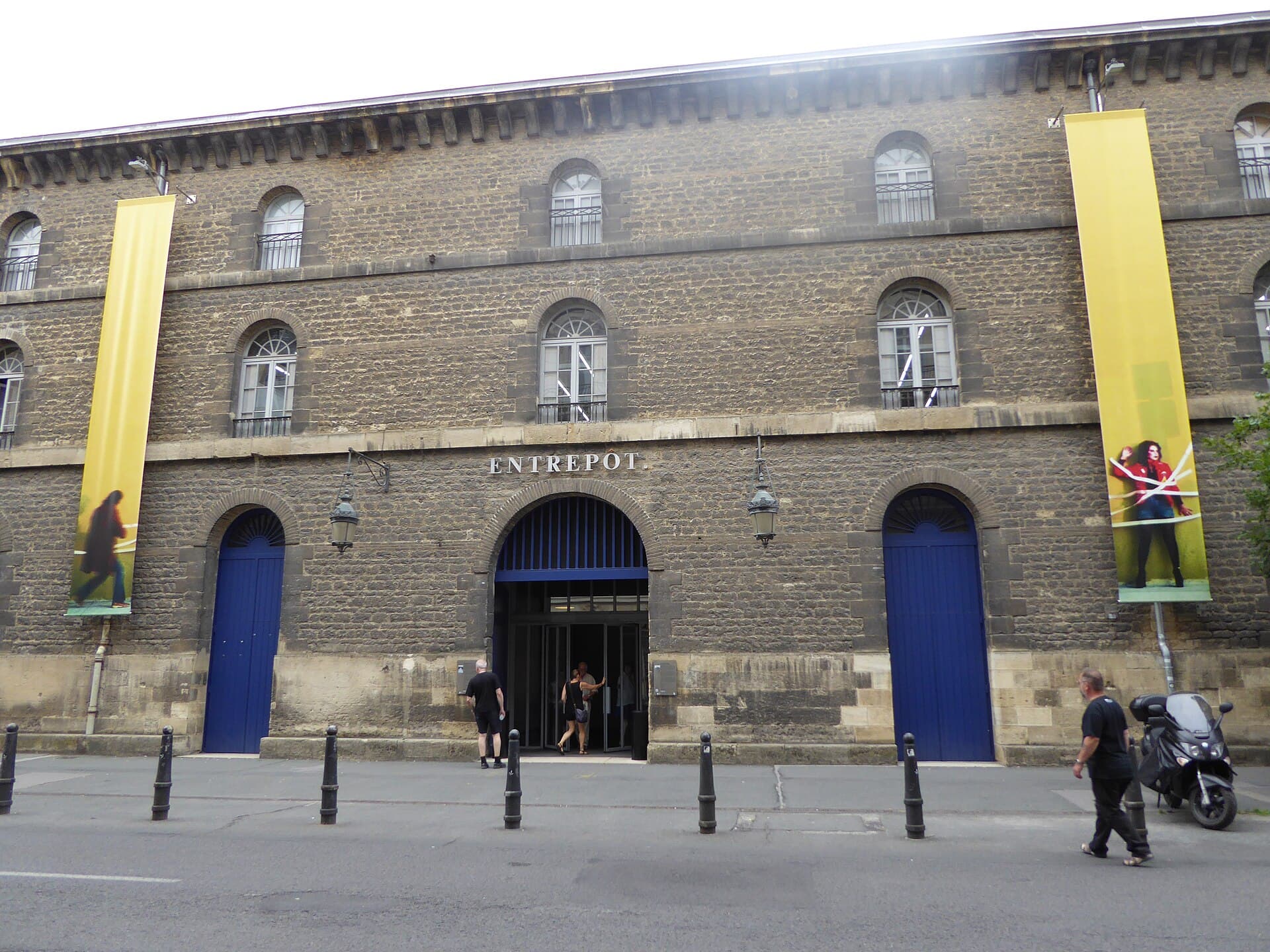 CAPC Museum of Contemporary ArtHere the building matters as much as what is in it. **CAPC** occupies the *Entre1 minute walk4.0
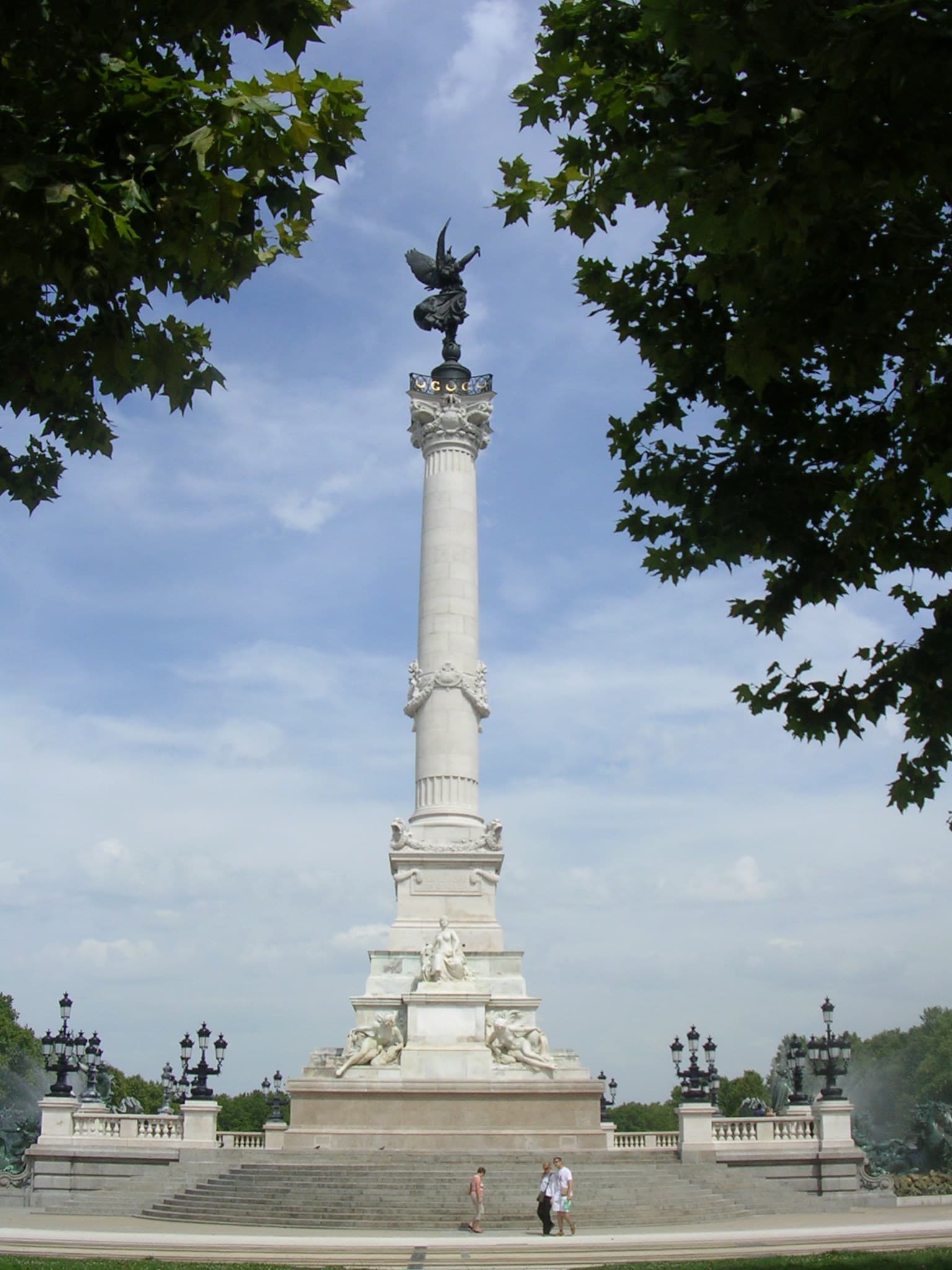 Monument aux GirondinsAt the edge of the Place des Quinconces — among Europe's largest squares — rises5 minutes walk4.5
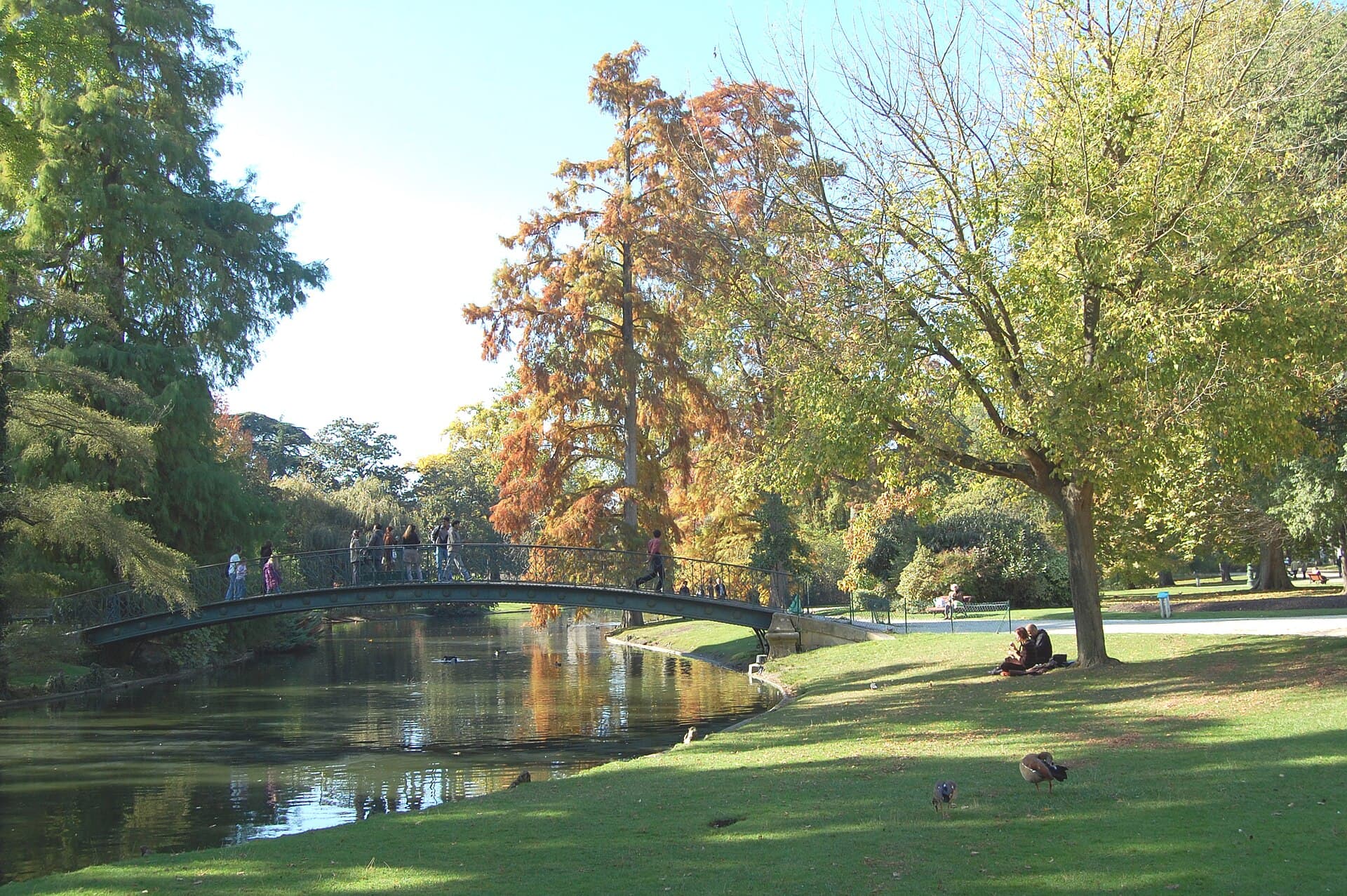 Jardin PublicThe Jardin Public has been Bordeaux's lung since 1746: laid as a royal French-st6 minutes walk4.5
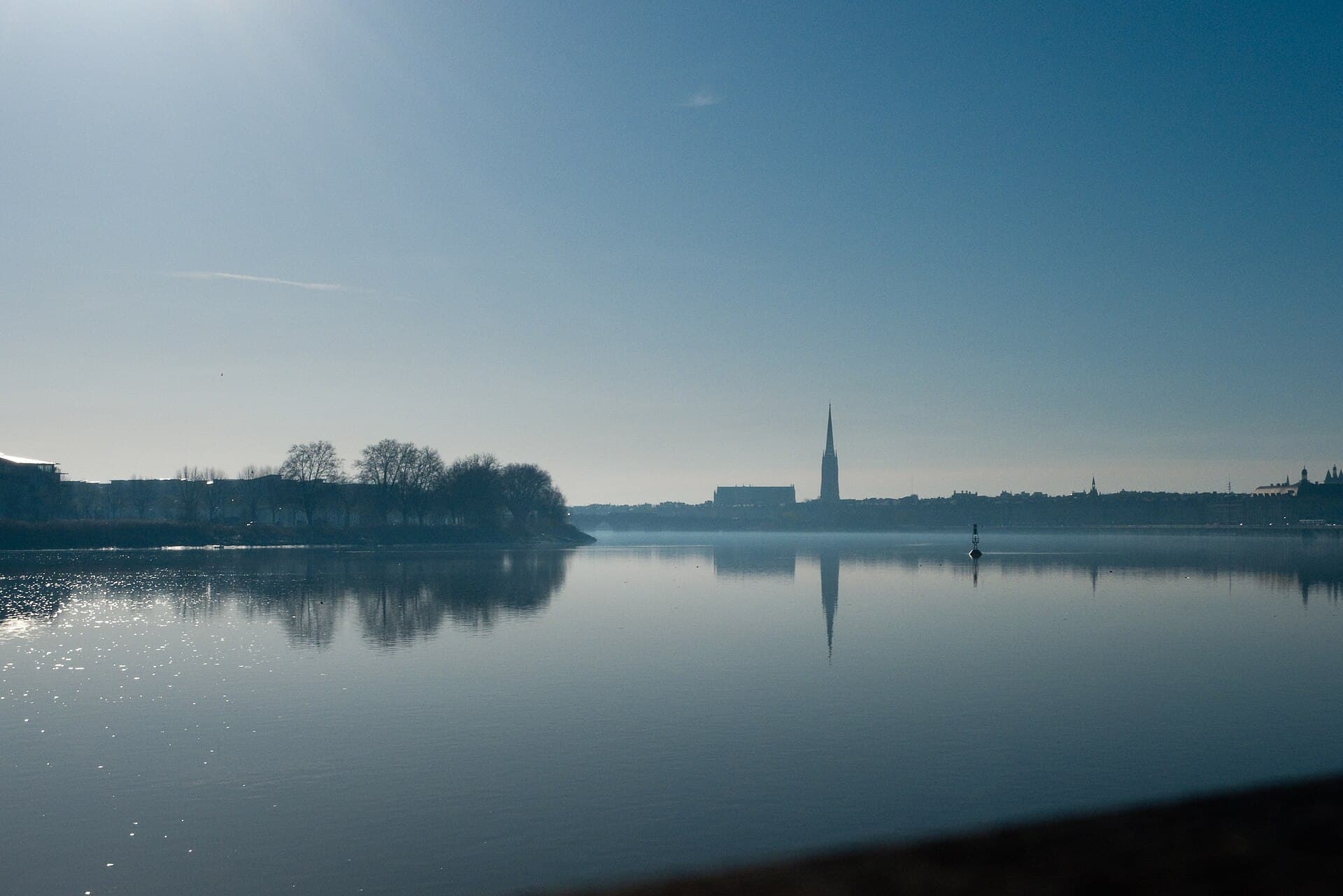 The Port of the MoonThe historic name for the port of Bordeaux and its whole riverfront, and the sou6 minutes walk4.8
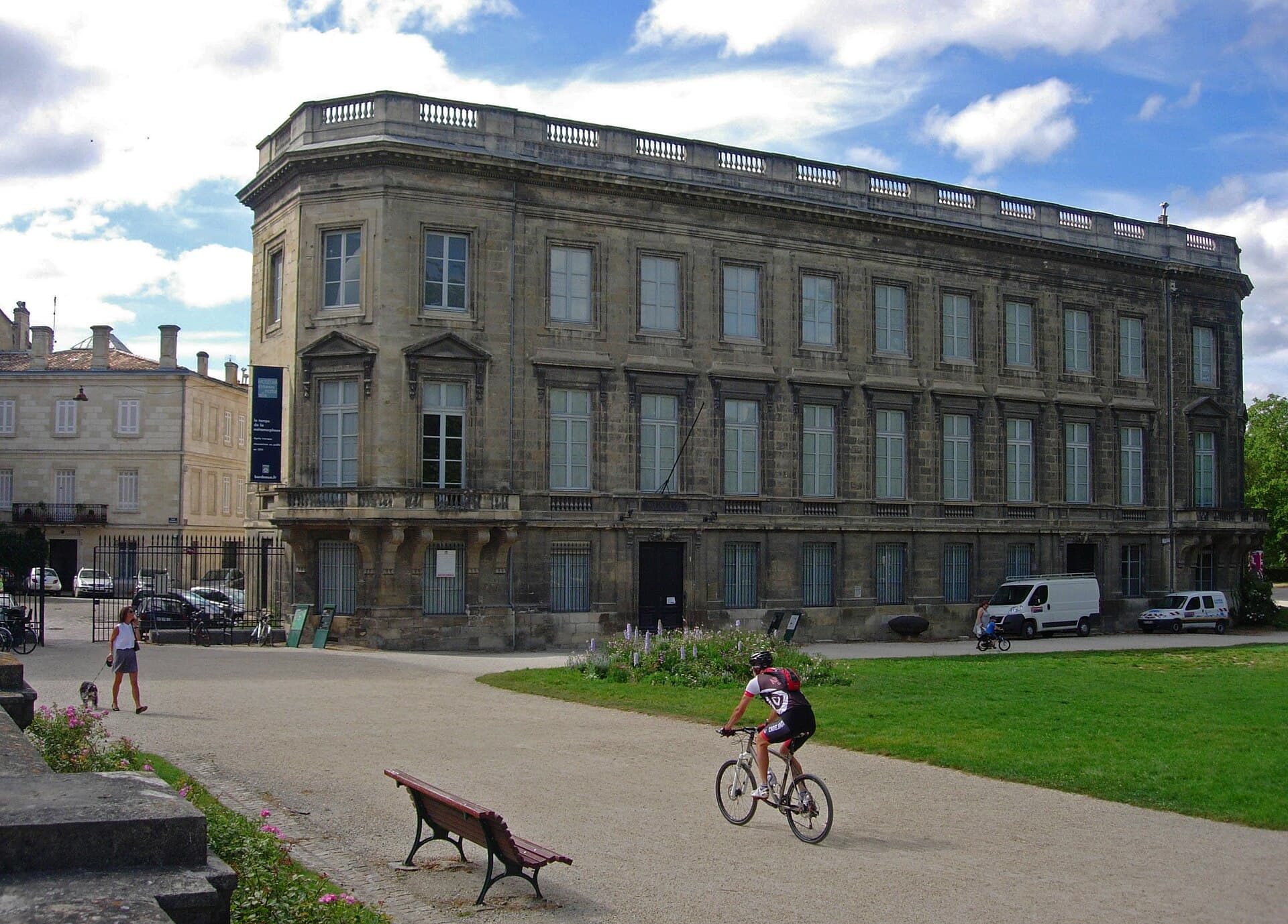 Muséum de Bordeaux — Science and NatureIt stands inside the **Jardin Public** in a small eighteenth-century mansion, an8 minutes walk4.7
Bordeaux's old wine trading quarter, north of the centre on the river. It held the merchants' warehouses — many of them Dutch, German and Irish traders who settled in Bordeaux for the wine business. Today the warehouses have become antique shops, galleries and cafés, and the district is among Bordeaux's liveliest and least crowded with tourists. The Sunday market on the riverfront is among the city's best.
It is among the earliest European examples of reusing a vast industrial building as a cultural space without erasing its character — an approach that later became common across Europe, from Tate Modern in London to Berlin's factories. When it opened in 1984 the decision was bold: most museums then wanted neutral white galleries, not brick arches and industrial windows.