The Capitoline Wolf
Rome's own emblem: a bronze she-wolf suckling the twins — the object that condenses the city's founding myth.
Tournasol7 — CC BY-SA 4.0 · Livioandronico2013 — CC BY-SA 4.0 · This Photo was taken by Wolfgang Moroder. Feel free to use my photos, but please mention me as the author and send me a message. This image is not in the public domain. Please respect the copyright pr — CC BY-SA 3.0 · This Photo was taken by Wolfgang Moroder. Feel free to use my photos, but please mention me as the author and send me a message. This image is not in the public domain. Please respect the copyright pr — CC BY-SA 3.0
The oldest public museum in the world: founded in 1471 when Pope Sixtus IV gave a collection of bronzes to the people of Rome — three centuries before the Louvre. It sits on the Capitoline, holiest of Rome's seven hills, in a piazza designed by Michelangelo himself, with its oval star pavement and famous sloping ramp. The collection is Rome telling its own story: the bronze Capitoline Wolf suckling Romulus and Remus (the city's emblem); the original equestrian Marcus Aurelius, which survived because Christians mistook it for Constantine; the colossal head and hand of Constantine from a statue twelve metres tall; and the Dying Gaul, which makes marble look exhausted. And the practical reward: an underground passage links the two wings and emerges onto the Tabularium terrace, overlooking the entire Roman Forum from above — the best Forum view in Rome, and included in the ticket.
Rome's own emblem: a bronze she-wolf suckling the twins — the object that condenses the city's founding myth.
A two-metre head and a hand with a finger taller than you — remnants of a twelve-metre statue, in Rome's most photographed courtyard.
From the arches of the ancient Roman record office the whole Forum spreads below — a view that beats walking the ruins themselves.
The square itself is a masterpiece: an oval star pavement with Marcus Aurelius at its centre — free and always open.
Piazza del Campidoglio, Rome
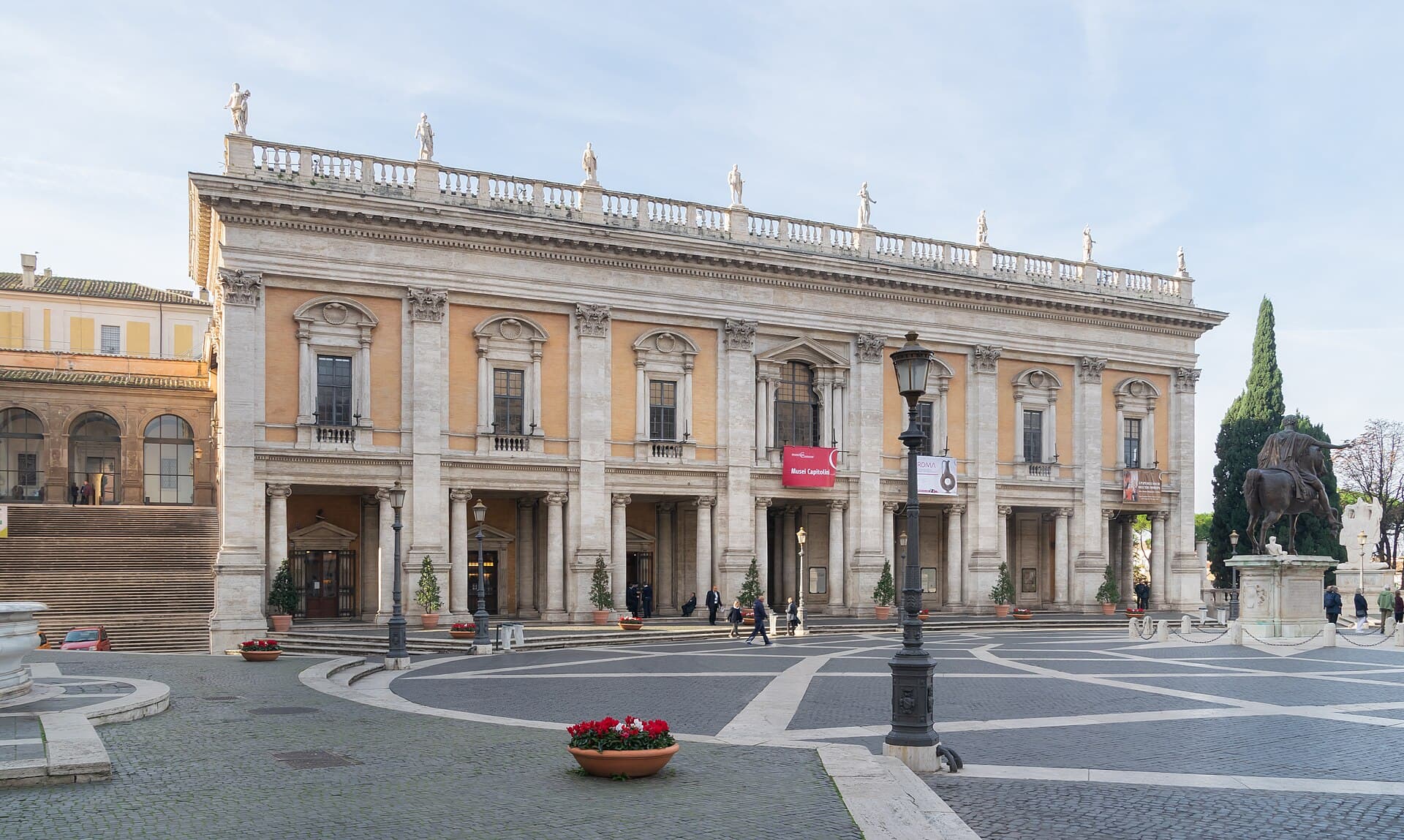 The Palazzo dei ConservatoriOne of the two palaces of the Capitoline Museums on the Piazza del Campidoglio, 1 minute walk4.6
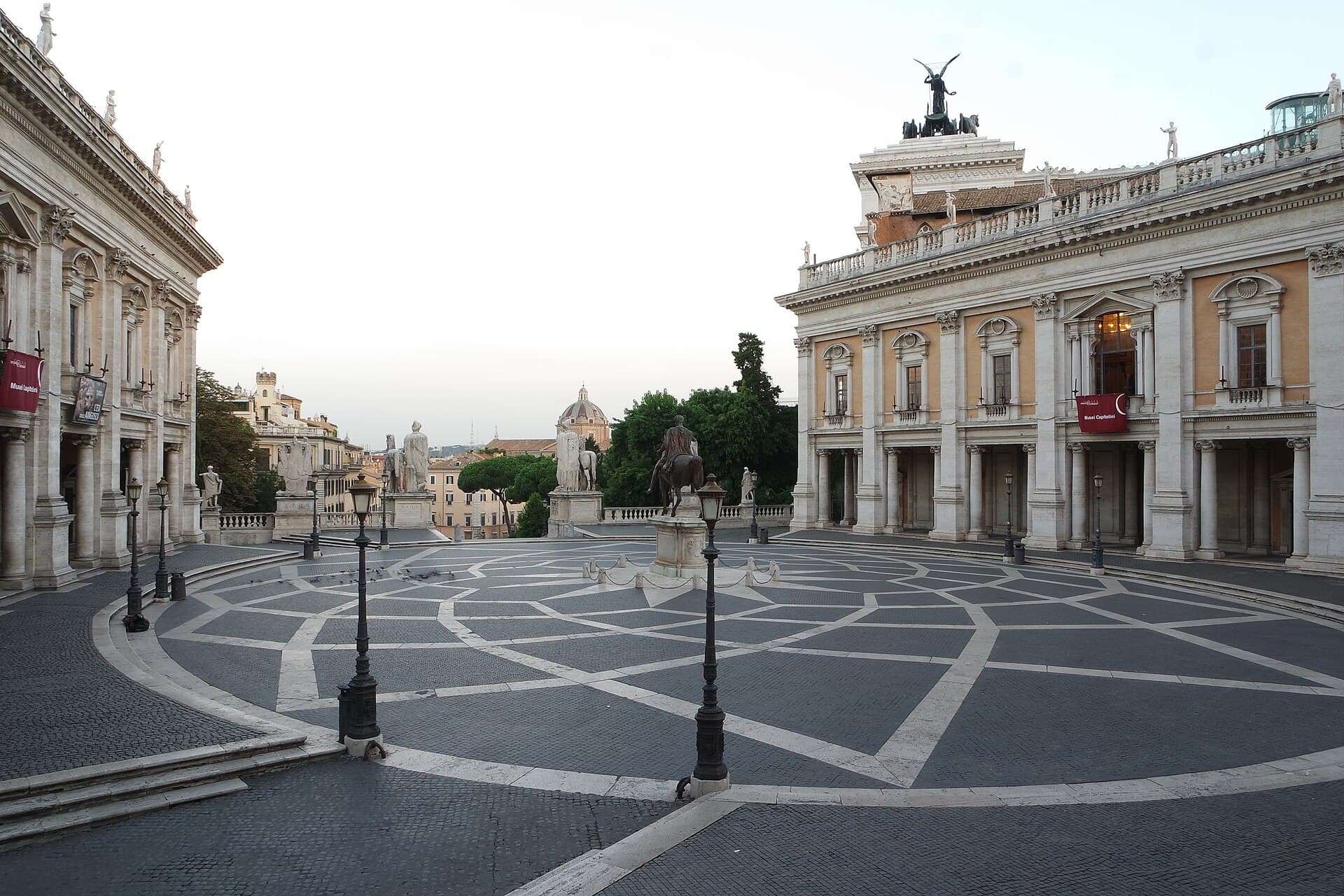 Piazza del CampidoglioA square designed by Michelangelo in 1536 atop the Capitoline — holiest of Rome'1 minute walk4.8
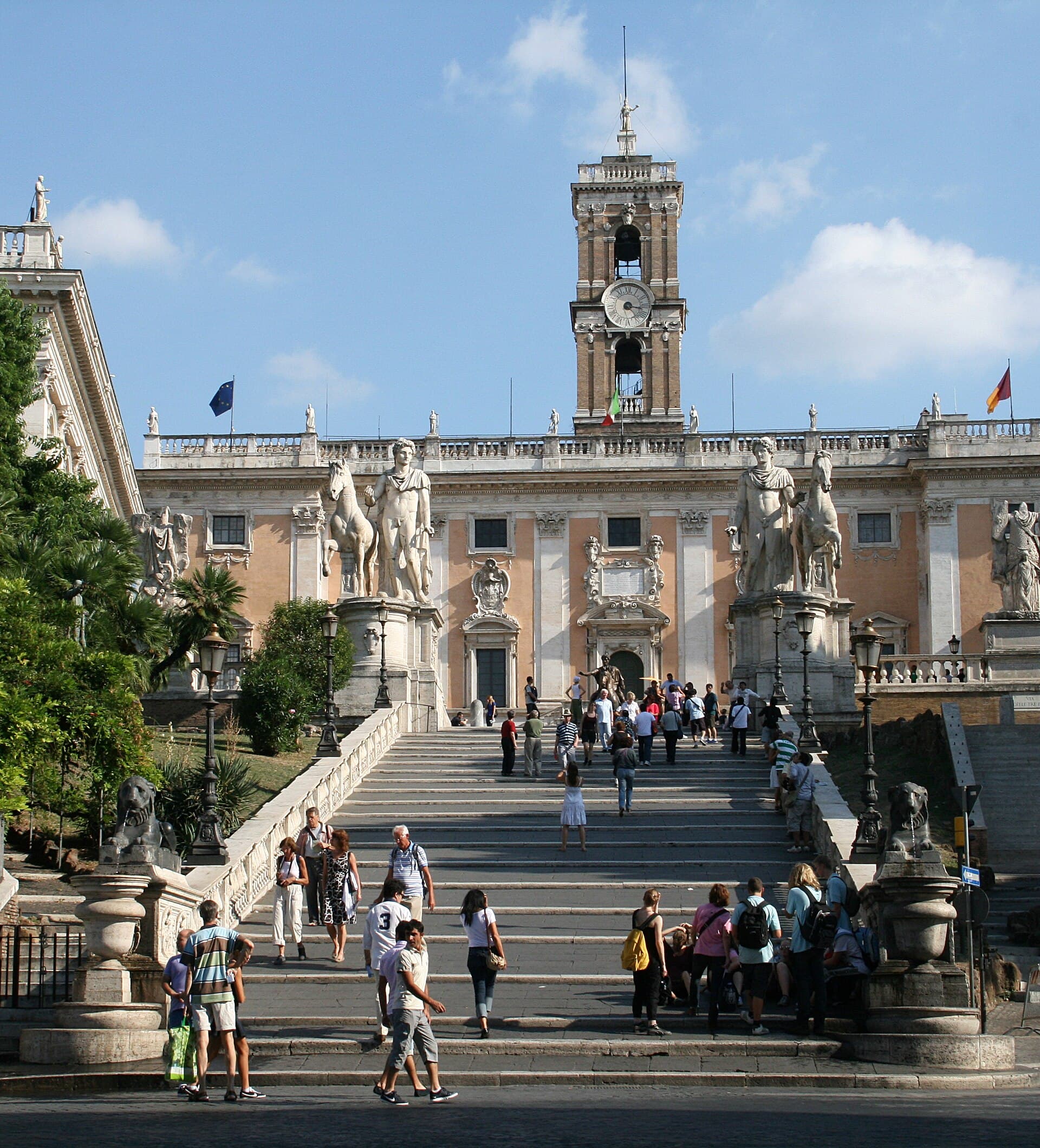 The Cordonata CapitolinaThe stair rising to the Piazza del Campidoglio on the Capitoline Hill, designed 1 minute walk4.7
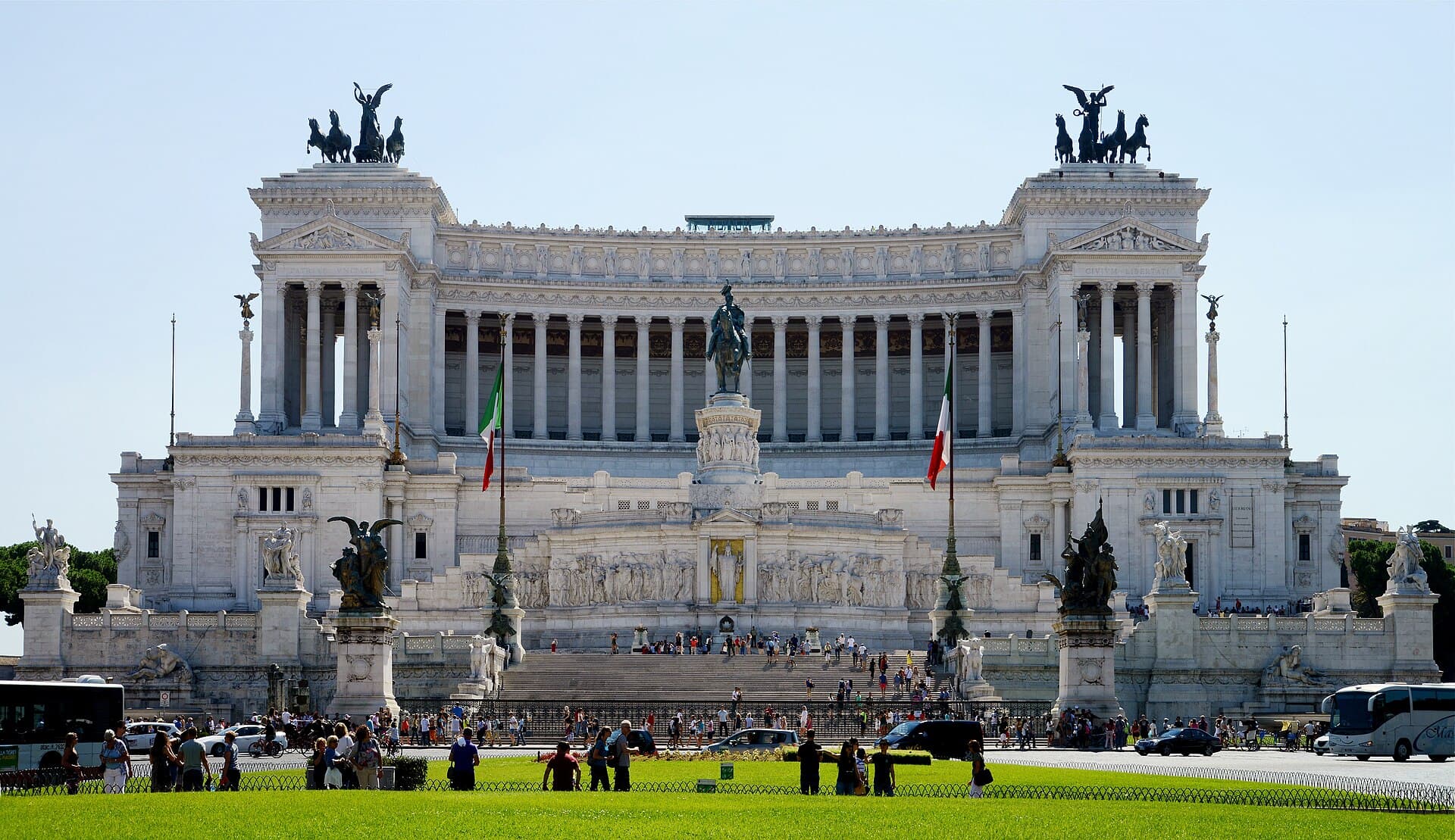 Altare della PatriaThe vast white marble mass you cannot miss in central Rome: the monument to Vict2 minutes walk4.7
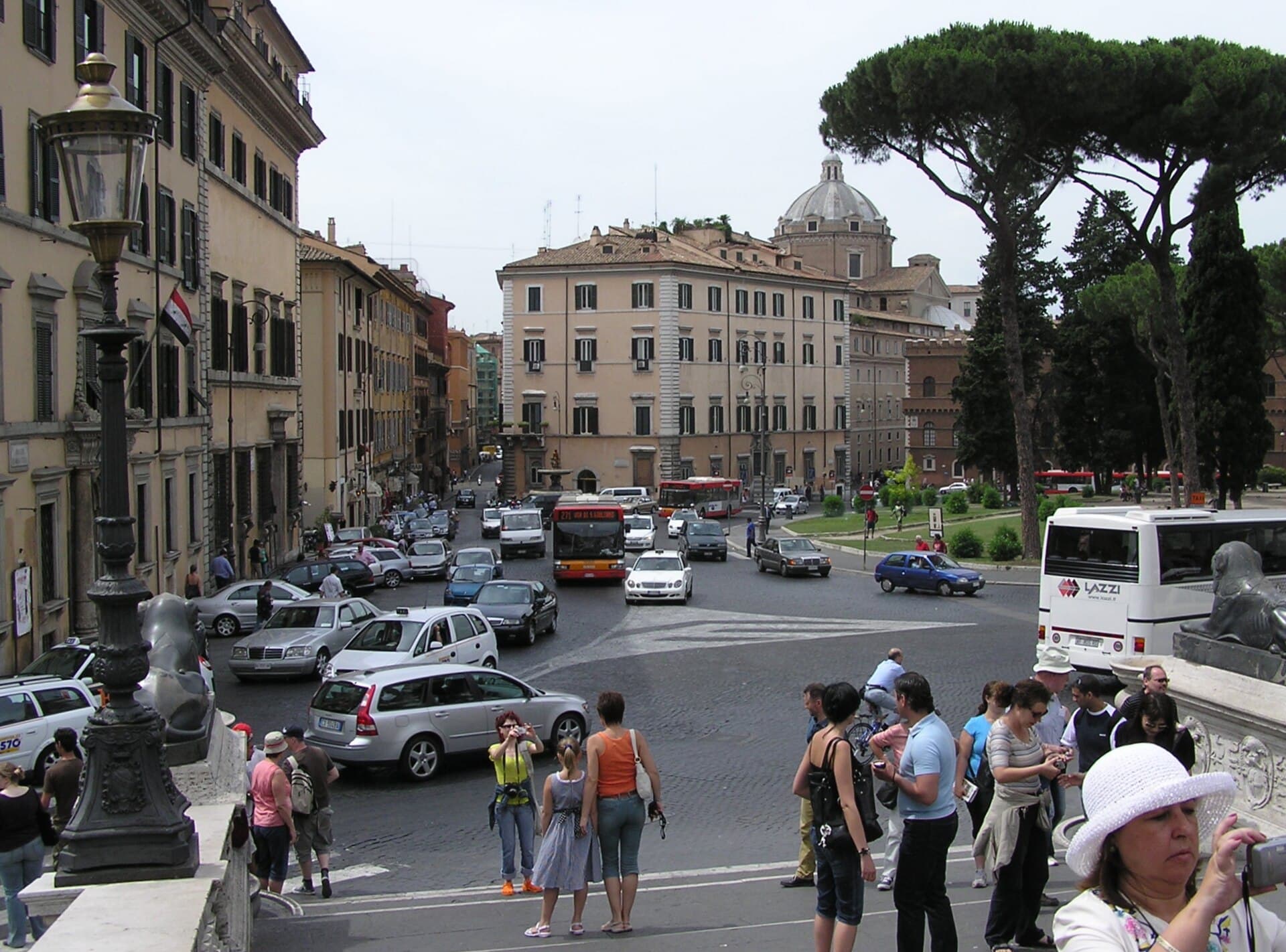 Piazza d'AracoeliA small square at the foot of the Capitoline Hill in Rome, where two famous stai3 minutes walk4.5
Looking for halal food near Capitoline Museums? There are several options nearby, from Moroccan and Indian kitchens to quick casual spots and places with a view. Confirm the halal status and opening hours before you go — these can change.
Yes — they don't overlap: the Vatican is universal religious and Renaissance art; the Capitoline is ancient Rome telling its own story. It's also far quieter, and its Forum terrace has no substitute.
Ninety minutes covers the highlights plus the terrace; three hours for readers and lingerers. The top-floor café has a view terrace worth a break.