The Capitoline Wolf
The bronze of the she-wolf suckling Romulus and Remus.
Tournasol7 — CC BY-SA 4.0 · Wilfredor — CC0 · Tournasol7 — CC BY-SA 4.0 · Tournasol7 — CC BY-SA 4.0
One of the two palaces of the Capitoline Museums on the Piazza del Campidoglio, holding the collection's most famous pieces. The Capitoline Museums are the oldest public museums in the world: they began in 1471 when Pope Sixtus IV gave a collection of ancient bronzes to the people of Rome and placed them on the Capitol. The idea itself — that antiquities should be shown to the public rather than kept in a private palace — was entirely new. The palace holds three pieces counted among the icons of western art: the bronze Capitoline Wolf suckling Romulus and Remus; the Spinario, a Hellenistic bronze of a boy examining his foot; and the colossal head of Constantine from a statue that stood twelve metres, with his hand and foot beside it in the courtyard. It also holds a picture gallery with works by Caravaggio, Titian and Rubens. Visited on a ticket, with a terrace looking over the Forum.
The bronze of the she-wolf suckling Romulus and Remus.
From a statue twelve metres tall, with his hand and foot beside it.
A Hellenistic bronze of a boy examining his foot, among antiquity's most famous.
Piazza del Campidoglio, the Capitoline Hill
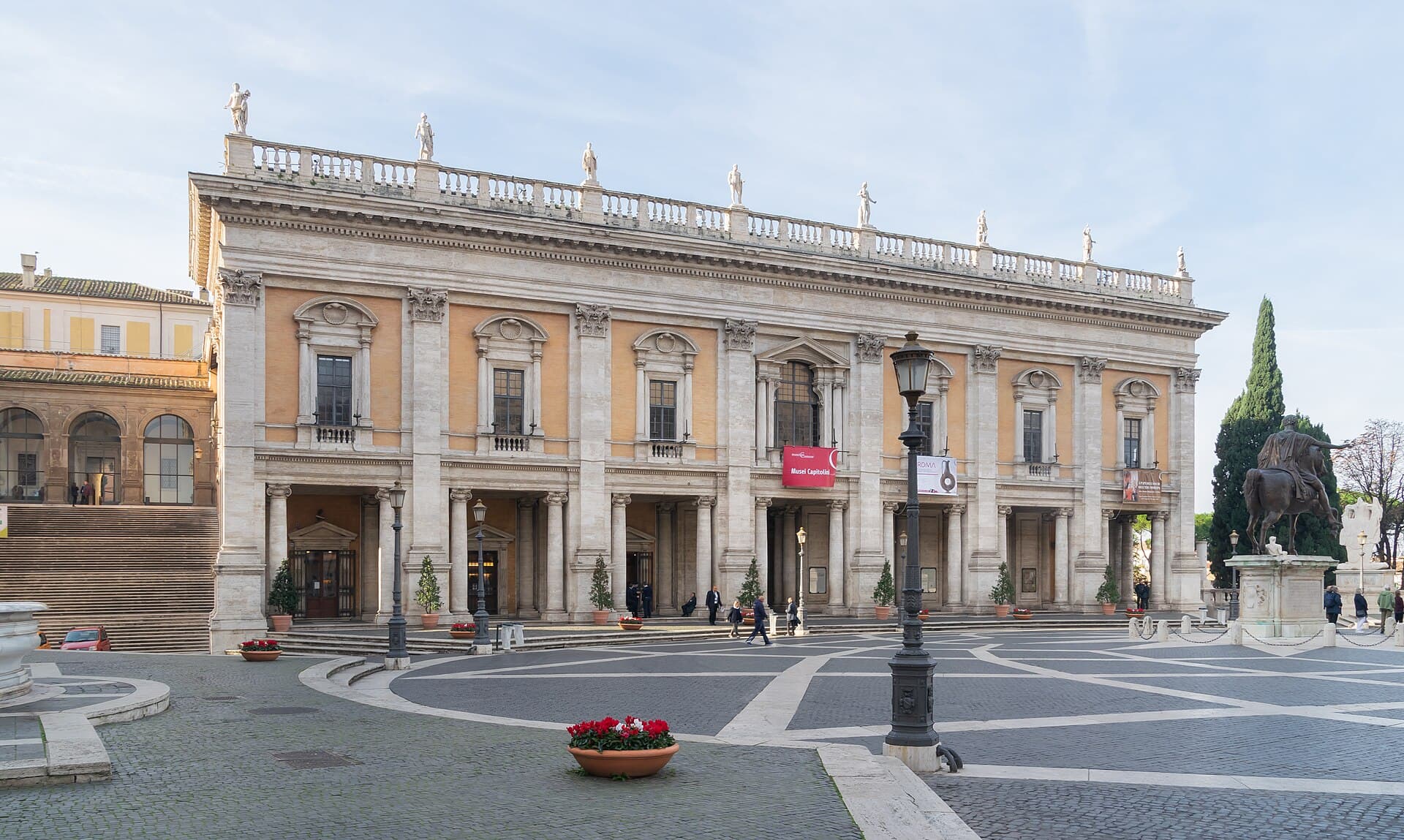 Capitoline MuseumsThe oldest public museum in the world: founded in 1471 when Pope Sixtus IV gave 1 minute walk4.6
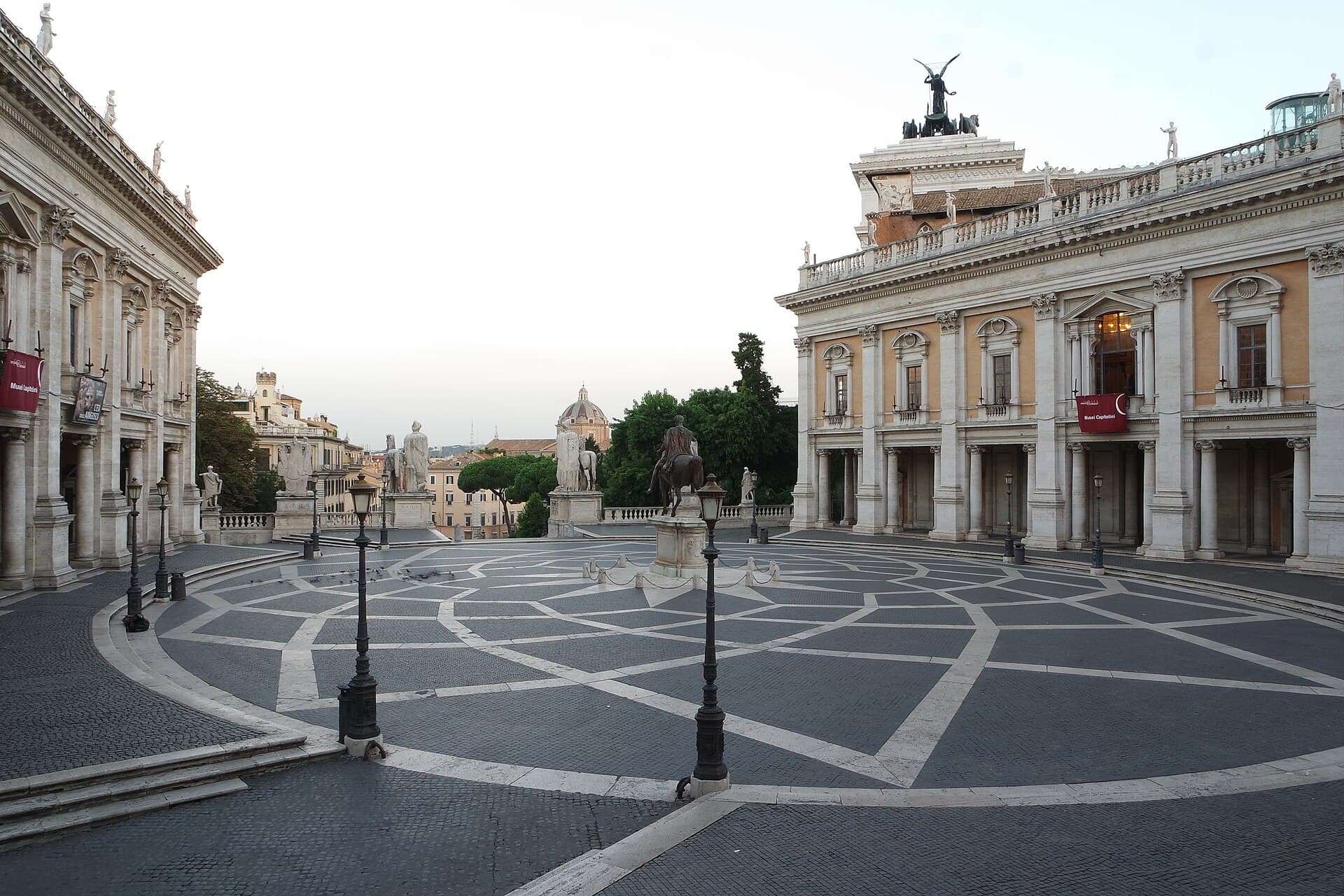 Piazza del CampidoglioA square designed by Michelangelo in 1536 atop the Capitoline — holiest of Rome'1 minute walk4.8
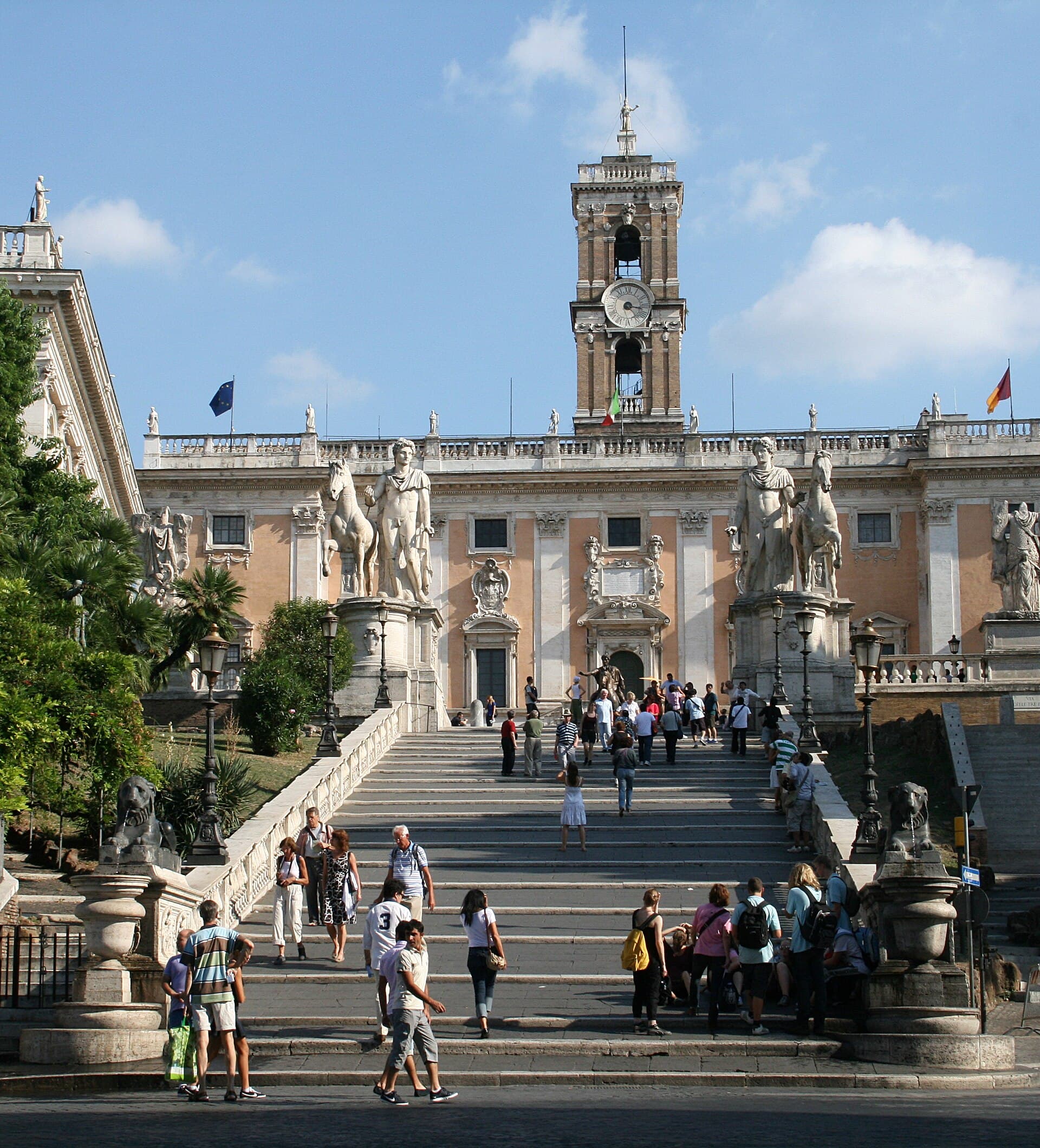 The Cordonata CapitolinaThe stair rising to the Piazza del Campidoglio on the Capitoline Hill, designed 1 minute walk4.7
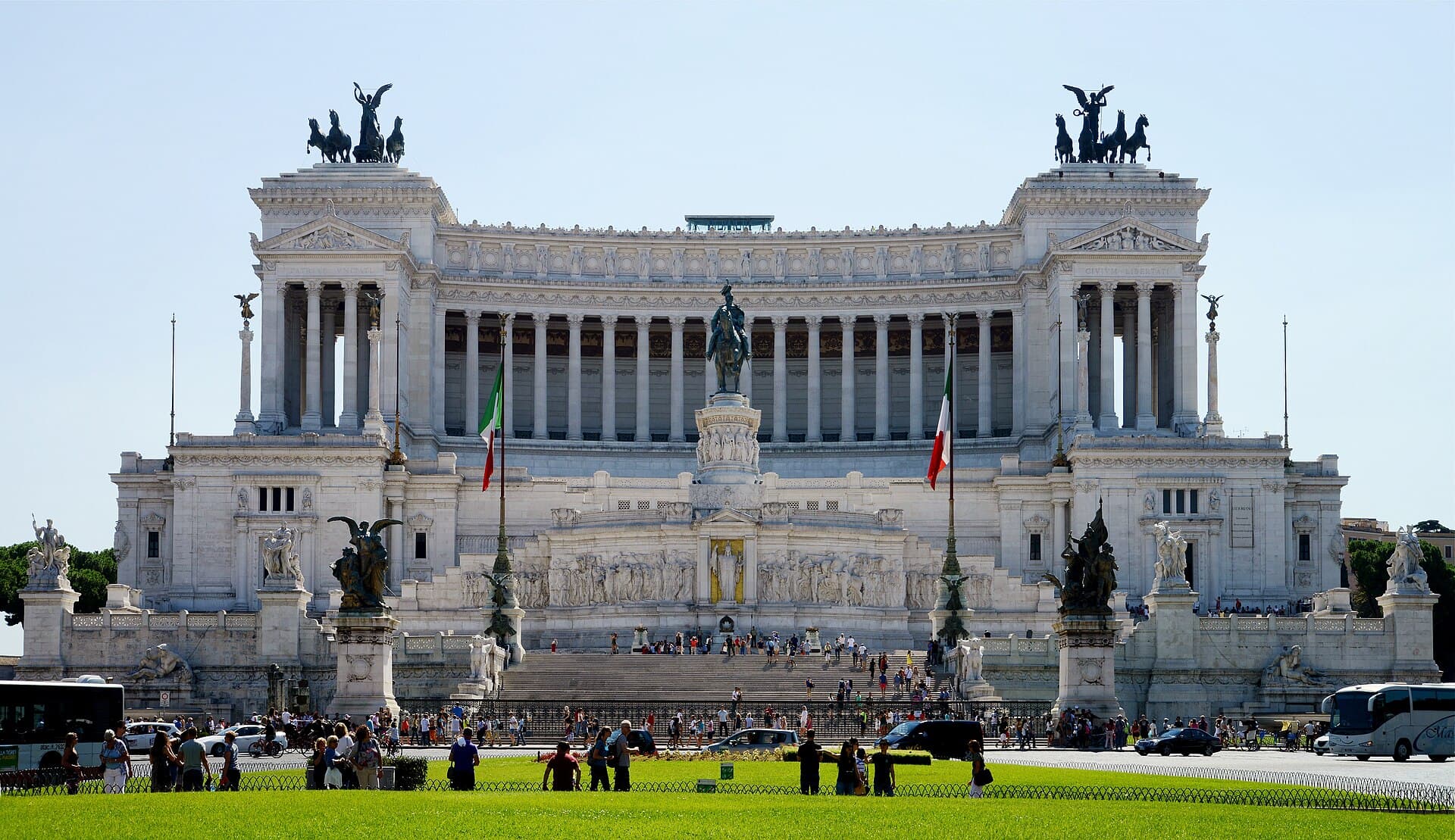 Altare della PatriaThe vast white marble mass you cannot miss in central Rome: the monument to Vict2 minutes walk4.7
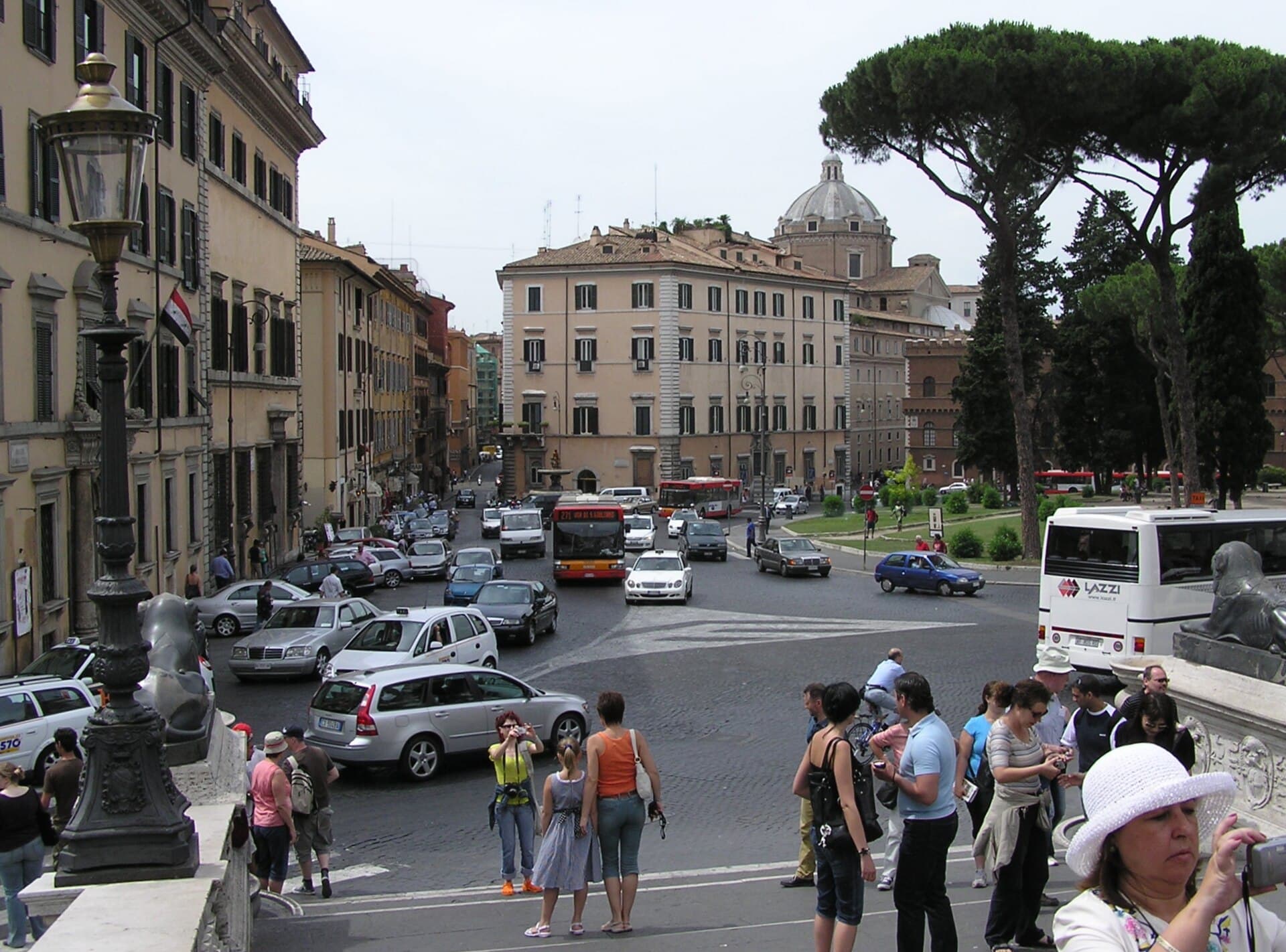 Piazza d'AracoeliA small square at the foot of the Capitoline Hill in Rome, where two famous stai2 minutes walk4.5
Looking for halal food near The Palazzo dei Conservatori? There are several options nearby, from Moroccan and Indian kitchens to quick casual spots and places with a view. Confirm the halal status and opening hours before you go — these can change.
For centuries it was attributed to Etruscan art of the fifth century BC, with the twins beneath it a Renaissance addition probably by Antonio Pollaiuolo. But analyses carried out in 2006 of the casting technique and metal proportions suggested the wolf itself is medieval — the eleventh or twelfth century. The debate is not finally settled and remains contested among specialists, but the ancient dating is no longer accepted without reservation.
The Conservatori holds the famous bronzes, Constantine's head, the picture gallery and the original Marcus Aurelius. The Palazzo Nuovo opposite holds the collection of Roman and Greek marble sculpture — the Capitoline Venus, the Dying Gaul, and the hall of emperors with its rows of busts. One ticket covers both, and the underground passage linking them runs past the foundations of the temple of Jupiter.