Reversed perspective
It widens as it rises, so the square looks closer and larger.
Jean-Pol GRANDMONT — CC BY-SA 3.0 · Falk2 — CC BY-SA 4.0 · Falk2 — CC BY-SA 4.0 · Krzysztof Golik — CC BY-SA 4.0
The stair rising to the Piazza del Campidoglio on the Capitoline Hill, designed by Michelangelo in the 1540s. What distinguishes it is that it is not an ordinary staircase: the steps are very wide and very low, which is what a cordonata is — a stair designed to be ridden up on horseback without dismounting. The gradient is gradual and the tread comfortable and regular. Michelangelo designed it to widen slightly from bottom to top, the opposite of what natural perspective does — the effect being that the square above appears closer and larger than it is. This is part of a complete redesign of the hill commissioned by the pope in 1536 in preparation for a visit by Emperor Charles V. Michelangelo turned the square through a hundred and eighty degrees to face St Peter's instead of the Forum — that is, it turns its back on ancient Rome and faces papal Rome. A public space, free to walk.
It widens as it rises, so the square looks closer and larger.
To face St Peter's instead of the Forum.
The pope commissioned it in 1536 for Charles V.
The ascent to the Capitoline Hill
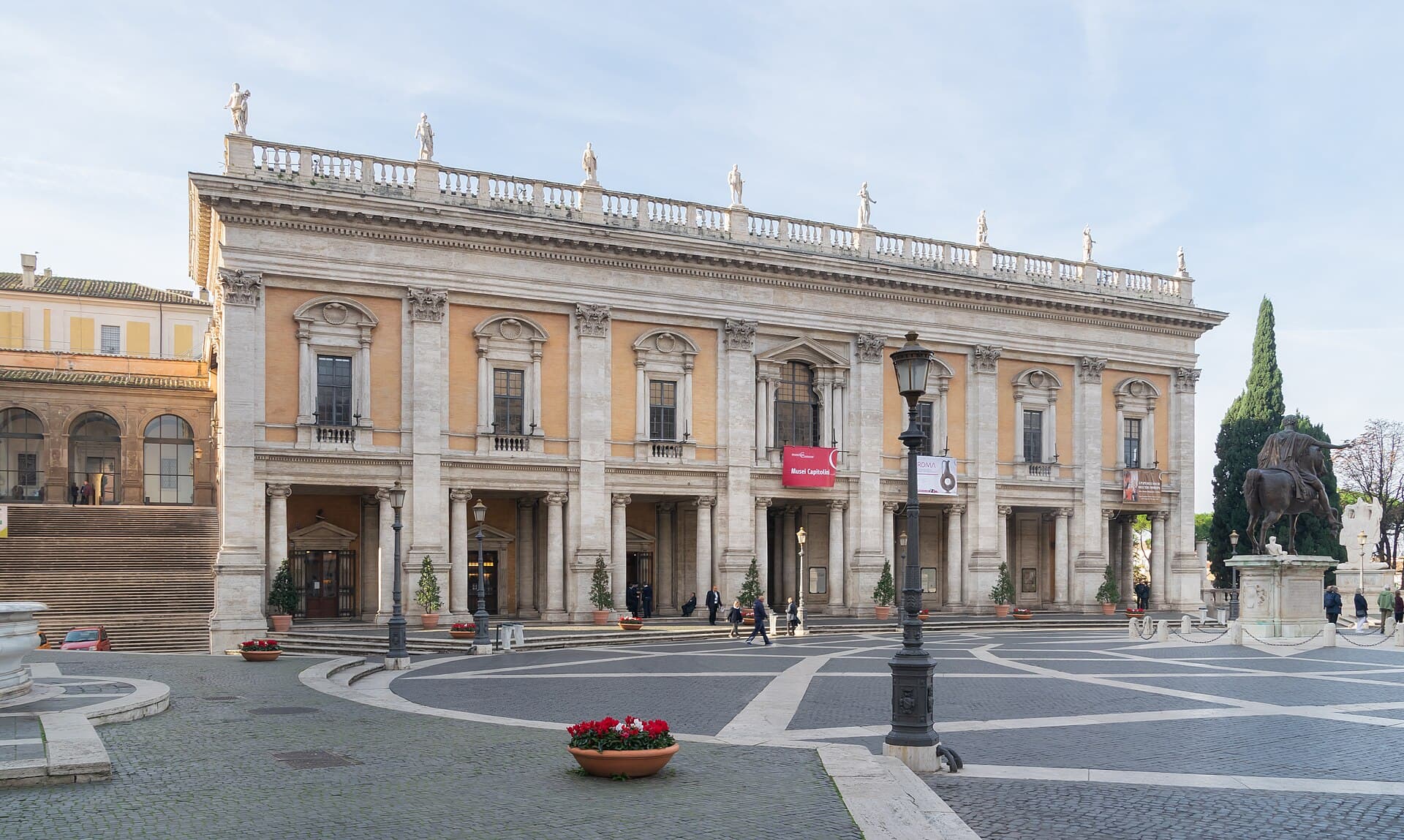 The Palazzo dei ConservatoriOne of the two palaces of the Capitoline Museums on the Piazza del Campidoglio, 1 minute walk4.6
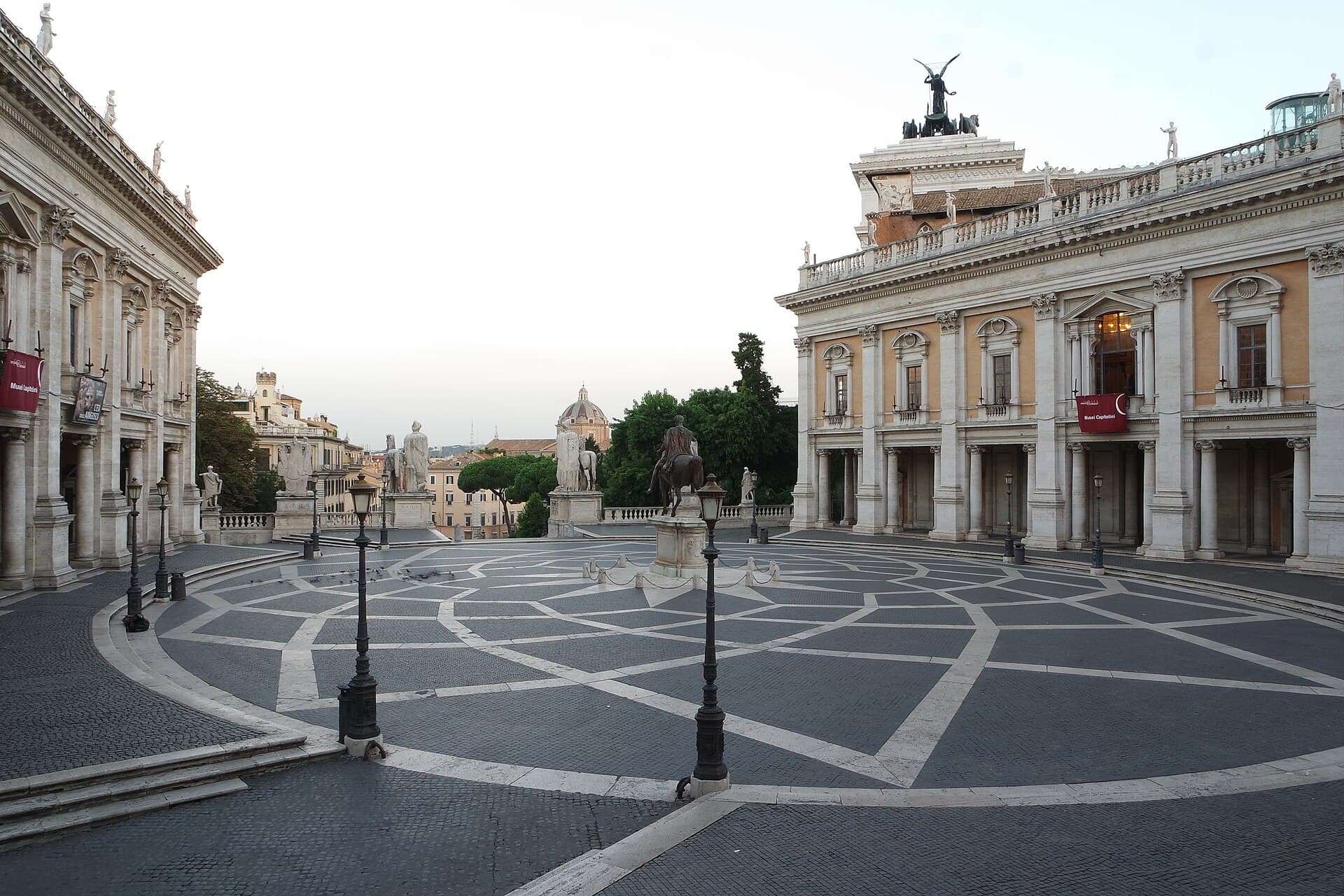 Piazza del CampidoglioA square designed by Michelangelo in 1536 atop the Capitoline — holiest of Rome'1 minute walk4.8
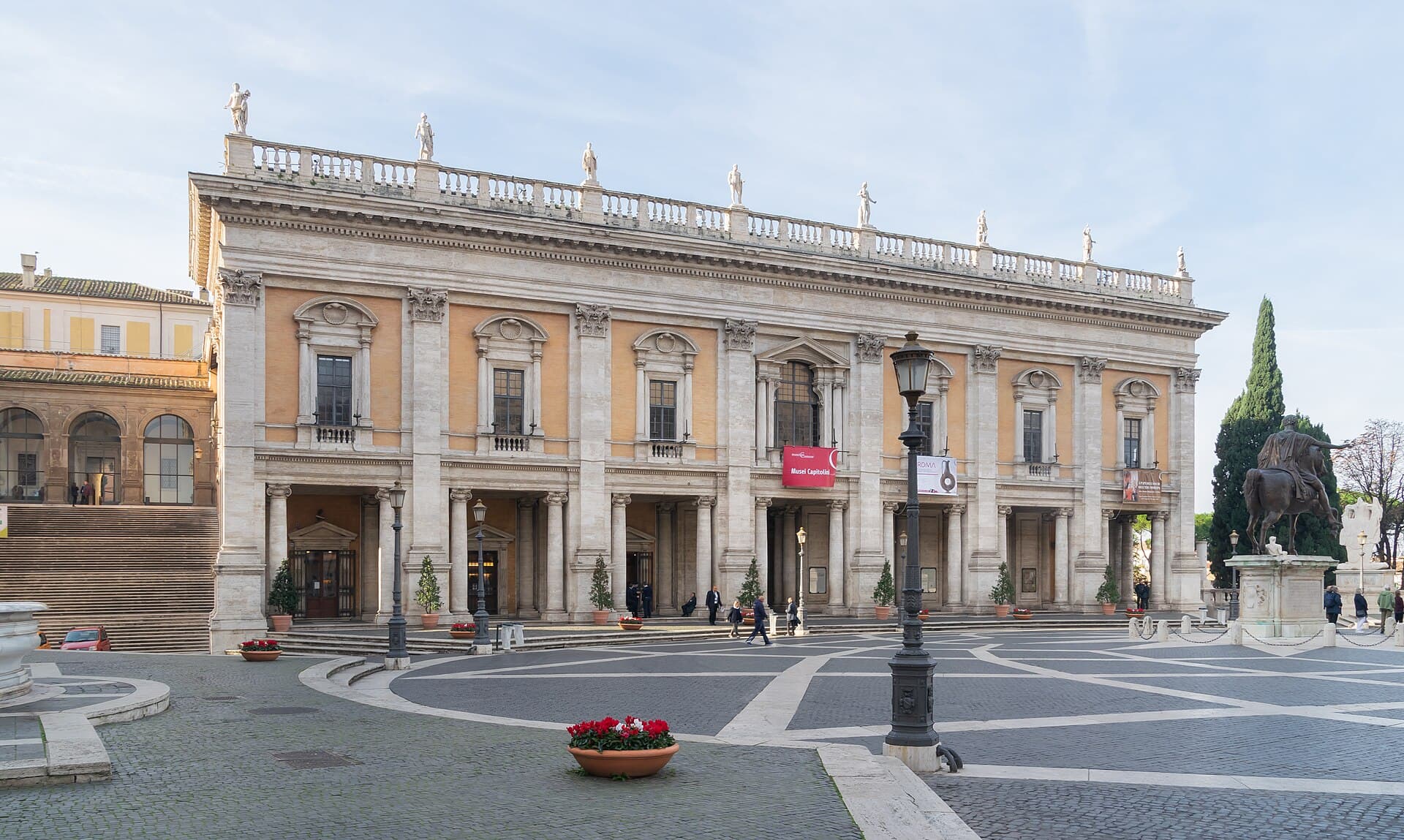 Capitoline MuseumsThe oldest public museum in the world: founded in 1471 when Pope Sixtus IV gave 1 minute walk4.6
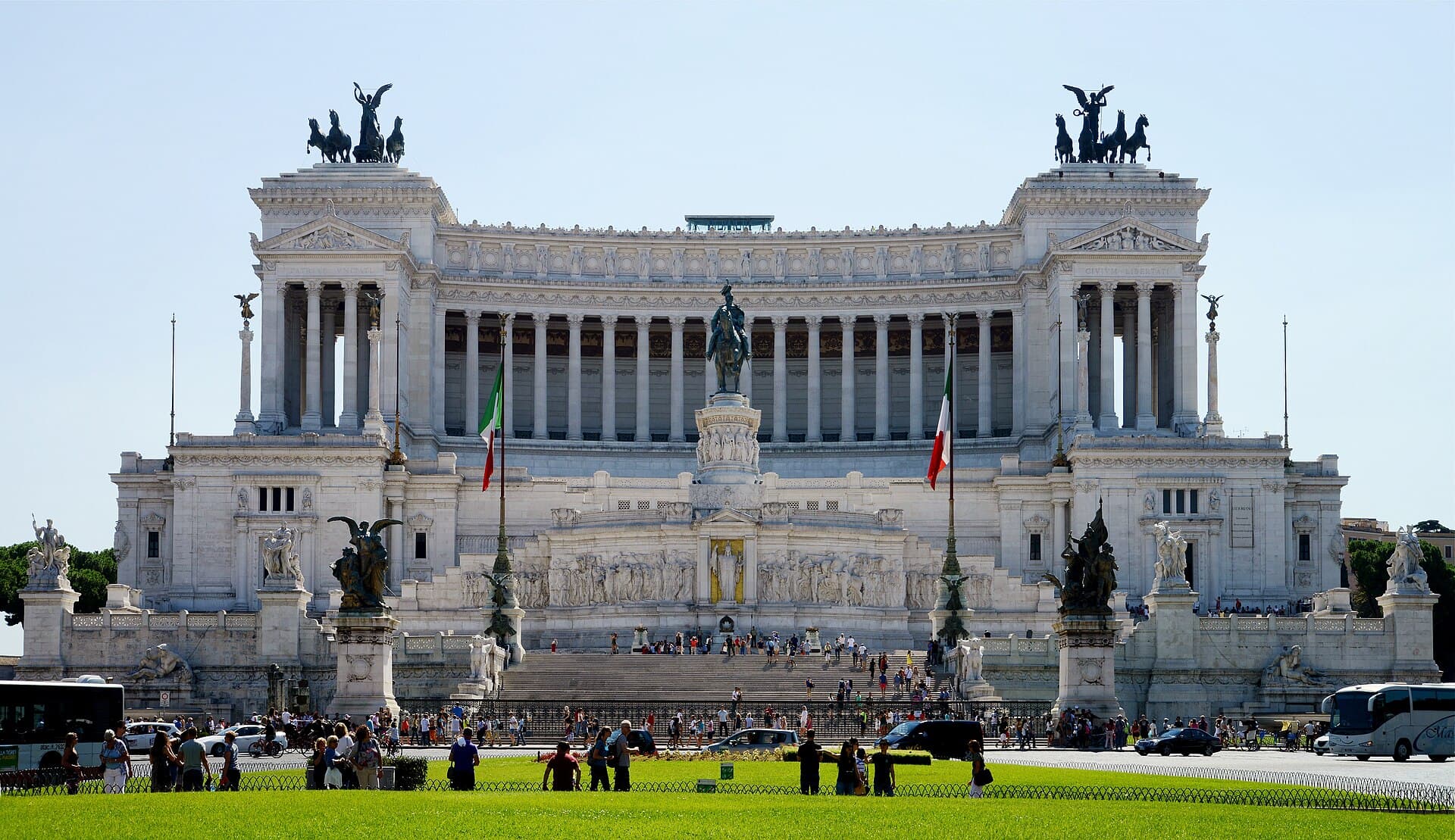 Altare della PatriaThe vast white marble mass you cannot miss in central Rome: the monument to Vict2 minutes walk4.7
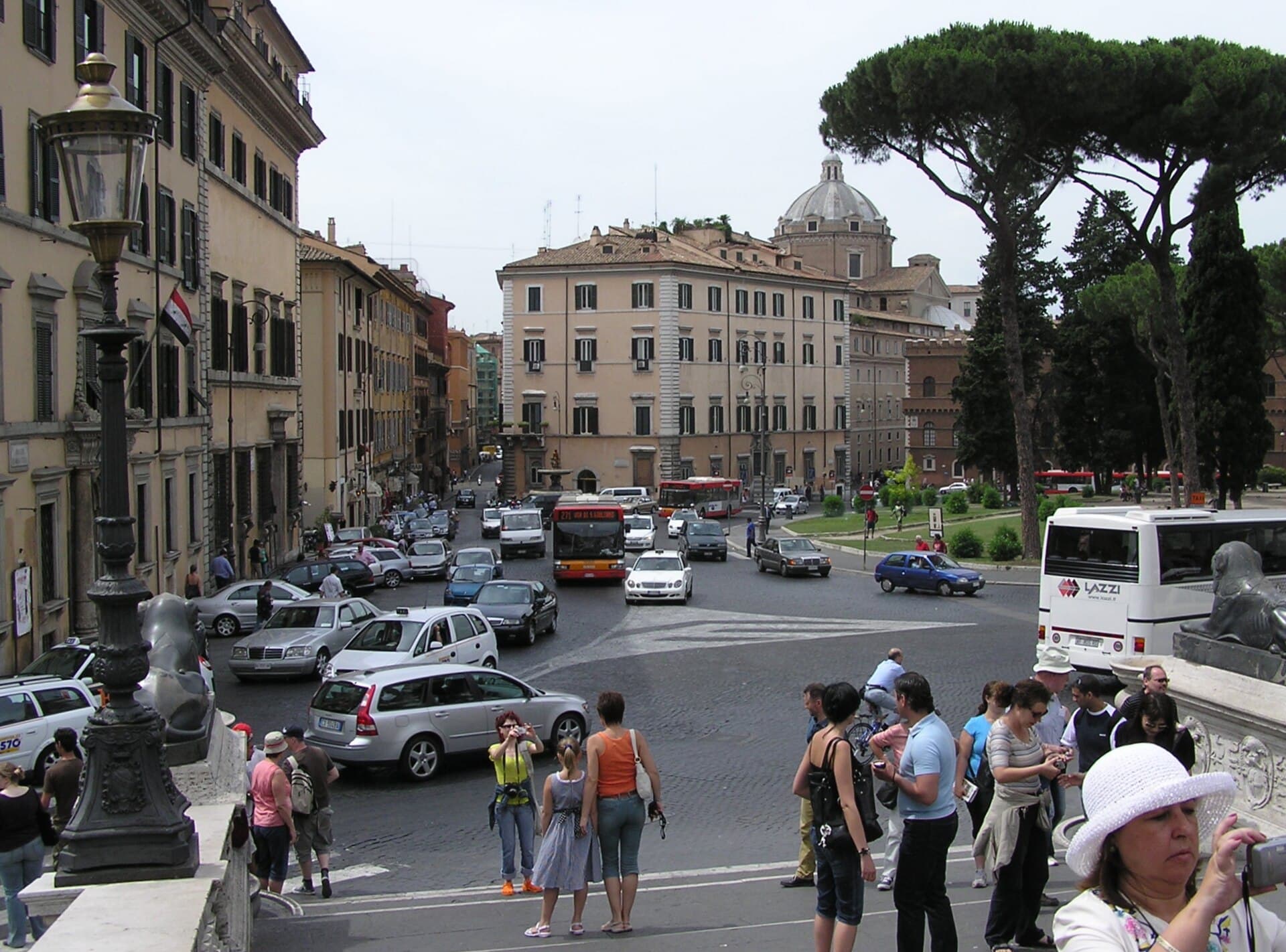 Piazza d'AracoeliA small square at the foot of the Capitoline Hill in Rome, where two famous stai2 minutes walk4.5
Looking for halal food near The Cordonata Capitolina? There are several options nearby, from Moroccan and Indian kitchens to quick casual spots and places with a view. Confirm the halal status and opening hours before you go — these can change.
Because the Capitol was ancient Rome's religious and political centre and its buildings faced the Forum — that is, faced their own past. Pope Paul III wanted a visual declaration that the city's centre had moved: living Rome was now papal Rome west of the river around St Peter's. Turning the square was as much a political statement as an architectural decision. The square itself, with its oval paving pattern, is also Michelangelo's design but was not executed until the twentieth century.
The Piazza del Campidoglio with three palaces: the Palazzo Senatorio in the middle, today Rome's city hall, and the Palazzo dei Conservatori and Palazzo Nuovo on either side, together forming the Capitoline Museums — the oldest public museums in the world. At the centre of the square stands a copy of the equestrian Marcus Aurelius, the original inside the museum. And behind the Palazzo Senatorio a terrace looks out over the whole Roman Forum, free.