
The working models
Explaining the pressure and heat required.
Peter Schmelzle — CC BY-SA 3.0 · Jopparn — CC BY-SA 4.0 · Jopparn — CC BY-SA 4.0 · Jopparn — CC BY-SA 4.0
The Carl Bosch Museum is devoted to a German chemist barely known outside his field, though his work changed the life of almost every person on earth. Bosch (1874-1940) is the man who turned nitrogen fixation from a laboratory reaction into an industrial process at enormous scale — which is how fertiliser is still made today. The impact is hard to overstate: it is estimated that roughly half the nitrogen in human bodies today has passed through this process, and that modern agriculture could not feed the world's current population without it. But the story is not a clean one: the same process let Germany manufacture explosives in the First World War once its imports were cut off, and the museum does not avoid that side. The displays are interactive and technical: working models explaining the pressure and heat the process demands, original laboratory equipment, and material on Bosch's life, including his 1931 Nobel Prize. The museum is small, in an annexe to Bosch's villa on a slope overlooking the town, and it is specialist in character rather than a general crowd-pleaser.
Explaining the pressure and heat required.
The same process made wartime explosives.
Schloss-Wolfsbrunnenweg 46, 69118 Heidelberg
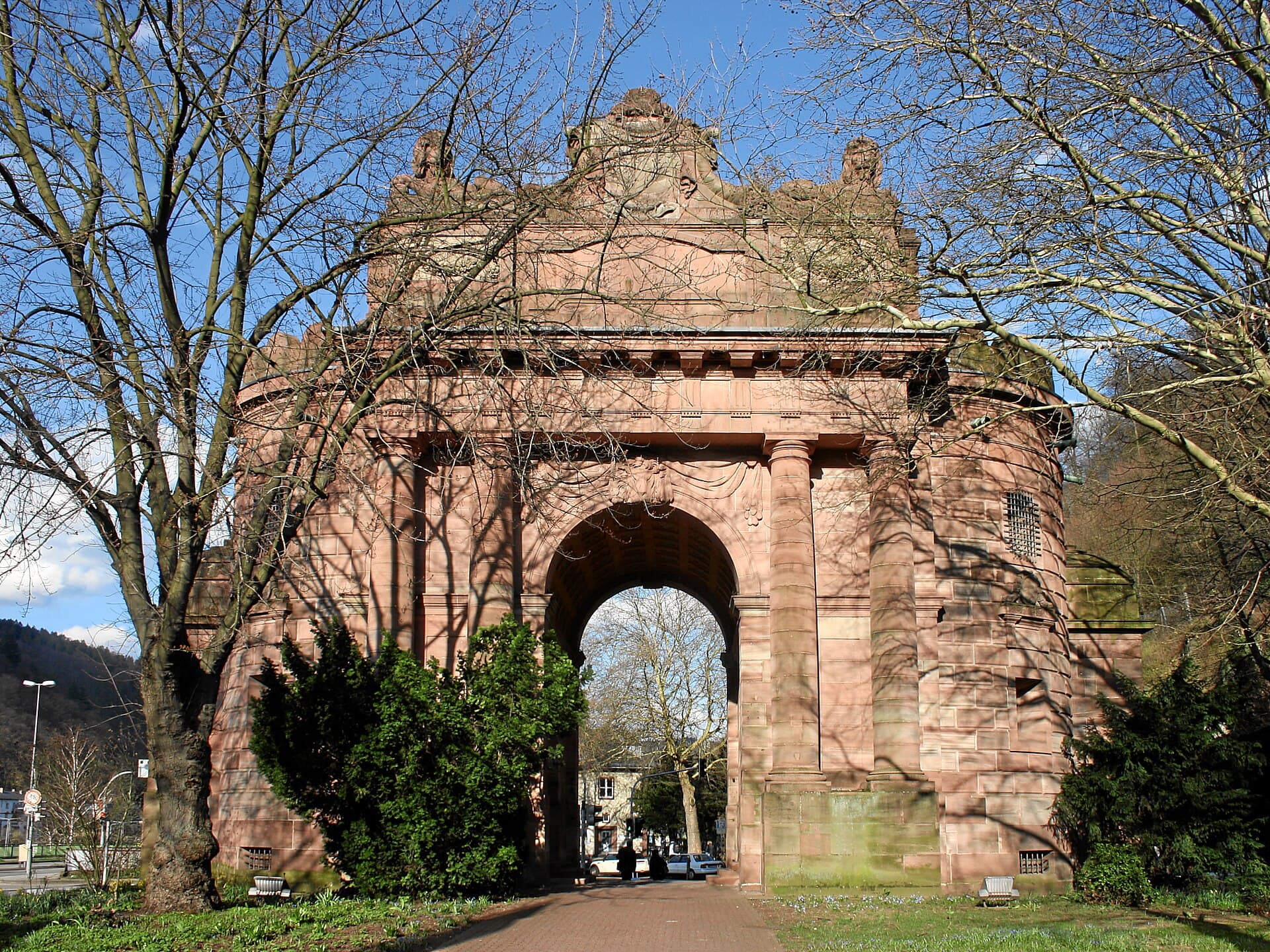 KarlstorThe Karlstor is a stone triumphal arch at the eastern end of Heidelberg's old to11 minutes walk4.5
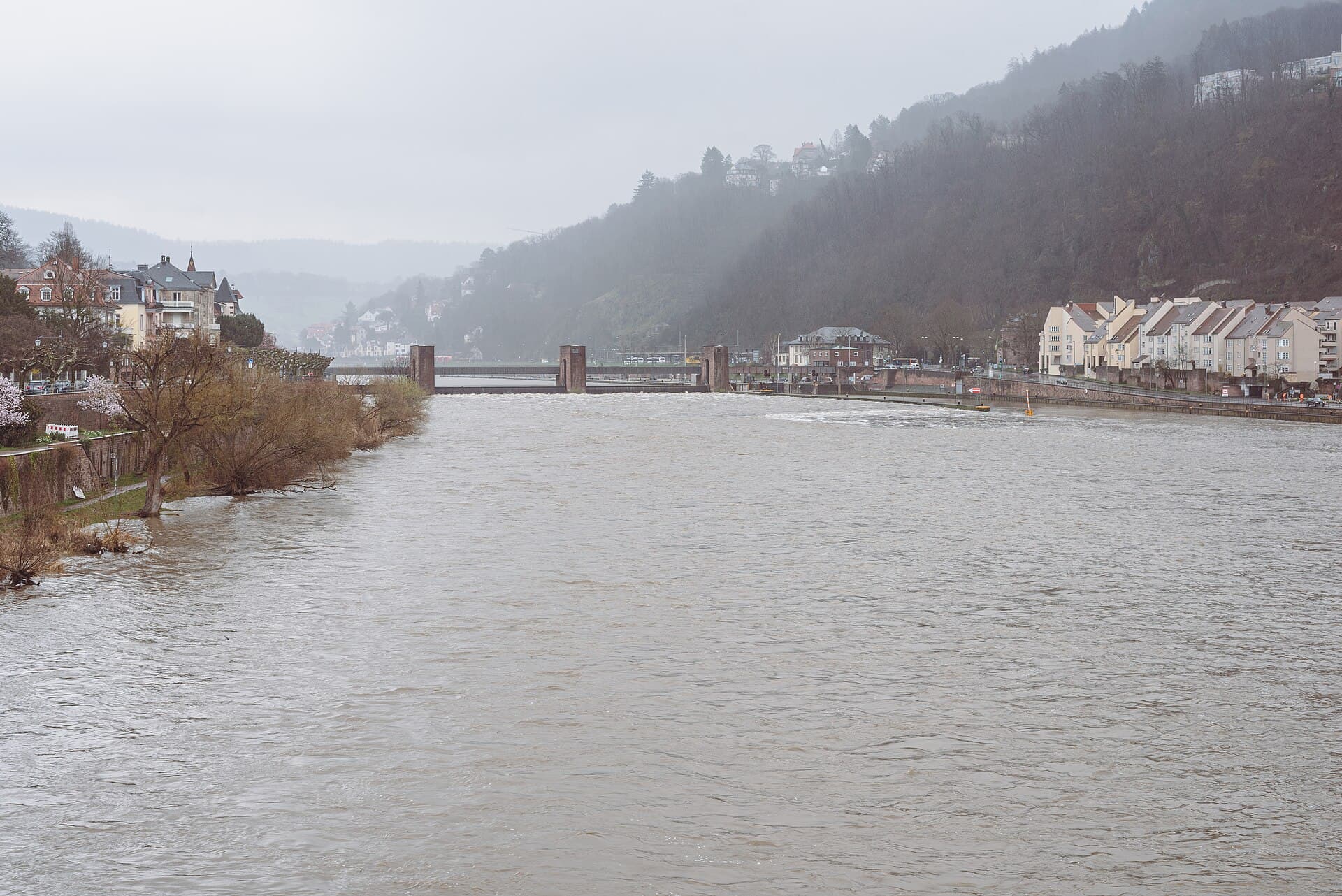 Heidelberg Weir and LockThe Heidelberg Staustufe is an installation on the river Neckar combining a smal12 minutes walk4.5
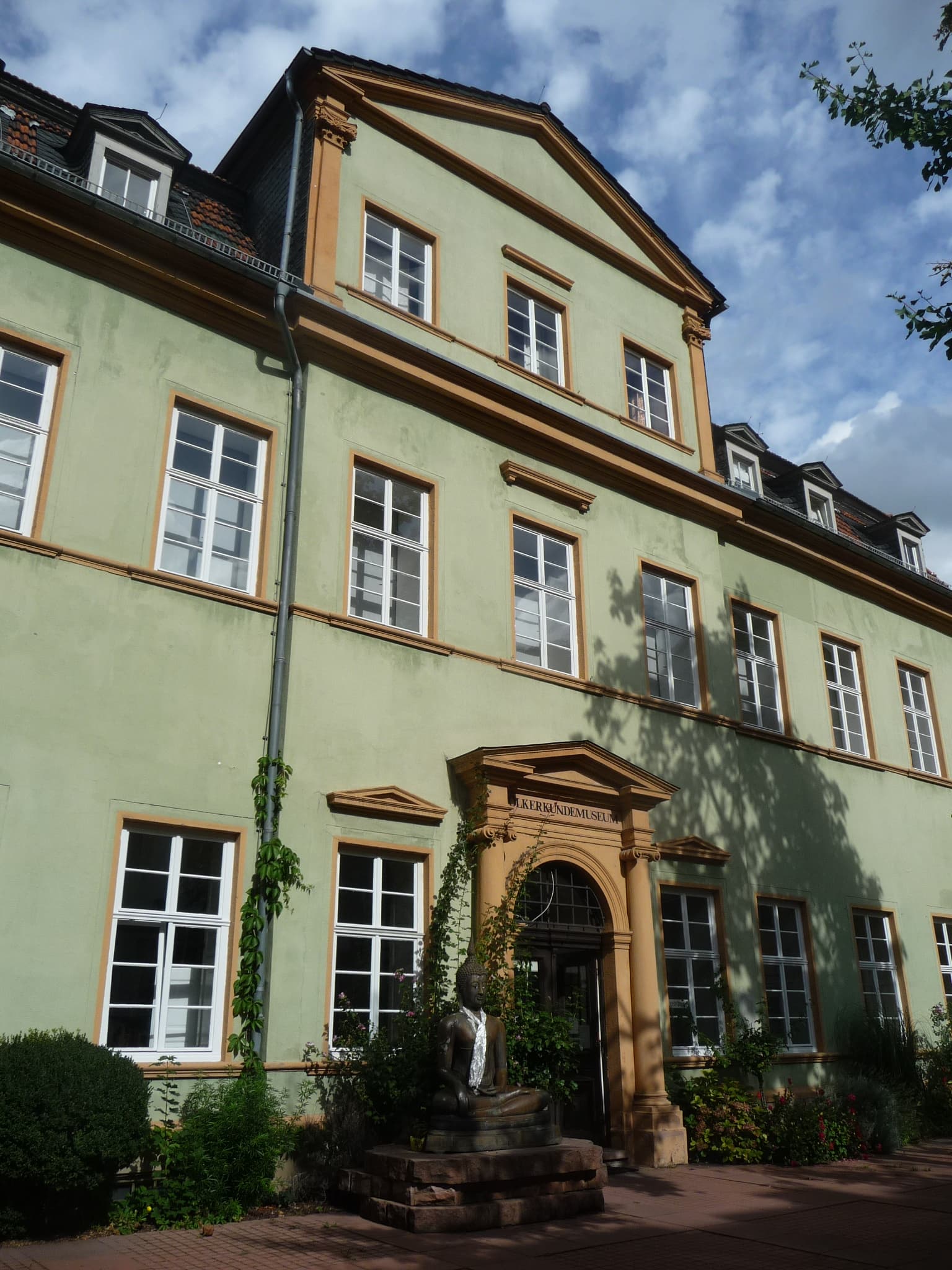 Ethnological MuseumHeidelberg's Ethnological Museum occupies the Palais Weimar, an eighteenth-centu14 minutes walk4.2
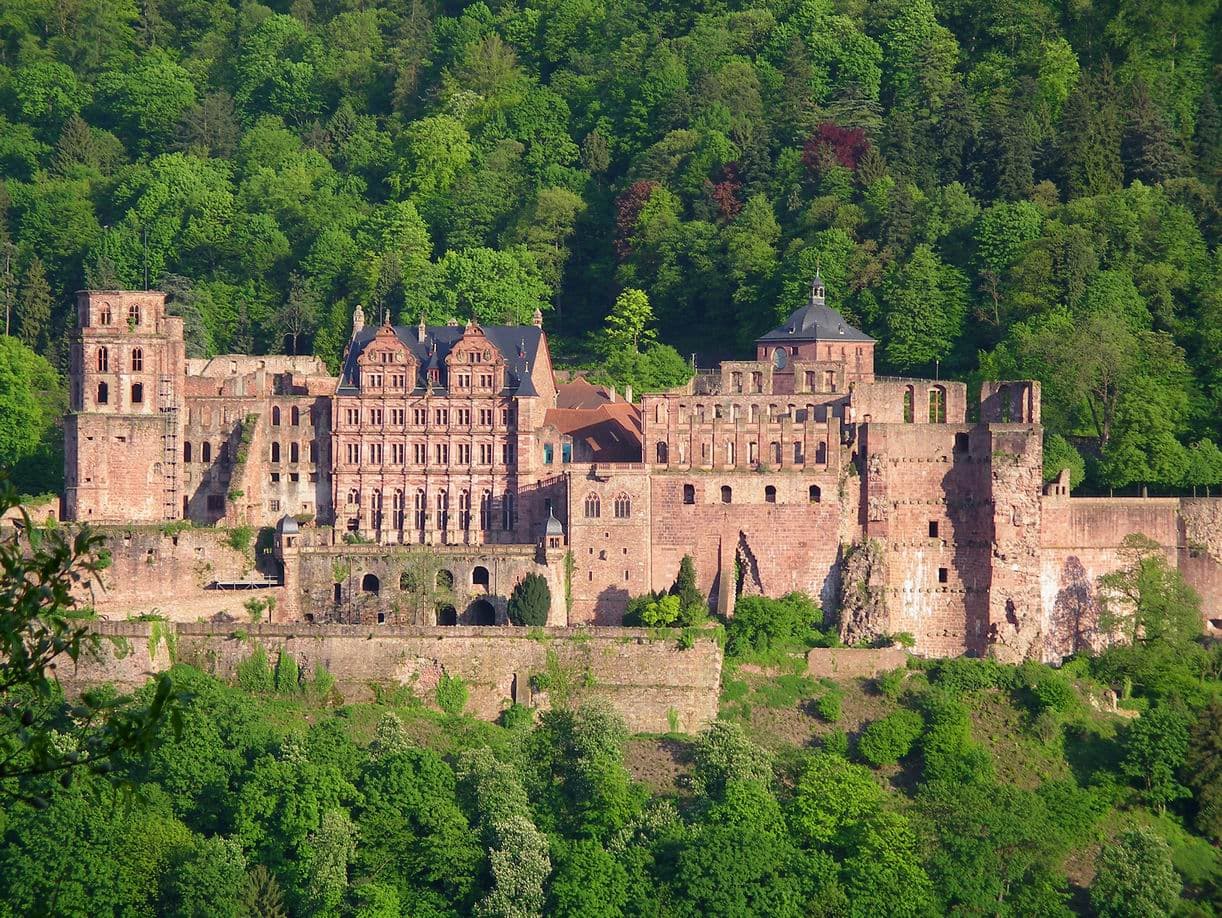 Heidelberg CastleHeidelberg Castle stands on a hill above the town, and it is the most famous rui15 minutes walk4.6
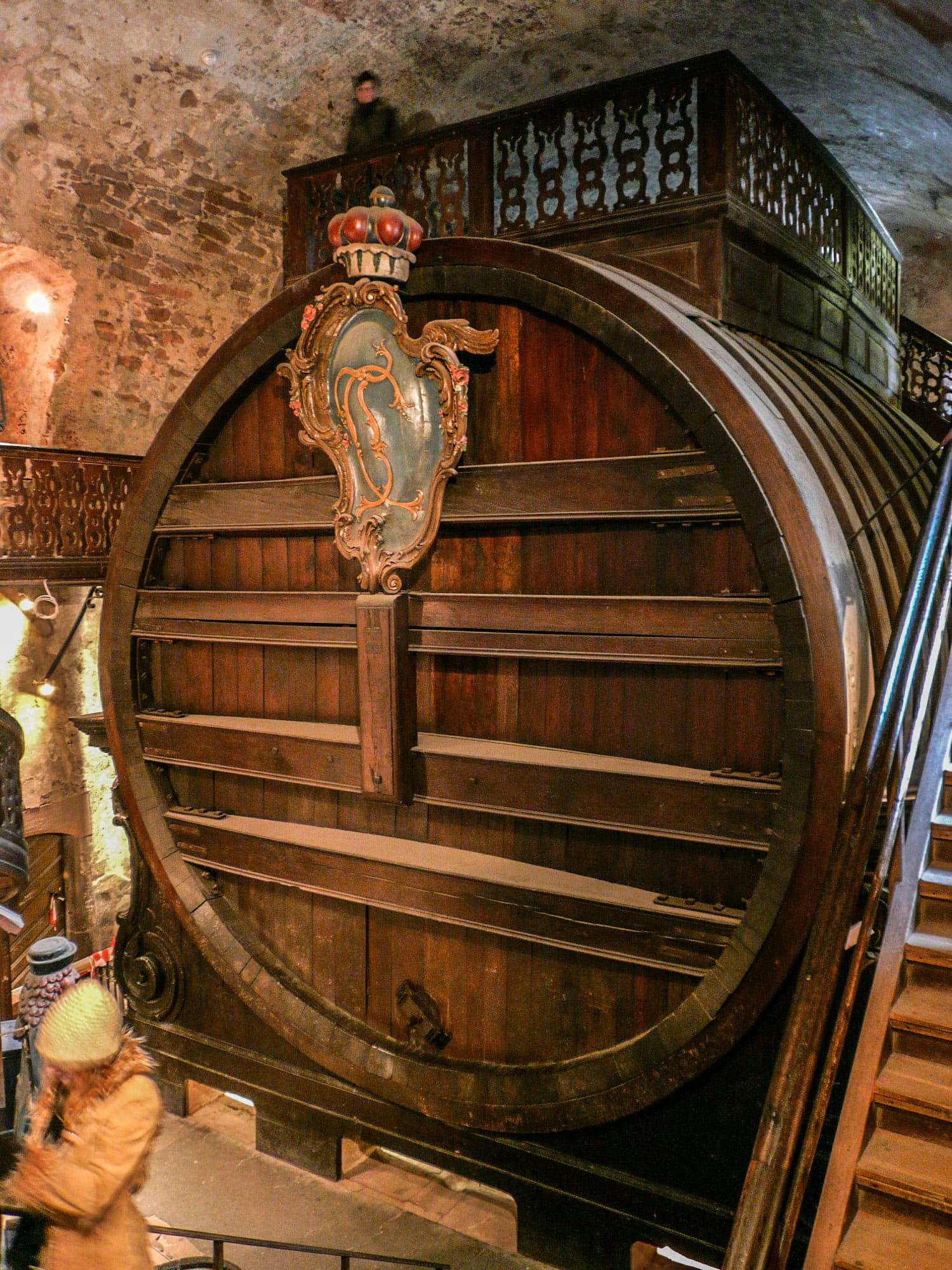 The Heidelberg TunThe Heidelberg Tun is the largest wine barrel in the world, standing in a cellar15 minutes walk4.4
Honestly, less than the alternatives. The museum is technical in character and assumes some prior interest in chemistry or industrial history, and it sits on a slope some way from the old town. If you have one day in Heidelberg, the castle, the old university and the Philosophers' Walk have a clearly better claim on it.