
The shadow puppets
Javanese figures in pierced hide.
Immanuel Giel — CC BY-SA 3.0 · Polibil — CC BY-SA 4.0 · Polibil — CC BY-SA 4.0 · Cristian Bortes — CC BY 2.0
Heidelberg's Ethnological Museum occupies the Palais Weimar, an eighteenth-century baroque house on the old town's main street — and the building is half the reason to visit, with its inner courtyard, staircases and sequence of rooms. The collection grew from holdings gathered by the German physician and traveller Johannes von Portatius-Wolff and given to the city in the early twentieth century, then expanded to cover Asia, Africa, Oceania and South America: ritual masks, textiles, figures, musical instruments and Indonesian shadow puppets. The museum is small and run by a private foundation rather than the state, which explains its restricted hours — afternoons only, and only certain days of the week. Its strongest section is South East Asian, particularly the Javanese shadow puppet collection. Like many European ethnological museums, it now faces open questions about the provenance of some holdings and the colonial context in which they were gathered.
Javanese figures in pierced hide.
Its baroque courtyard and staircases.
Hauptstrasse 235, 69117 Heidelberg
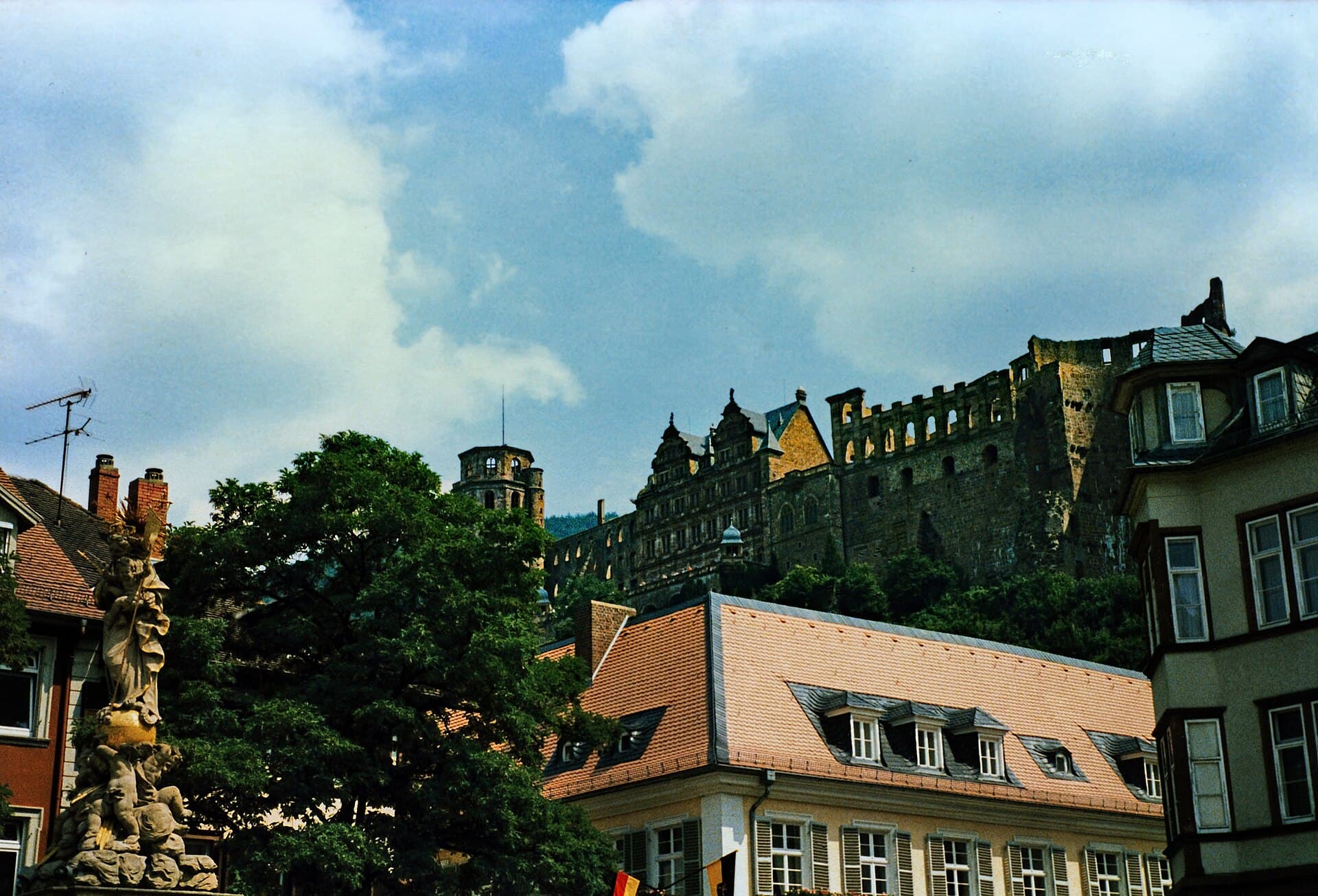 KarlsplatzKarlsplatz is a quiet square in Heidelberg's old town near the market square, an3 minutes walk4.7
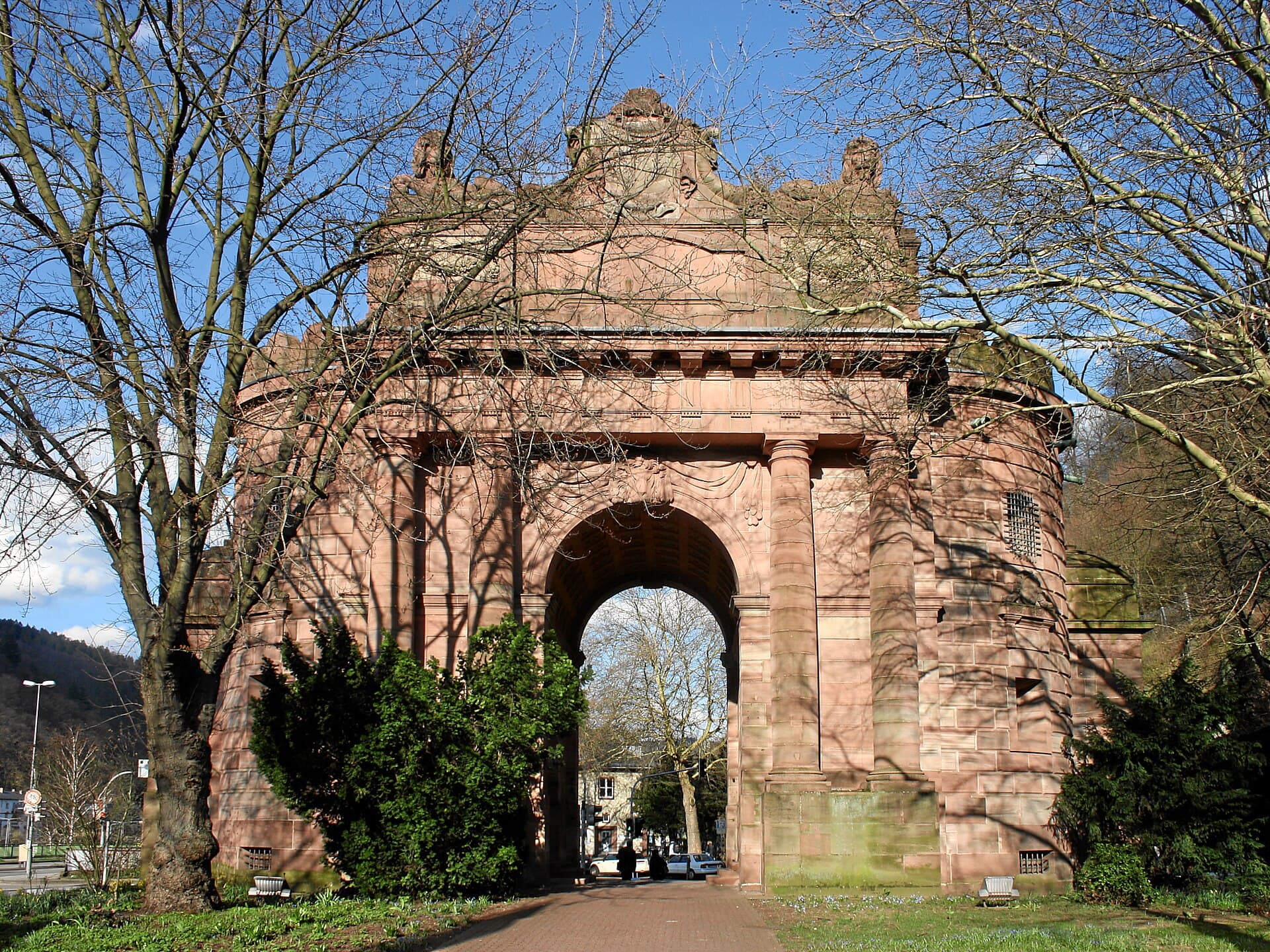 KarlstorThe Karlstor is a stone triumphal arch at the eastern end of Heidelberg's old to3 minutes walk4.5
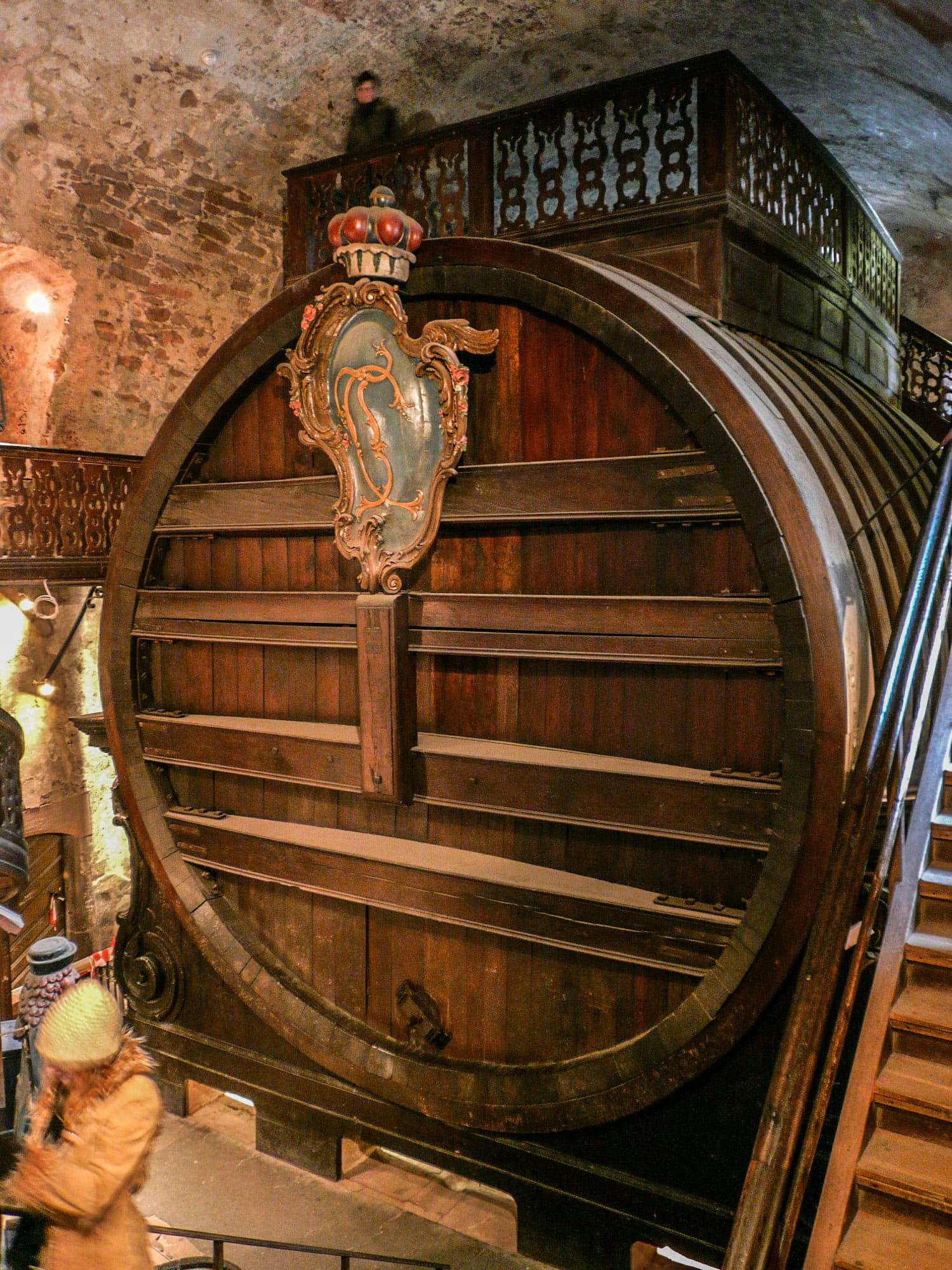 The Heidelberg TunThe Heidelberg Tun is the largest wine barrel in the world, standing in a cellar3 minutes walk4.4
 Heidelberg Weir and LockThe Heidelberg Staustufe is an installation on the river Neckar combining a smal4 minutes walk4.5
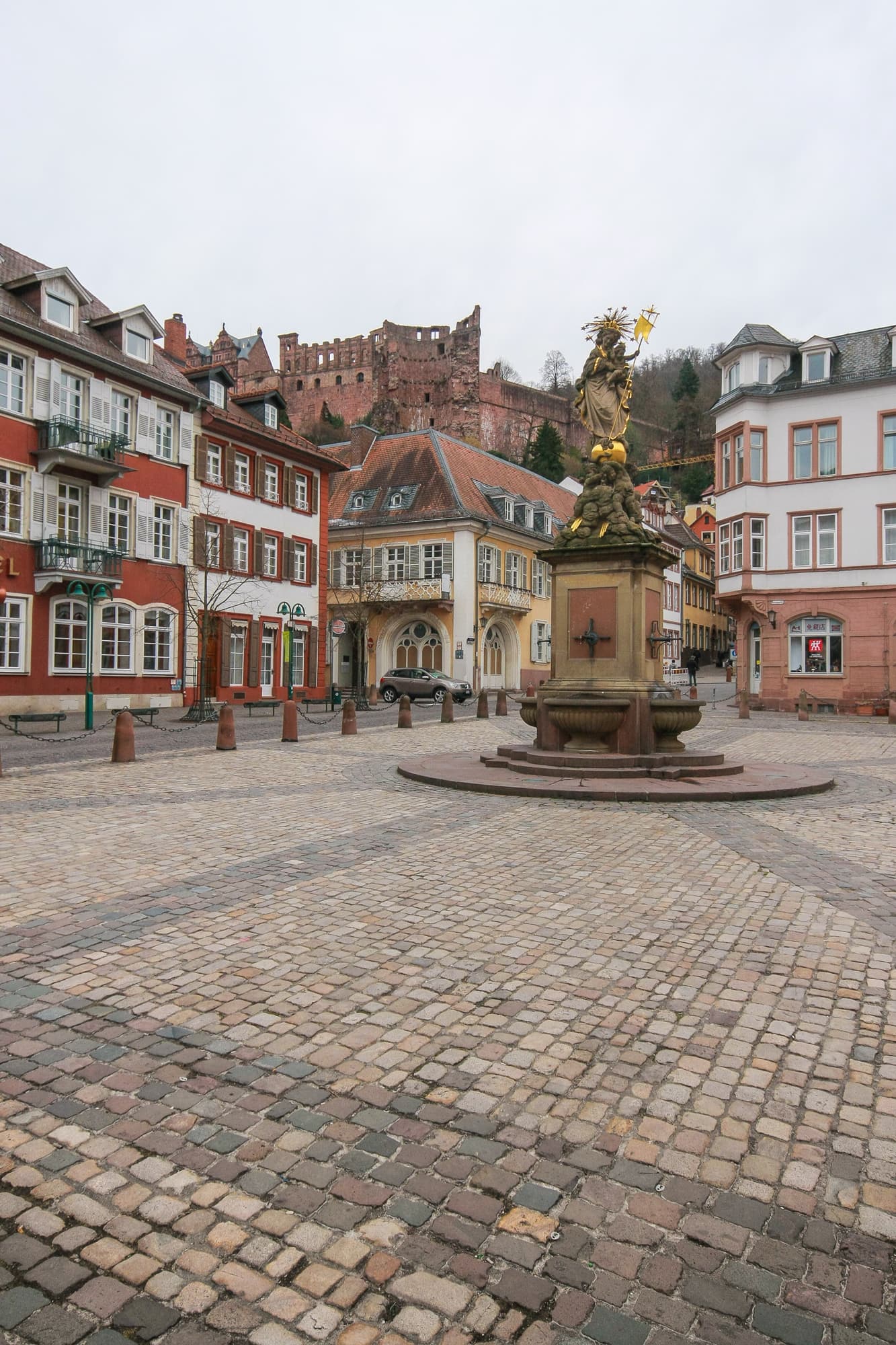 KornmarktThe Kornmarkt is a small square in the old town a few steps from the market squa4 minutes walk4.6
Because it belongs neither to the state nor the university but to a private foundation with limited means and a small staff partly reliant on volunteers — so afternoon opening on a few days is simply an operational decision. The practical consequence is that visitors often arrive to find it shut, which makes checking the website on the day of your visit necessary rather than merely prudent.