The courtyard
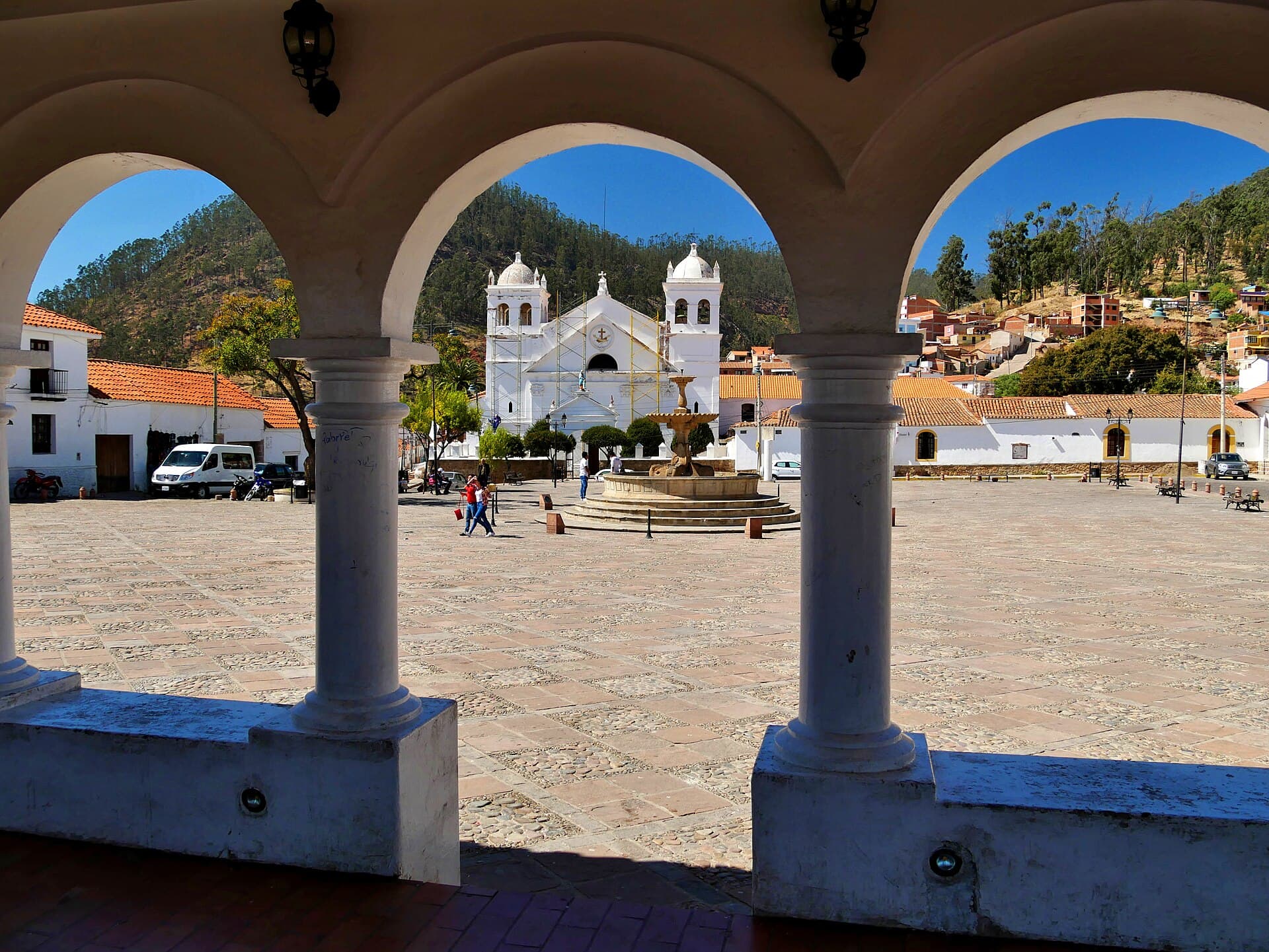
White arches.
Marcelo Claros Marzana — CC BY-SA 3.0 · Pablo Paz — CC BY-SA 3.0 · Henry Ponce Barco — CC BY-SA 4.0 · Jimmy Gilles (Anakin) — CC BY-SA 3.0
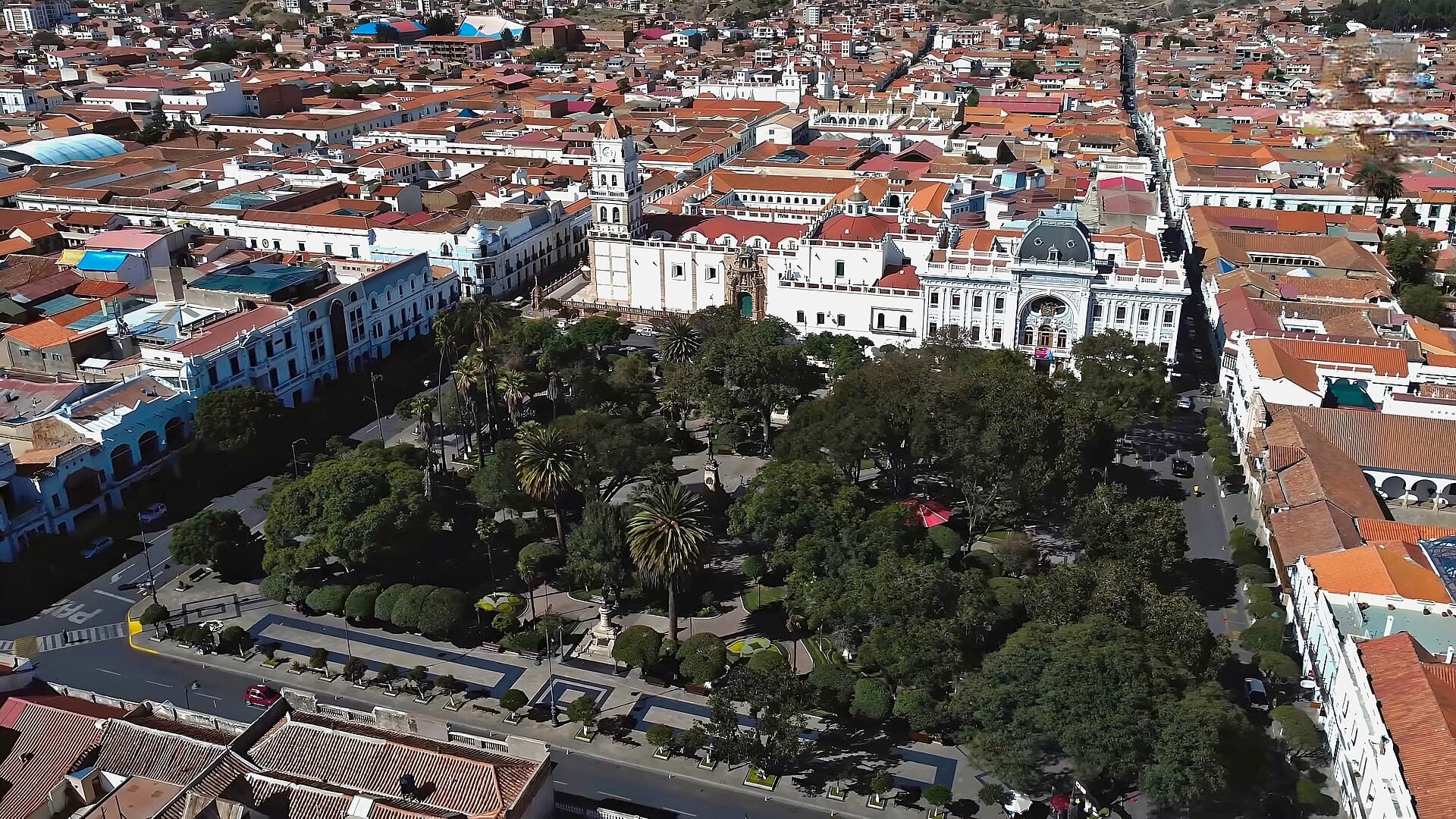
Bolivia's most important historic building, a colonial house on Sucre's main square where the country's declaration of independence was signed on 6 August 1825, regarded as the birthplace of the Bolivian republic. Before that it was part of a Jesuit university and college. Visitors enter through a carved stone doorway into a two-storey courtyard of white arches, then the museum rooms: the hall where deputies met to declare independence, with wooden benches and portraits of the liberators, the original declaration, the country's first flag and portraits of presidents. Other rooms tell the story of the long war of independence against Spain and its heroes, among them Simón Bolívar, after whom the country is named, and Juana Azurduy de Padilla, the heroine who led fighters. Visits are by short guided tour. The museum usually closes on Mondays and at midday, so check the times. Bolivia is under a state of emergency with protests and road blockades, so check road conditions and your government's travel advice before the trip.
White arches.
The original.
Bolívar and Azurduy.
Plaza 25 de Mayo, central Sucre
Bolivia's declaration of independence was signed there on 6 August 1825; it displays the original document and the first flag.