Plaza 25 de Mayo
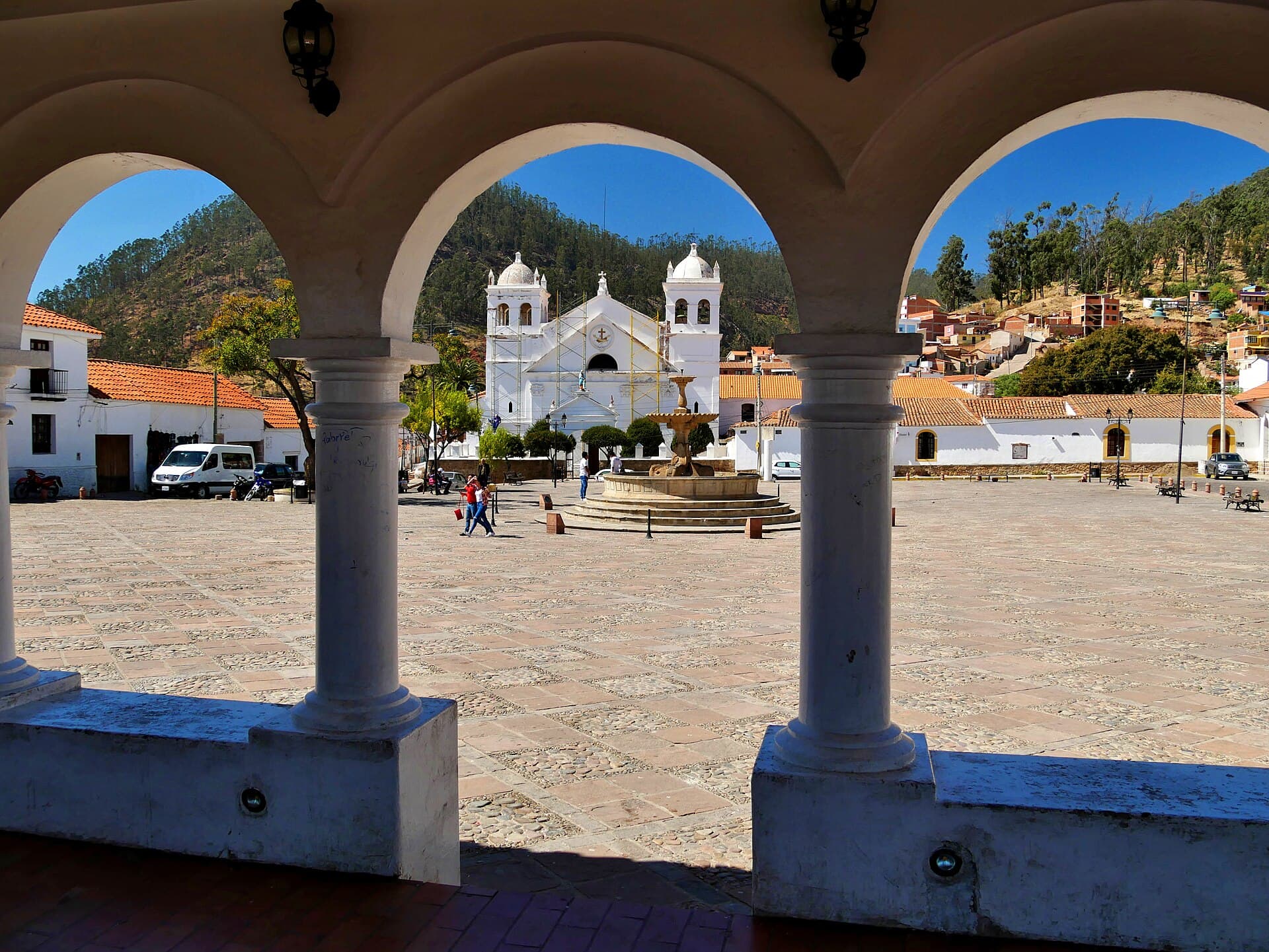
Palms and fountains.
Parallelepiped09 — CC BY-SA 4.0 · Parallelepiped09 — CC BY-SA 4.0 · Parallelepiped09 — CC BY-SA 4.0 · Micah MacAllen from Travel Bums, Latin America — CC BY-SA 2.0
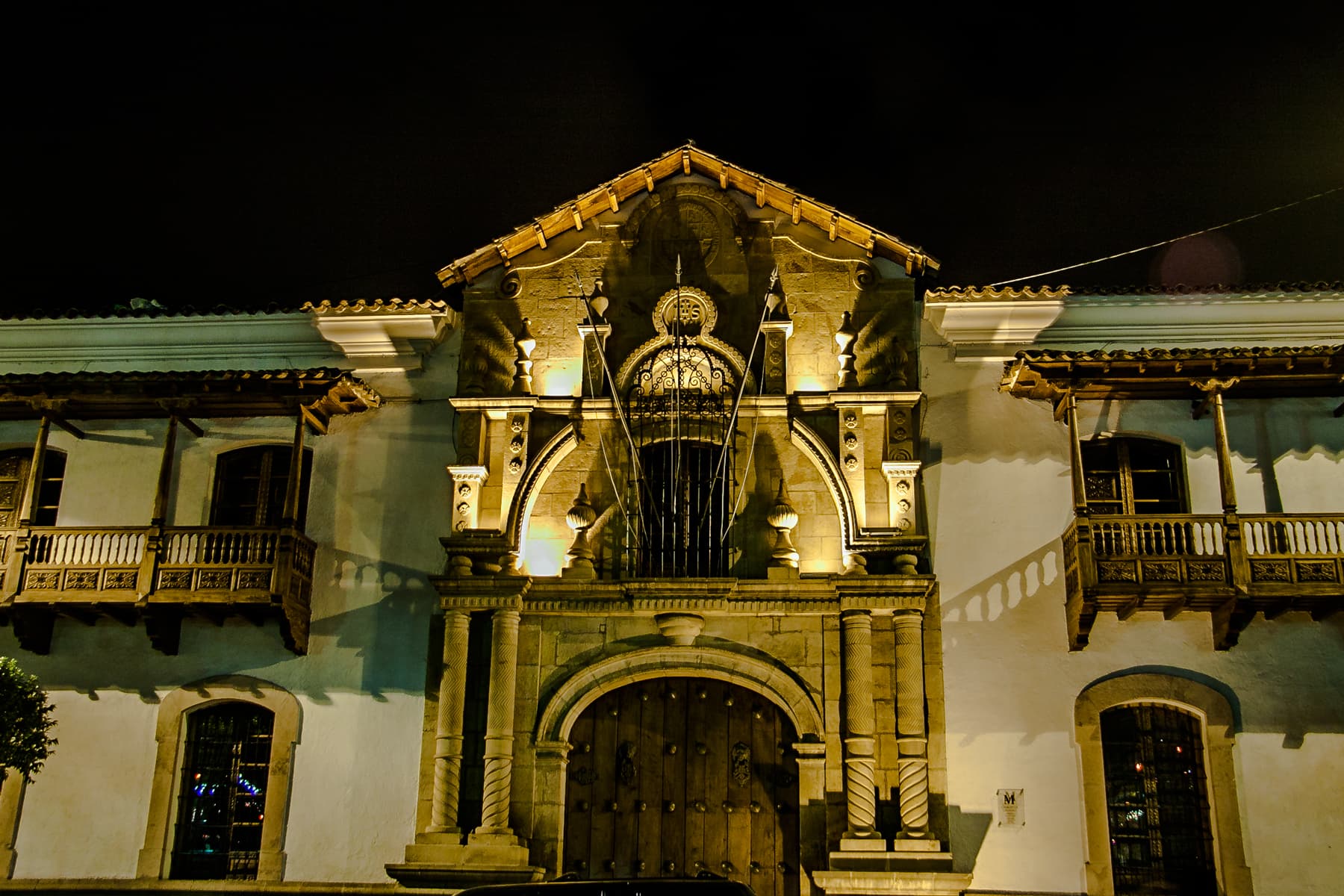
Bolivia's constitutional capital, an elegant colonial city at about 2,790 metres with a mild climate all year, called the «White City» because most of its old buildings are whitewashed under red-tiled roofs. UNESCO listed it as World Heritage in 1991. Its heart is Plaza 25 de Mayo, a broad garden of palms and fountains with a statue of the liberator Antonio José de Sucre, after whom the city is named, ringed by white buildings with arcades and wooden balconies, including the Casa de la Libertad and the town hall. The centre's straight, quiet streets hide green courtyards, museums, cafés and bookshops, and many students and volunteers stay here to learn Spanish, as it is one of Bolivia's calmest and cheapest cities. Local markets sell fruit, juices and traditional sweets. The finest view of the White City is from the La Recoleta lookout on the southern hill. Bolivia is under a state of emergency with protests and road blockades, so check road conditions and your government's travel advice before the trip.
Palms and fountains.
Wooden balconies.
Juices and fruit.
Plaza 25 de Mayo, central Sucre
Most of its colonial buildings are whitewashed under red-tiled roofs, a look the city works to preserve.