
Six pointed turrets
Six conical turrets rise from the roofline, the reason for the nickname, and they read best from the pavement opposite.
FrDr — CC BY-SA 4.0 · FrDr — CC BY-SA 4.0 · FrDr — CC BY-SA 4.0 · Nicolas Vigier from Spain — CC0
A modernista apartment block on the corner of Avinguda Diagonal, on its own triangular plot where Diagonal cuts the Eixample grid, with the six pointed turrets that named it. Josep Puig i Cadafalch designed it, finished in 1905; its formal name is Casa Terradas, for the family that built it. The red brick facade owes more to northern castles than to anything Gaudí curved. You can walk the whole way around it, rare in Barcelona where the famous houses are wedged between neighbours. Take its three sides, Diagonal, Rosselló and Bruc, and on the Rosselló side look up for the ceramic panel of Sant Jordi, Catalonia's patron saint. Fifteen minutes covers the exterior. Going inside is not possible: the interior was open as a museum from 2016 until 2020, and since then it has been private offices and event hire, closed to the public. Check the official site in case that changes. If your time is short, start with Casa Batlló and Casa Milà, both UNESCO-listed; this one is not. It stands a few minutes from Passeig de Gràcia and earns a stop for anyone who wants modernisme that is not Gaudí.
Six conical turrets rise from the roofline, the reason for the nickname, and they read best from the pavement opposite.
It occupies its own triangular block where Diagonal slices the grid, so you can circle it and see all three facades, unlike most Eixample houses that are boxed in by neighbours.
Puig i Cadafalch works in brick and northern Gothic vocabulary, a useful contrast after Casa Batlló and Casa Milà.
Avinguda Diagonal 420, L'Eixample, Barcelona
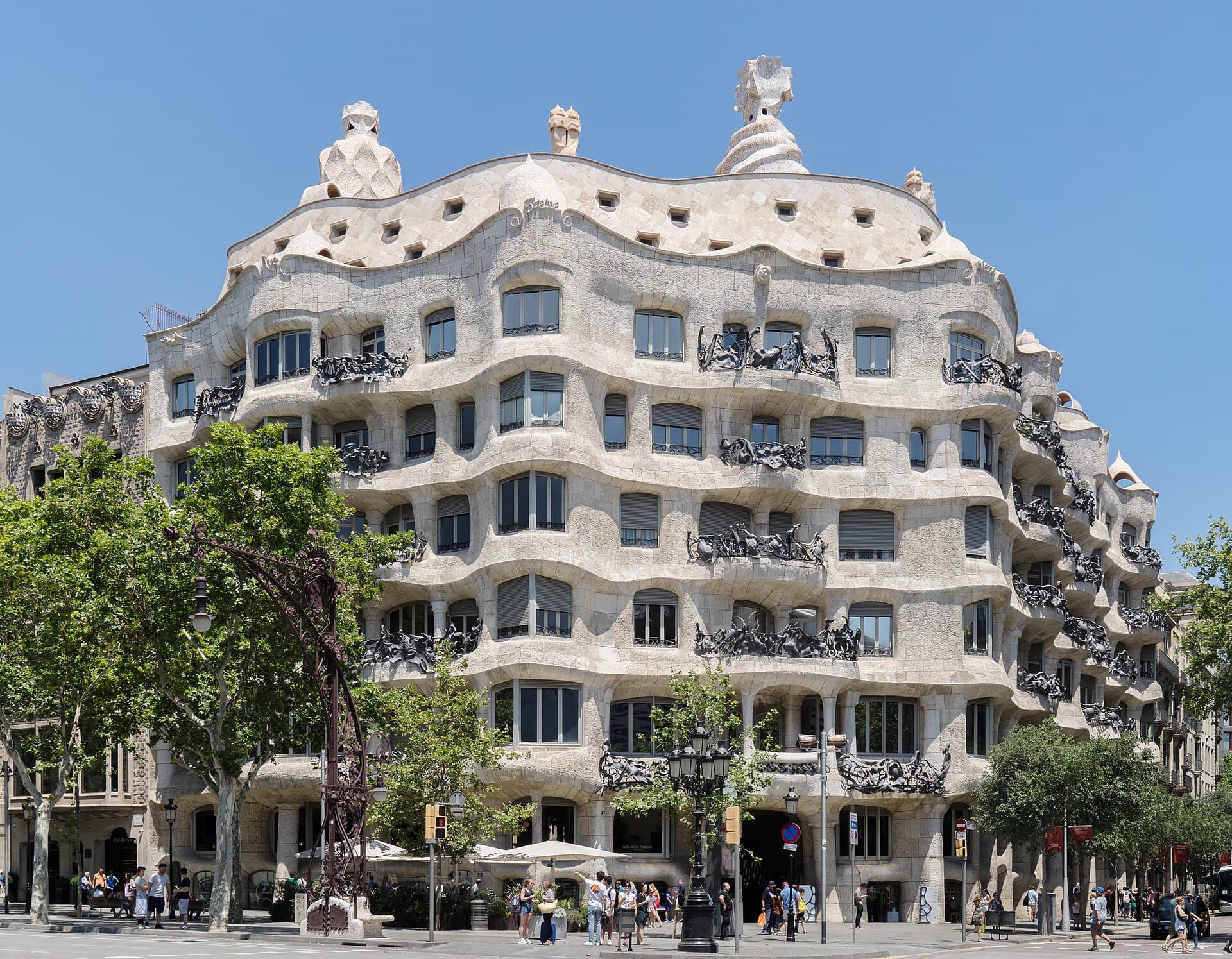 Casa Milà (La Pedrera)Casa Milà — "La Pedrera", the quarry, as contemporaries mocked it — is Gaudí's l4 minutes walk4.7
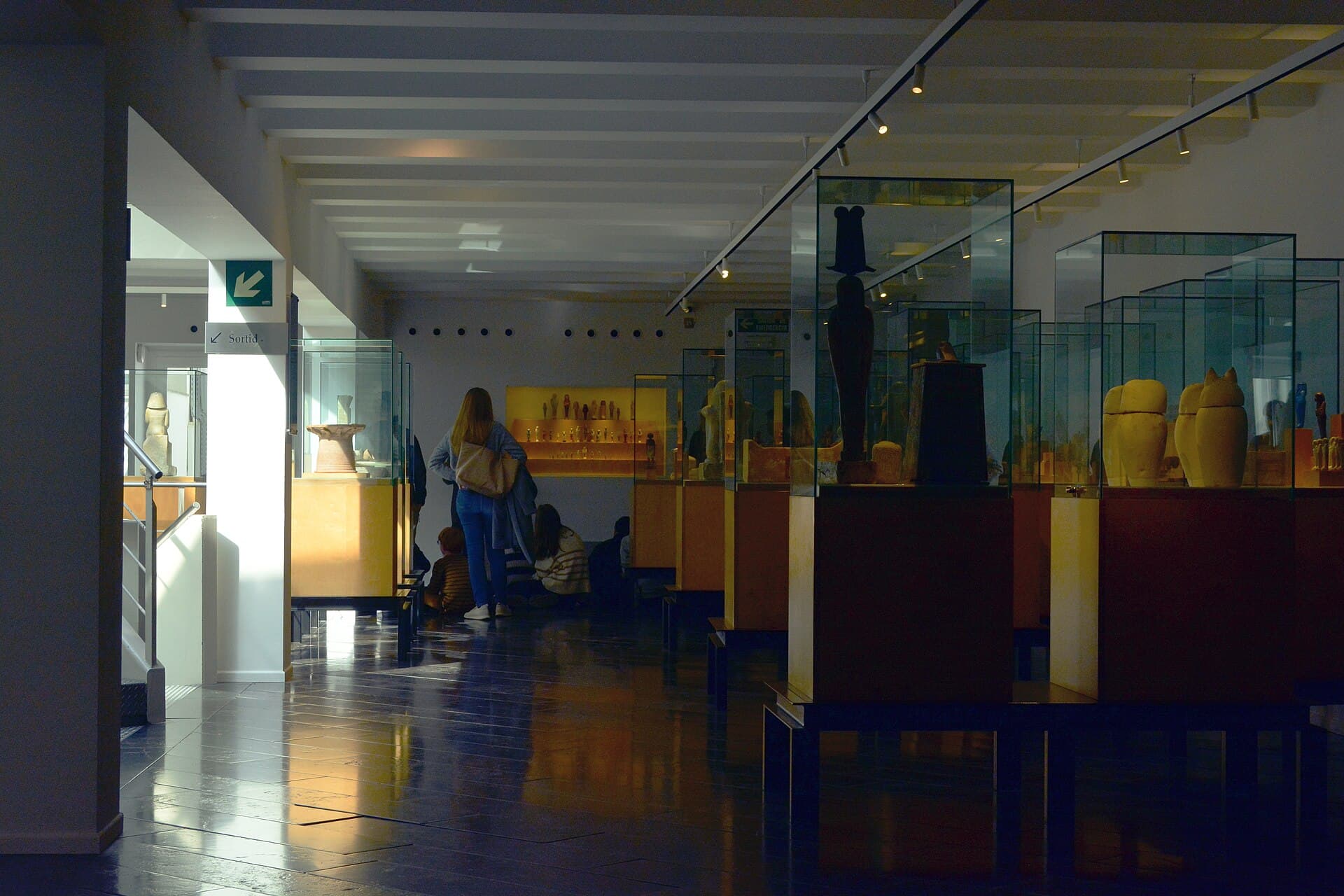 Museu Egipci de BarcelonaThe Museu Egipci de Barcelona is a private collection before it is a public muse6 minutes walk4.4
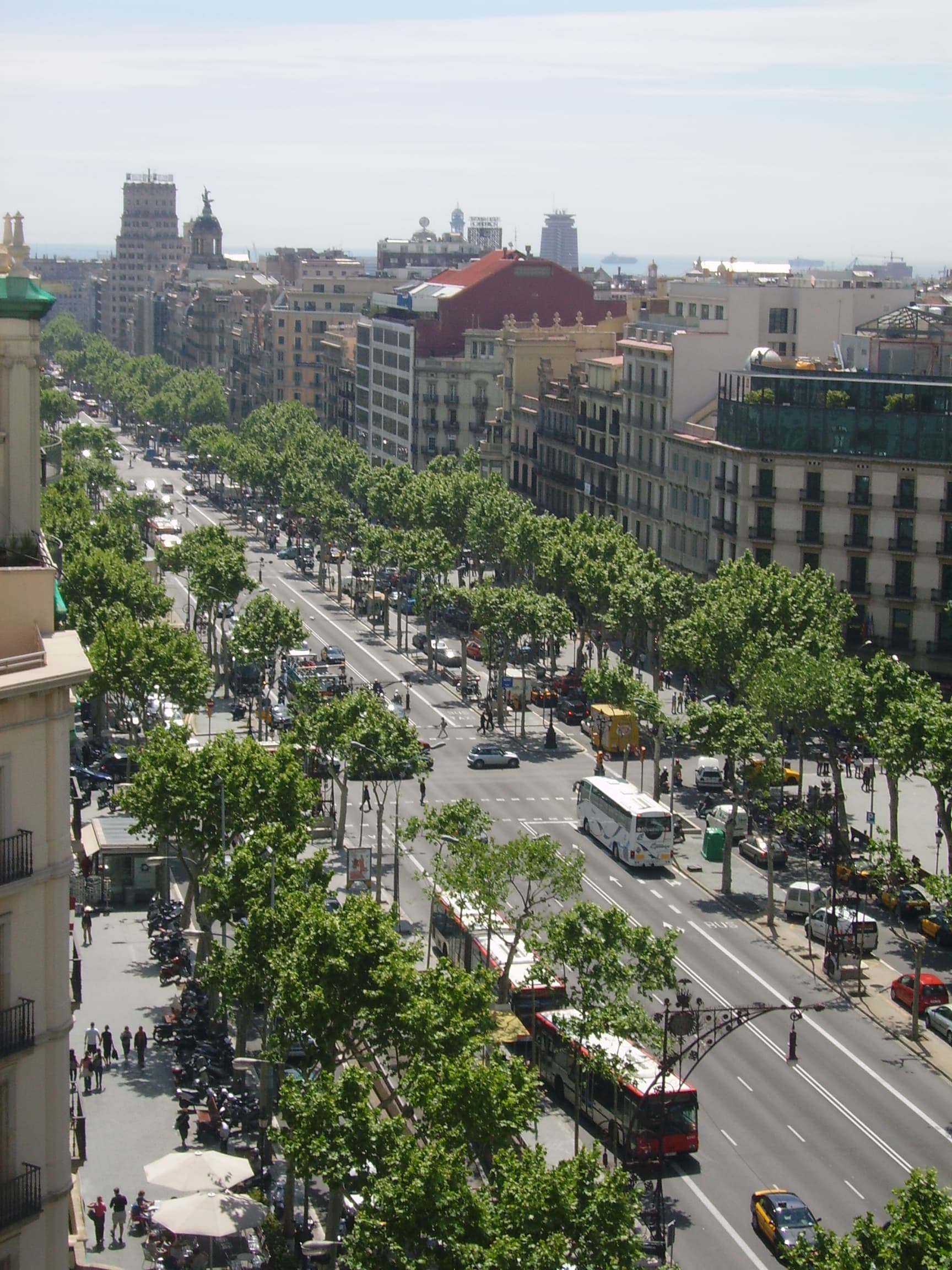 Passeig de GràciaThe main avenue of the Eixample, at once Barcelona's most expensive shopping str7 minutes walk4.8
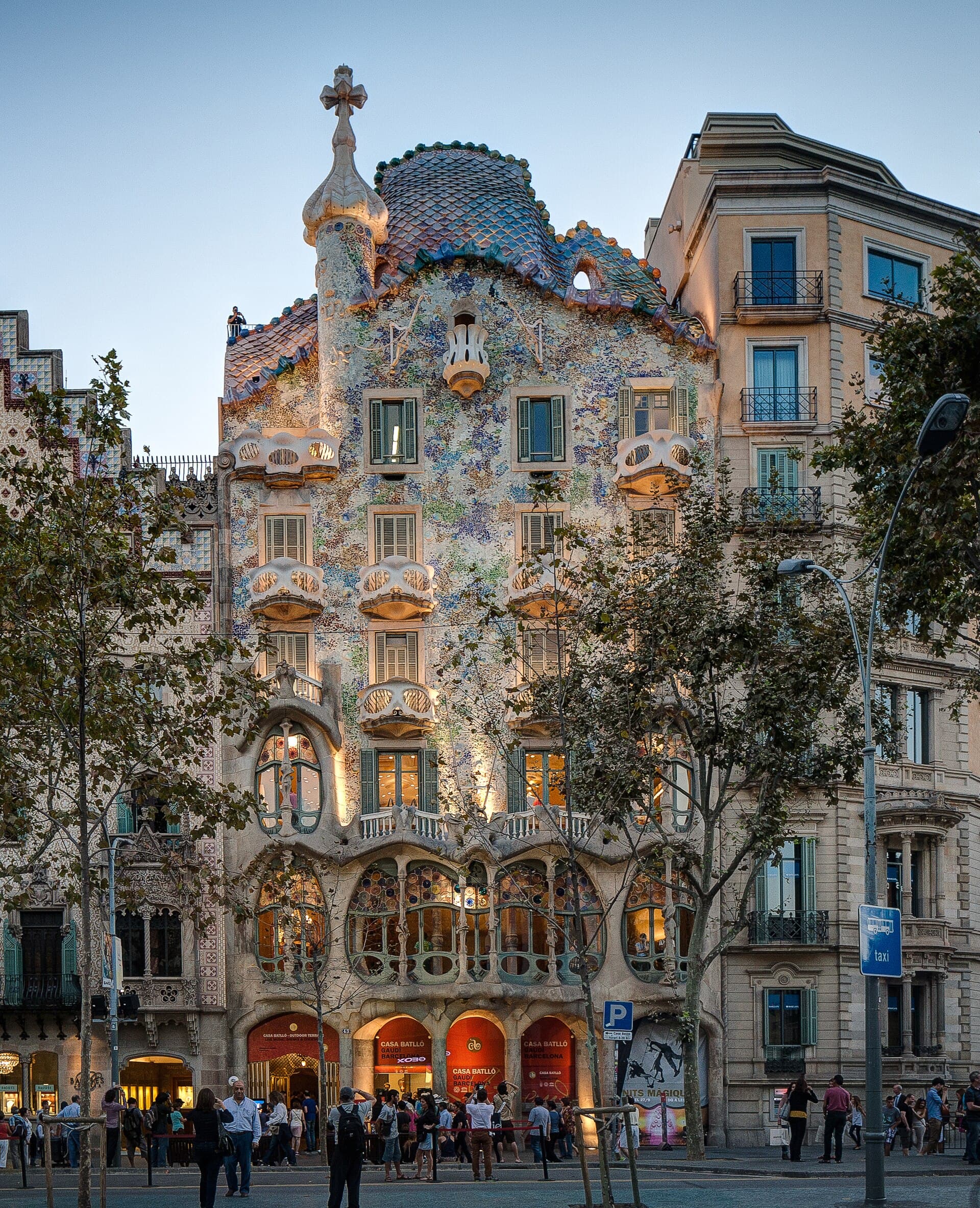 Casa BatllóCasa Batlló is Gaudí's most bewitching house: a façade on Passeig de Gràcia glit9 minutes walk4.8
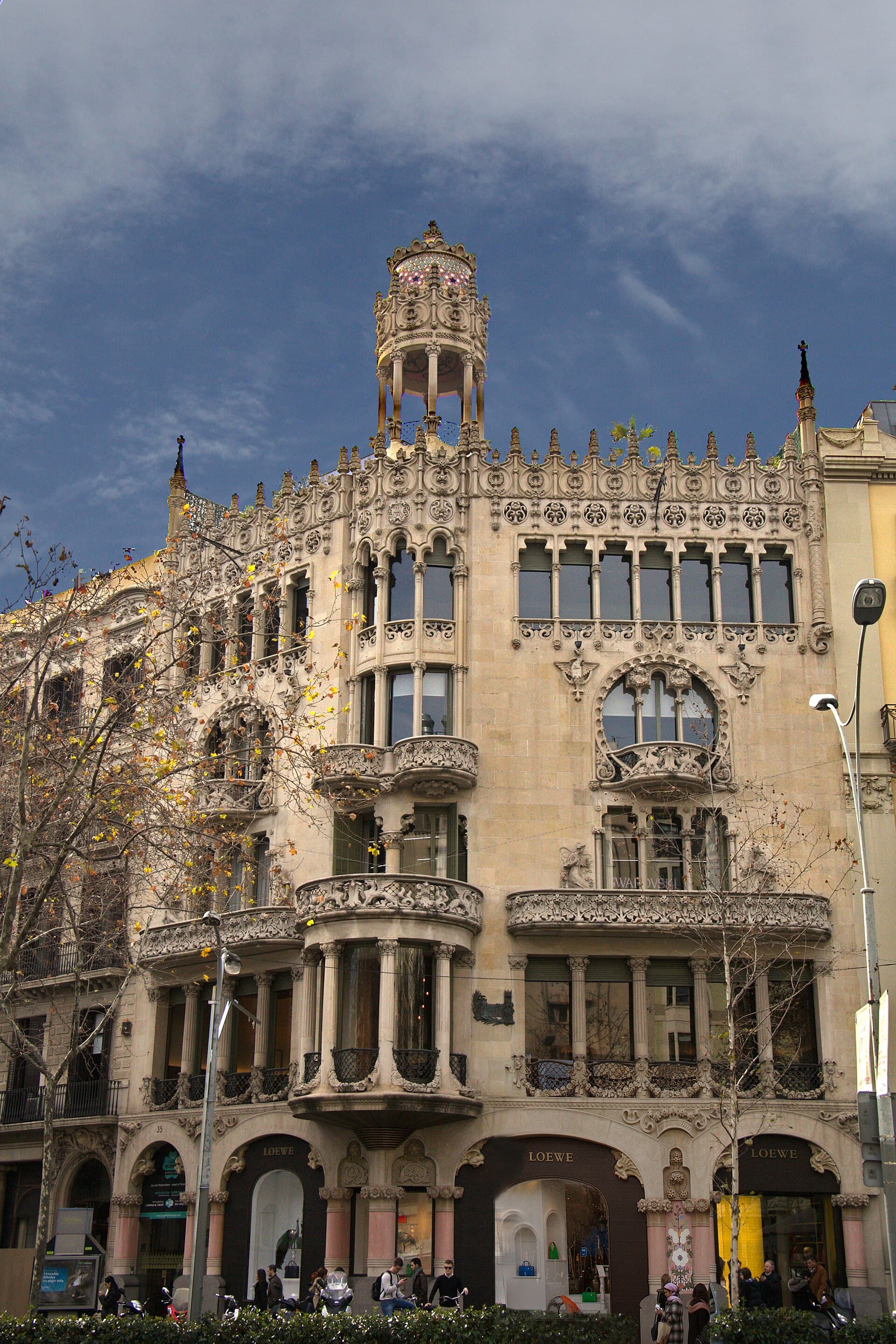 Casa Lleó i MoreraCasa Lleó i Morera stands at the Plaça Catalunya end of the Passeig de Gràcia bl10 minutes walk4.6
No. The interior was open as a museum from 2016 until 2020, then closed to the public; the spaces are now private offices and rooms hired for events, with no reopening announced. Treat the exterior as the plan and check the official site around your travel dates in case that changes.
Diagonal on lines L3 and L5, and Verdaguer on L4 and L5, both under ten minutes on foot. The building itself sits at Avinguda Diagonal 420.
Worth passing, not worth a special trip. Slot it in between Passeig de Gràcia and the Gràcia district and ten minutes will do. If you only have one day, Sagrada Família, Casa Batlló and Casa Milà have the stronger claim on it.