
The corner gallery
The signature feature is a fully carved corner tribune under a small dome, clearest from the pavement across the street.
Amadalvarez — CC BY-SA 3.0 · Bernard Gagnon — CC BY-SA 3.0 · Fred Romero — CC BY 2.0 · Fred Romero — CC BY 2.0
Casa Lleó i Morera stands at the Plaça Catalunya end of the Passeig de Gràcia block Barcelona calls the Illa de la Discòrdia. Lluís Domènech i Montaner rebuilt a family house here in the early 1900s: a soft stone façade with rounded balconies, dense floral carving and a corner gallery like a small temple. The family name drives the decoration: the lion (lleó) and the mulberry (morera) recur in stone, mosaic and stained glass, with a sculpture group of women holding the inventions of the age. Ignore the ground floor, stripped of its original decoration in the mid-20th century and turned into a shop front; the building starts one storey up. In practice this is a façade stop, not an interior visit: the building has opened for guided tours in some periods and closed in others, so do not plan a day around getting in. It is not on the UNESCO list that covers Casa Batlló a few doors up, which sets the priority: a quarter of an hour from the pavement opposite, then on to Casa Amatller and Casa Batlló. For a full interior by the same architect, go to the Palau de la Música Catalana.
The signature feature is a fully carved corner tribune under a small dome, clearest from the pavement across the street.
The whole decorative scheme puns on the family name, so look for lions and mulberry leaves in the stone, mosaic and glass.
One of the easiest places in Barcelona to compare modernista styles: this house, Casa Amatller and Casa Batlló stand on the same block, a few doors apart.
Passeig de Gràcia 35, Eixample, Barcelona
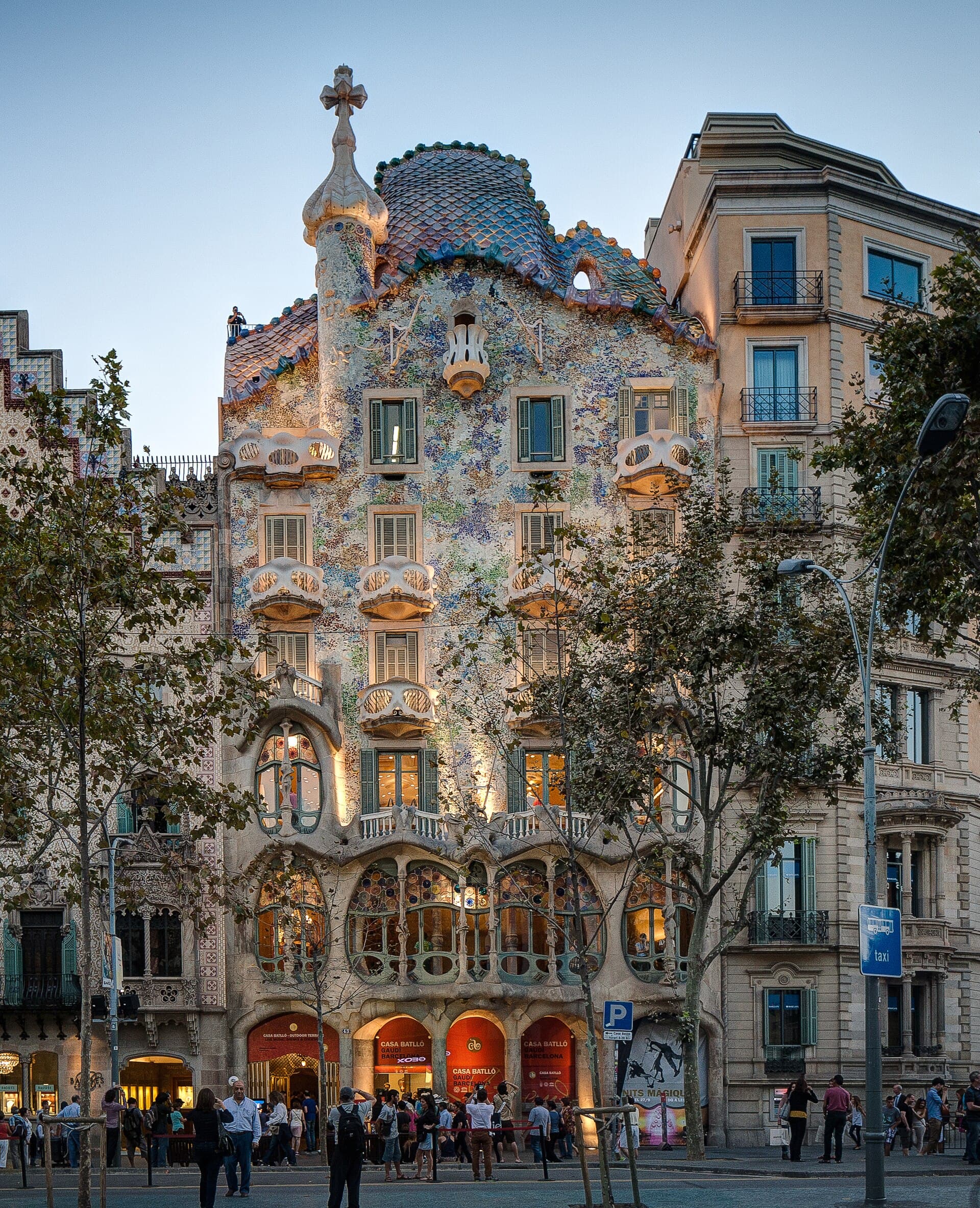 Casa BatllóCasa Batlló is Gaudí's most bewitching house: a façade on Passeig de Gràcia glit1 minute walk4.8
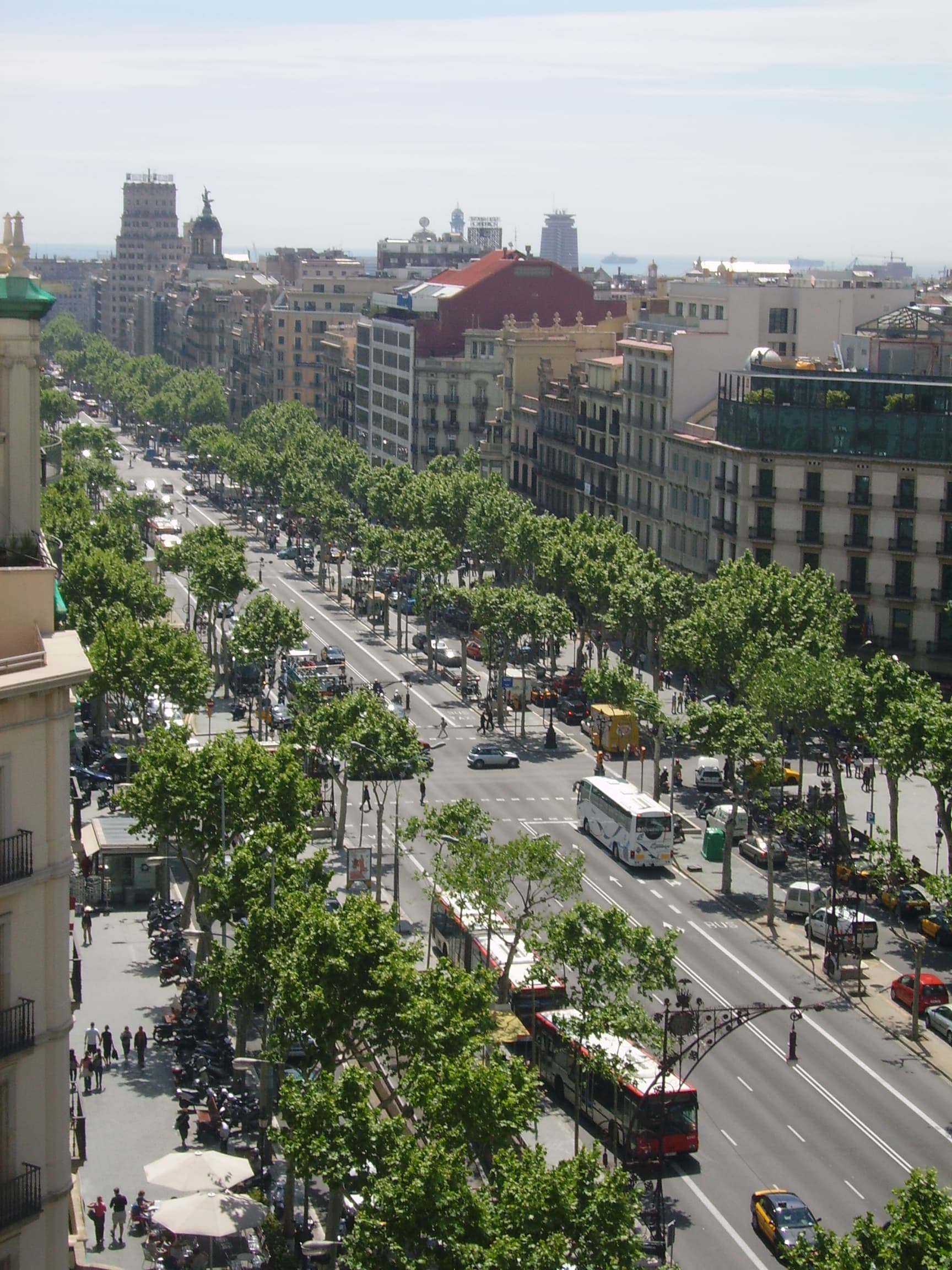 Passeig de GràciaThe main avenue of the Eixample, at once Barcelona's most expensive shopping str3 minutes walk4.8
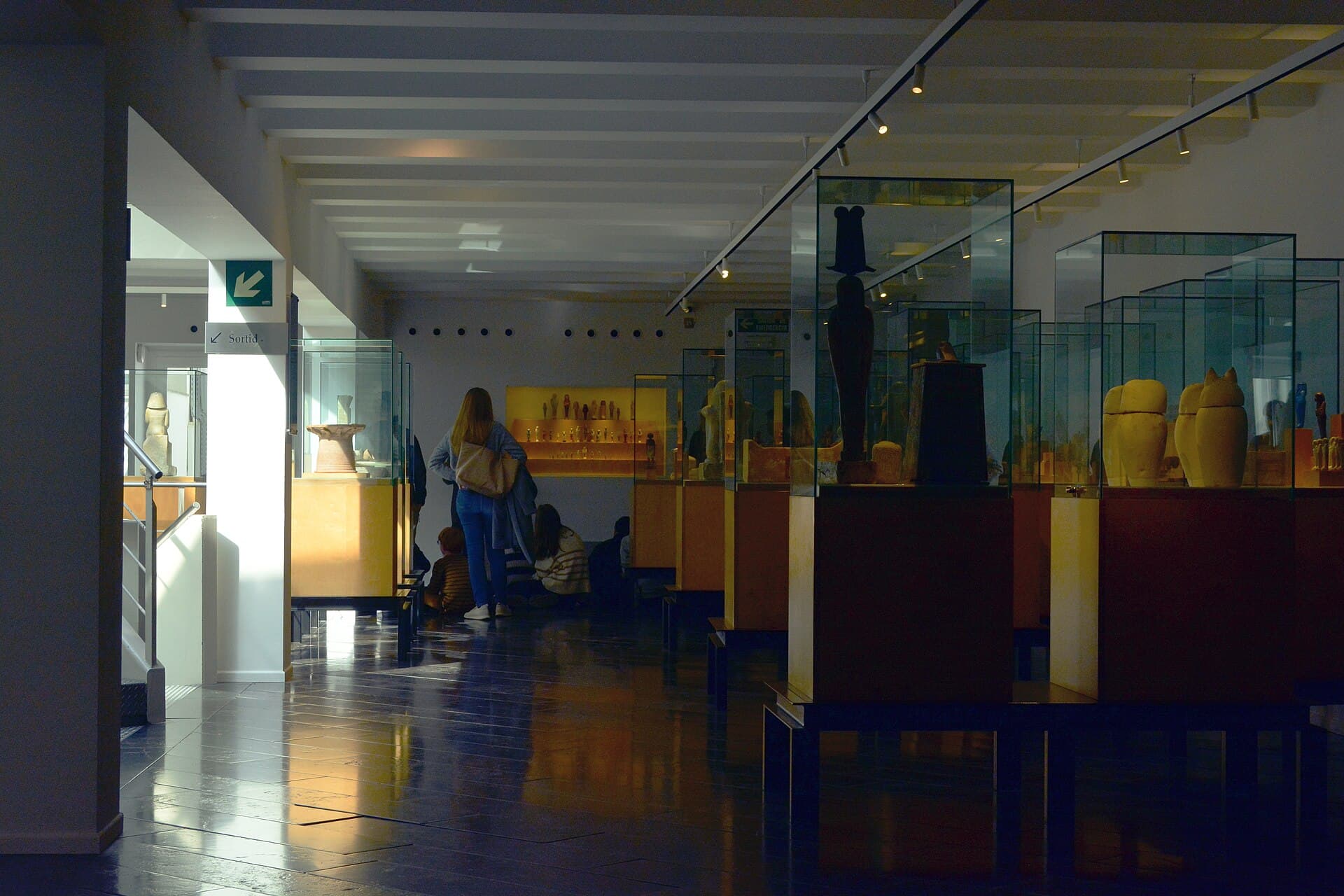 Museu Egipci de BarcelonaThe Museu Egipci de Barcelona is a private collection before it is a public muse3 minutes walk4.4
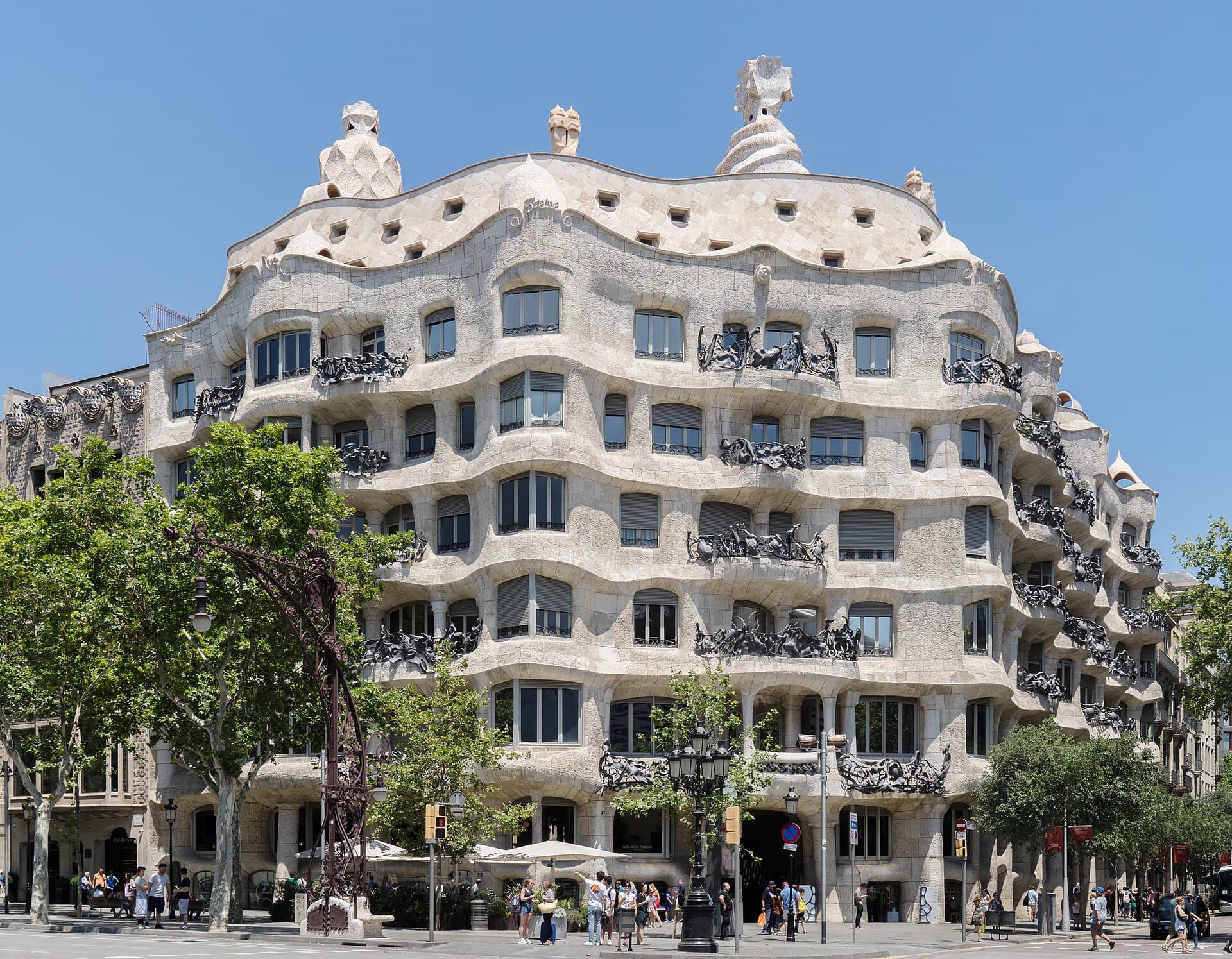 Casa Milà (La Pedrera)Casa Milà — "La Pedrera", the quarry, as contemporaries mocked it — is Gaudí's l7 minutes walk4.7
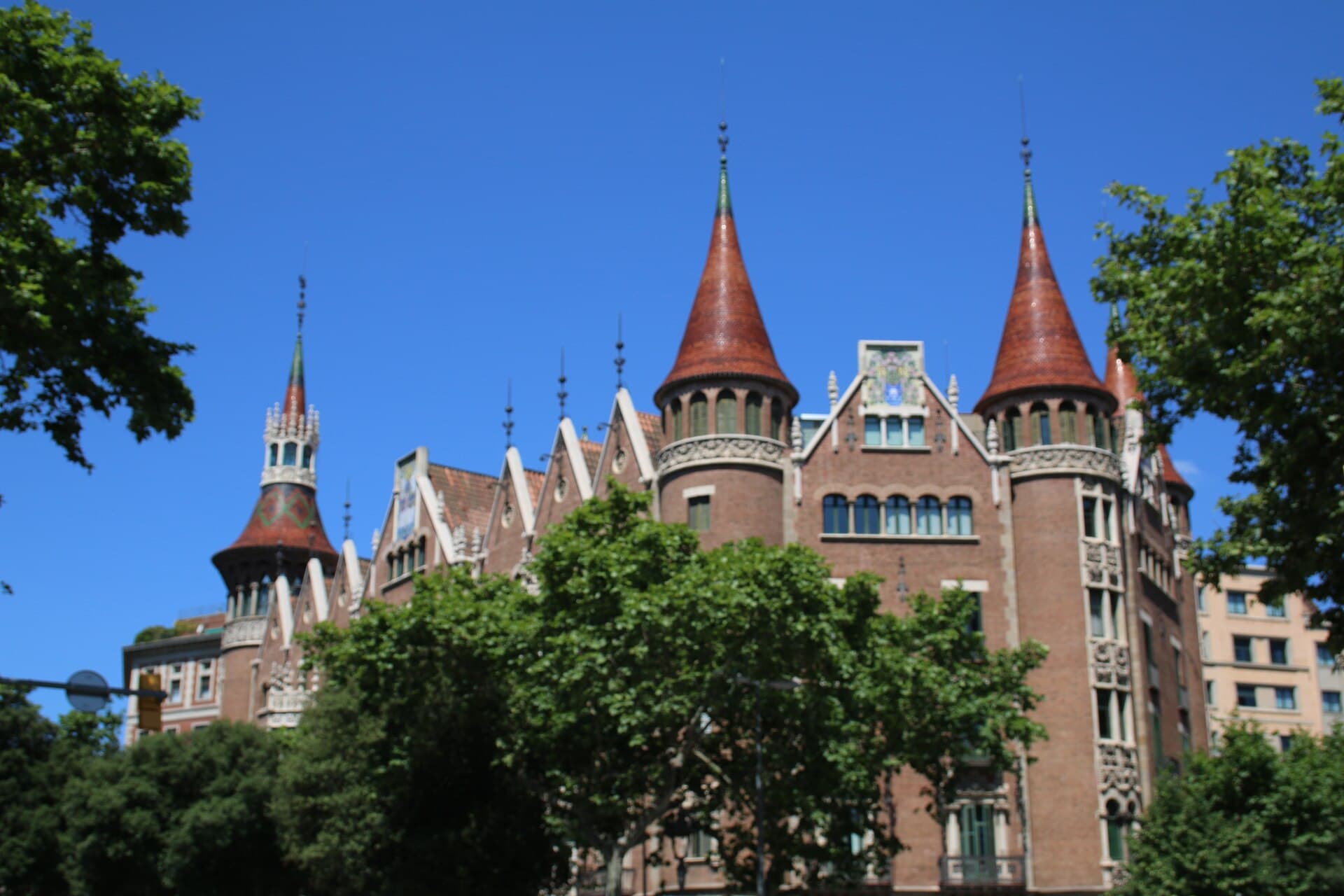 Casa de les PunxesA modernista apartment block on the corner of Avinguda Diagonal, on its own tria10 minutes walk4.3
Not reliably. Guided tours have run in some periods and stopped in others, and the ground floor is a shop that does not reflect the original design. Check the official site before you go; if it is closed, the façade alone still justifies a short stop.
Passeig de Gràcia, served by L2, L3 and L4. Head for the exits towards Consell de Cent and the building is on the corner, with Casa Amatller and Casa Batlló a few doors further up.
Yes, as a short stop: it is on the same block, costs you a quarter of an hour, and gives a direct comparison between three different architects. Do not make a separate trip for it, though, because the real interior experience is at Batlló and Milà, not here.