
A book that made a language
The Betrothed became the model for modern Italian.
Melancholia~itwiki — CC BY-SA 4.0 · Alberto albertini — CC BY-SA 4.0 · Alberto albertini — CC BY-SA 4.0 · Alberto albertini — CC BY-SA 4.0
The house where the writer Alessandro Manzoni lived for about sixty years until his death in 1873, turned into a museum. Manzoni is the author of The Betrothed — the most important Italian novel of the nineteenth century, taught in every Italian school to this day. Its importance is not only literary: Manzoni wrote it in a language he decided should be spoken Florentine Tuscan, and rewrote it entirely after a journey to Florence to, in his phrase, rinse his cloth in the Arno. Italy was then politically divided and spoke dozens of widely separated dialects, with no shared national language everyone could read. Manzoni's novel became the model on which modern Italian was built — that is, a single book helped make a nation's language. The house shows its rooms, his study, library and manuscripts, and holds a centre of Manzoni studies. Small, with limited hours.
The Betrothed became the model for modern Italian.
He rewrote the whole novel after a journey to Florence.
The rooms shown with his furniture and library as they were.
Via Morone, the Brera district
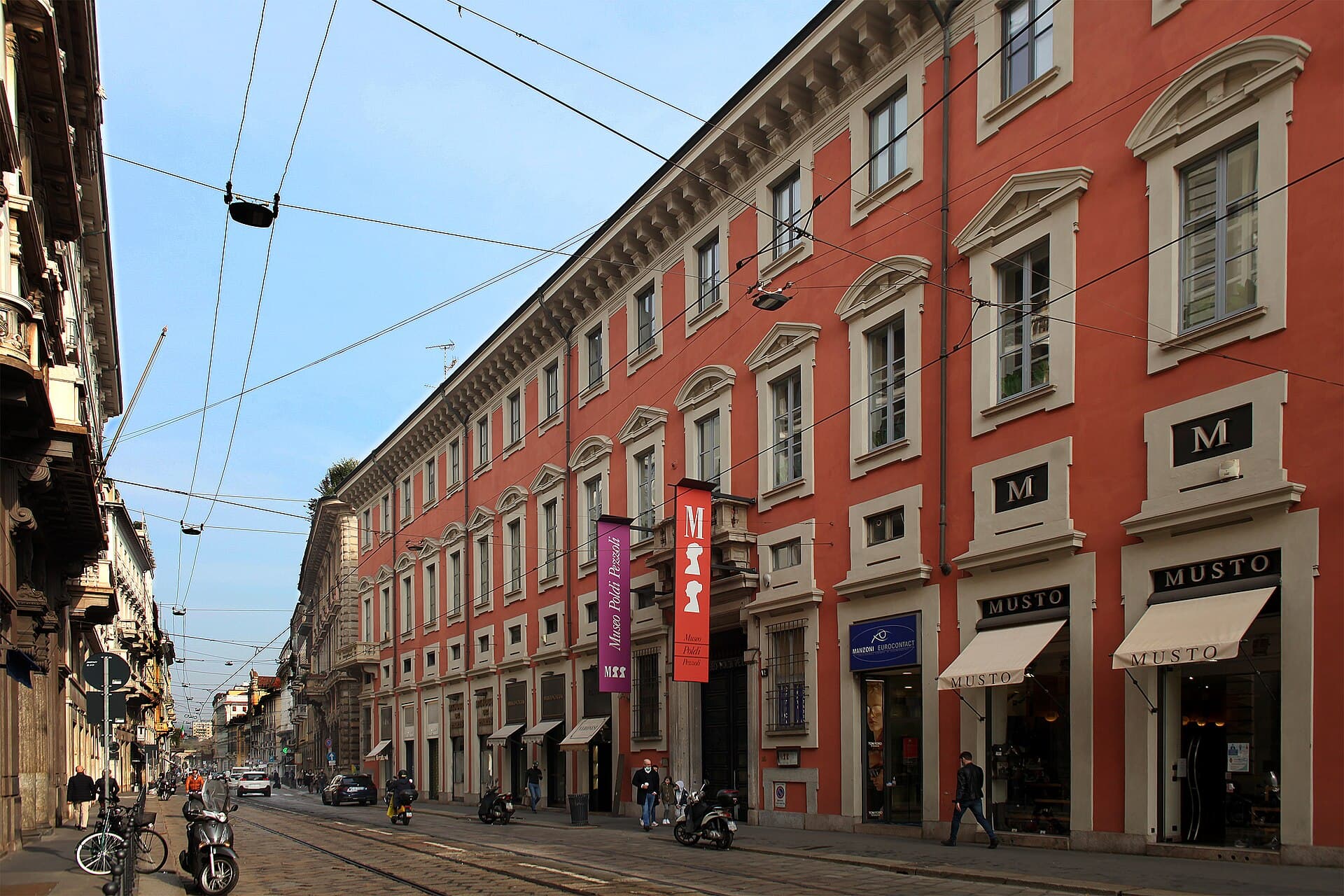 Poldi Pezzoli MuseumThe Poldi Pezzoli is a collector's house become museum — the model later famous 1 minute walk4.6
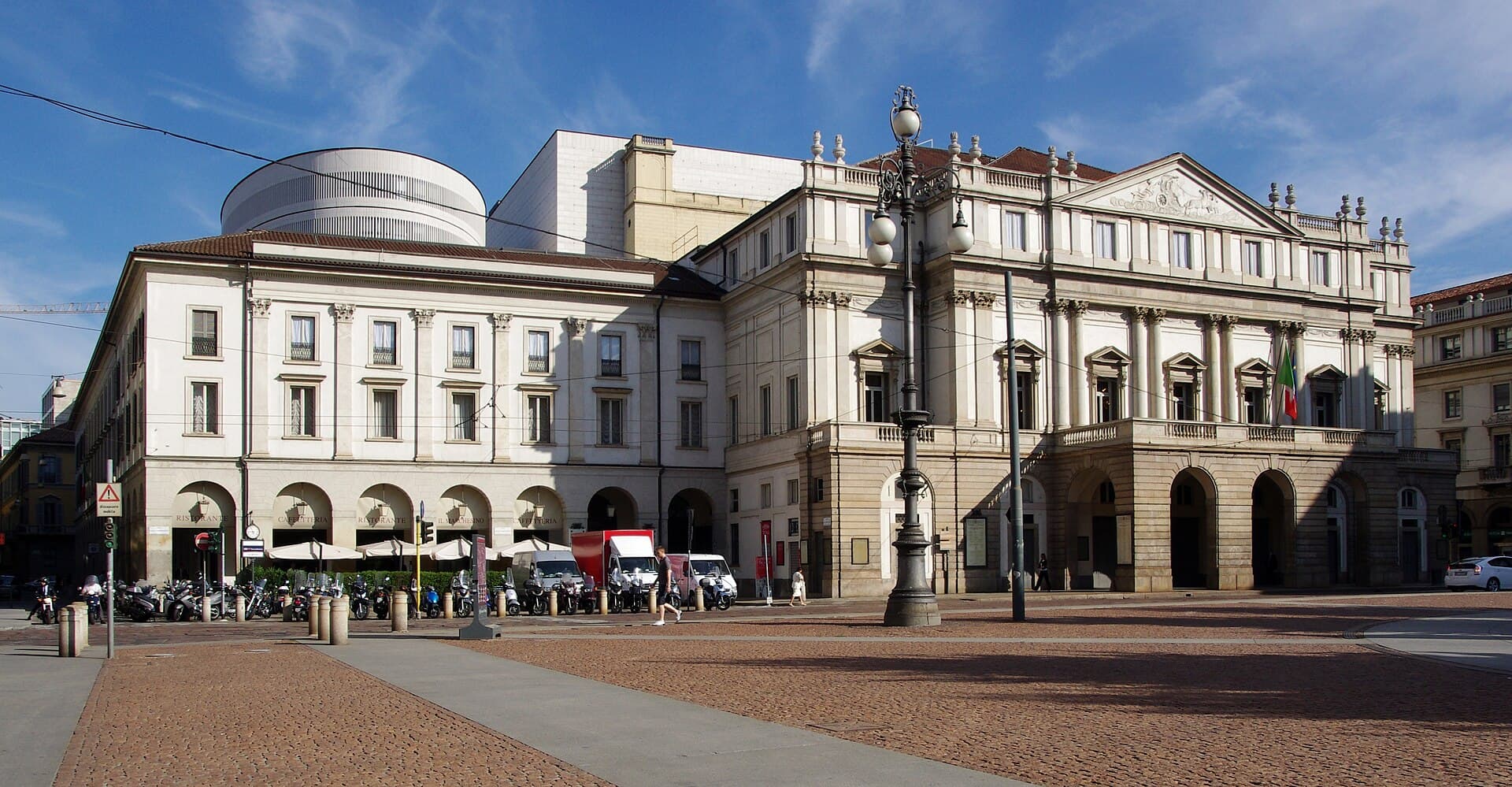 Teatro alla ScalaLa Scala is the world's most famous opera house: since 1778 its stage has premie3 minutes walk4.8
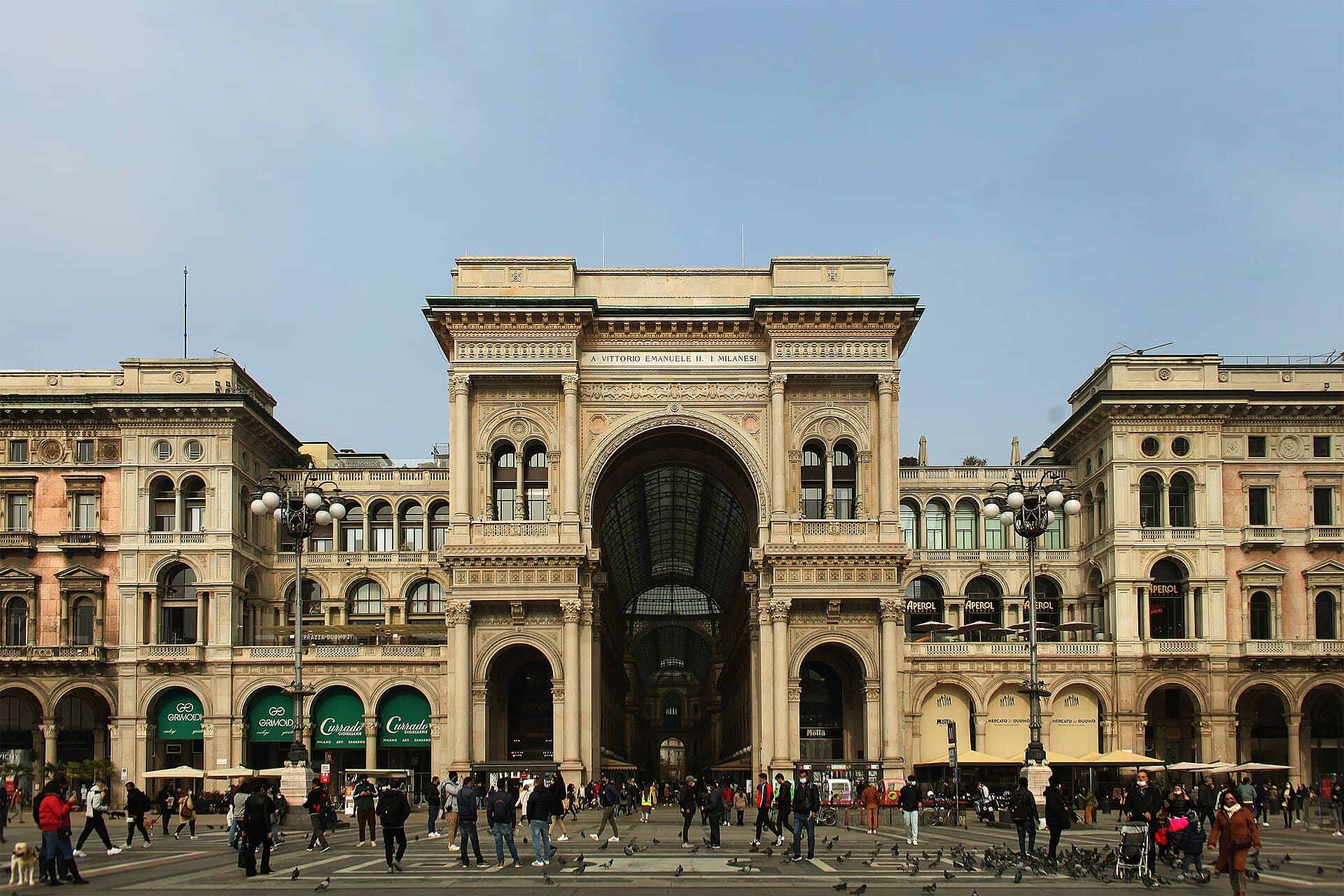 Galleria Vittorio Emanuele II"Milan's drawing room", its people call it: a covered arcade of 1877 linking the4 minutes walk4.6
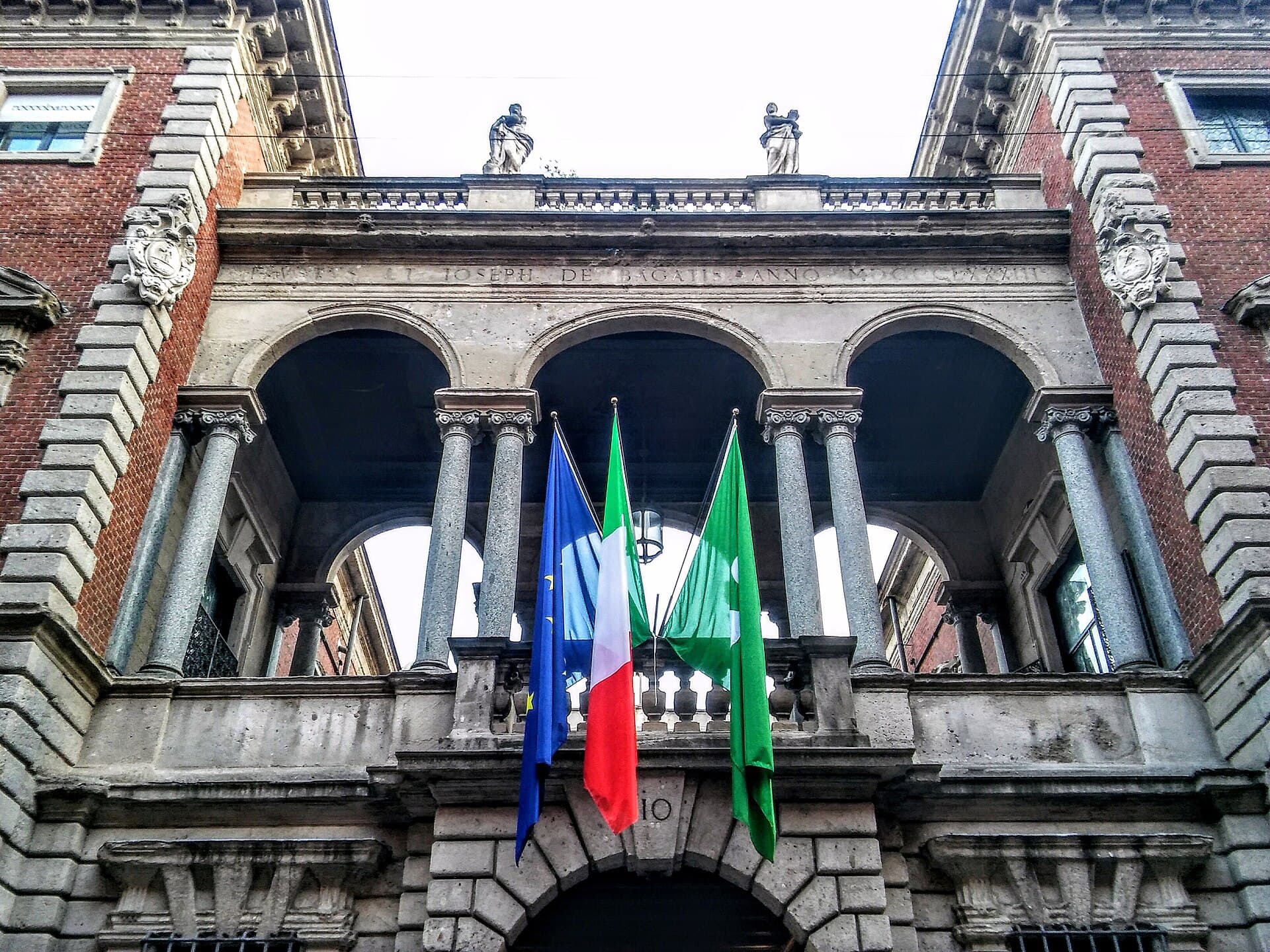 Bagatti Valsecchi MuseumThe house of two brothers who lived as if in the sixteenth century: Fausto and G4 minutes walk4.8
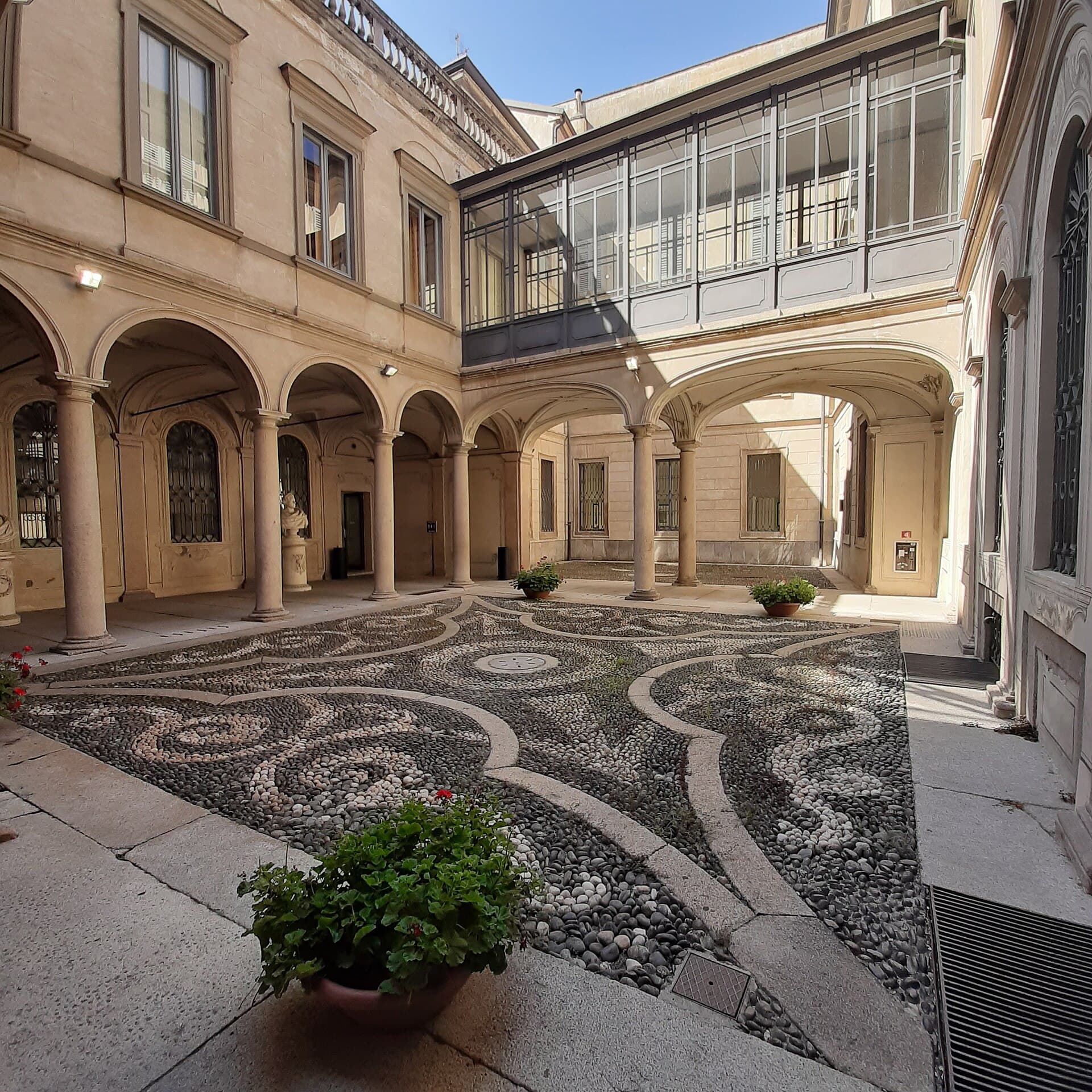 Palazzo MorandoAn eighteenth-century palace in the heart of Milan's fashion district, holding a4 minutes walk4.4
A historical novel published in its final version in 1840, set in Lombardy under Spanish rule in the seventeenth century. Its plot is simple: two young people want to marry and an arrogant local nobleman prevents them, so they flee and are separated, and war, famine and the great Milan plague of 1630 pass over them. But at depth the novel is about power, injustice, providence and ordinary people facing force. Its description of the plague is counted among the greatest passages in European literature.
It is among Milan's handsomest quarters: cobbled lanes, art galleries and cafés. Its most important sight is the Pinacoteca di Brera with works by Raphael, Caravaggio, Mantegna and Bellini — one of Italy's foremost museums. Also the Academy of Fine Arts and the small botanical garden behind it, and the astronomical observatory. It is about ten minutes' walk from the Duomo.