
Portrait of a Lady
Pollaiolo's golden profile — Italian art's most famous side-face.
Paolobon140 — CC BY-SA 4.0 · Joyofmuseums — CC BY-SA 4.0 · Miguel Hermoso Cuesta — CC BY-SA 4.0 · Miguel Hermoso Cuesta — CC BY-SA 4.0
The Poldi Pezzoli is a collector's house become museum — the model later famous houses followed, down to New York's Frick: the Milanese nobleman Gian Giacomo Poldi Pezzoli spent his short life turning his palazzo on Via Manzoni into a suite of rooms each designed around its treasures, then willed it to the public, opening in 1881. The result is a museum of house scale and vault density: Pollaiolo's Portrait of a Lady — Italian art's most famous profile and the museum's icon — with Botticelli, Mantegna and Piero della Francesca, among Persian carpets, cabinets of watches, ornamented arms and Murano glass: one man's taste entire, as he left it. Steps from La Scala and Brera, its crowds negligible — a quiet aristocratic hour in Milan's commercial heart.
Pollaiolo's golden profile — Italian art's most famous side-face.
Rooms designed around their treasures — the collector present in every corner.
Craft's fine grain, Persia to Murano — a decorative museum embedded within.
Via Manzoni 12, 20121 Milan
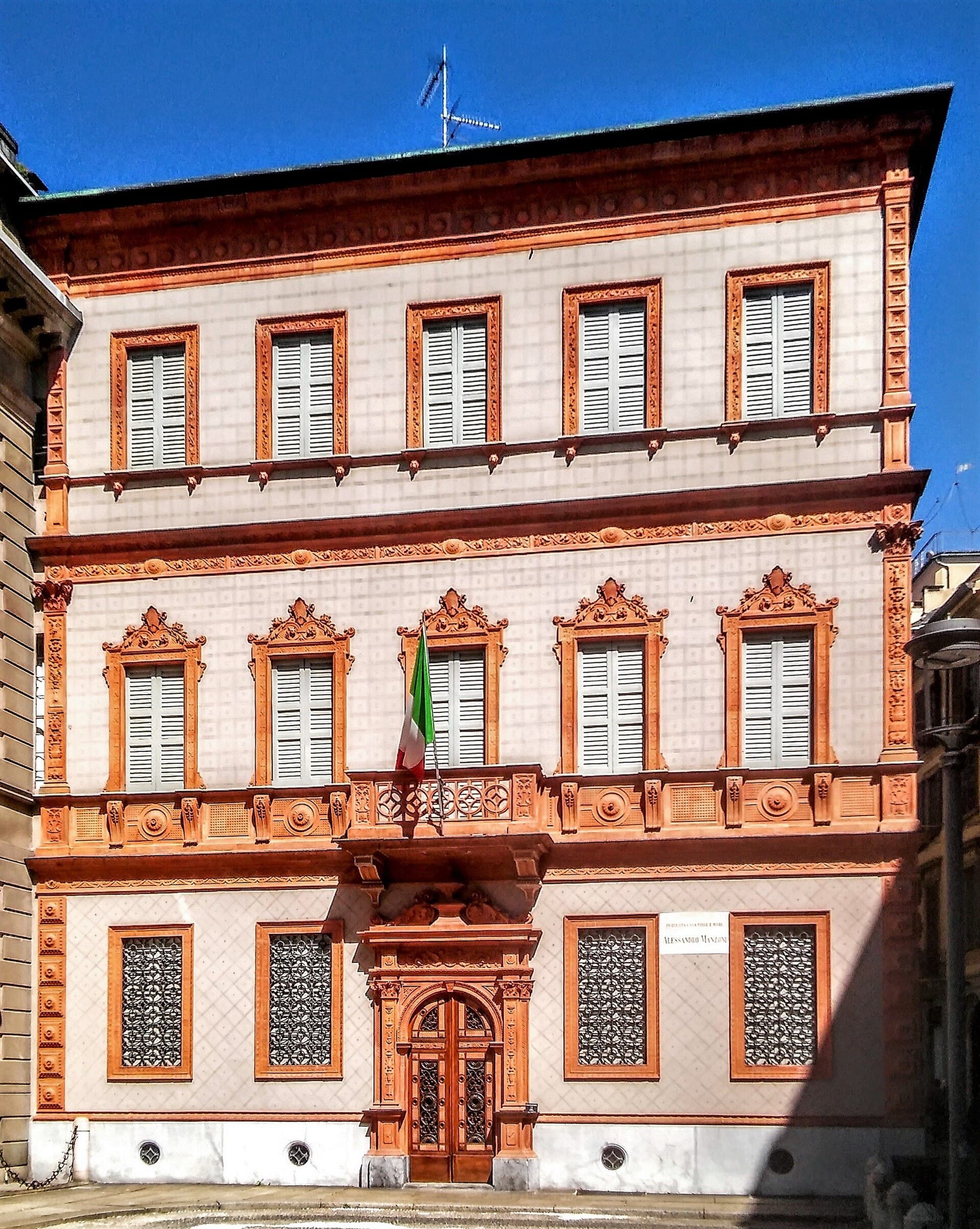 The Manzoni HouseThe house where the writer Alessandro Manzoni lived for about sixty years until 1 minute walk4.4
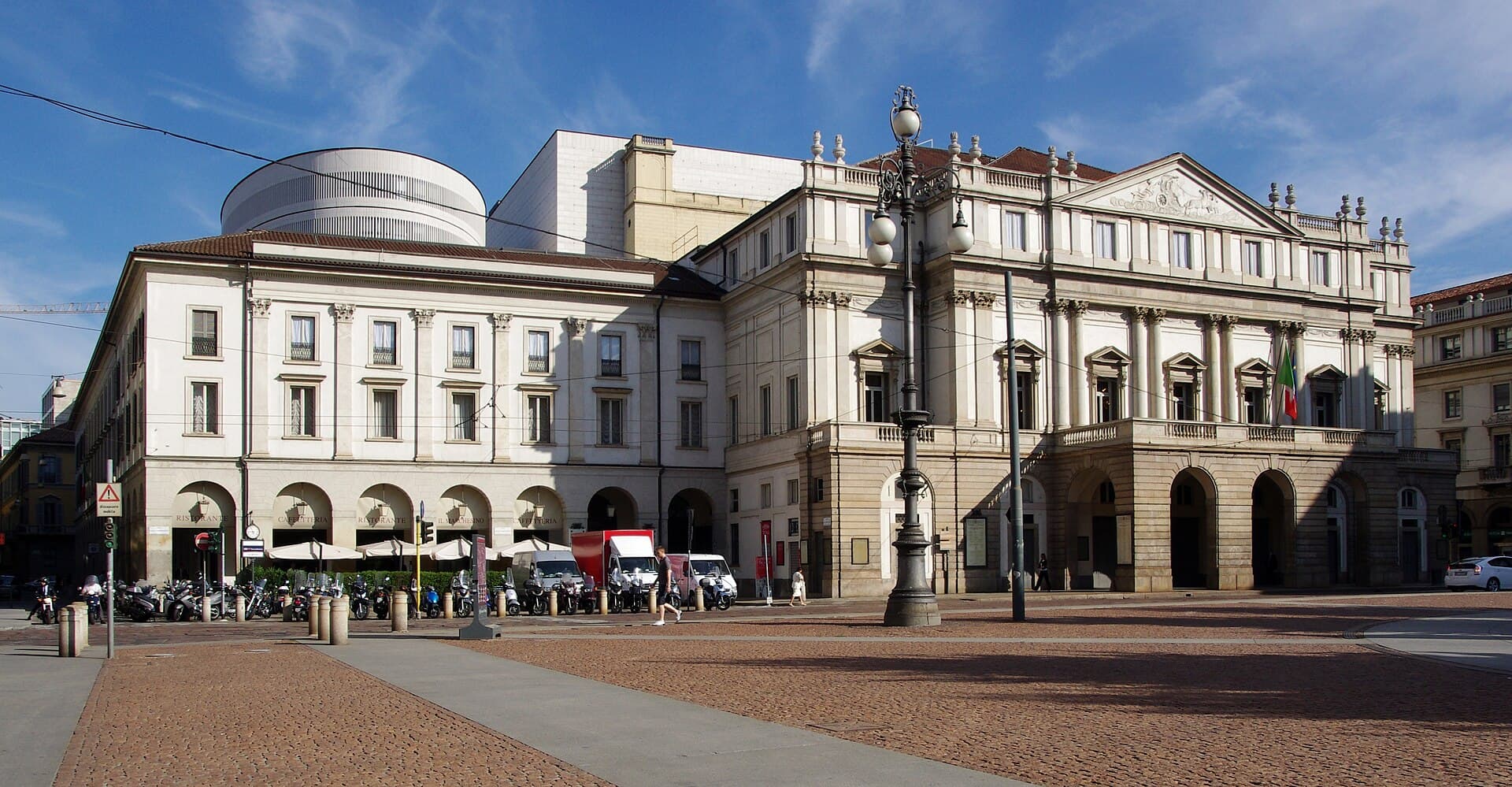 Teatro alla ScalaLa Scala is the world's most famous opera house: since 1778 its stage has premie3 minutes walk4.8
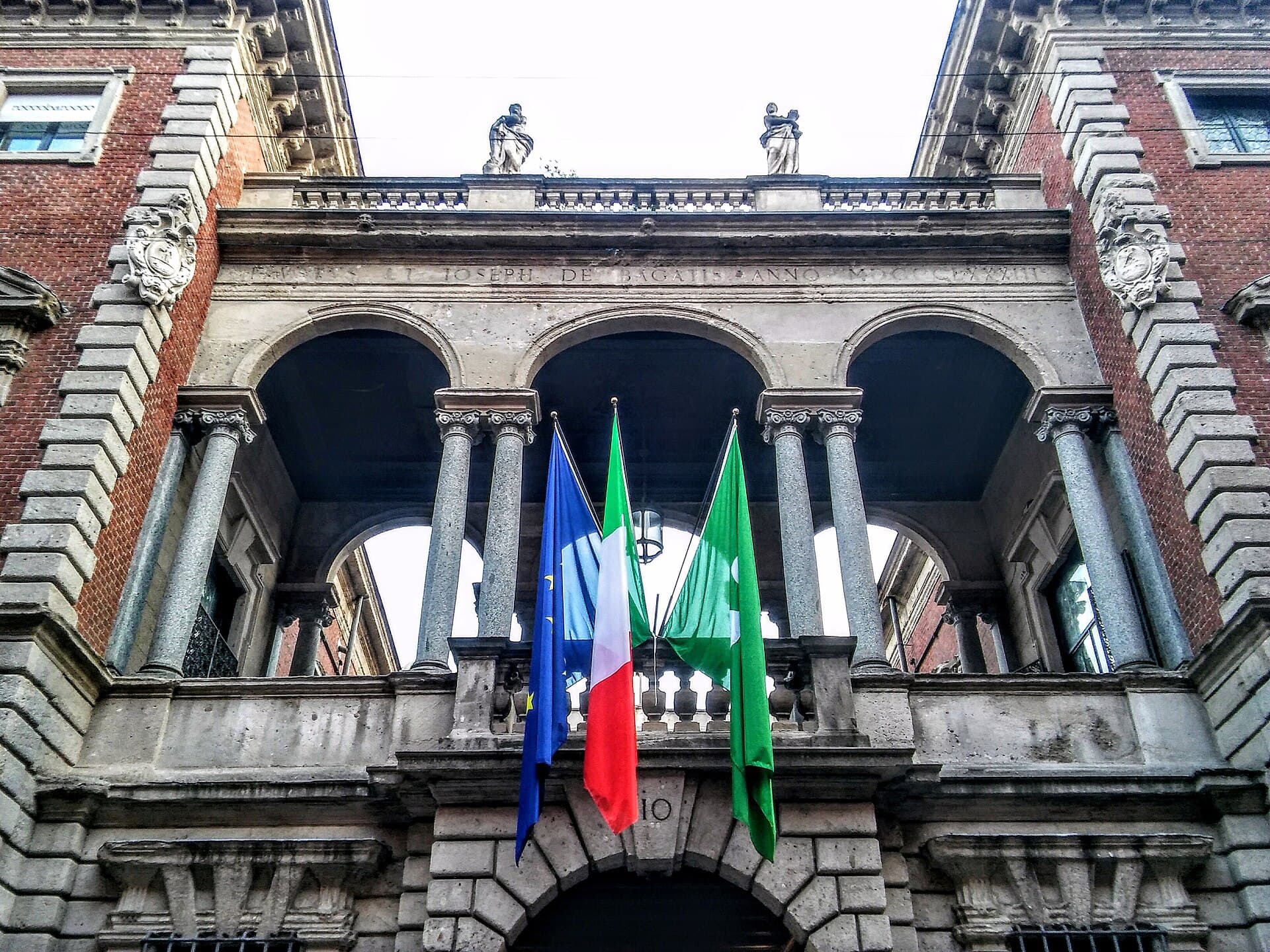 Bagatti Valsecchi MuseumThe house of two brothers who lived as if in the sixteenth century: Fausto and G4 minutes walk4.8
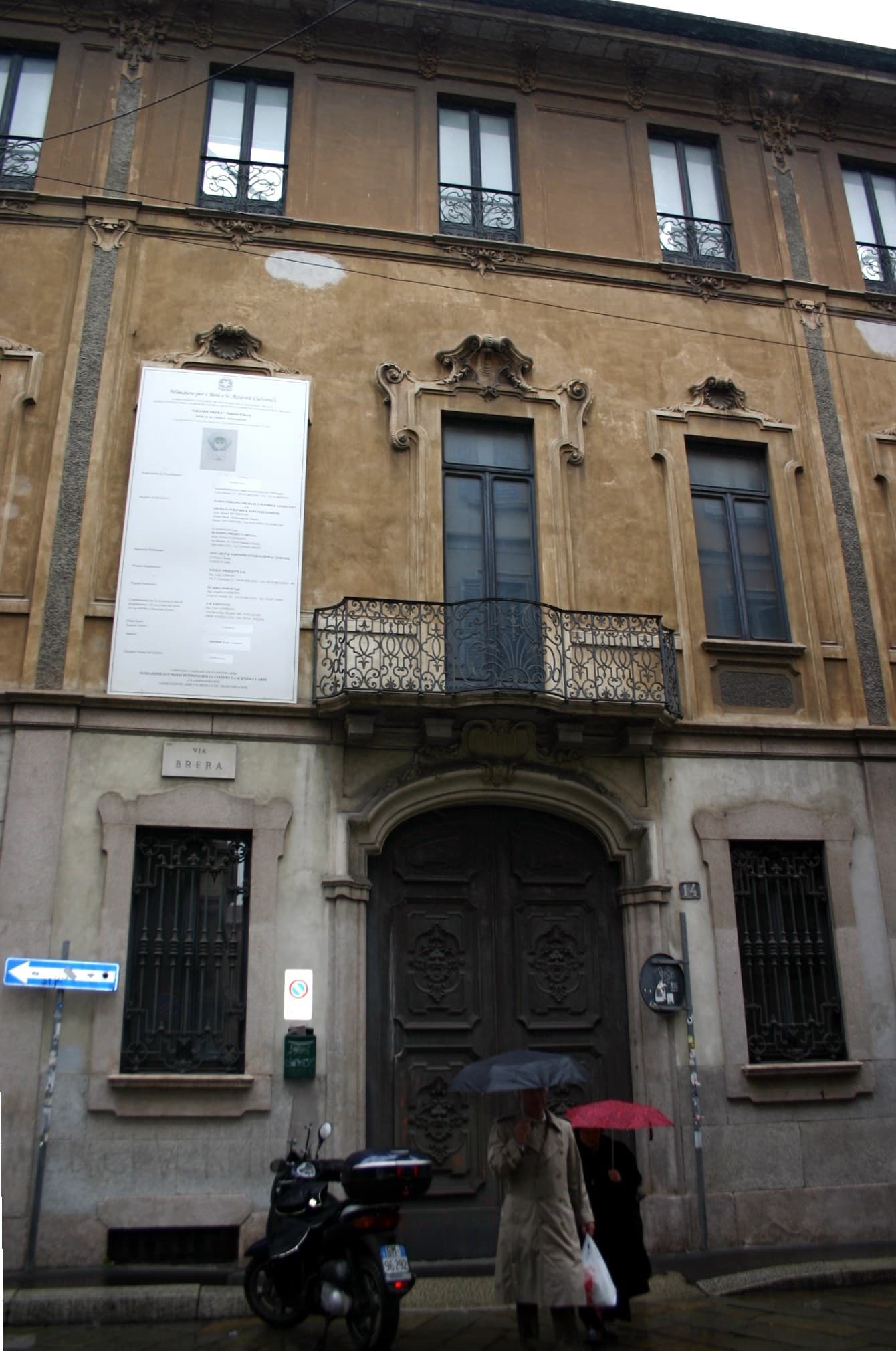 Palazzo CitterioIn 1972 the Italian state bought an eighteenth-century palace on Via Brera and p4 minutes walk4.5
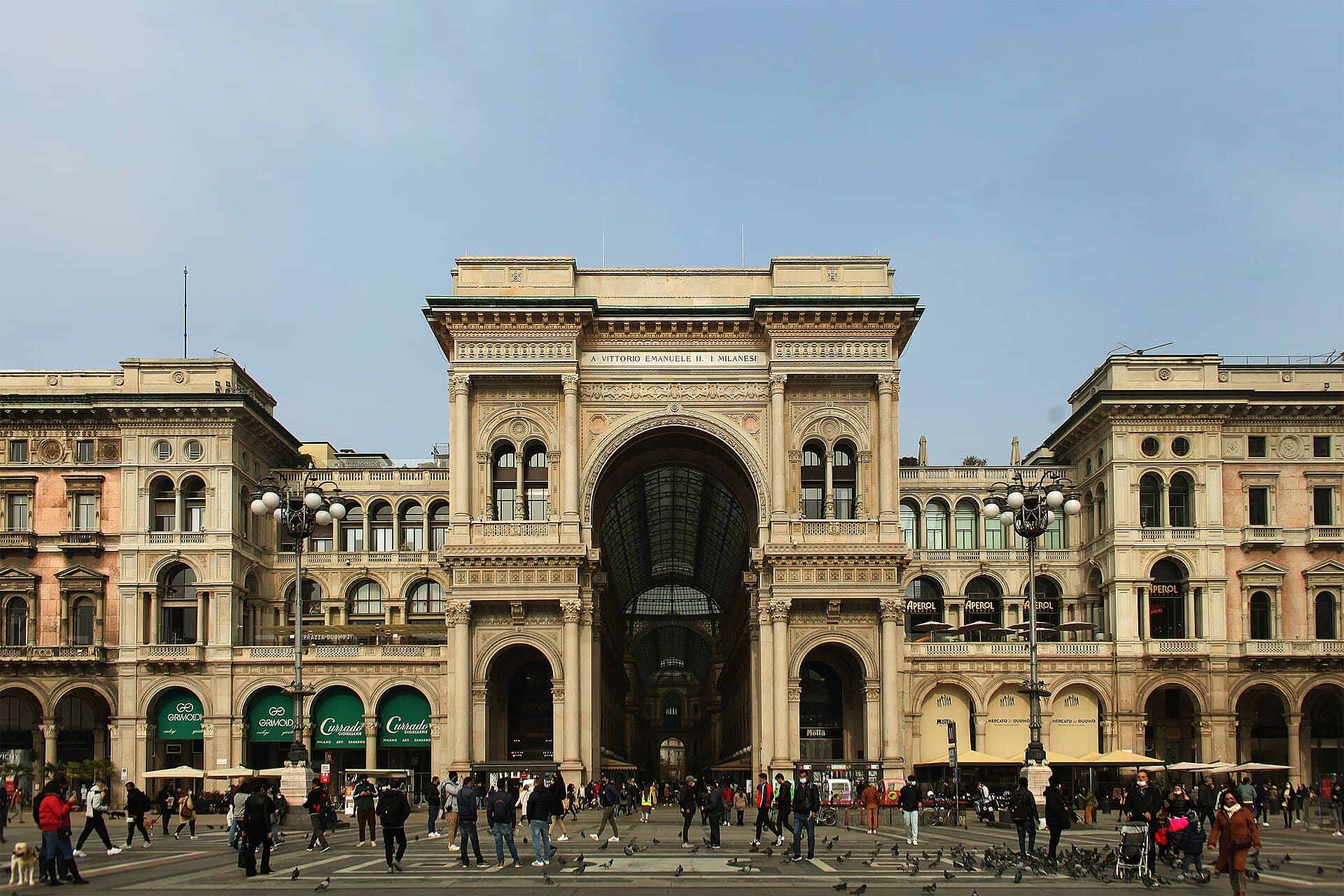 Galleria Vittorio Emanuele II"Milan's drawing room", its people call it: a covered arcade of 1877 linking the4 minutes walk4.6
Brera is a state's encyclopaedia, this a man's memoir: there you read art history whole, here you visit one completed taste at home — fewer paintings, warmer presence. The two in one day balance each other beautifully.
A comfortable hour: the Lady first in her golden room, then the Botticelli–Mantegna hall, then free drifting among the cabinets — the house is small and guides you itself.
It is precisely the museum for them: house-sized, one man's story, one iconic piece to tell — the reluctant leave understanding why people collect art at all.