
A house put back together
The seventeenth-century furnishings follow the inventory of Lope's estate, so what you see is a careful reconstruction rather than his own surviving things.
Emilio J. Rodríguez Posada — CC BY-SA 4.0 · Emilio J. Rodríguez Posada — CC BY-SA 4.0 · Emilio J. Rodríguez Posada — CC BY-SA 4.0 · Emilio J. Rodríguez Posada — CC BY-SA 4.0
The house in the Barrio de las Letras where Lope de Vega, one of the leading playwrights of the Spanish Golden Age, lived from 1610 until his death here in 1635. It is small, the inside is seen only on a short guided tour booked in advance, and entry is free. The rooms hold seventeenth-century furniture arranged from the inventory of his possessions after his death, so it is a reconstruction, not surviving belongings. You pass the study, the oratory, the kitchen, the bedroom and a small garden behind the house. The tour runs 35 to 45 minutes and you stay with the guide. If Spanish literature means nothing to you, skip it without regret. For a period house full of furniture and paintings the Cerralbo gives far more and needs no booking. What this one offers is short, free and concrete: how a writer lived in seventeenth-century Madrid. The street is named after Cervantes, who is buried in the Trinitarias convent on nearby Calle Lope de Vega. Open Tuesday to Sunday, closed Mondays, last tour at 17:00. Nearest Metro: Anton Martin on Line 1; Plaza Santa Ana is a short walk.
The seventeenth-century furnishings follow the inventory of Lope's estate, so what you see is a careful reconstruction rather than his own surviving things.
A small walled garden behind the house, part of the visit and open even without a booking, the quietest corner of the place and an unusual thing to find in central Madrid.
The house stands on a street named after Cervantes, while Cervantes lies in the Trinitarias convent on nearby Calle Lope de Vega, a swap that sums up the whole quarter.
Calle de Cervantes 11, 28014 Madrid
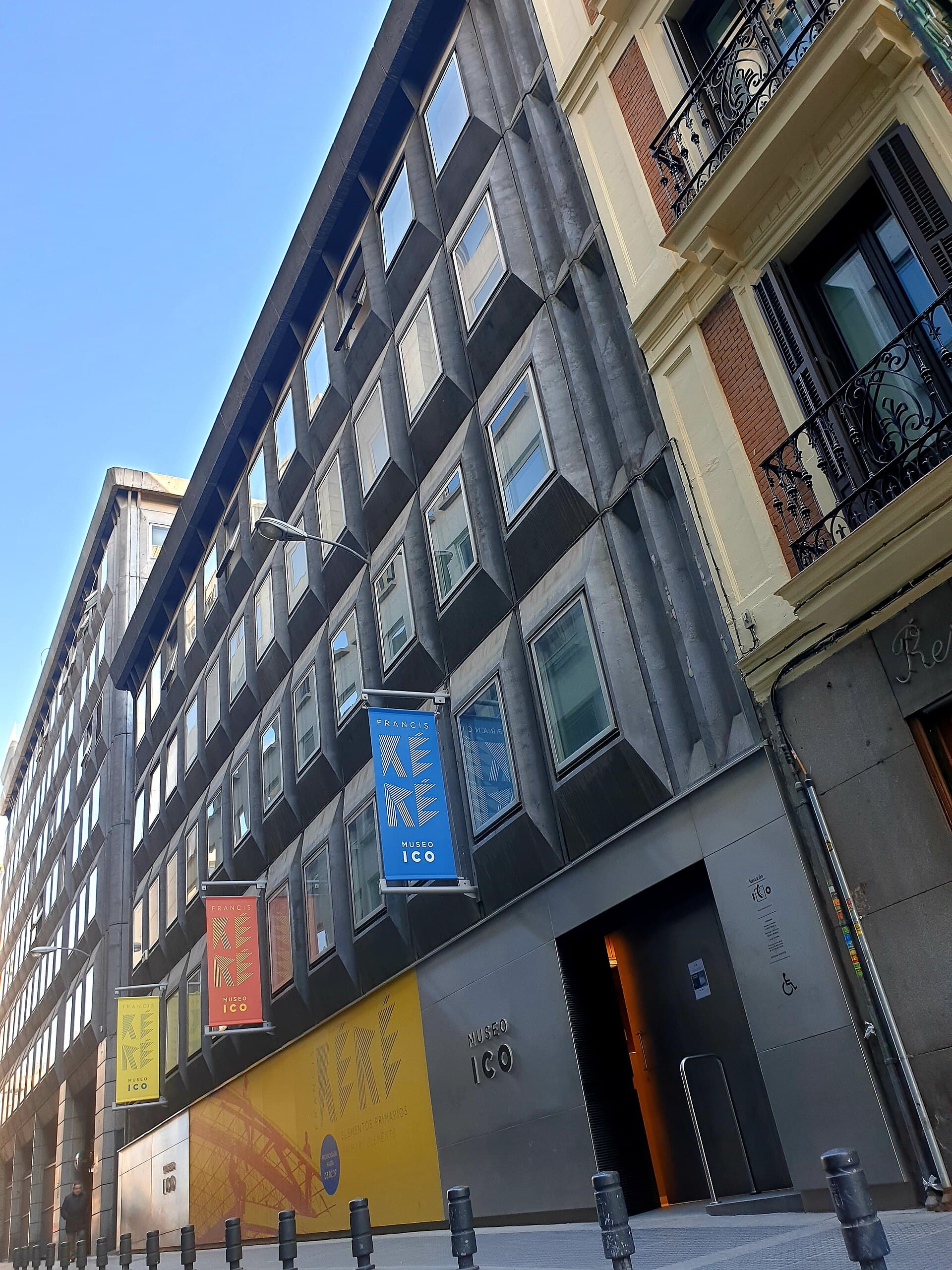 Museo ICOOn a quiet side street alongside the Cortes building, a short walk from Madrid's3 minutes walk4.6
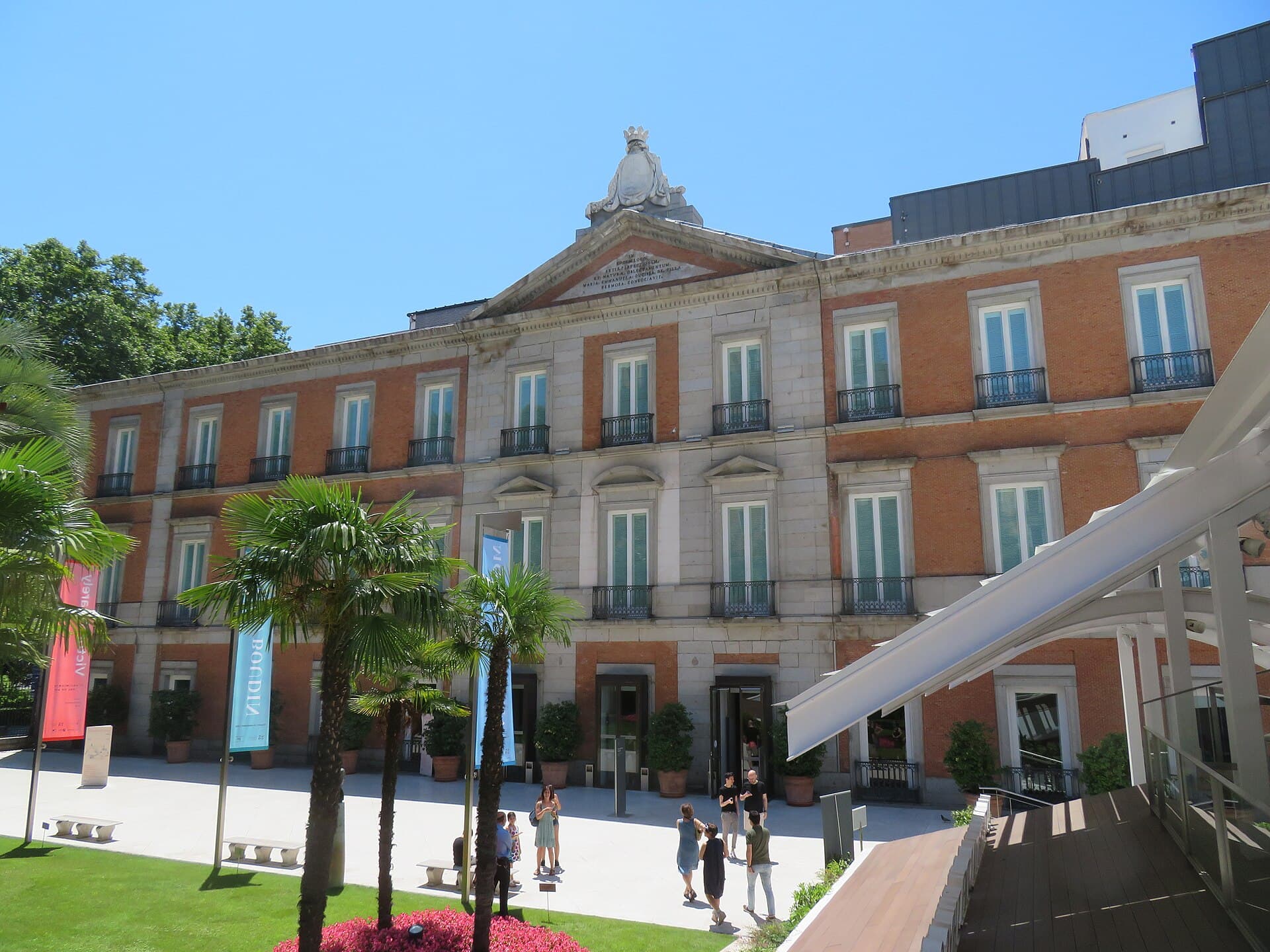 Thyssen-Bornemisza MuseumThe Thyssen is the Golden Triangle's third corner with a singular story: the gre4 minutes walk4.8
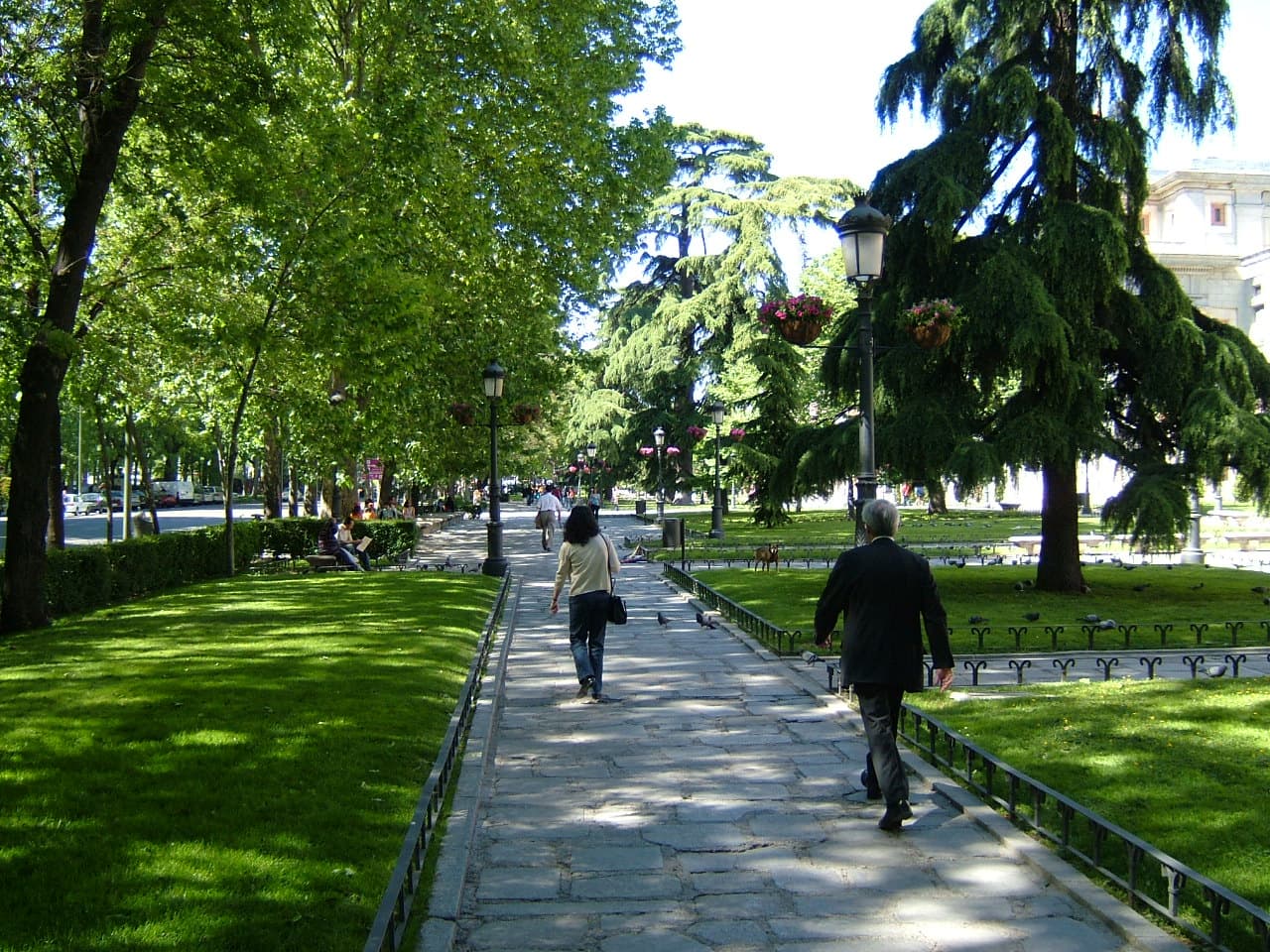 Paseo del PradoA tree-lined avenue running between Plaza de Cibeles and Atocha, the oldest plan4 minutes walk4.5
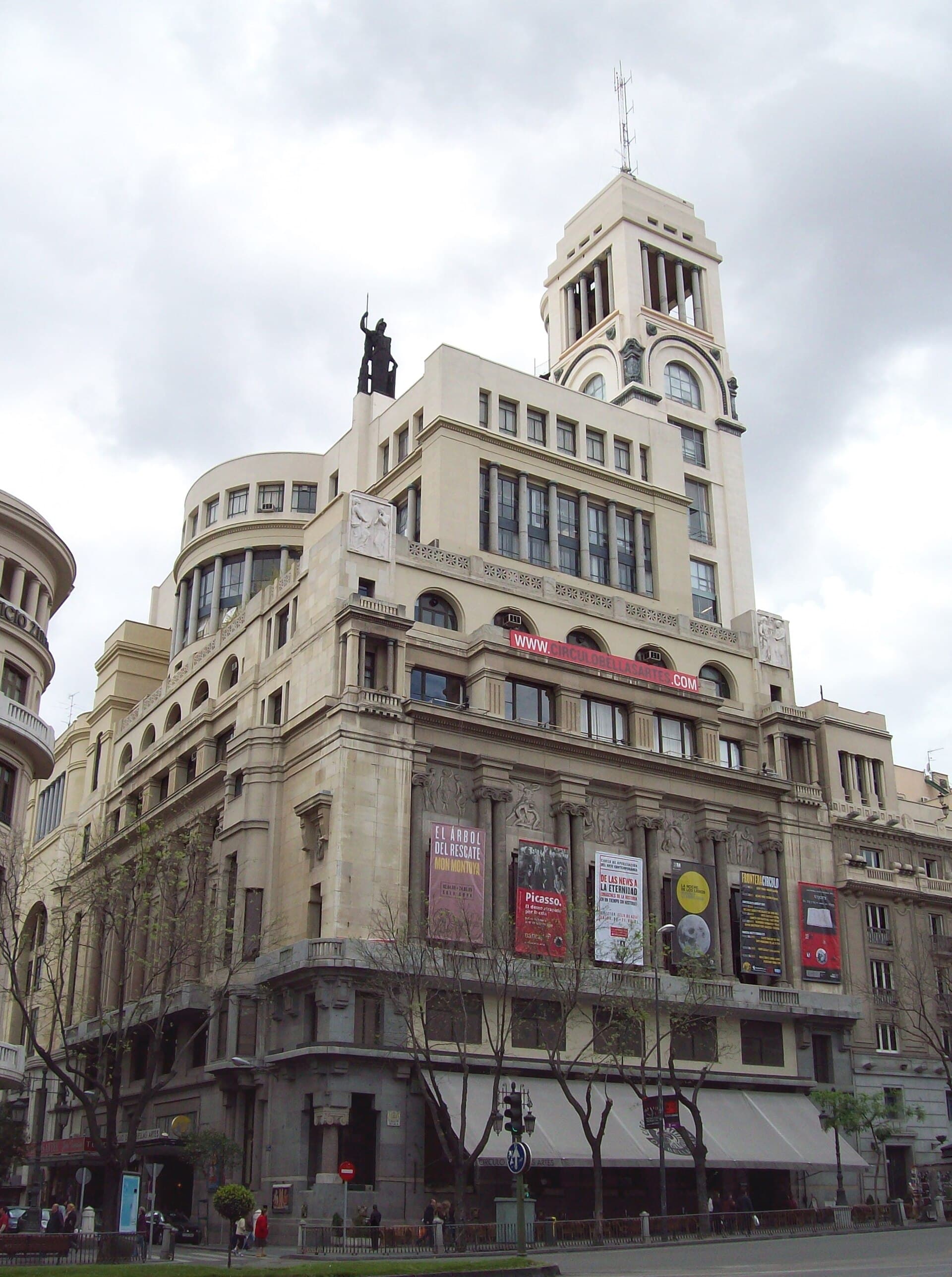 Círculo de Bellas ArtesA heavy 1920s block on Calle de Alcalá, designed by Antonio Palacios for a priva6 minutes walk4.3
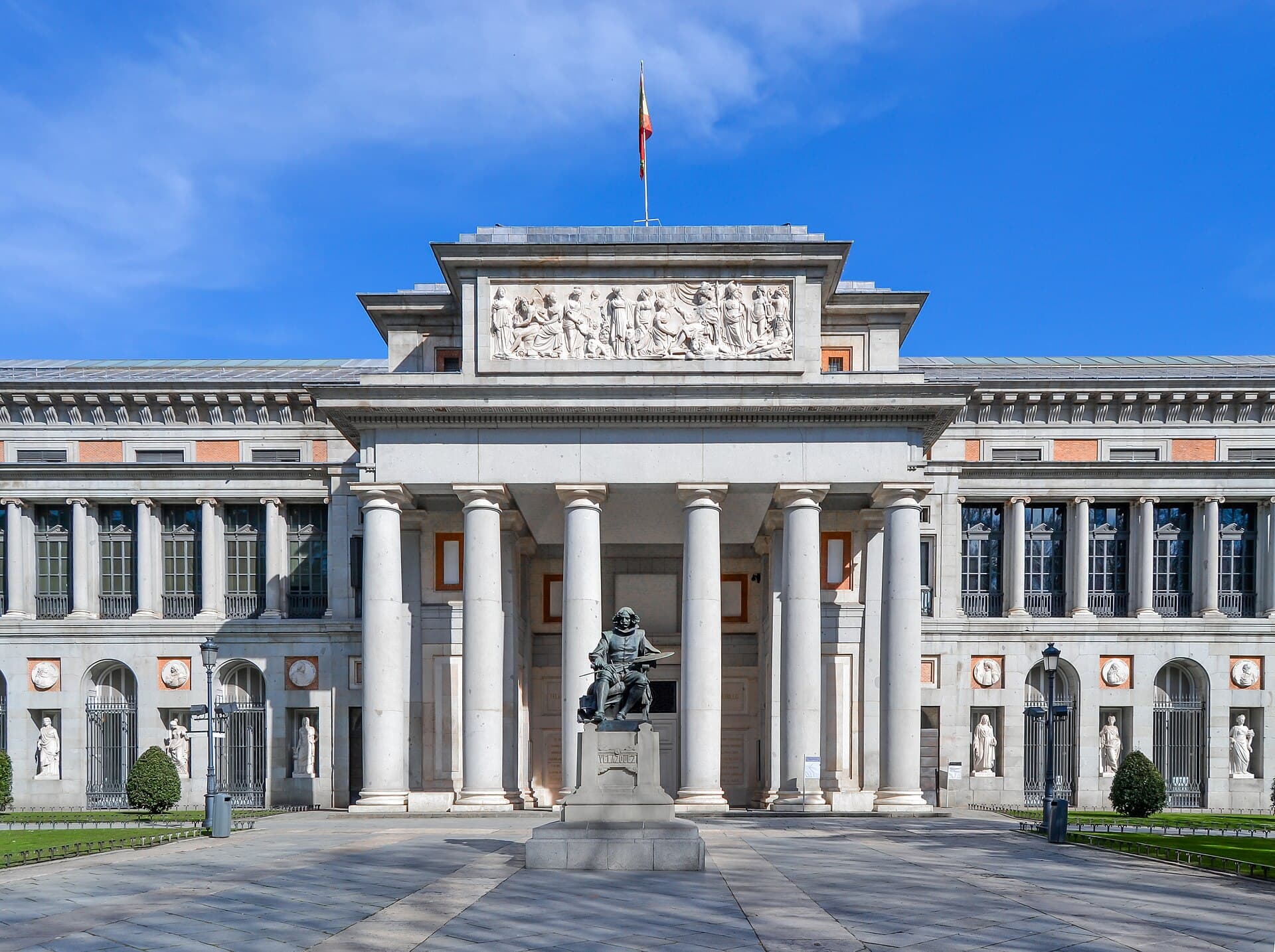 Museo del PradoThe Prado is one of the three greatest art museums on earth, its treasure unmatc6 minutes walk4.8
Entry is free, but the inside of the house is by advance reservation only and on a guided tour, booked by phone or email. Places on each tour are limited to about fifteen, so reserve rather than turning up and hoping. The garden and any temporary exhibition need no booking. Check the current price, hours and booking method on the official site before you go, since they change.
Between 35 and 45 minutes; the official site gives both figures. Tours are given in Spanish, English and French, and each slot runs in a single language, so state the one you want when you reserve. There is nothing in Arabic.
Probably not. The Prado, the Reina Sofia, the Royal Palace and simply walking the Barrio de las Letras all come first, and if you want one period house the Cerralbo is far richer and needs no booking. It does suit anyone staying near Anton Martin who wants a short free stop between two bigger visits, or anyone with a real interest in Spanish theatre and literature.