
Las Meninas
Painting's most intricate game of gazes — Velázquez's solemn hall.
Emilio J. Rodríguez Posada — CC BY-SA 2.0 · Rogier van der Weyden — Public domain · Carlos Delgado — CC BY-SA 3.0 · Raphael — Public domain
The Prado is one of the three greatest art museums on earth, its treasure unmatched in kind: the deepest collection of royal European painting from the twelfth to the nineteenth century — Velázquez and Goya at their fullest presence anywhere, with El Greco, Titian, Rubens and Bosch at first magnitude. Here hangs Las Meninas — studied for centuries as history's most intricate game of gazes — with The Family of Charles IV, Goya's shattering Black Paintings, and Bosch's eternally deranged Garden of Earthly Delights. Its dozen great wings exceed any single visit — the wisdom is a chosen route, not a sweep. The final two hours each evening are free — a famous queue worth standing for tight budgets. And the building anchors the UNESCO-listed Paseo del Prado: the golden triangle with the Thyssen and Reina Sofía along one walkable axis.
Painting's most intricate game of gazes — Velázquez's solemn hall.
His dark house walls transferred whole — Europe's harshest, truest art.
Bosch's fantastical triptych — five centuries without losing its madness.
Spanish and Venetian summits in adjoining halls.
Paseo del Prado, 28014 Madrid
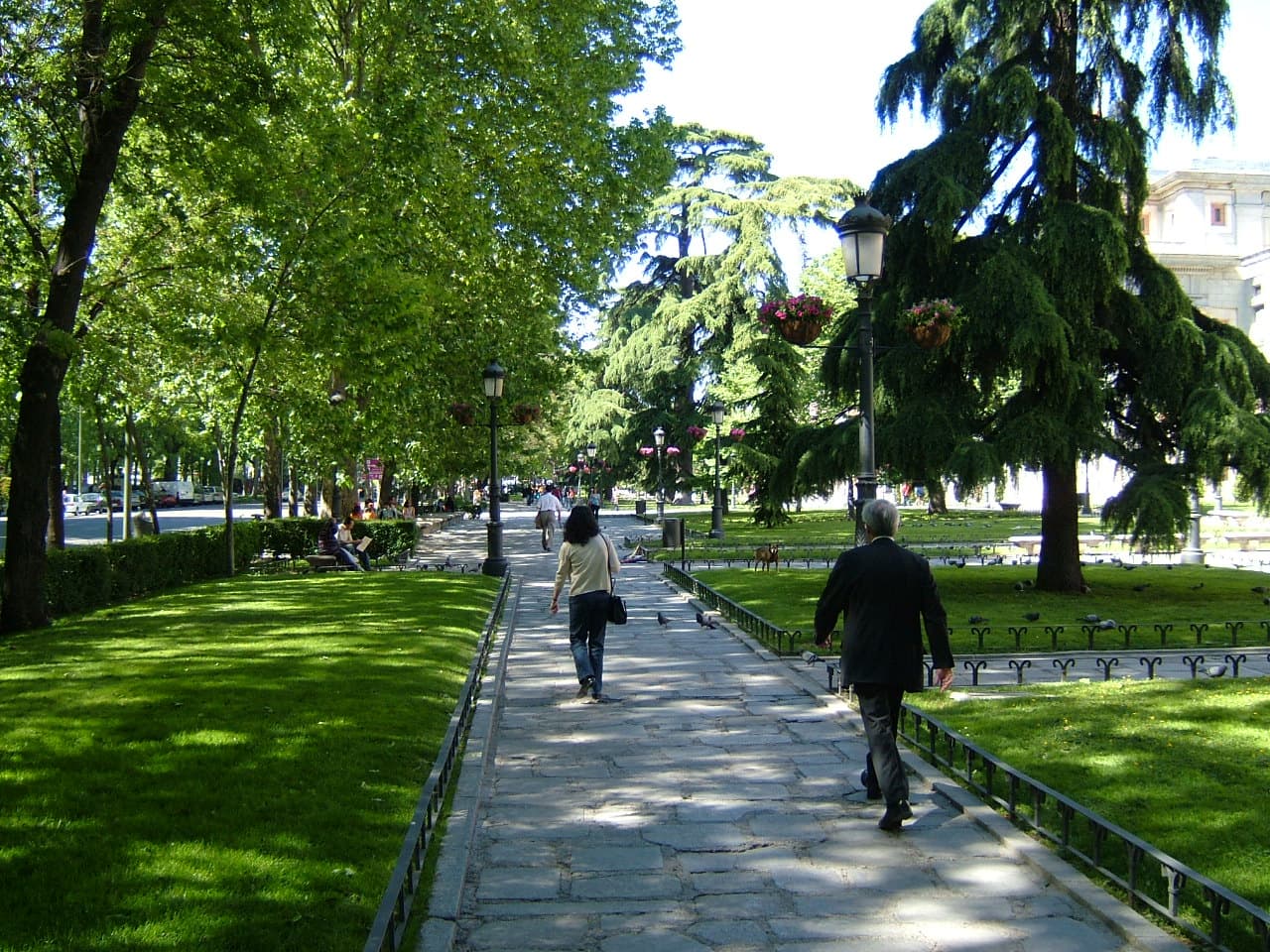 Paseo del PradoA tree-lined avenue running between Plaza de Cibeles and Atocha, the oldest plan2 minutes walk4.5
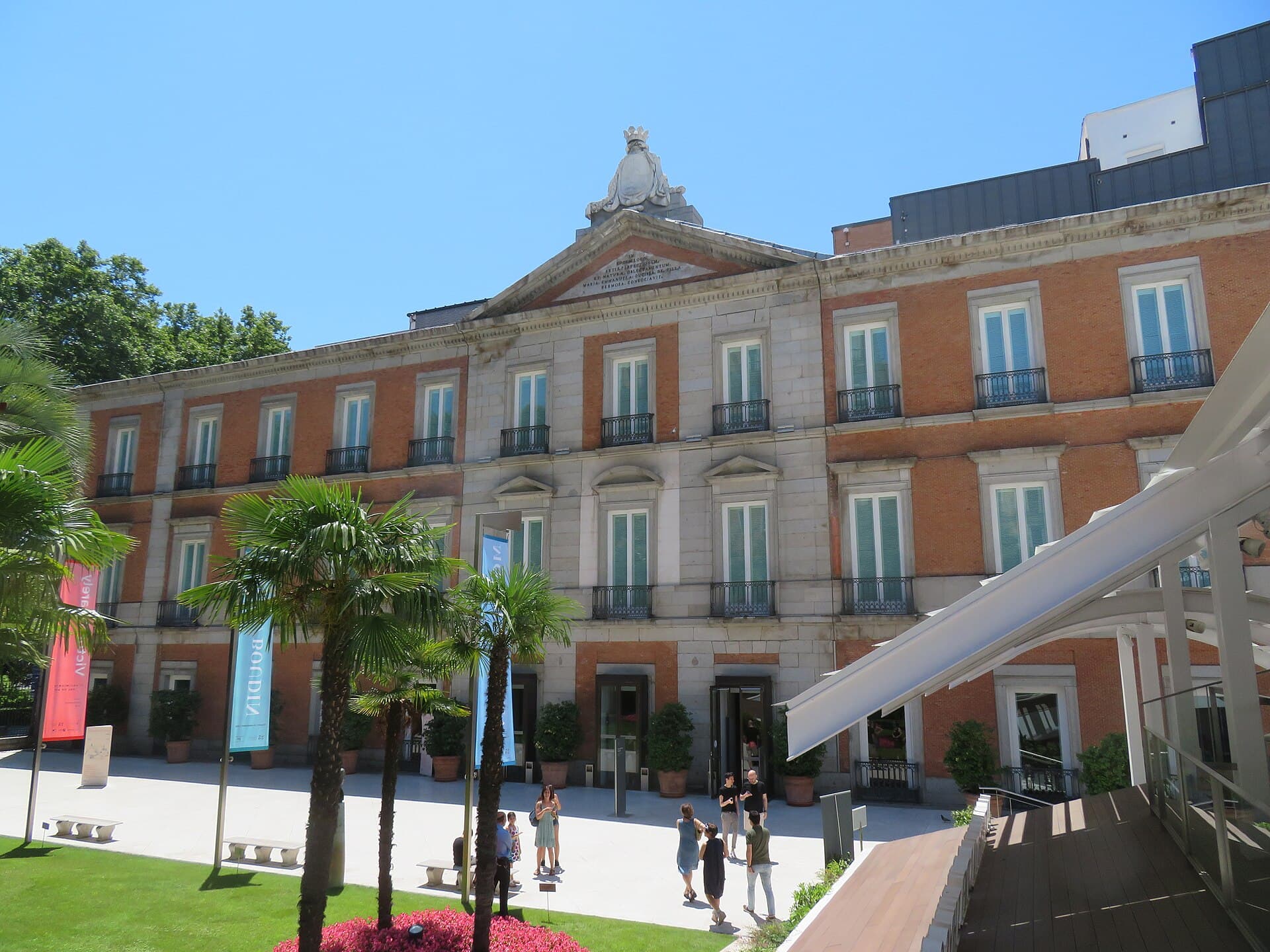 Thyssen-Bornemisza MuseumThe Thyssen is the Golden Triangle's third corner with a singular story: the gre4 minutes walk4.8
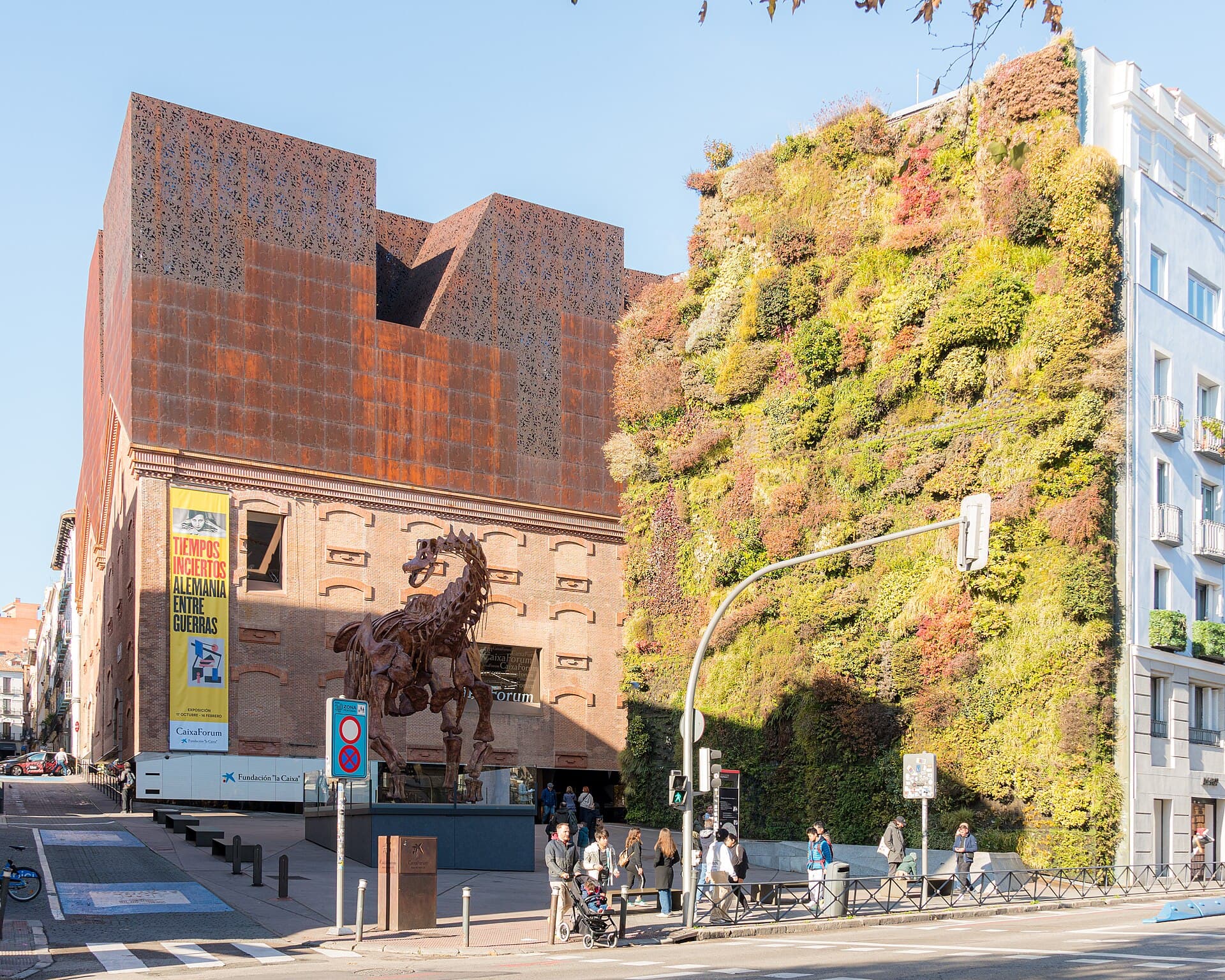 CaixaForum MadridA cultural centre inside the Central Electrica del Mediodia, a turn-of-the-centu4 minutes walk4.4
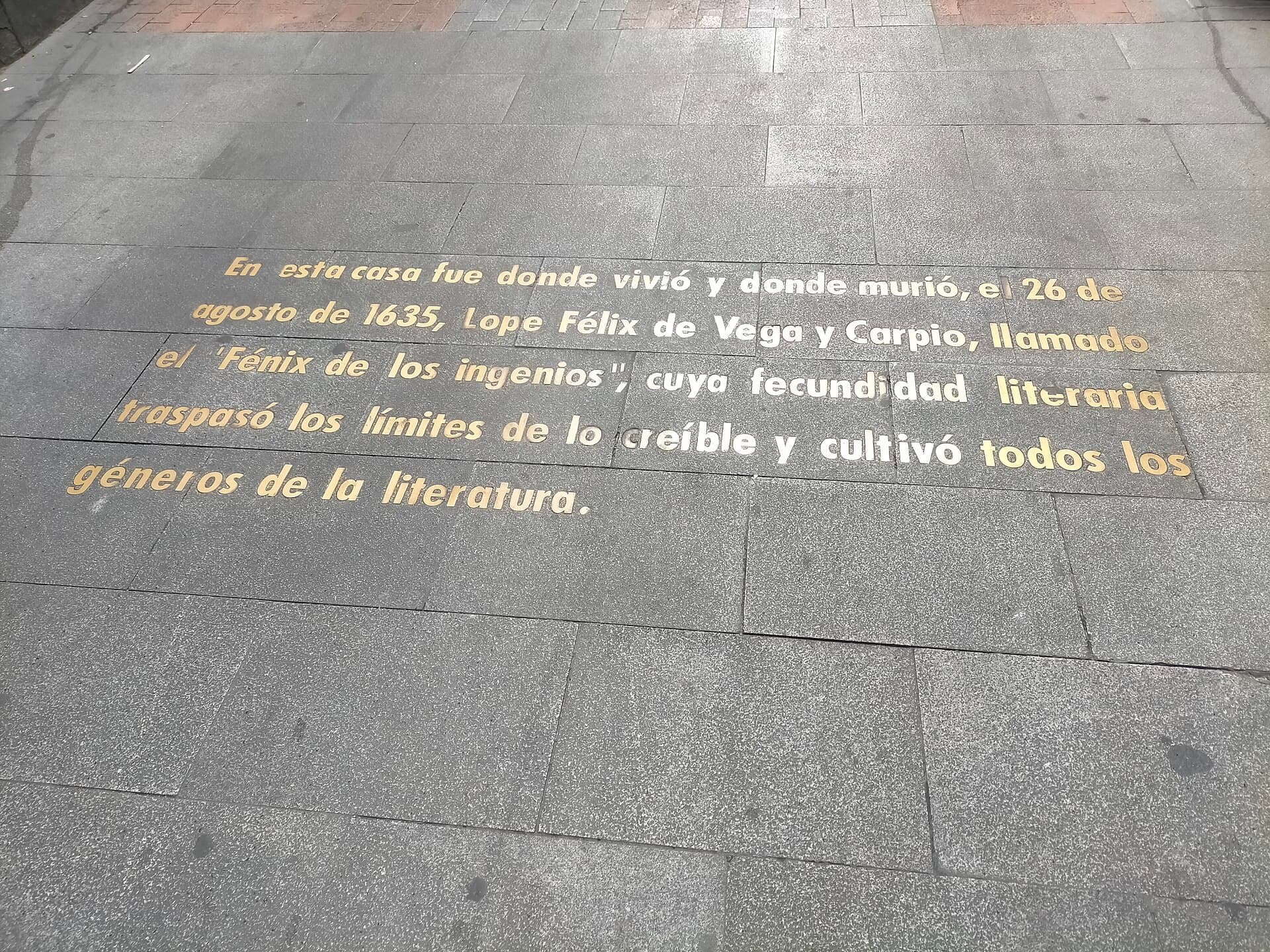 House Museum of Lope de VegaThe house in the Barrio de las Letras where Lope de Vega, one of the leading pla6 minutes walk4.8
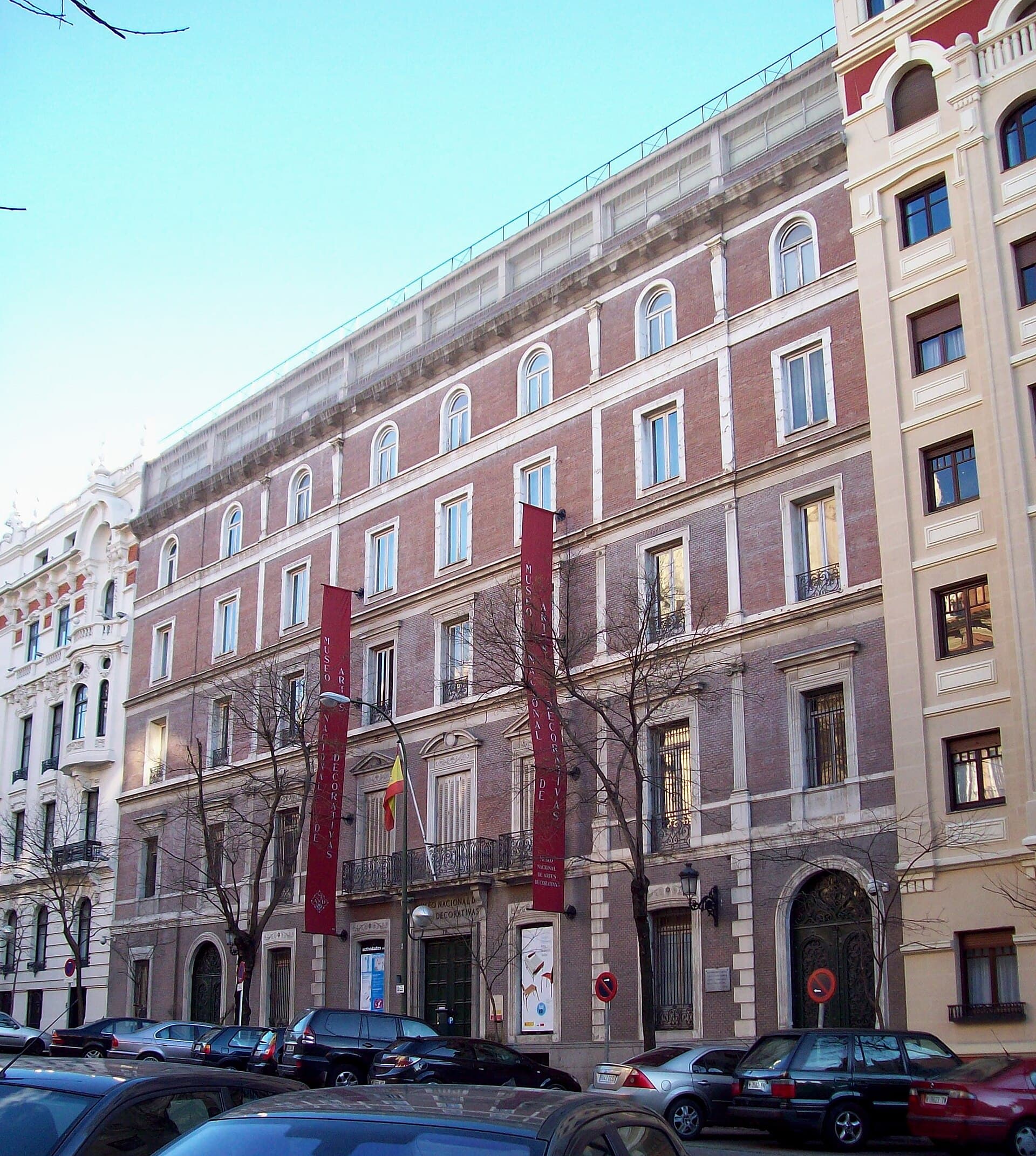 National Museum of Decorative ArtsThe museum occupies a mansion built in 1878 as a summer residence for the Duches6 minutes walk4.2
The three-station rule: Las Meninas and the Velázquez halls, then Goya complete (the Third of May, then the Black Paintings), then Bosch and El Greco — two concentrated hours deliver the essence. Buy the paper map and decide before entering; the building is a sumptuous maze.
Three roles, no substitutes: the Prado for the great old, the Reina Sofía for the modern and Picasso's Guernica, the Thyssen a bridge spanning both in one elegant family collection. Ideal is a day each; realistic is the Prado whole, then a lightning Guernica on day two.
The Prado runs on stories: mad kings, wars, Goya's witches, Bosch's creatures — book an English guided tour or take the audio guide and follow tales, not styles. Two hours suffice to leave genuinely changed.