
Impressionists and Expressionists
Monet, Derain, Kirchner — what the Prado lacks.
Kyle Magnuson from Los Angeles, United States — CC BY 2.0 · Didier Descouens — CC BY-SA 4.0 · Tibor Kovacs — CC BY 2.0 · Emilio J. Rodríguez Posada — CC BY-SA 4.0
The Thyssen is the Golden Triangle's third corner with a singular story: the greatest private collection assembled in the twentieth century — two generations of Thyssen barons buying Western art's summits piece by piece — purchased whole by Spain in 1993, gaining exactly what fills the Prado's gaps. Its strength is being all art history in one building: Italian and Flemish primitives, through the Dutch Golden Age, to the Impressionists and German Expressionists — the Prado's absentees — on to Picasso, Hopper and Lichtenstein. An astonishing density of first-rank names in every era. Its chronological order from the top floor down makes the visit a smooth art-history lesson — and comparing it with its neighbours is Madrid's great pleasure: an old-masters morning at the Prado, a modern afternoon here.
Monet, Derain, Kirchner — what the Prado lacks.
Hotel Room — the finest Hopper outside America.
Ghirlandaio's famous profile — the collection's icon, perhaps the Renaissance's most famous portrait.
Paseo del Prado 8, 28014 Madrid
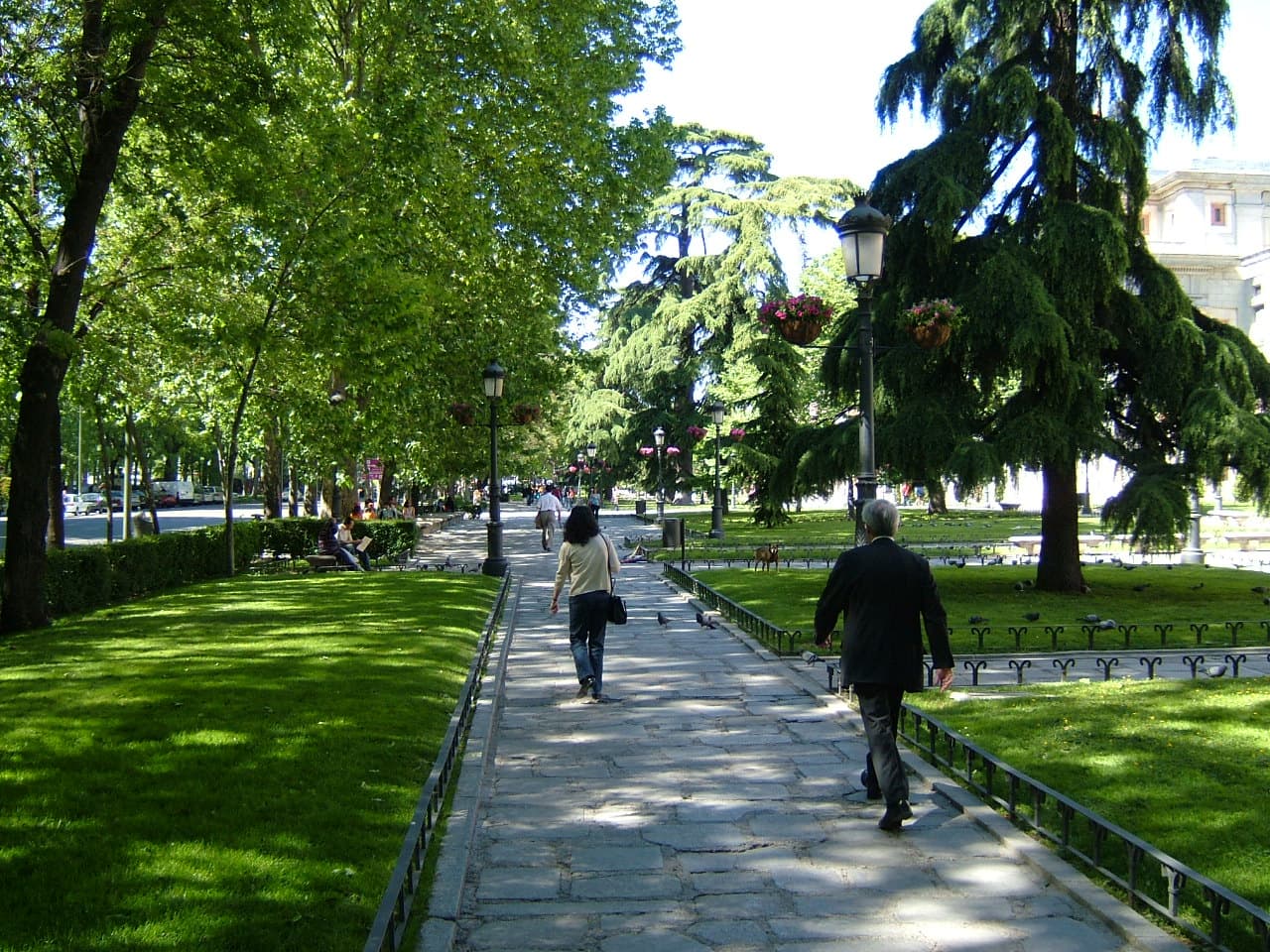 Paseo del PradoA tree-lined avenue running between Plaza de Cibeles and Atocha, the oldest plan3 minutes walk4.5
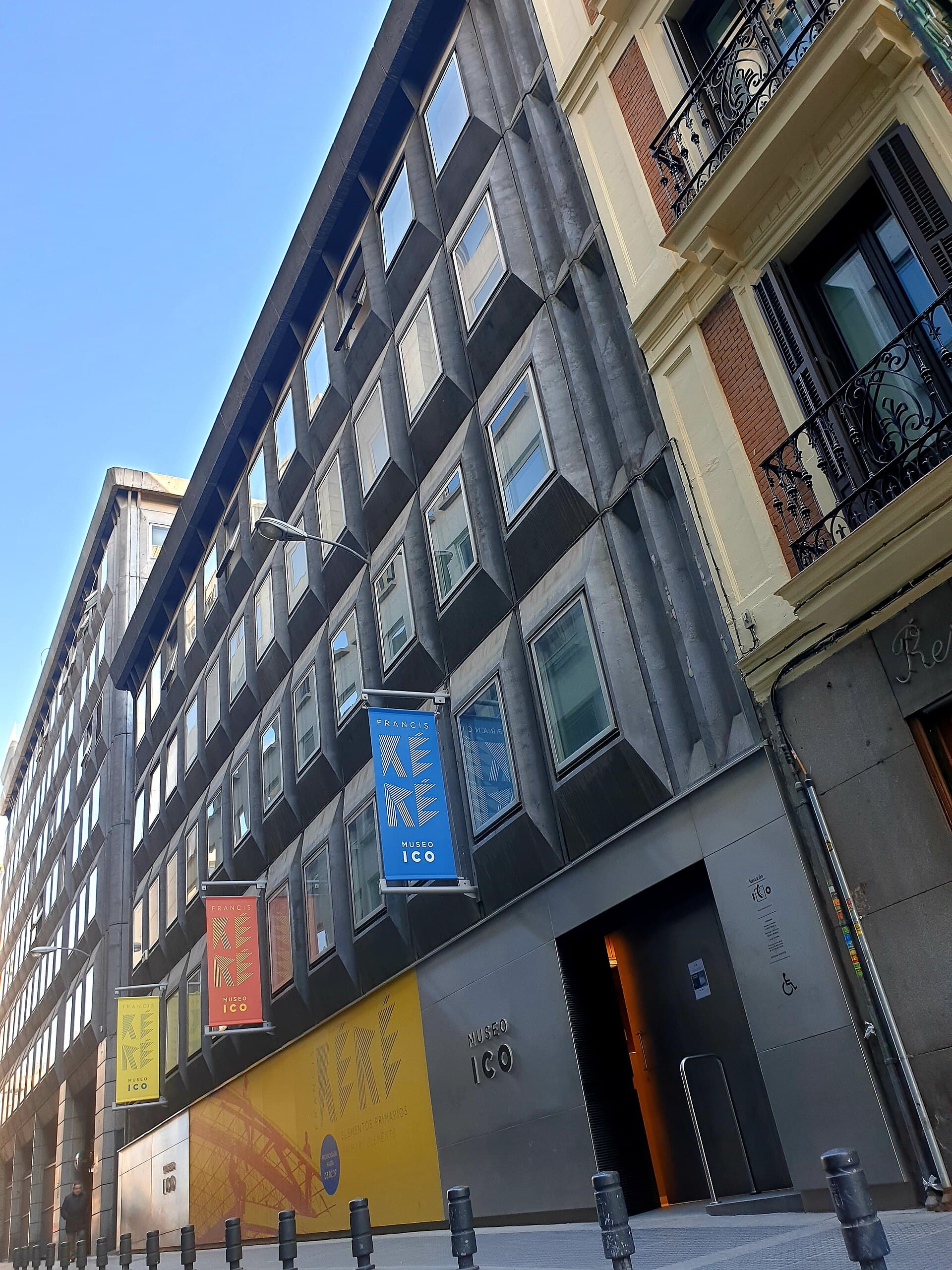 Museo ICOOn a quiet side street alongside the Cortes building, a short walk from Madrid's3 minutes walk4.6
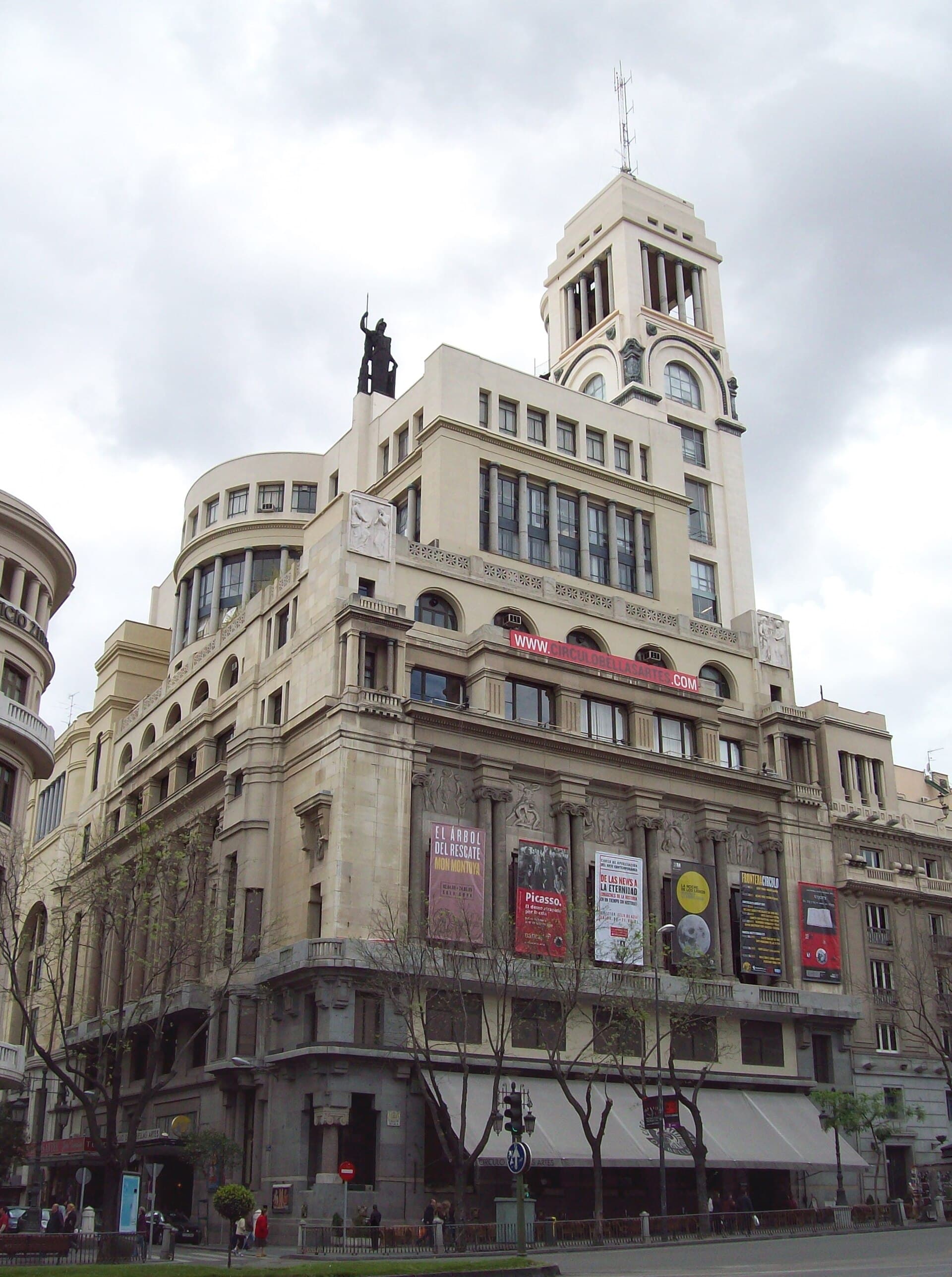 Círculo de Bellas ArtesA heavy 1920s block on Calle de Alcalá, designed by Antonio Palacios for a priva4 minutes walk4.3
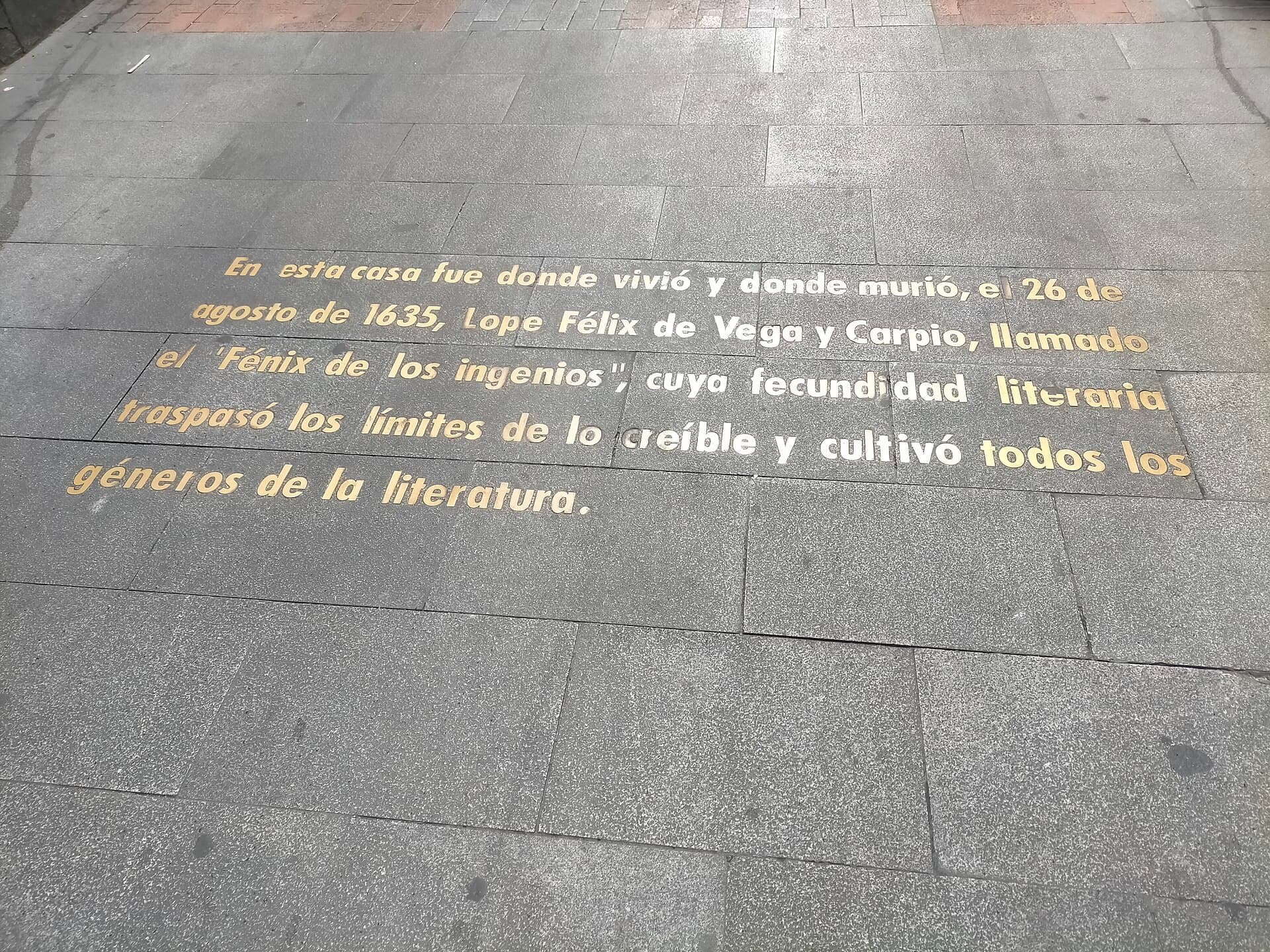 House Museum of Lope de VegaThe house in the Barrio de las Letras where Lope de Vega, one of the leading pla4 minutes walk4.8
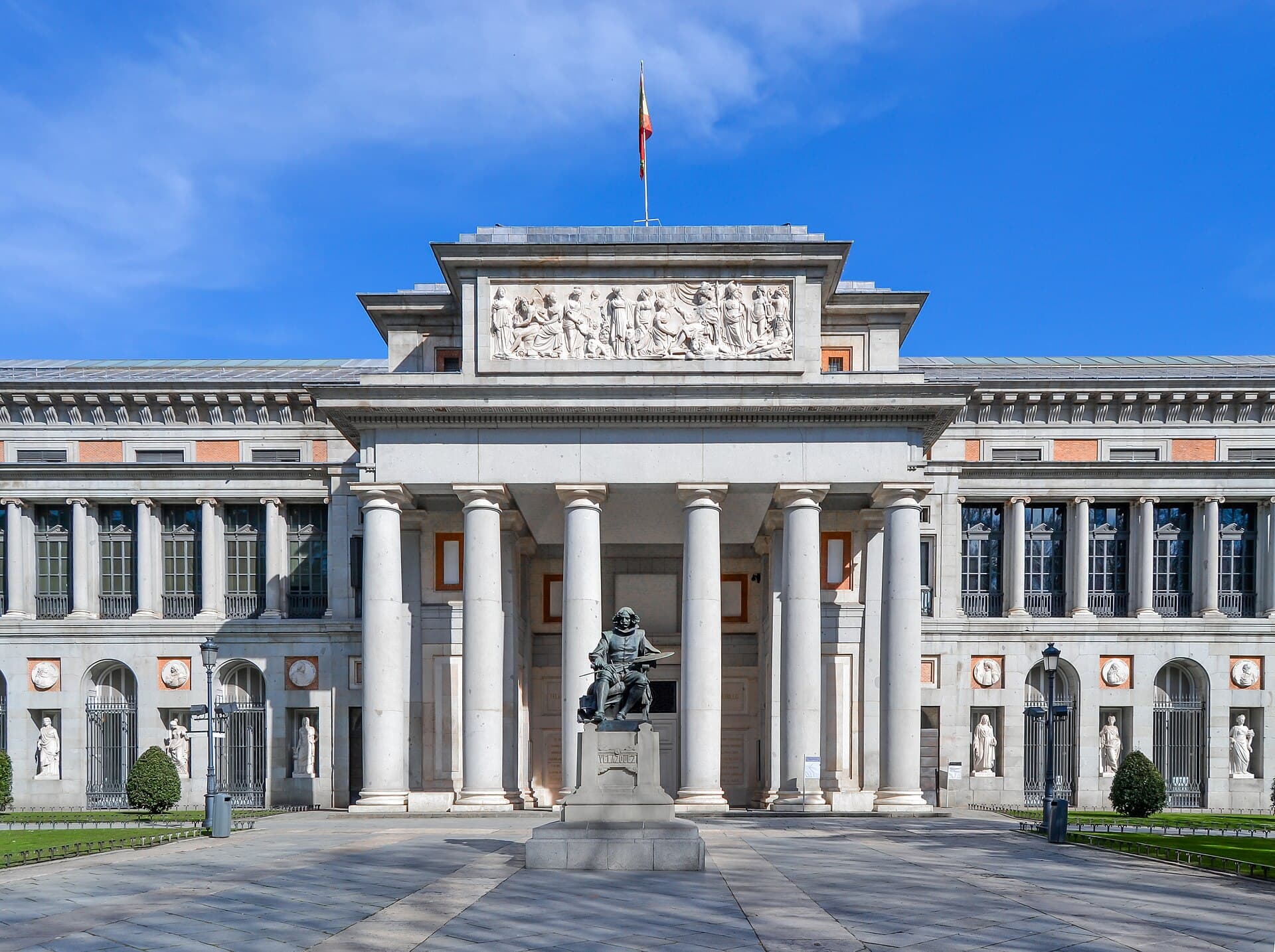 Museo del PradoThe Prado is one of the three greatest art museums on earth, its treasure unmatc4 minutes walk4.8
With three or more Madrid days: emphatically — it completes the tale, filling centuries its neighbours miss. With two: Prado and Guernica first, non-negotiably. Practical note: it opens Mondays when both close — the famous Monday-itinerary rescuer.
Two hours walk the full chronology without fatigue — its density is kinder than the Prado's, its size measured. The café and garden make the perfect mid-point rest.