
Casts and models
Seeing unfinished plaster beside the finished work explains the process of sculpture.
Henrique Matos — CC BY-SA 3.0 · Joseolgon — CC0 · Joseolgon — CC0 · Joseolgon — CC0
The house and studio of the Portuguese sculptor António Teixeira Lopes in Vila Nova de Gaia, kept as he left it and open as a museum. Teixeira Lopes was among Portugal's leading sculptors of the late nineteenth and early twentieth centuries, and his work stands in many Portuguese cities. The house was built for him by his architect brother, so it is designed around the work: a large studio with overhead light, with the living rooms arranged around it. The display covers sculptures, plaster casts, preparatory drawings and working tools, alongside his own art collection. Seeing the casts and unfinished models beside the finished pieces explains the process of sculpture better than a statue in a museum does. The location is in Gaia on the south bank, slightly off the usual visitor route, and the visit is quiet and rarely crowded. It combines with Jardim do Morro and the Serra do Pilar monastery into a half day on the south bank.
Seeing unfinished plaster beside the finished work explains the process of sculpture.
The working space is the heart of the house, with the rooms arranged around it.
Combines with Jardim do Morro and the Serra do Pilar monastery on the south bank.
Rua Teixeira Lopes, Vila Nova de Gaia
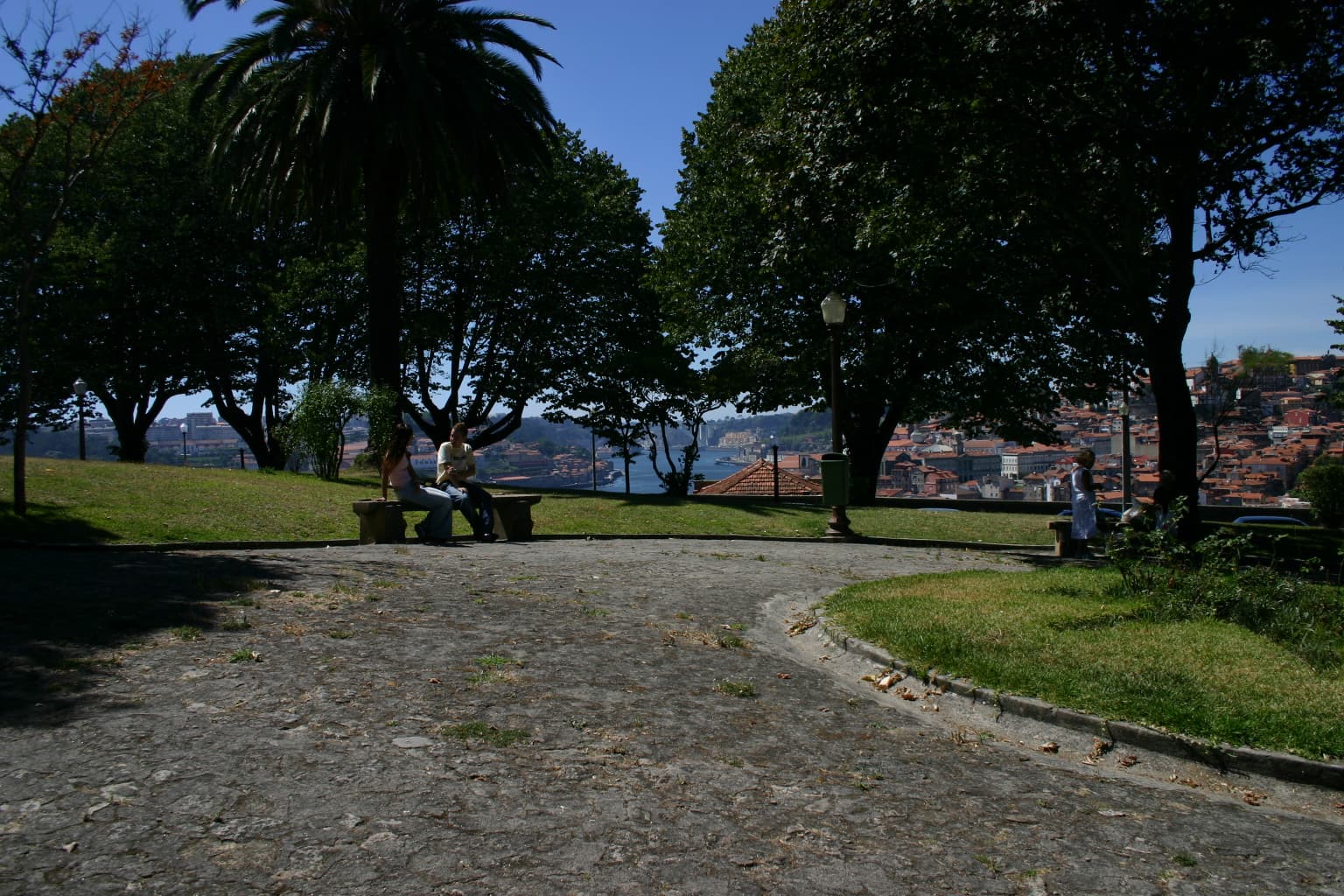 Jardim do MorroA small hilltop garden in Vila Nova de Gaia, directly at the southern end of the12 minutes walk4.8
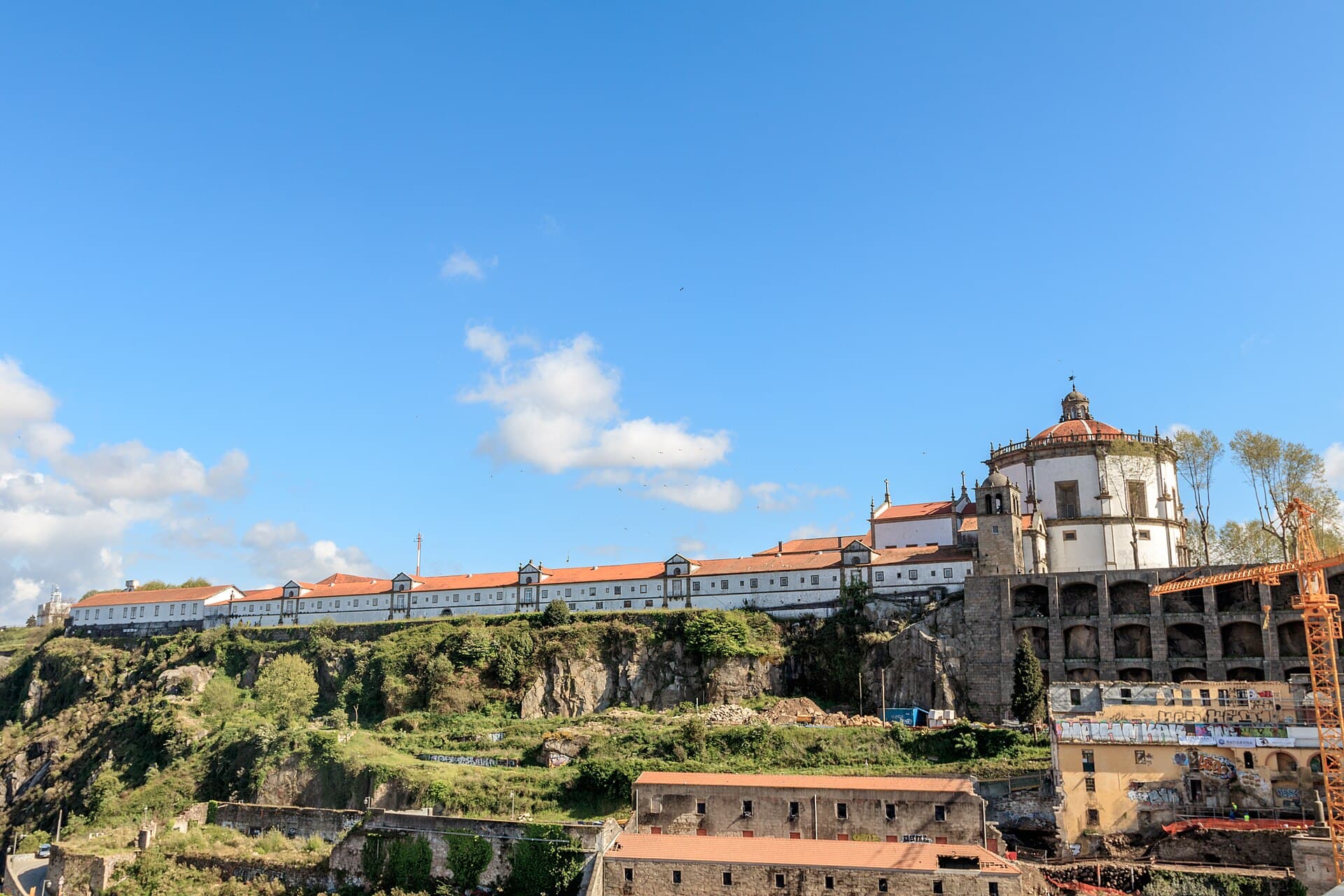 The Gaia Bank & Serra do PilarGaia is Porto's other half, the one that made its name: along its southern bank 14 minutes walk4.9
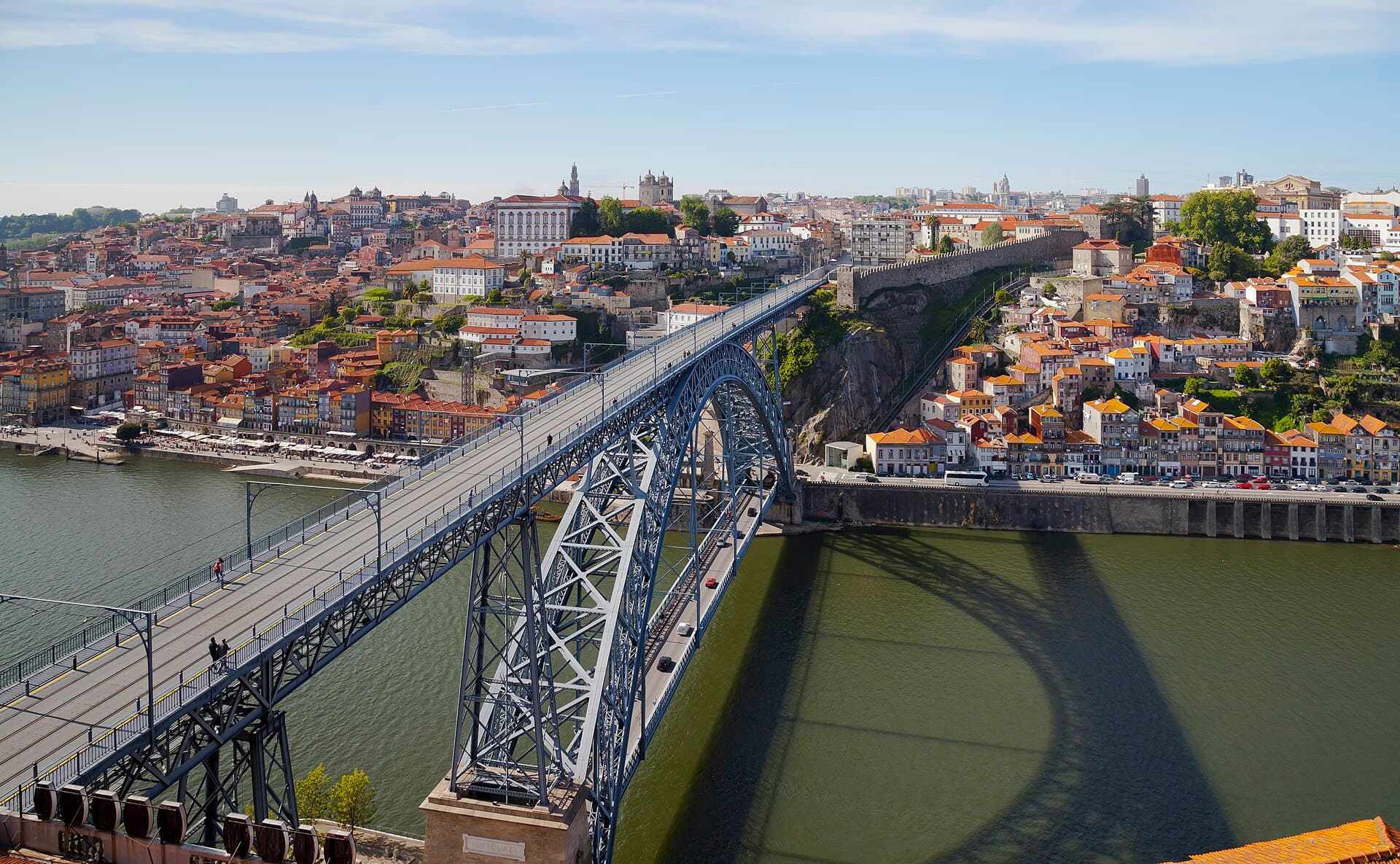 The Dom Luís I BridgeThe Luís I is Porto's famous iron arch: 172 metres, the world's longest metal ar16 minutes walk4.9
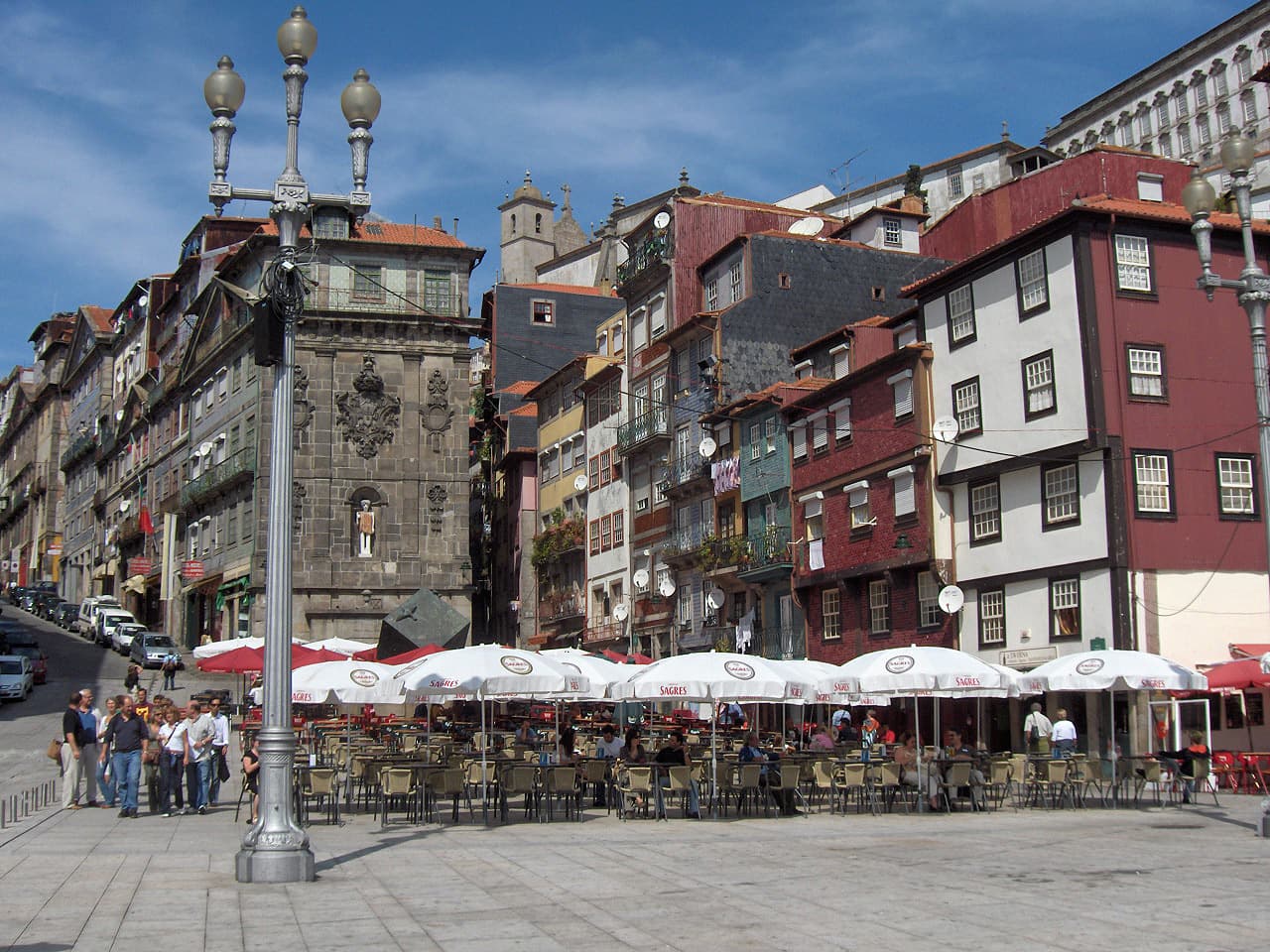 The Ribeira on the DouroRibeira is Porto's deathless postcard: narrow-shouldered coloured houses stacked17 minutes walk4.7
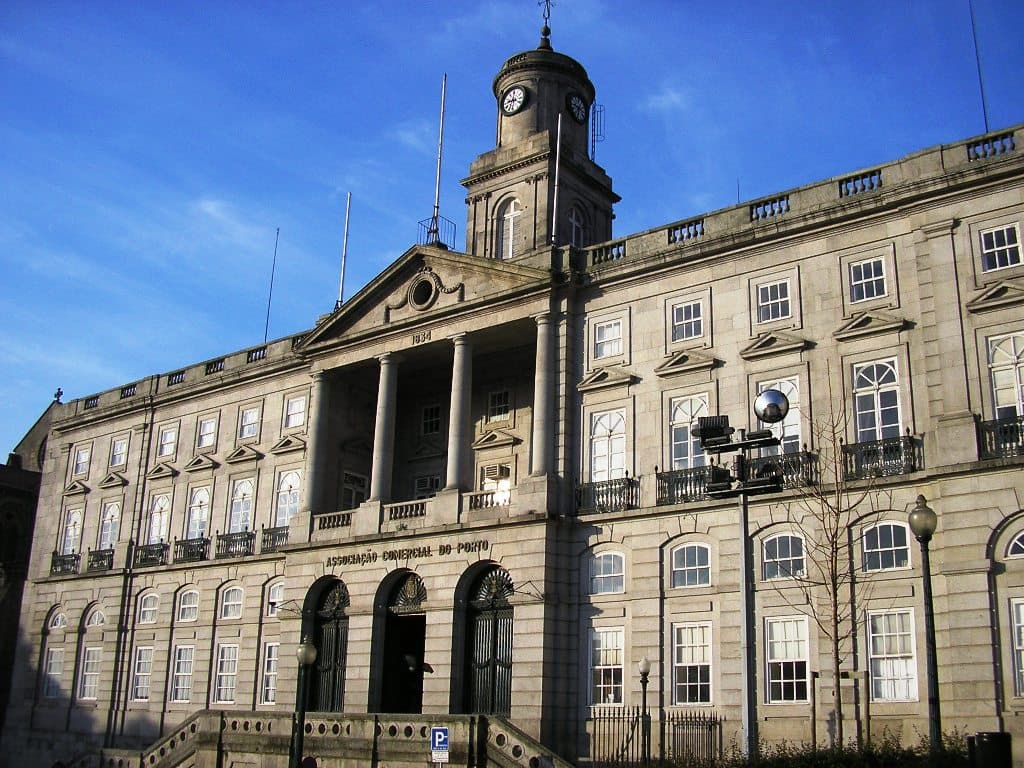 The Bolsa Palace & Arab HallThe Bolsa Palace is Porto's merchant answer to royal palaces: built by the trade19 minutes walk4.4
Not on its own. But the south bank deserves a half day regardless: Jardim do Morro, the Serra do Pilar monastery and the port lodges are all there. Add the museum to that programme rather than making a trip of it.
A Portuguese sculptor (1866-1942), among the leading names in Portuguese art of his time, whose work stands in squares and public buildings in several Portuguese cities. The house is a museum because he left it and its contents to the municipality.