
The 60-metre upper
Both cities below, the metro your neighbour.
Diego Delso — CC BY-SA 3.0 · Ralf Peter Reimann — CC BY-SA 2.0 · Ray Swi-hymn from Sijhih-Taipei, Taiwan — CC BY-SA 2.0 · Dale Cruse - 10M views from San Francisco, CA, USA — CC BY 4.0
The Luís I is Porto's famous iron arch: 172 metres, the world's longest metal arch at opening (1886) — designed by Théophile Seyrig, Eiffel's pupil and partner, carrying the Paris tower's genes plainly, joining Porto to Gaia on two decks over the Douro. Crossing it is the city's twin rite: the lower deck with the cars, skimming the water between the quays — the upper (60 metres) a walkway shared with the metro, crossed over the void with both cities complete below: Portugal's greatest free walk, and its sunset an unpayable debt. Porto's youths dive from the lower deck in summer as traditional show (for coins — never copy) — and the upper opens straight onto Gaia's Pilar hill: monastery and platform of the complete city panorama.
Both cities below, the metro your neighbour.
The youths' traditional show off the lower deck.
Ponte Luís I, Porto
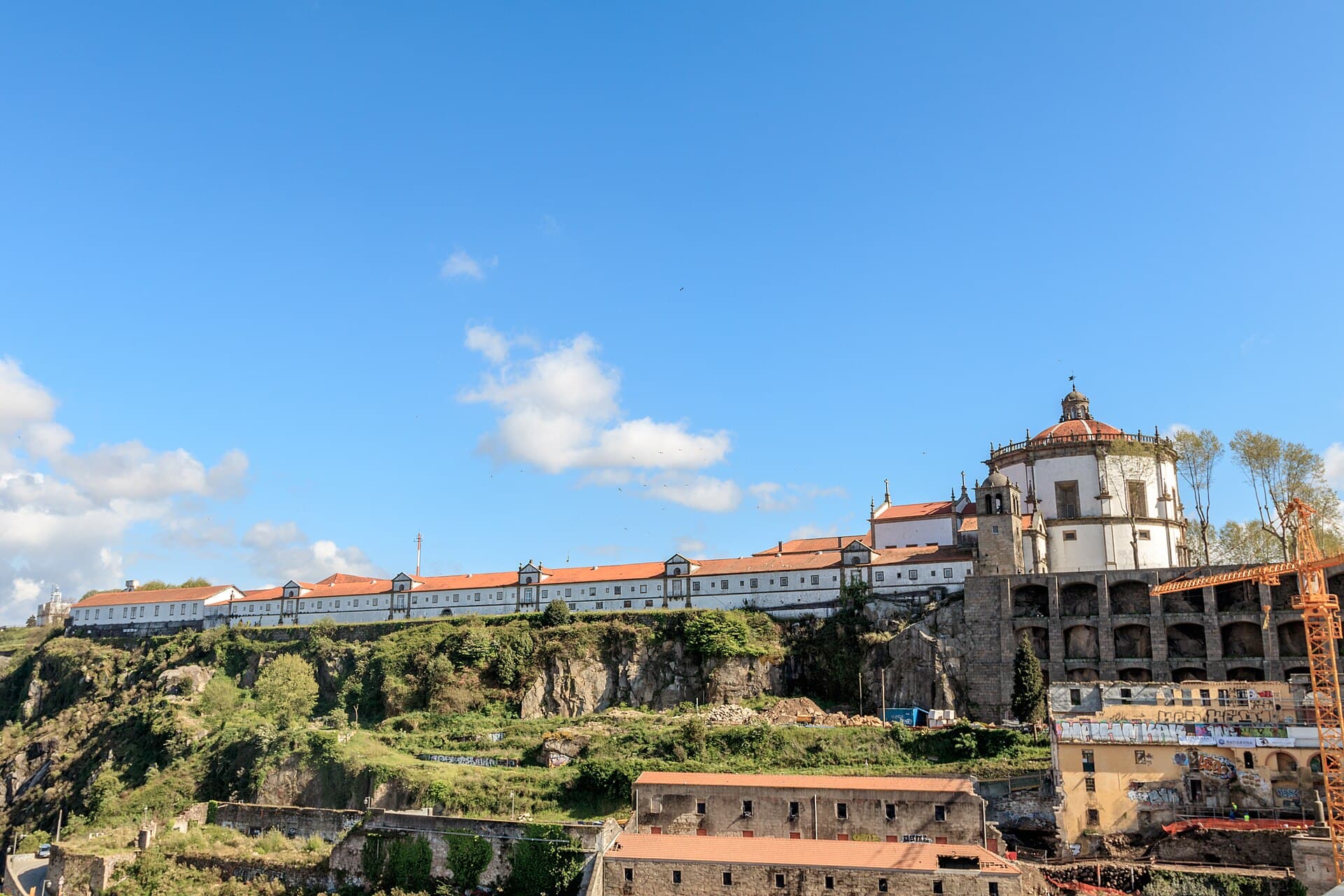 The Gaia Bank & Serra do PilarGaia is Porto's other half, the one that made its name: along its southern bank 3 minutes walk4.9
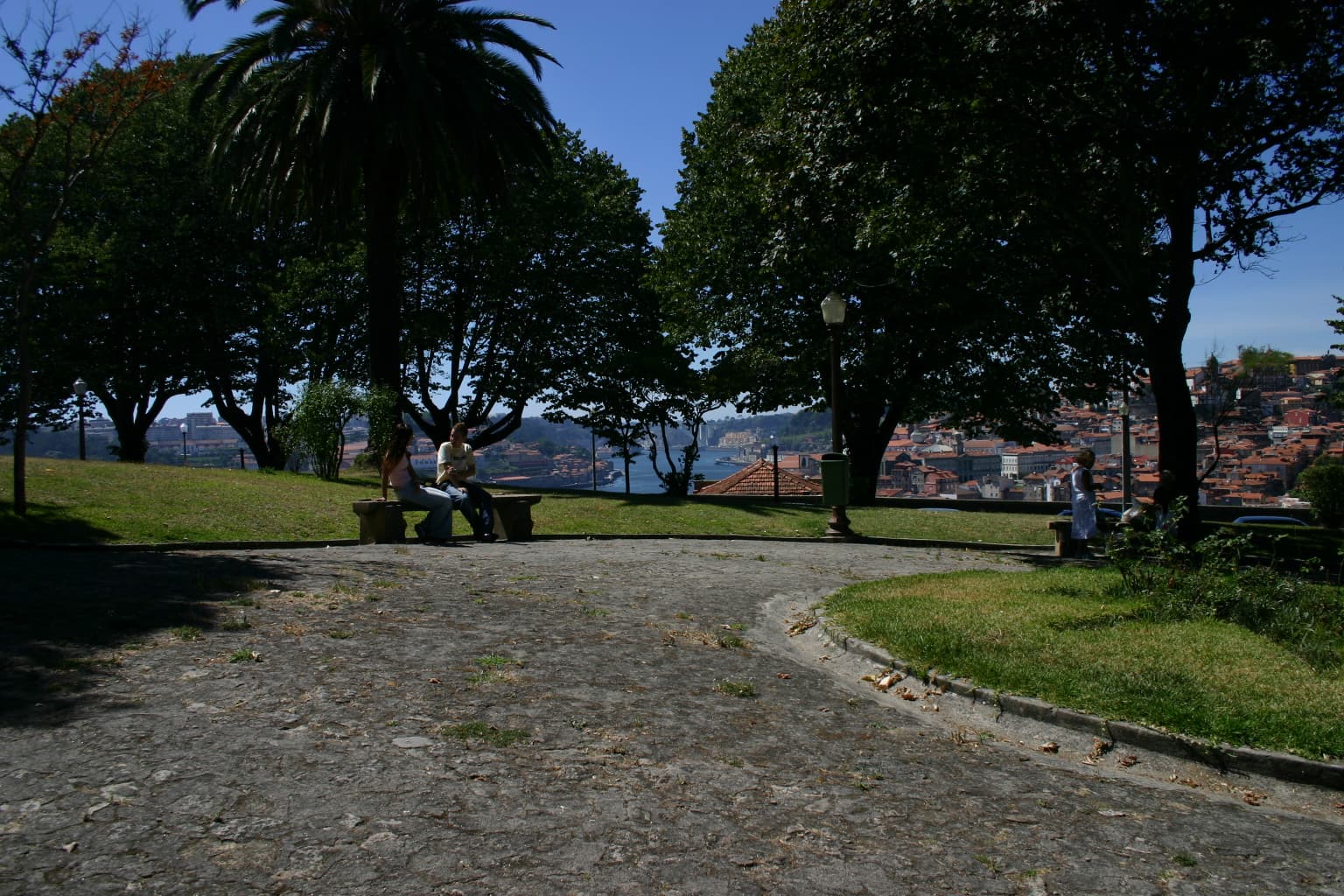 Jardim do MorroA small hilltop garden in Vila Nova de Gaia, directly at the southern end of the4 minutes walk4.8
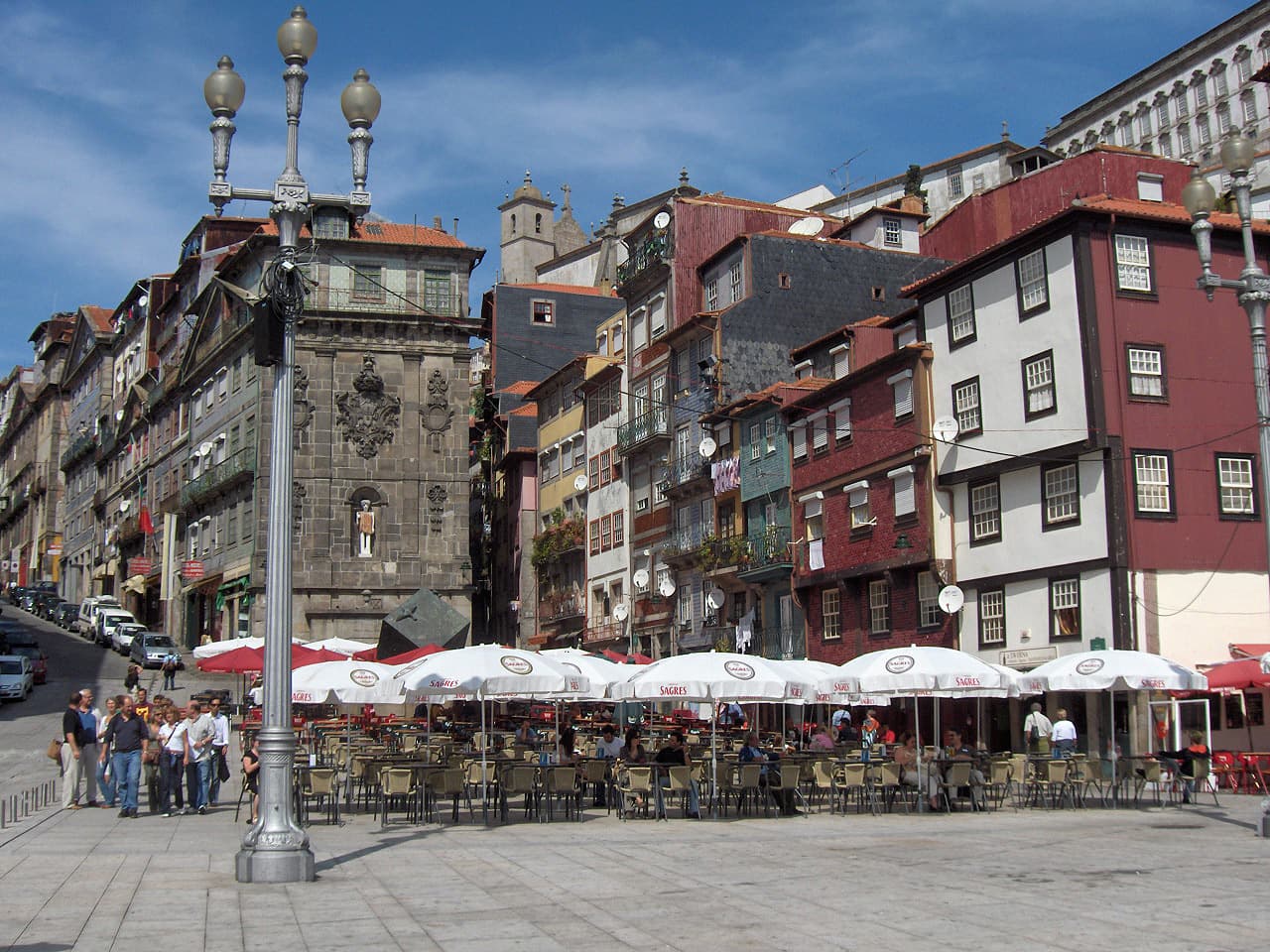 The Ribeira on the DouroRibeira is Porto's deathless postcard: narrow-shouldered coloured houses stacked4 minutes walk4.7
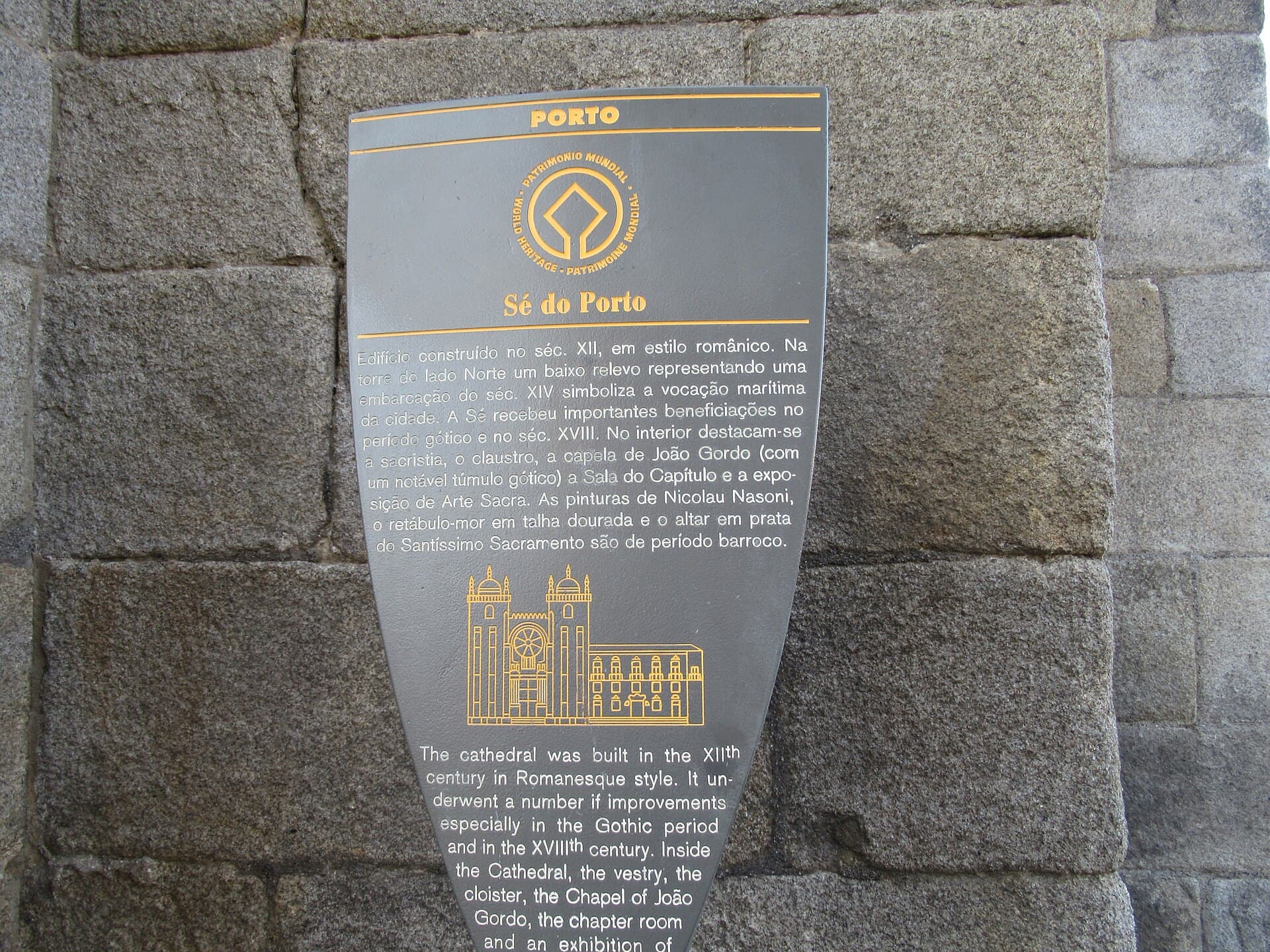 Porto Cathedral (the Sé)The Sé is Porto's mother rock: a Romanesque cathedral-fortress (12th century) wi5 minutes walk4.5
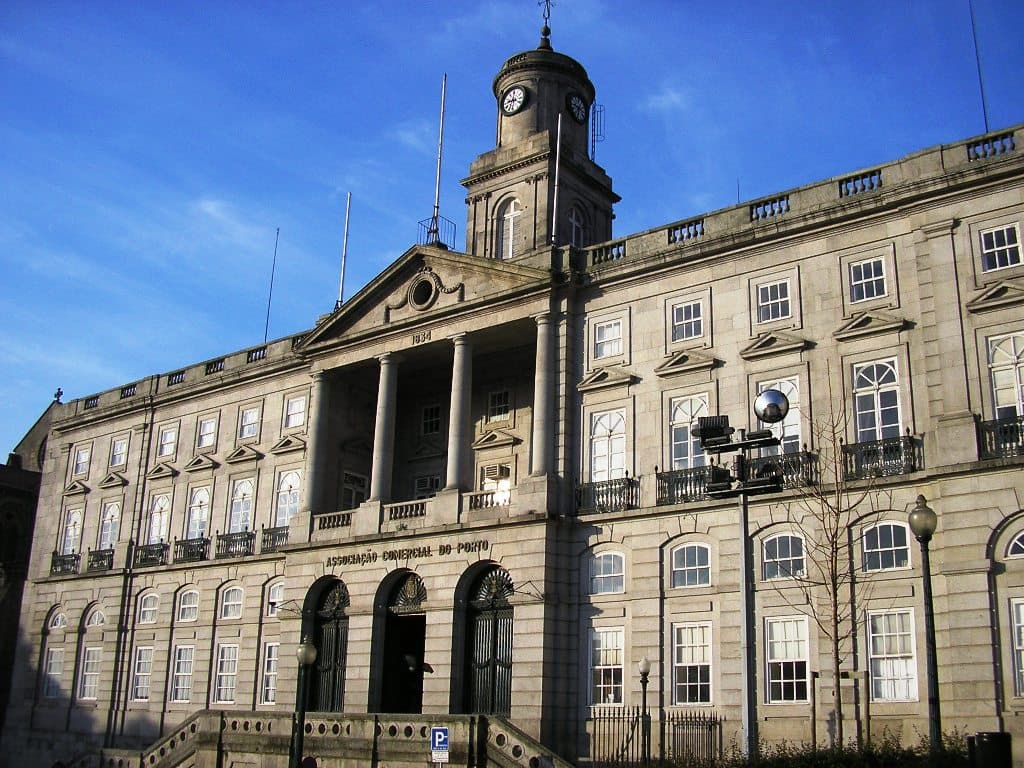 The Bolsa Palace & Arab HallThe Bolsa Palace is Porto's merchant answer to royal palaces: built by the trade7 minutes walk4.4
Both, as a loop: go low, skimming the water, to Gaia and its lodges — ride Gaia's cable car or the Pilar path up, and return on the upper at sunset into Porto. The full ninety-minute loop is Porto's obligatory circuit.