
White lanes
On the hill.
Firaspict — CC BY-SA 4.0 · toufik Lerari — CC BY-SA 2.0 · MohAdm — CC BY-SA 4.0 · RomanDeckert — CC BY-SA 4.0
The old city of Algiers and its historic heart, its tightly packed white houses and narrow lanes stepping down a steep hill above the port, listed by UNESCO as a World Heritage Site in 1992 as a unique example of a Mediterranean Islamic city. The Casbah reached its height in the Ottoman era as the seat of the Deys, when palaces, mosques, baths and courtyard houses with columns and decorated tiles were built, among the best known the Dar Aziza palace, the Mustapha Pacha palace, the Palace of the Raïs on the sea and the Dey's citadel at the top of the hill. The Casbah's lanes and winding stairs are a world of their own, with craftsmen, popular cafés and carved wooden doors, and they were the stage for major events of the Algerian war of independence. Many old houses need restoration, and revival work is ongoing. Wandering the Casbah is free, and the restored palaces open for token fees. A local guide is recommended, as the lanes are tangled and steep, and comfortable shoes are a must.
On the hill.
An Ottoman palace.
At the top.
The hill above the port, central Algiers
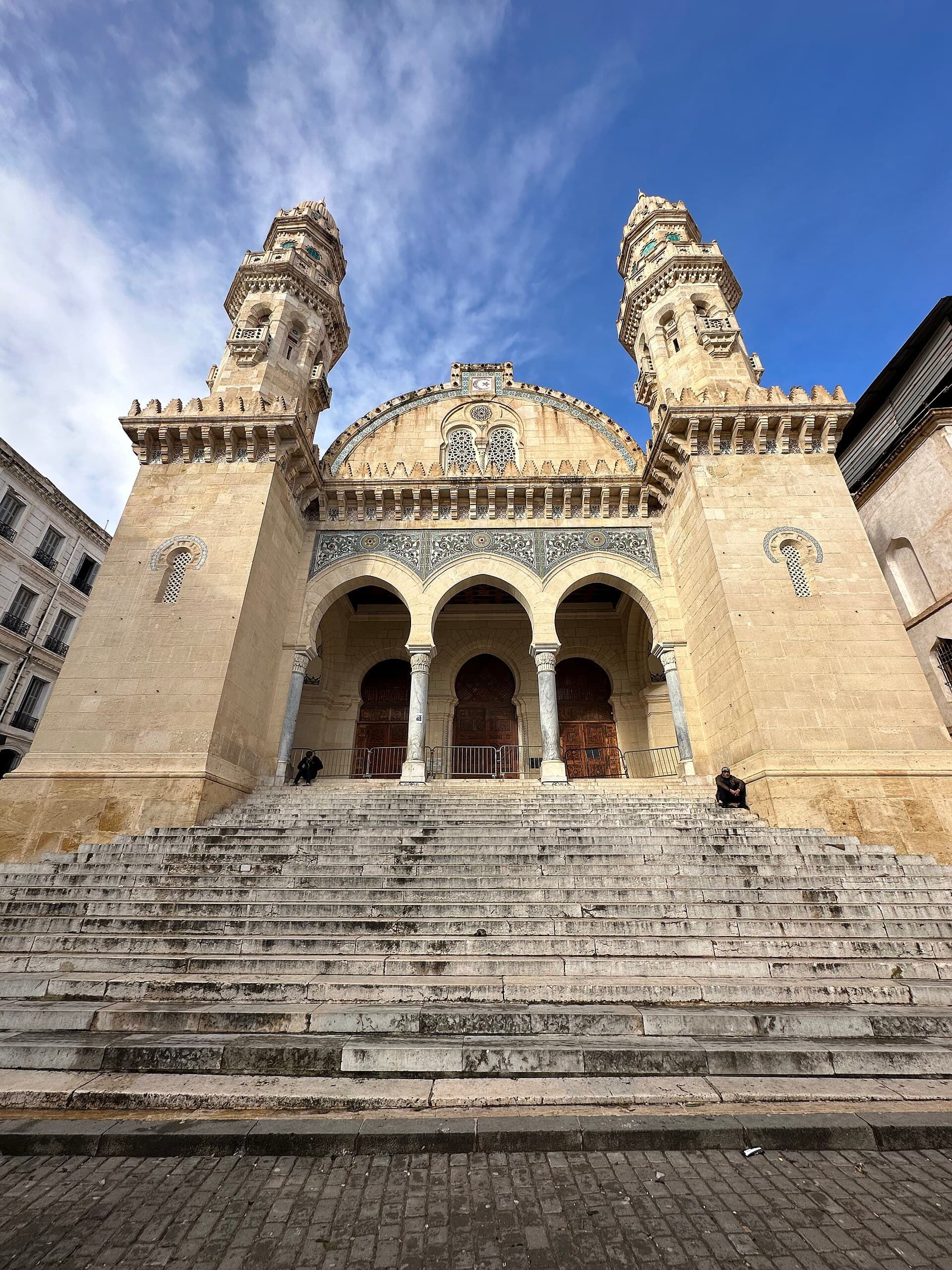 Ketchaoua MosqueOne of Algeria's best-known and most symbolic mosques, at the foot of the Casbah4 minutes walk4.8
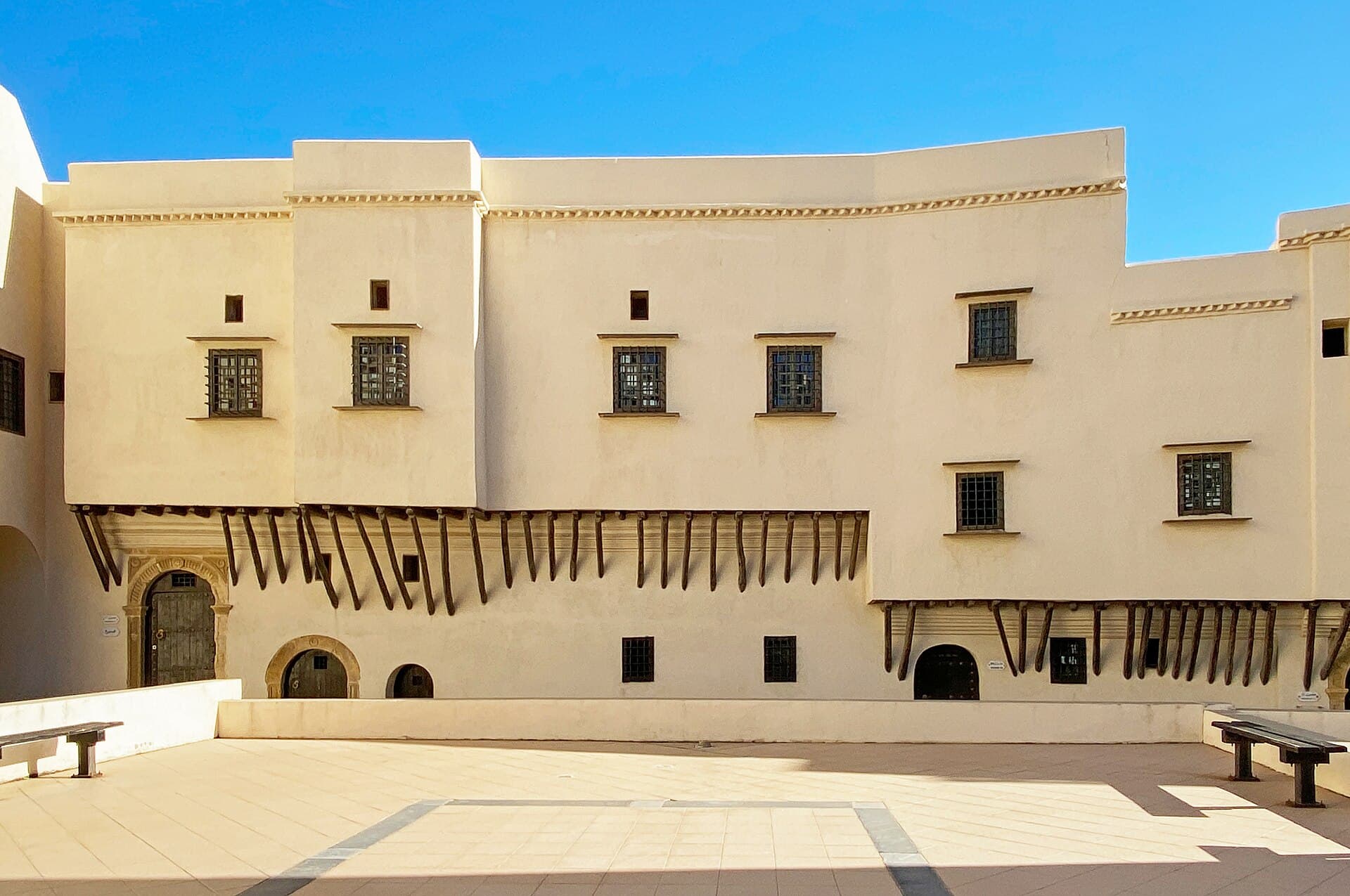 Palace of the Raïs (Bastion 23)The Palace of the Raïs, also called Bastion 23, is a seafront group of three Ott5 minutes walk
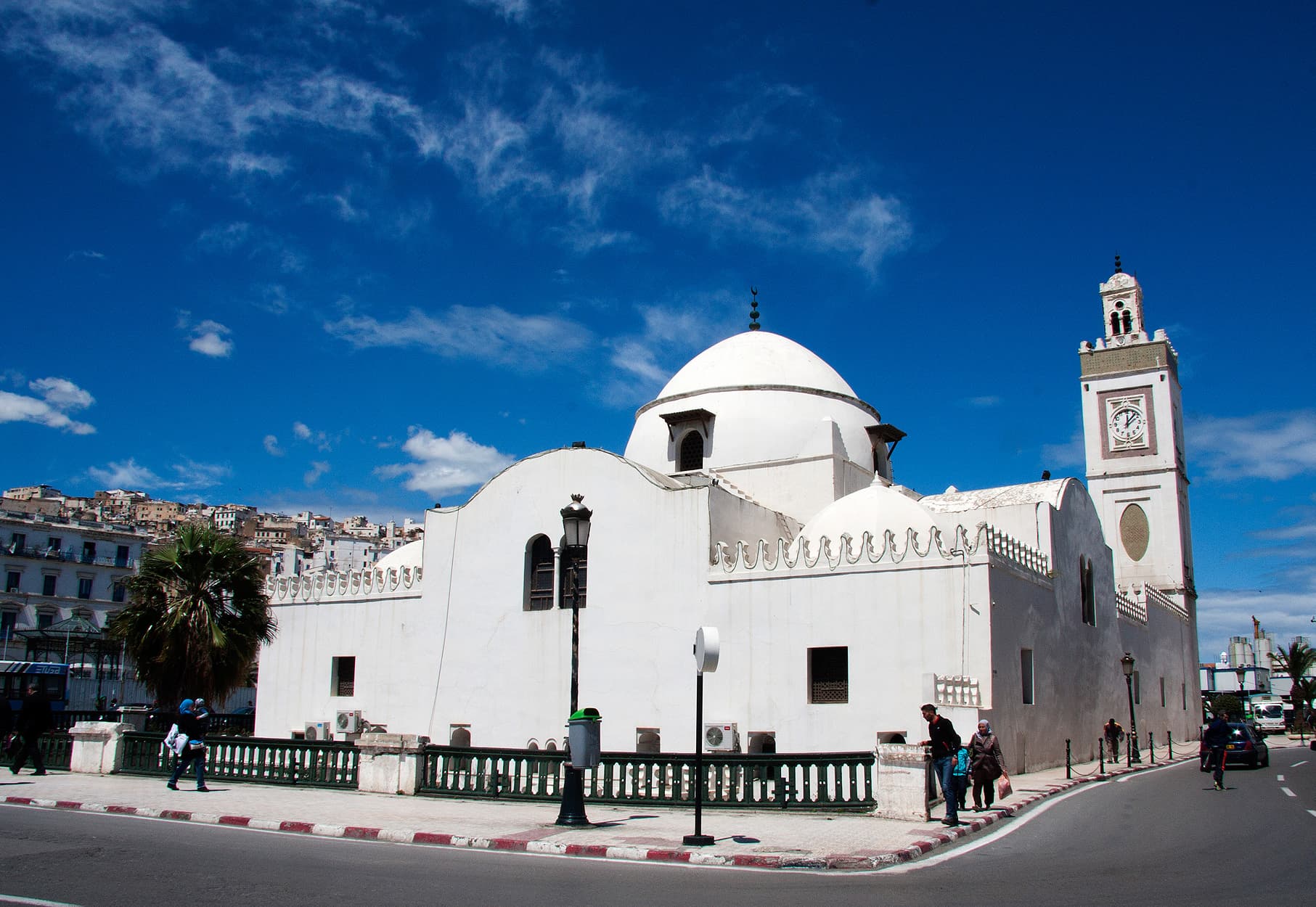 Djamaa El Djedid (Algiers)Djamaa El Djedid, the New Mosque, stands on the eastern edge of Place des Martyr5 minutes walk
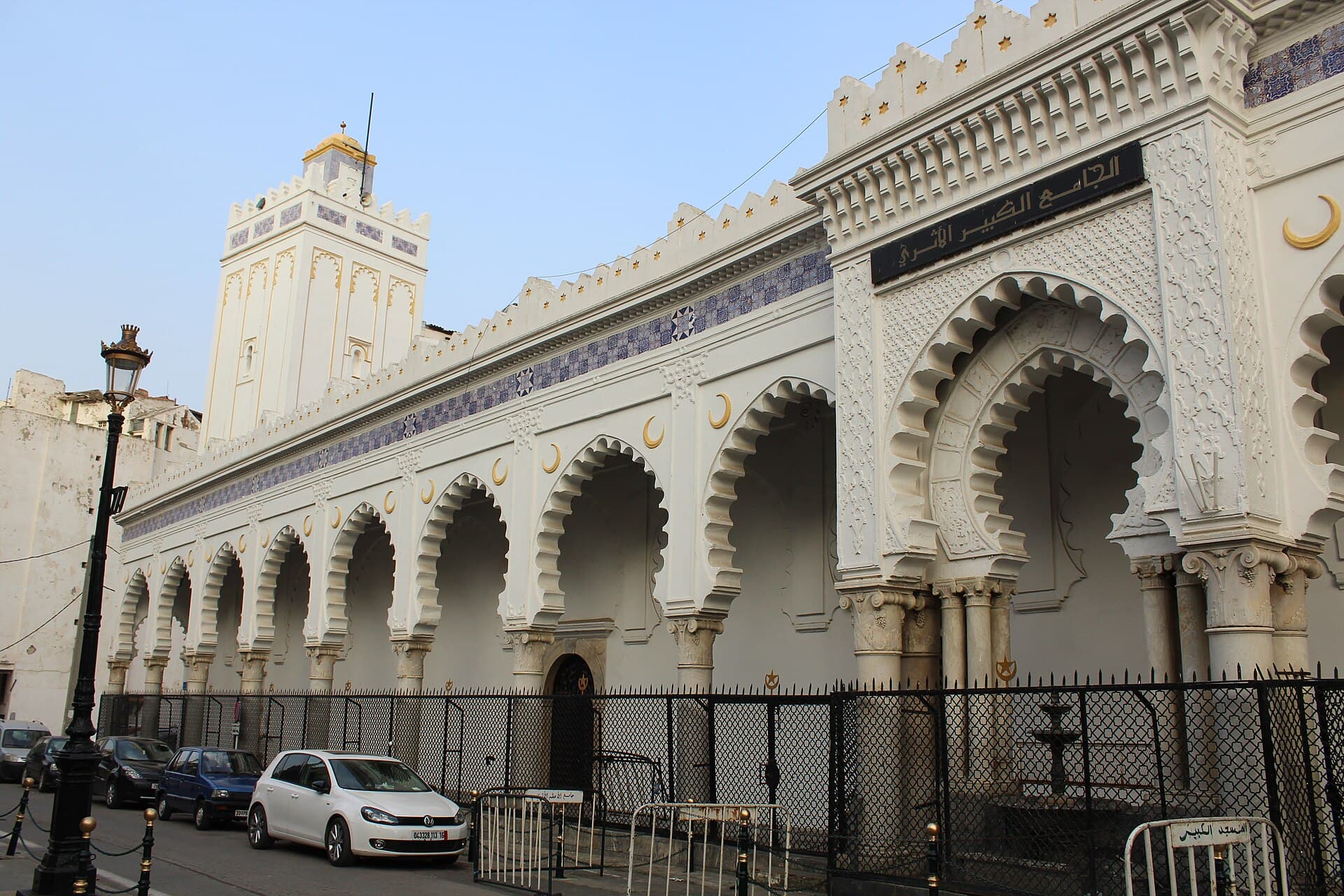 Djamaa El Kebir (Algiers)Djamaa El Kebir, whose name means the Great Mosque, is generally regarded as the6 minutes walk
It is recommended, as the lanes are tangled and steep and a local guide knows the palaces and stories.