
Five bastions
At the corners.
Photograph by Mike Peel (www.mikepeel.net). — CC BY-SA 4.0 · Martinvl — CC BY-SA 4.0 · Armineaghayan — CC BY-SA 4.0 · Photograph by Mike Peel (www.mikepeel.net). — CC BY-SA 4.0
The oldest surviving colonial building in South Africa, a five-pointed star fort built by the Dutch East India Company between 1666 and 1679 to protect its supply station for ships sailing between Europe and Asia. The castle has five bastions at its corners, named after the titles of the Prince of Orange, with stone walls ringed by a moat. The sea once reached its walls before the land was reclaimed and the city grew around it, and it was the seat of government and the army through the Dutch and British eras. Inside are wide courtyards, a military museum, an art collection of colonial paintings and furniture, and old cells, and you can climb the walls for views over the city and Table Mountain. Traditional guard ceremonies are held at times. Tickets are about R50 per adult, and it opens daily from 9 am to 4 pm, per visitor guides. It stands near City Hall and the Grand Parade, so it pairs with a walk around the city centre.
At the corners.
And art collection.
City views.
Buitenkant Street, central Cape Town
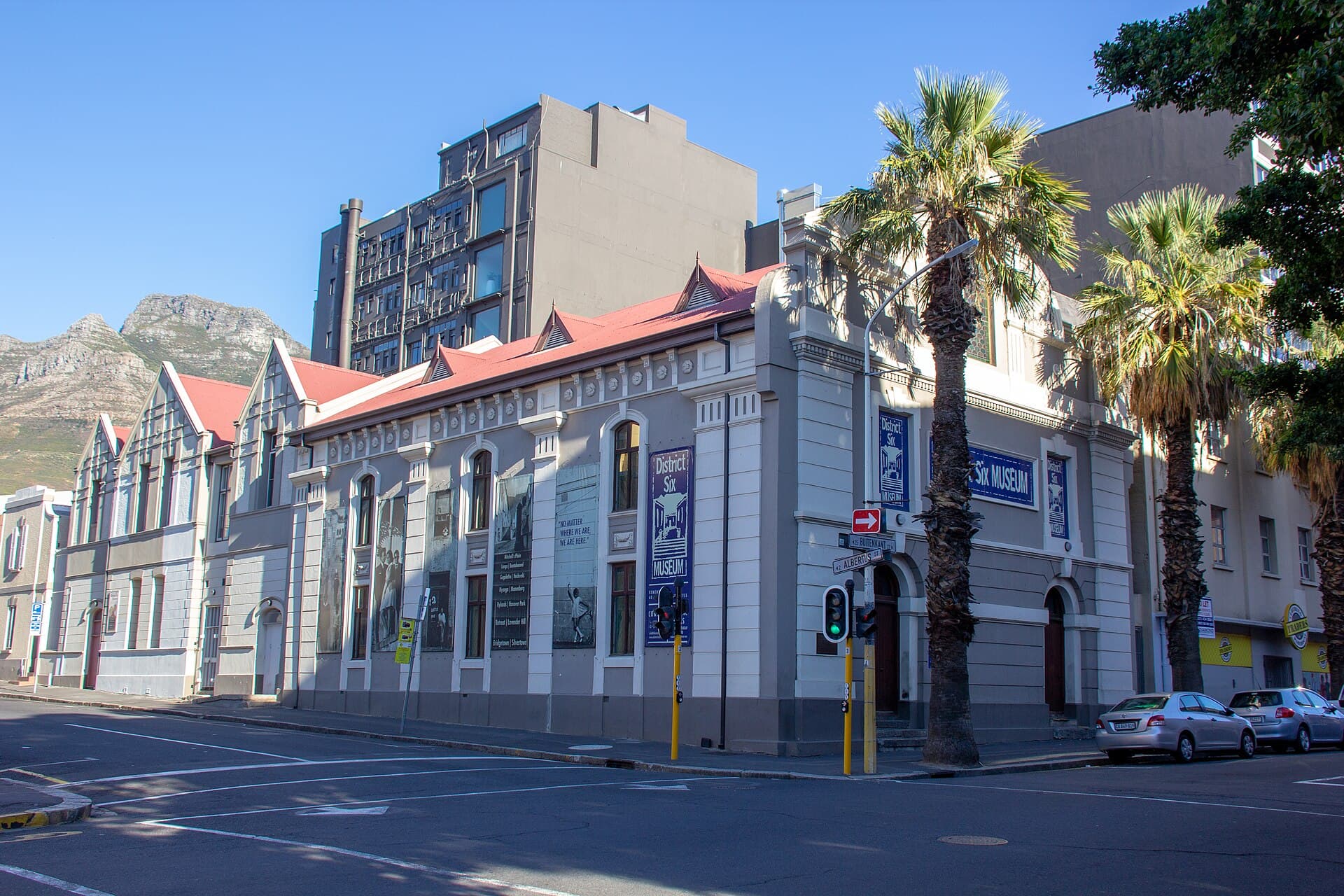 District Six MuseumA small, moving museum in an old church in central Cape Town that tells the stor6 minutes walk4.3
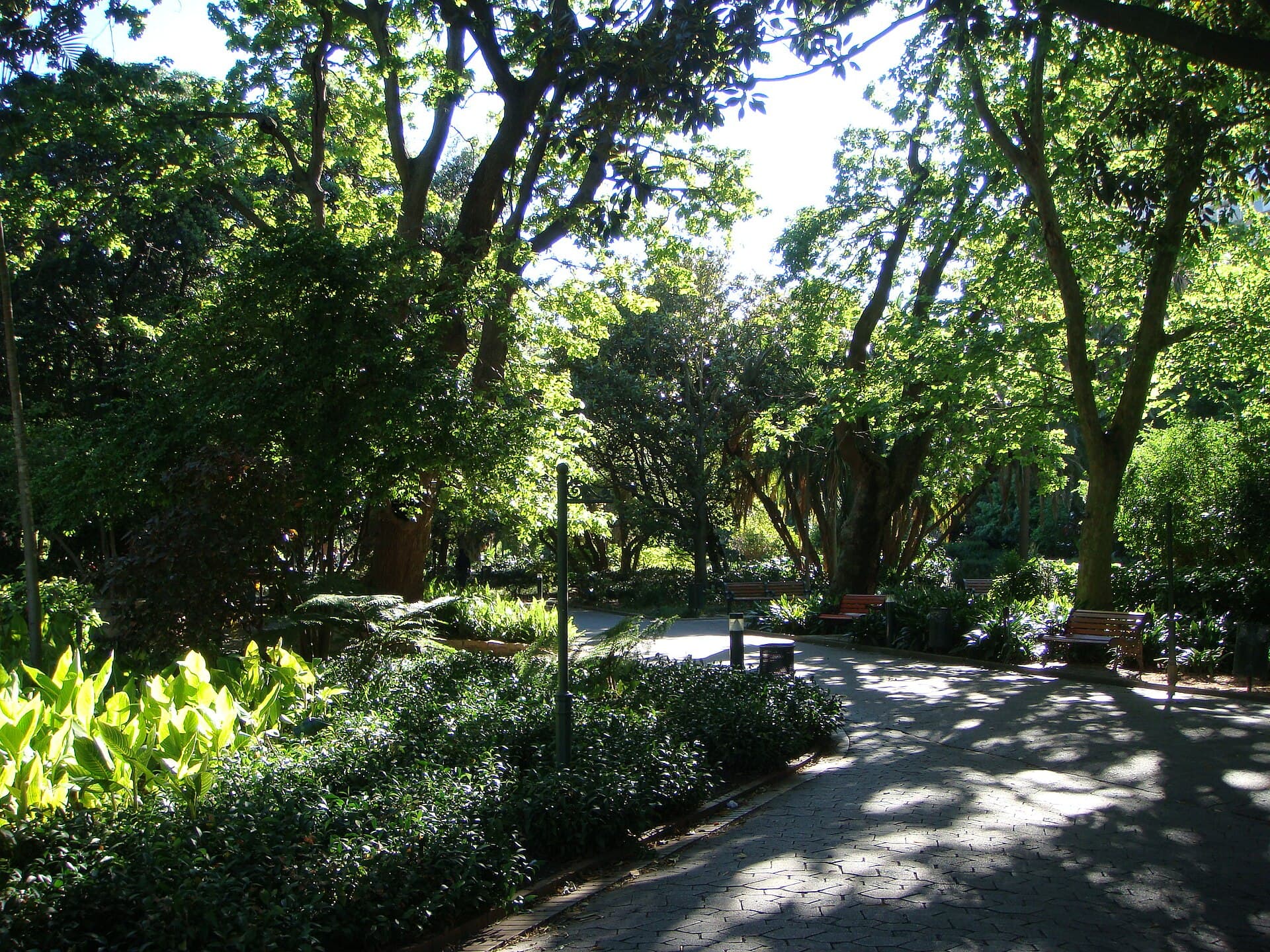 Company's GardenThe oldest garden in South Africa, at the heart of Cape Town, planted by the Dut10 minutes walk4.7
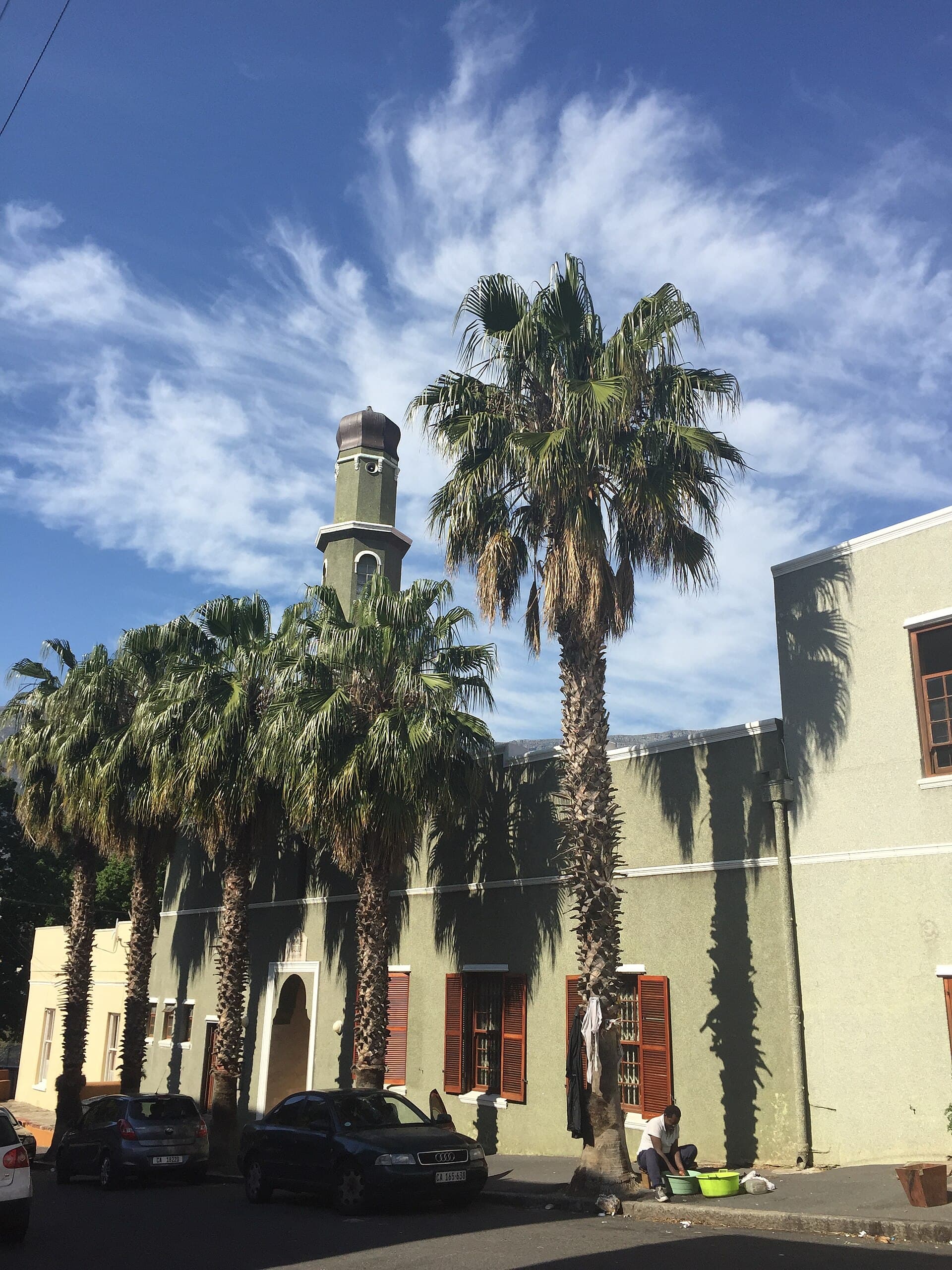 Auwal MosqueThe oldest mosque in South Africa, built in 1794 on Dorp Street in the Bo-Kaap a16 minutes walk4.9
 Bo-KaapCape Town's historic Muslim quarter, on the slopes of Signal Hill above the city19 minutes walk
The Castle of Good Hope in Cape Town, the oldest surviving colonial building, built 1666-1679.