
Floor map
Residents' names.
Photograph by Mike Peel (www.mikepeel.net). — CC BY-SA 4.0 · Photograph by Mike Peel (www.mikepeel.net). — CC BY-SA 4.0 · Photograph by Mike Peel (www.mikepeel.net). — CC BY-SA 4.0 · Photograph by Mike Peel (www.mikepeel.net). — CC BY-SA 4.0
A small, moving museum in an old church in central Cape Town that tells the story of District Six, a lively neighbourhood where Muslims, Christians, workers and craftsmen of many backgrounds lived side by side until the apartheid government declared it a whites-only area in 1966. Some sixty thousand residents were forced from their homes and moved to distant townships, and the houses were bulldozed, leaving only the mosques and churches. Much of the land stayed empty for decades, a scar on the city. At the heart of the museum is a huge floor map of the district on which former residents have written their names where their homes stood, surrounded by the original street signs, photos, voices, memories and everyday objects. Sometimes former residents guide visitors. Tickets are R65 self-guided and R80 guided, and the museum opens Monday to Saturday from 9 am to 4 pm, with booking essential, per the museum.
Residents' names.
The originals.
Guide visitors.
25A Buitenkant Street, central Cape Town
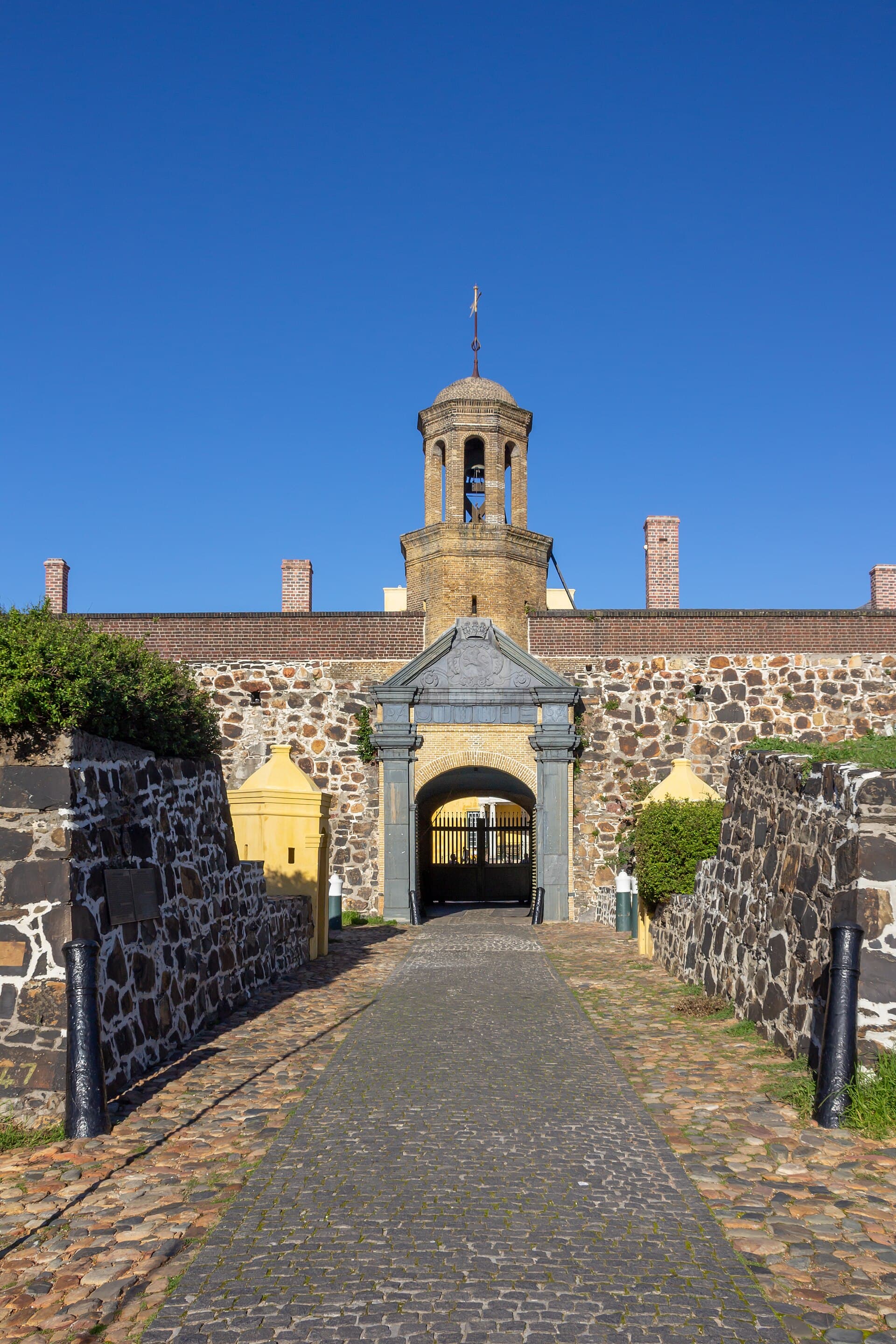 Castle of Good HopeThe oldest surviving colonial building in South Africa, a five-pointed star fort6 minutes walk4.2
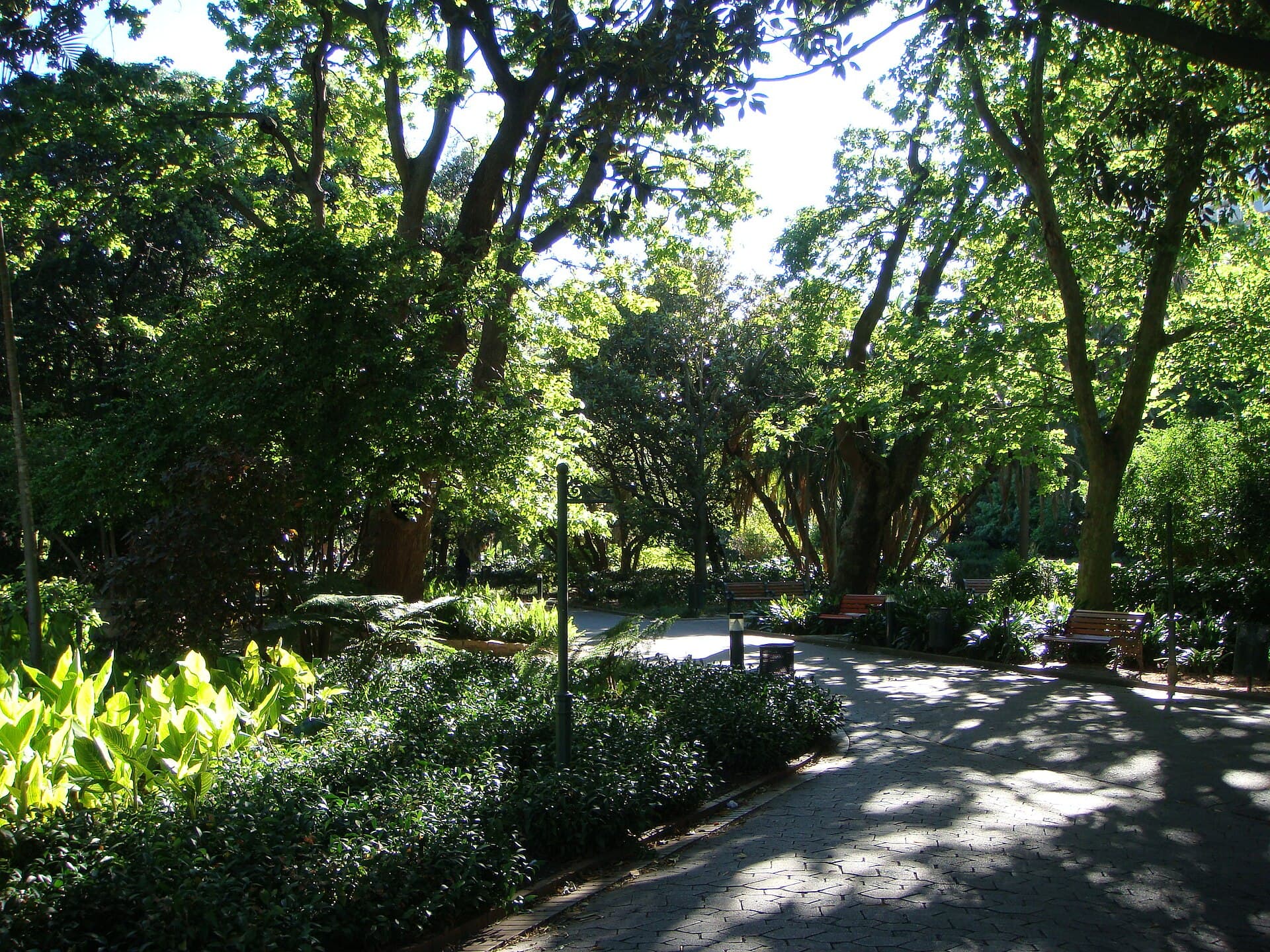 Company's GardenThe oldest garden in South Africa, at the heart of Cape Town, planted by the Dut6 minutes walk4.7
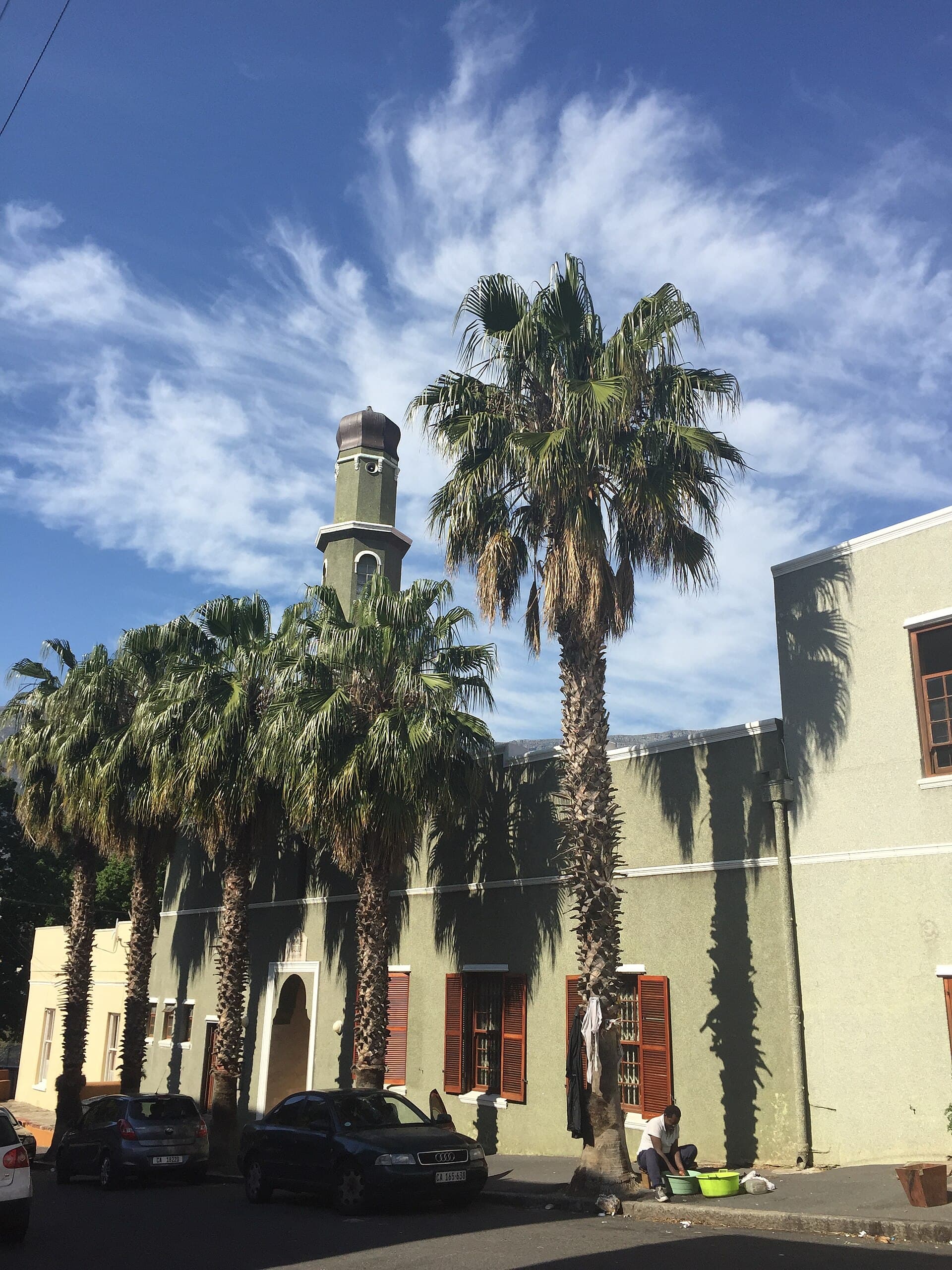 Auwal MosqueThe oldest mosque in South Africa, built in 1794 on Dorp Street in the Bo-Kaap a13 minutes walk4.9
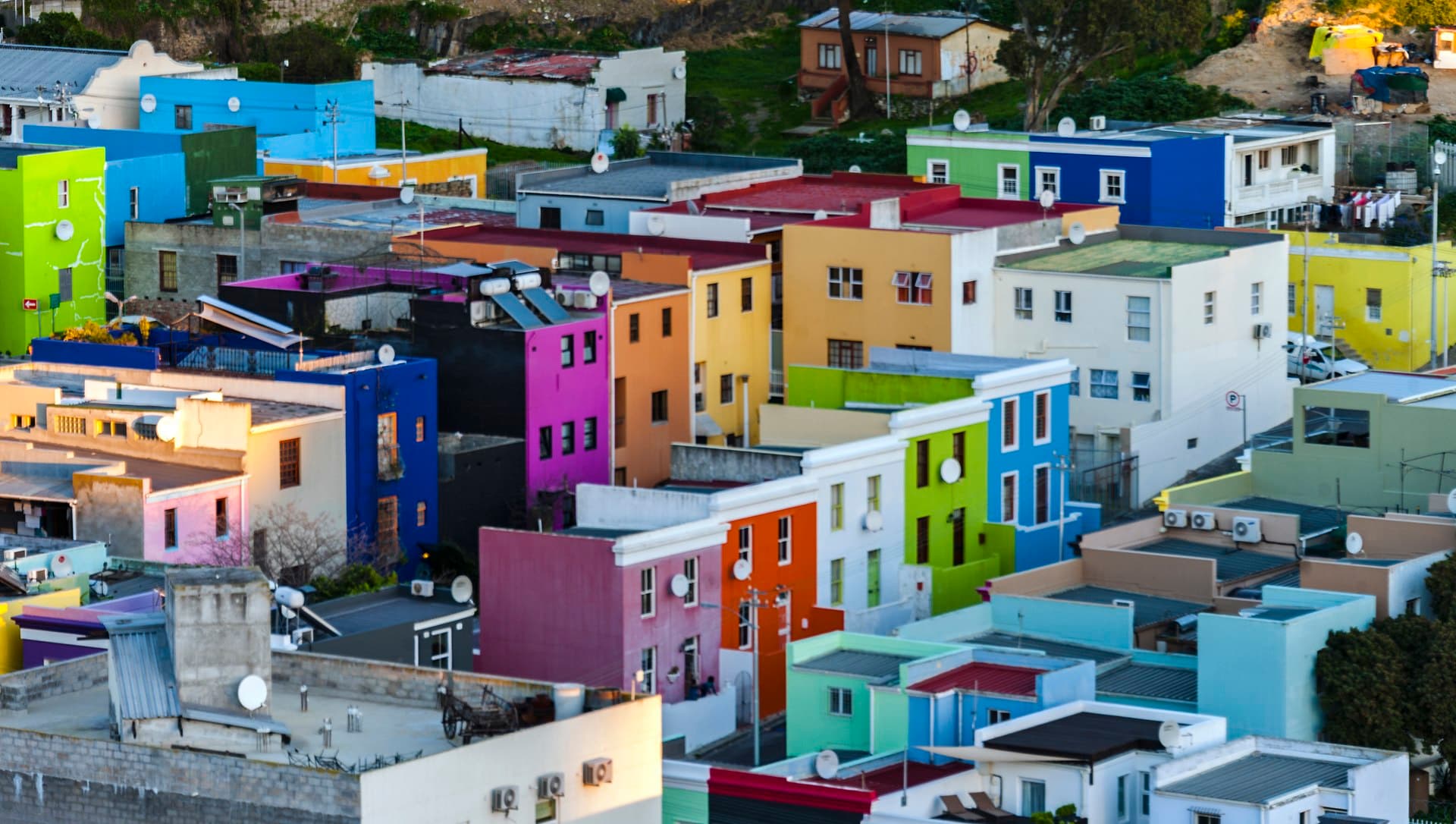 Bo-KaapCape Town's historic Muslim quarter, on the slopes of Signal Hill above the city17 minutes walk
Yes, booking is essential per the museum; self-guided tickets are R65.