
The empire-of-death portal
The carved lintel — "Stop! This is the empire of death" — the moment a tunnel walk becomes something else entirely.
Diego Delso — CC BY-SA 4.0 · Inspection Générale des Carrières, 1857. — Public domain · Jorge Láscar from Melbourne, Australia — CC BY 2.0 · Jorge Láscar from Melbourne, Australia — CC BY 2.0
Twenty metres beneath the streets of Paris runs the strangest cemetery in the world: the bones of six million Parisians stacked with engineering care along the walls of old quarry tunnels — skulls and femurs arranged in patterns, crosses and arches through a kilometre and a half of cold passages. The story began in the late 18th century, when central Paris's overflowing cemeteries collapsed their walls into neighbouring cellars; centuries of remains were moved by torchlit night processions into the abandoned quarries, later ordered with the strange solemnity that makes the place a meditation on mortality rather than a haunted house — "Stop! This is the empire of death," warns the carved lintel at the ossuary entrance. The visit is genuinely physical: 131 steps down and 112 up with no lift, a constant 14°C, and occasionally low ceilings. Most practical of all: capacity is tightly limited and timed tickets sell out weeks ahead — booking on the official site is not advice but an effective condition of entry.
The carved lintel — "Stop! This is the empire of death" — the moment a tunnel walk becomes something else entirely.
The circular skull barrel and the famous heart of bones — 19th-century orderings that turned a sanitary necessity into solemn funerary rite.
Before the bones: the Port-Mahon palace carved by a quarryman from memory, and the clear-water wells — underground Paris older than the ossuary itself.
Place Denfert-Rochereau, 75014 Paris
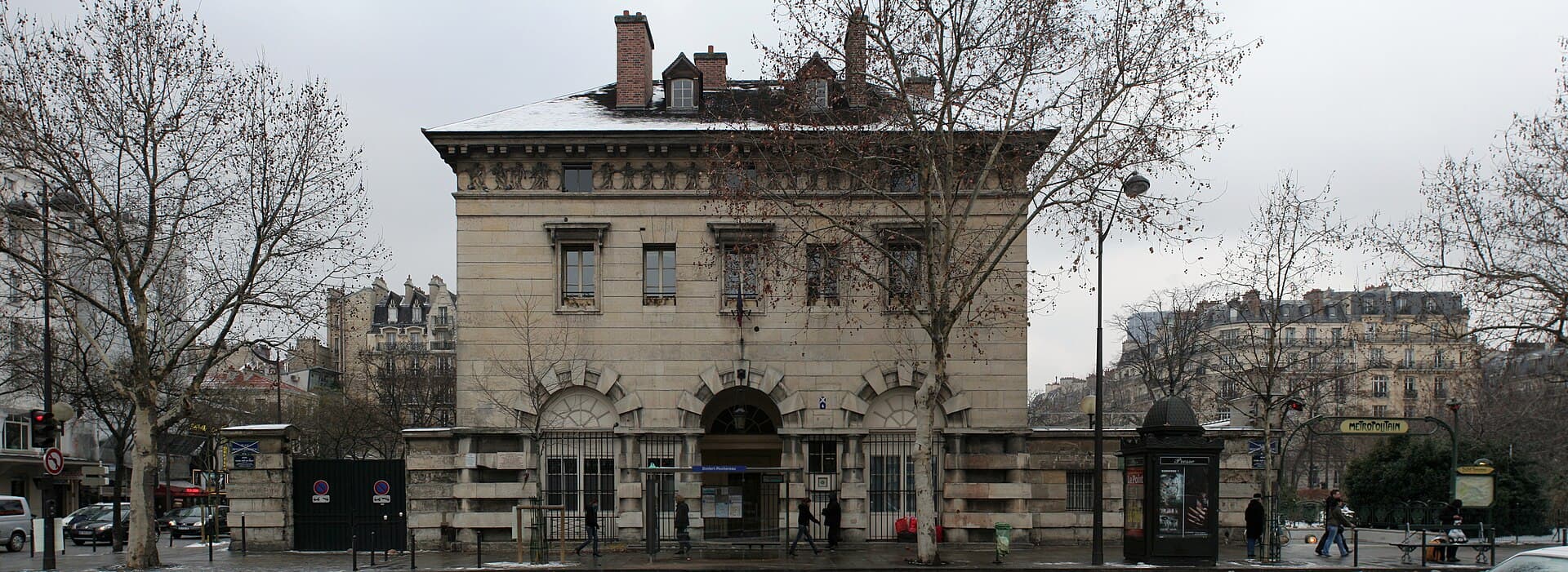 Museum of the Liberation of ParisA museum of the liberation of Paris in 1944 and of General Leclerc and Jean Moul1 minute walk4.7
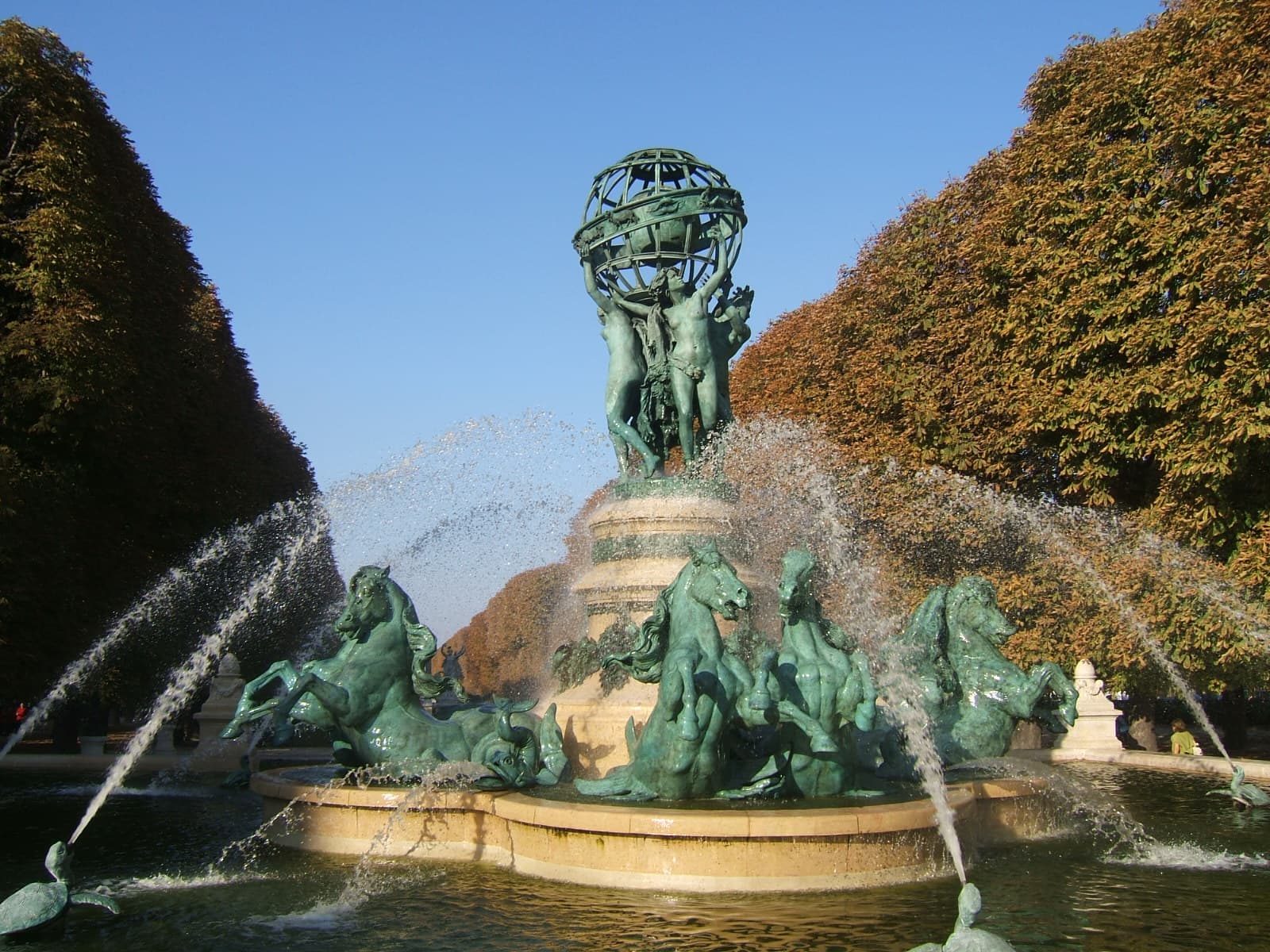 Fountain of the Four Parts of the WorldA monumental nineteenth-century fountain in the Jardin Marco Polo, on the axis r11 minutes walk4.6
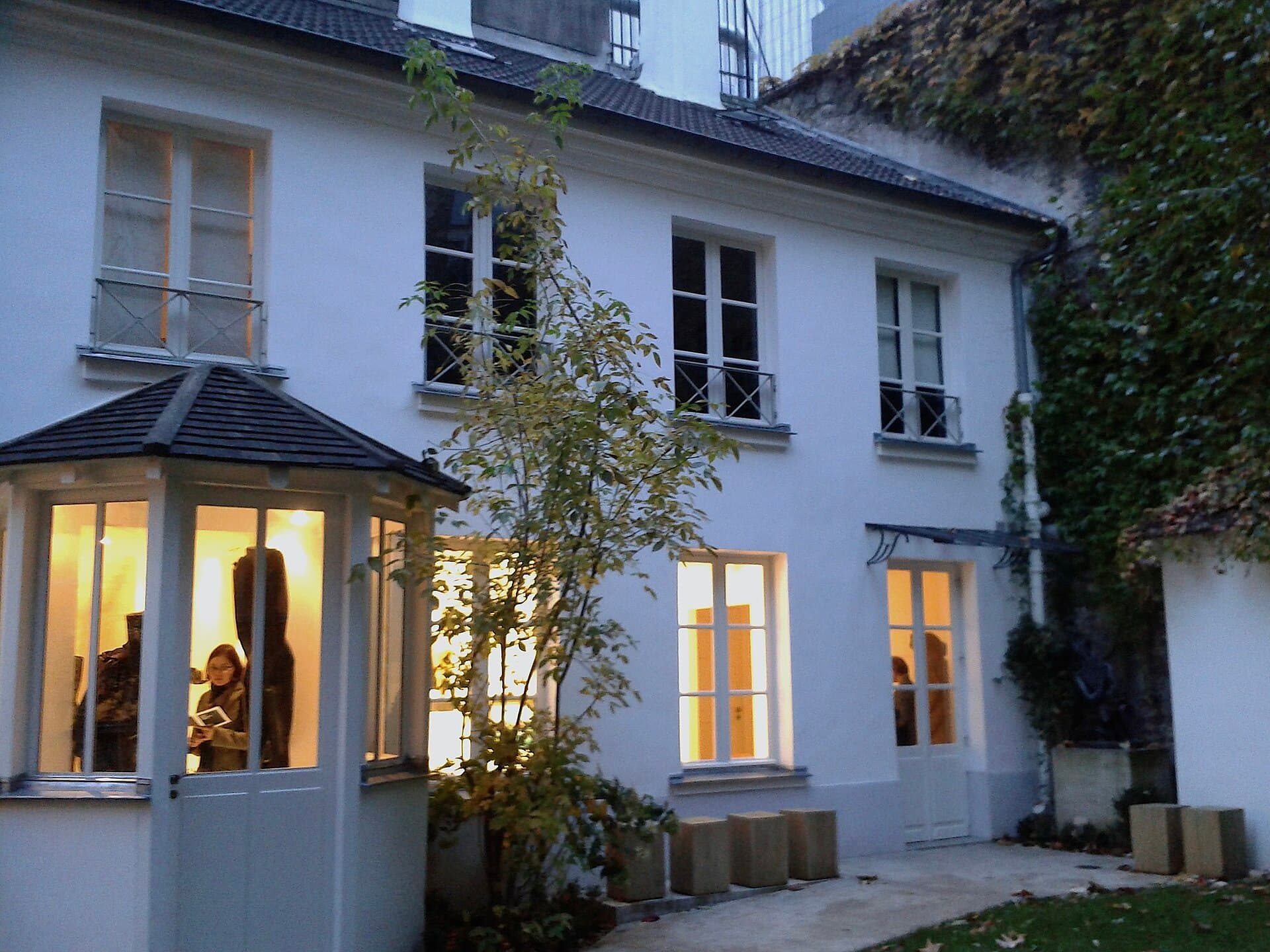 Musée ZadkineA small museum in the house and studio of the sculptor Ossip Zadkine, behind the13 minutes walk4.4
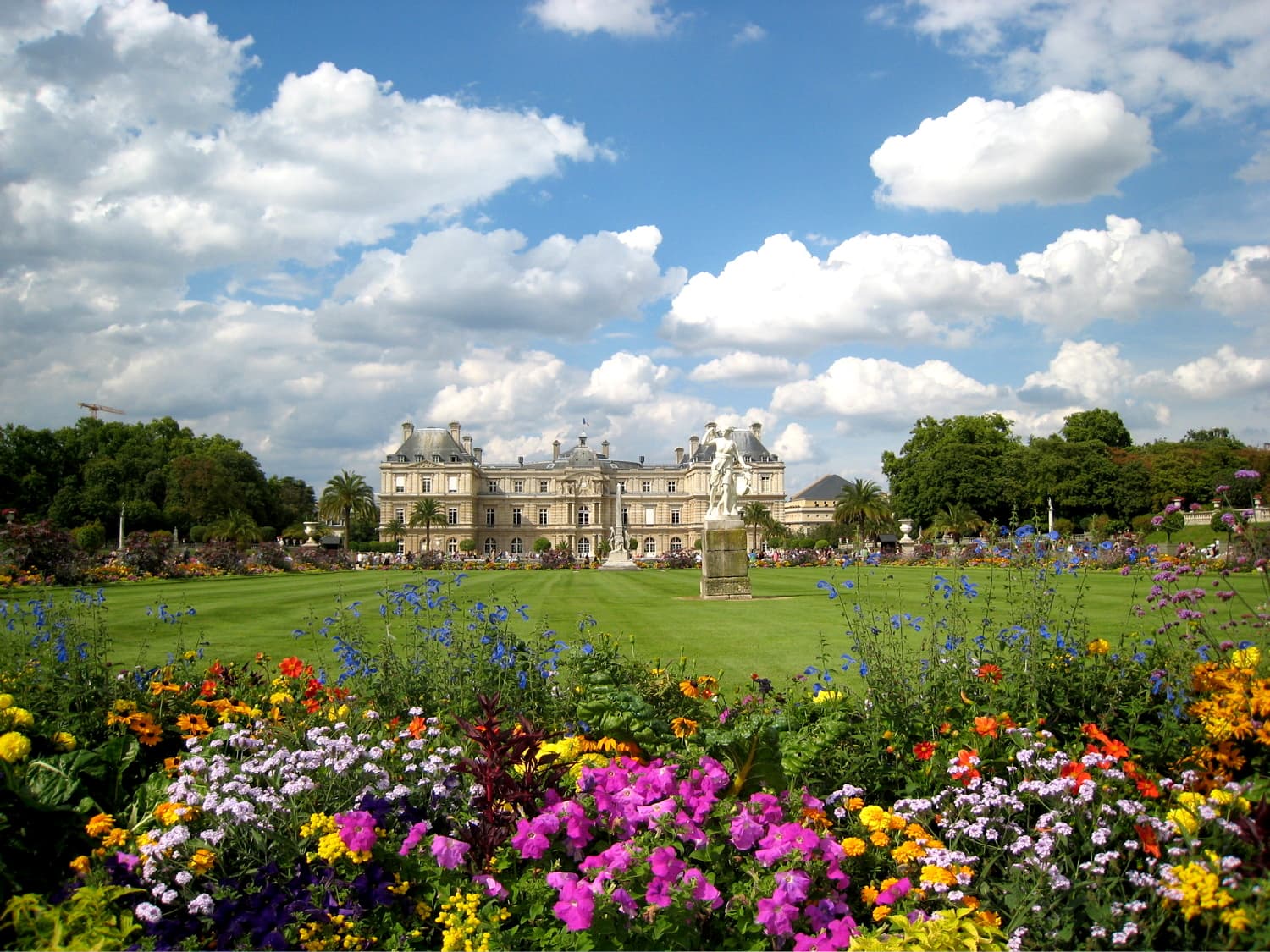 Jardin du LuxembourgIf you want to see how Parisians live their city — rather than how tourists visi19 minutes walk4.6
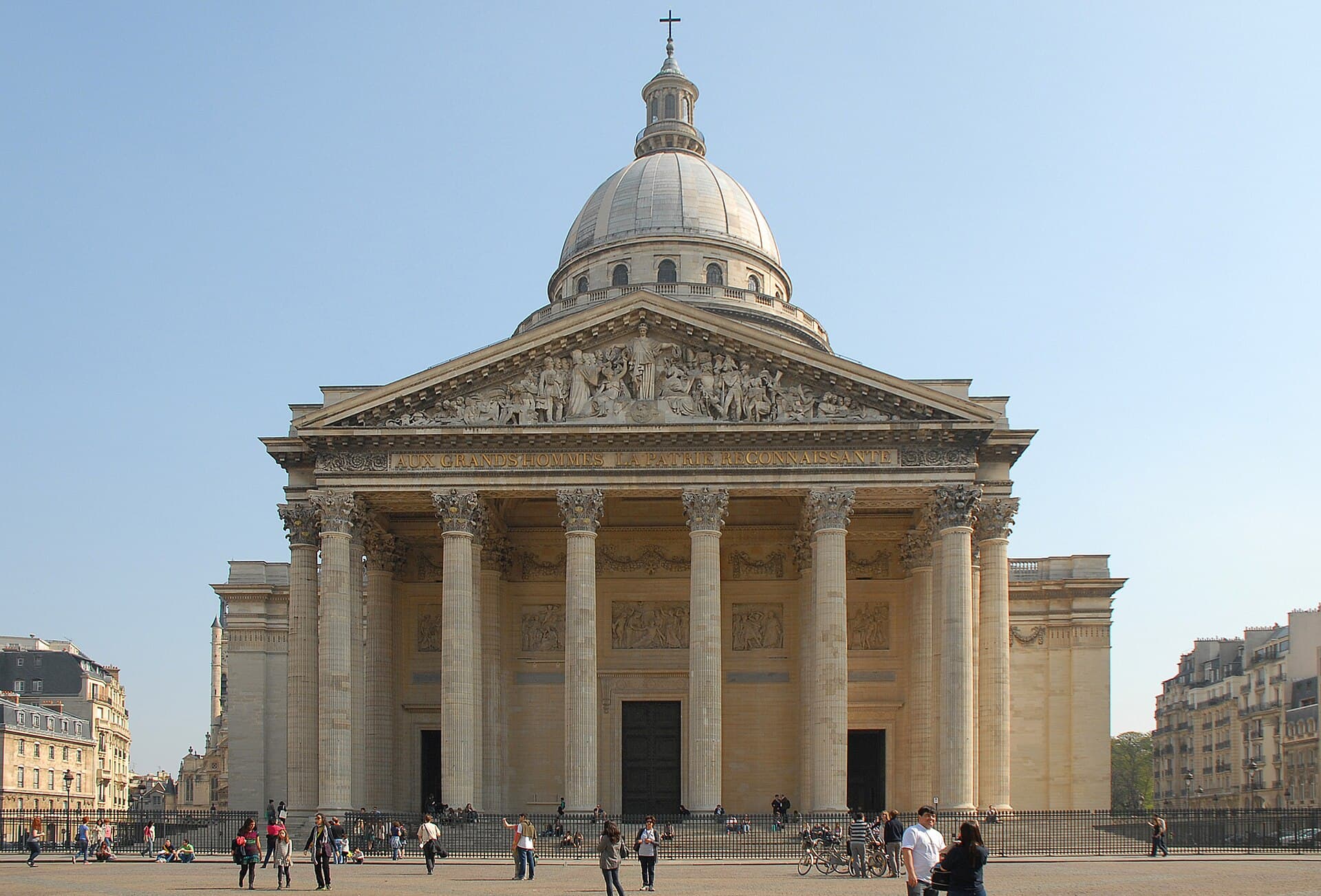 The PanthéonOn the summit of the Latin Quarter's Sainte-Geneviève hill stands the Panthéon's21 minutes walk4.5
Mostly neither: the lighting is calm, the ordering solemn, the visitors usually silent — closer to visiting a strange temple than a haunted house. Only claustrophobia is a real reason to think twice.
Try evening slots and rainy days first, and watch the site in the mornings — some allotments release days ahead. Avoid third-party platforms selling "tours" that are the same ticket at triple the price.
Yes, without flash or tripods — the dim light is part of the experience, so don't ruin it for others; wide lenses and steady hands produce striking shots despite the dark.