
Four continents and a globe
Bronze figures holding a celestial sphere — the nineteenth century's world.
User Kmlz on fr.wikipedia — CC BY-SA 3.0 · Dale Cruse from San Francisco, CA, USA — CC BY 2.0 · Celette — CC BY-SA 4.0 · Celette — CC BY-SA 4.0
A monumental nineteenth-century fountain in the Jardin Marco Polo, on the axis running south from the Luxembourg Gardens towards the Observatory. The central work is four bronze female figures holding a celestial sphere above their heads, representing the four continents as then conceived: Europe, Asia, Africa and America. The sculptor was Jean-Baptiste Carpeaux, among the most important French sculptors of the nineteenth century. The work rewards a critical eye as well: representing continents as female bodies arranged around a globe was a common device in nineteenth-century European art, and it reflects a colonial view of the world that prevailed in its time. Knowing that makes looking at it richer rather than less. Practical points: free and always open in a public garden. It stands minutes south of the Luxembourg Gardens and is far less crowded than the gardens themselves. Combine it with a walk south from the Luxembourg towards Montparnasse or the nearby Musée Zadkine.
Bronze figures holding a celestial sphere — the nineteenth century's world.
The imagery reflects a colonial outlook of its time; knowing that enriches looking.
Minutes from the Luxembourg but without its crowds.
Jardin Marco Polo, south of the Luxembourg Gardens
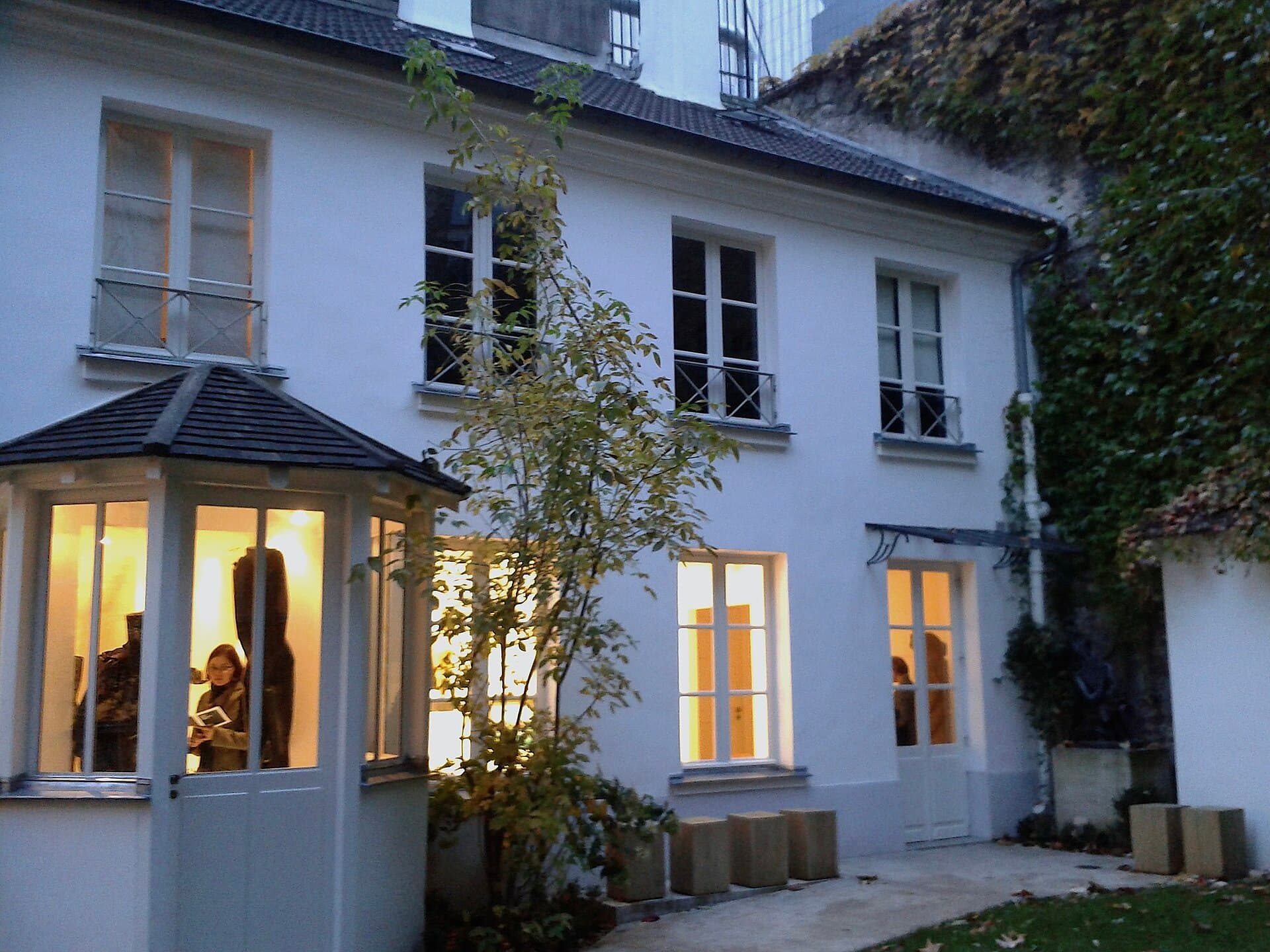 Musée ZadkineA small museum in the house and studio of the sculptor Ossip Zadkine, behind the4 minutes walk4.4
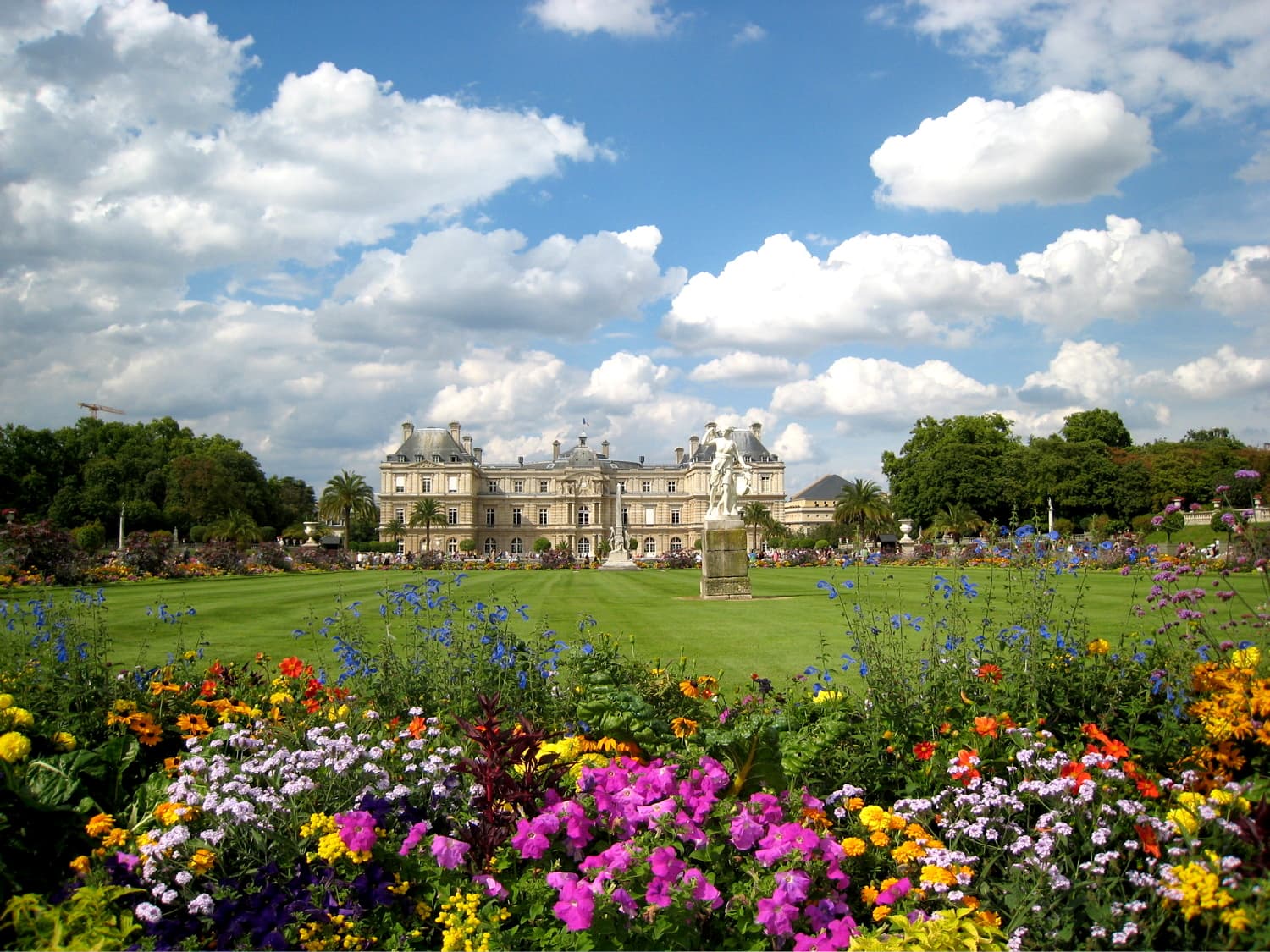 Jardin du LuxembourgIf you want to see how Parisians live their city — rather than how tourists visi8 minutes walk4.6
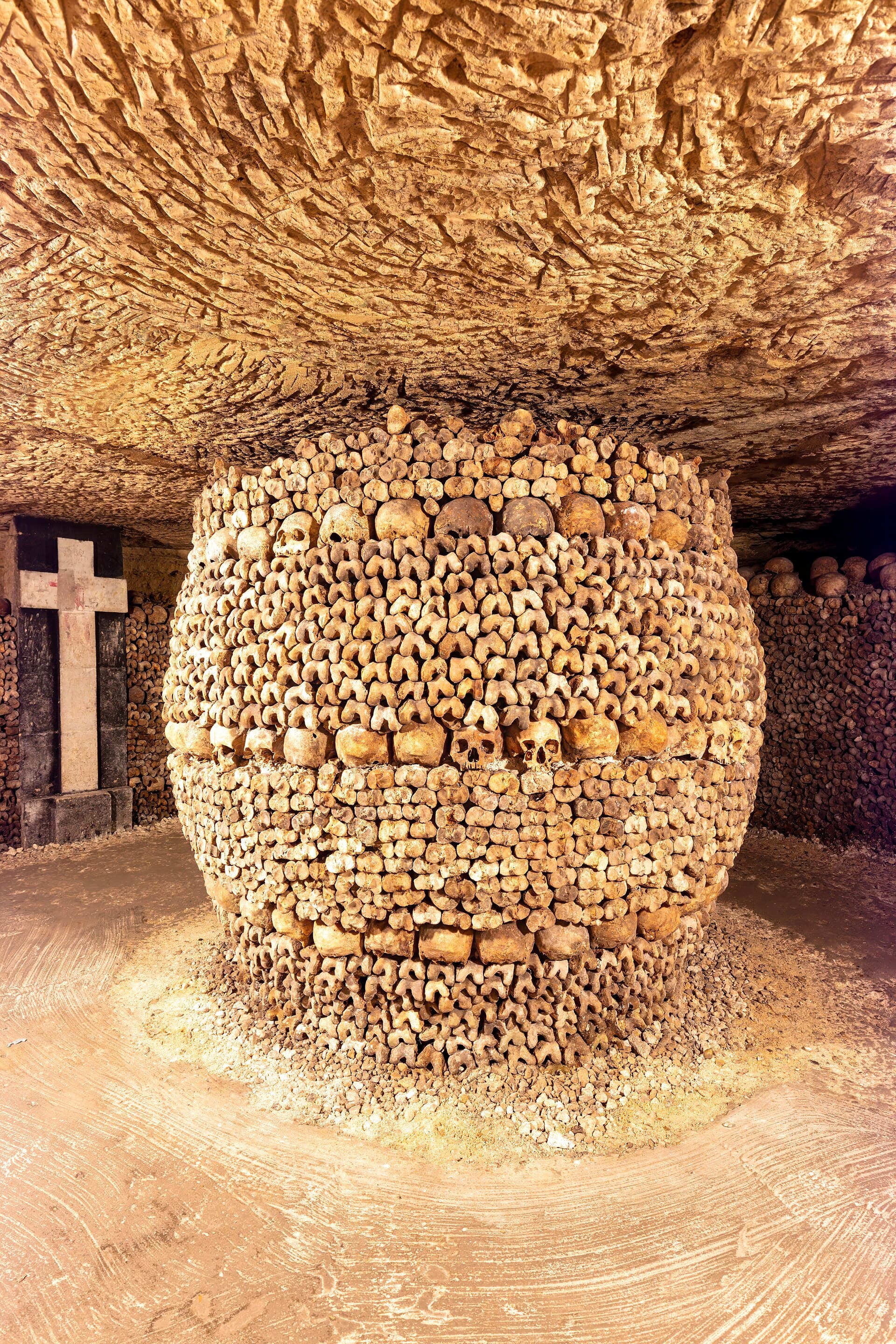 Catacombs of ParisTwenty metres beneath the streets of Paris runs the strangest cemetery in the wo11 minutes walk4.2
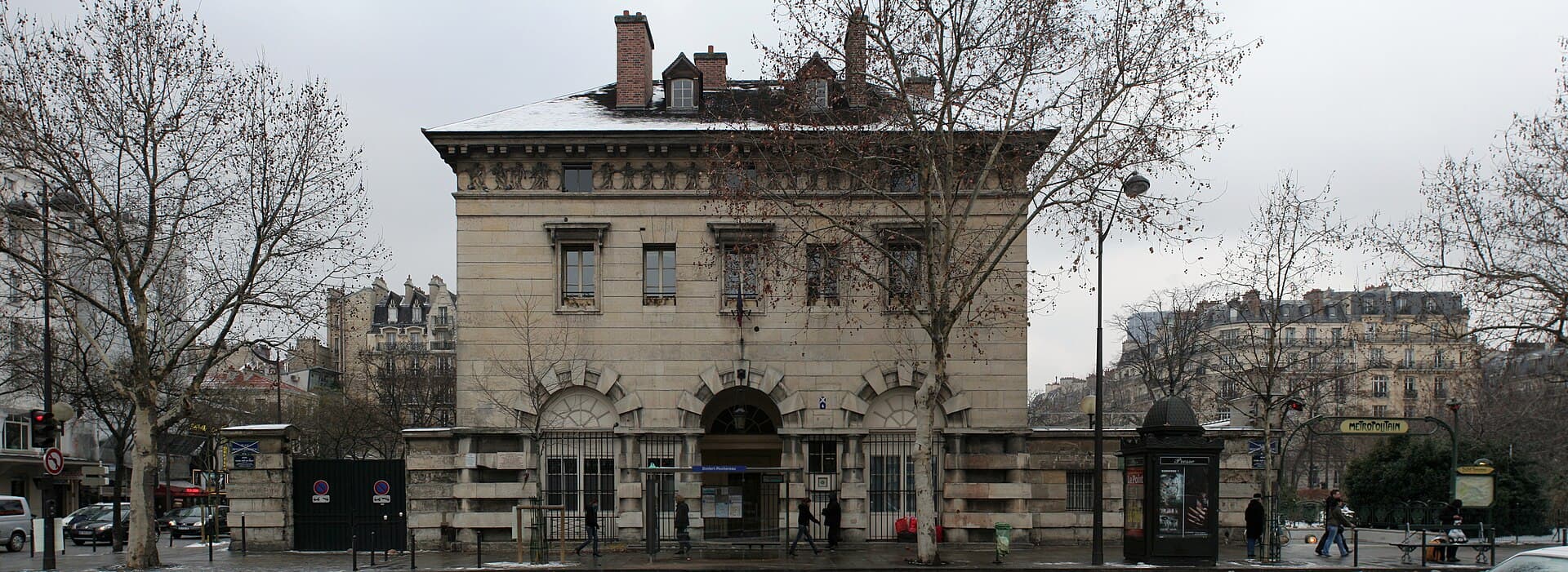 Museum of the Liberation of ParisA museum of the liberation of Paris in 1944 and of General Leclerc and Jean Moul11 minutes walk4.7
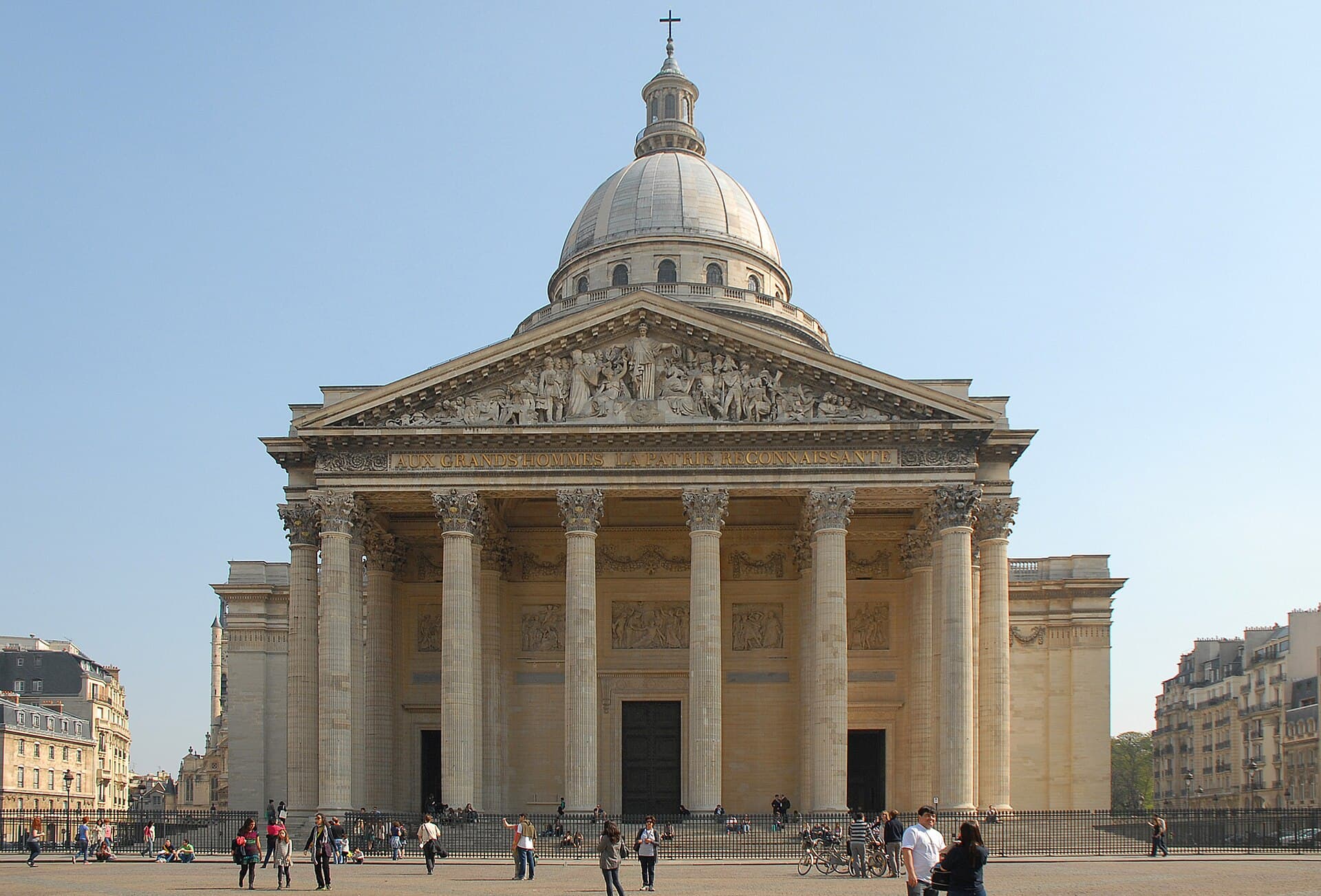 The PanthéonOn the summit of the Latin Quarter's Sainte-Geneviève hill stands the Panthéon's11 minutes walk4.5
Looking for halal food near Fountain of the Four Parts of the World? There are several options nearby, from Moroccan and Indian kitchens to quick casual spots and places with a view. Confirm the halal status and opening hours before you go — these can change.
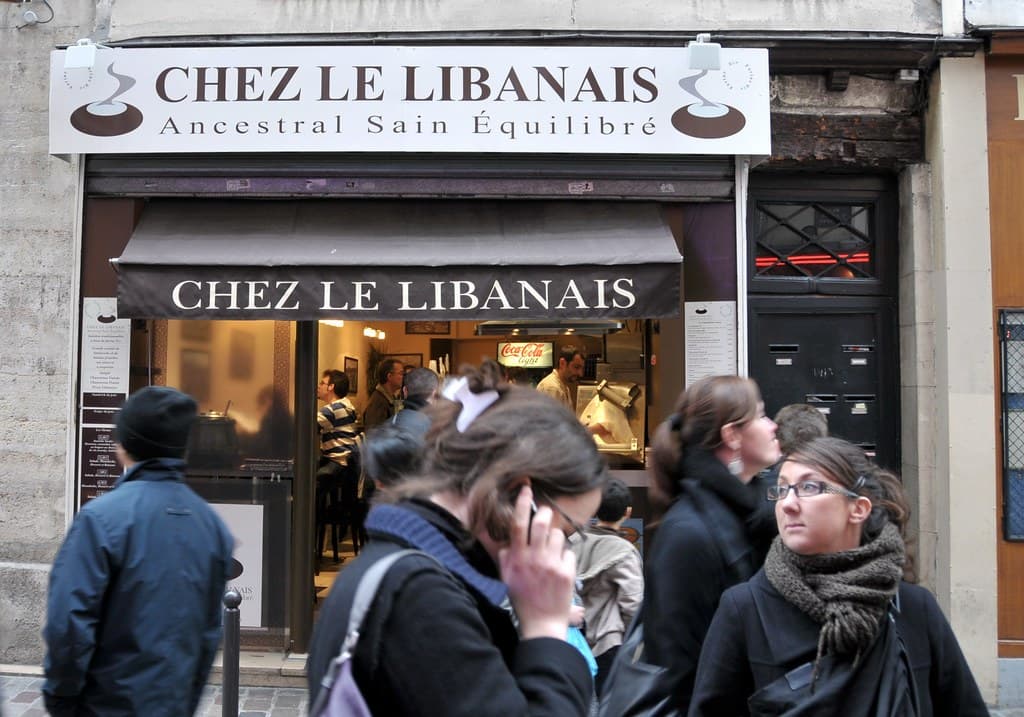 Chez le LibanaisHalalA small counter on Rue Saint-André des Arts, one of the busiest pedestrian stree18 minutes walk · $4.5Al DarHalalAl Dar is a Lebanese restaurant in the Latin Quarter, a few minutes on foot from18 minutes walk · $$4.1AssanabelHalalAssanabel is a small Lebanese restaurant on Rue Jacob, one of the prettiest and 17 minutes walk · $$4.9
In the Jardin Marco Polo on the avenue running south from the Luxembourg Gardens' southern gate towards the Paris Observatory. Leave the gardens to the south and walk a few minutes down the tree-lined axis and it stands in front of you.
The Luxembourg Gardens to the north, then the nearby Musée Zadkine which is free, then continuing south to Montparnasse or the catacombs. That axis links gardens and small free museums in a single walking route.