
Sculpture in its own garden
Works placed in the small garden where they were made.
Serein — CC BY-SA 3.0 · Rémih — CC BY-SA 4.0 · GPZ Anonymous — CC BY-SA 4.0 · GPZ Anonymous — CC BY-SA 4.0
A small museum in the house and studio of the sculptor Ossip Zadkine, behind the Luxembourg Gardens, among the most intimate museums in Paris. Zadkine was a sculptor of Russian-Belarusian origin who reached Paris in 1910 and worked within the Montparnasse generation alongside Picasso, Modigliani and Brâncuși. His manner is Cubist at root, with human forms fragmented and carved in wood and stone. The place is what distinguishes it: a small house, a studio and a garden, kept largely as they were. The sculptures are distributed between the rooms and the garden, so you see them in the space where they were made rather than in a white gallery. The garden is among the quietest corners in this crowded quarter. An important practical point: the permanent collection is free like the other City of Paris museums, with temporary exhibitions ticketed. The museum is very small, so the visit is under an hour and folds easily into the Luxembourg Gardens or Montparnasse.
Works placed in the small garden where they were made.
Zadkine worked in the circle of Picasso, Modigliani and Brâncuși.
Among the calmest places in a crowded quarter, and free.
Rue d'Assas, near the Luxembourg Gardens, Paris
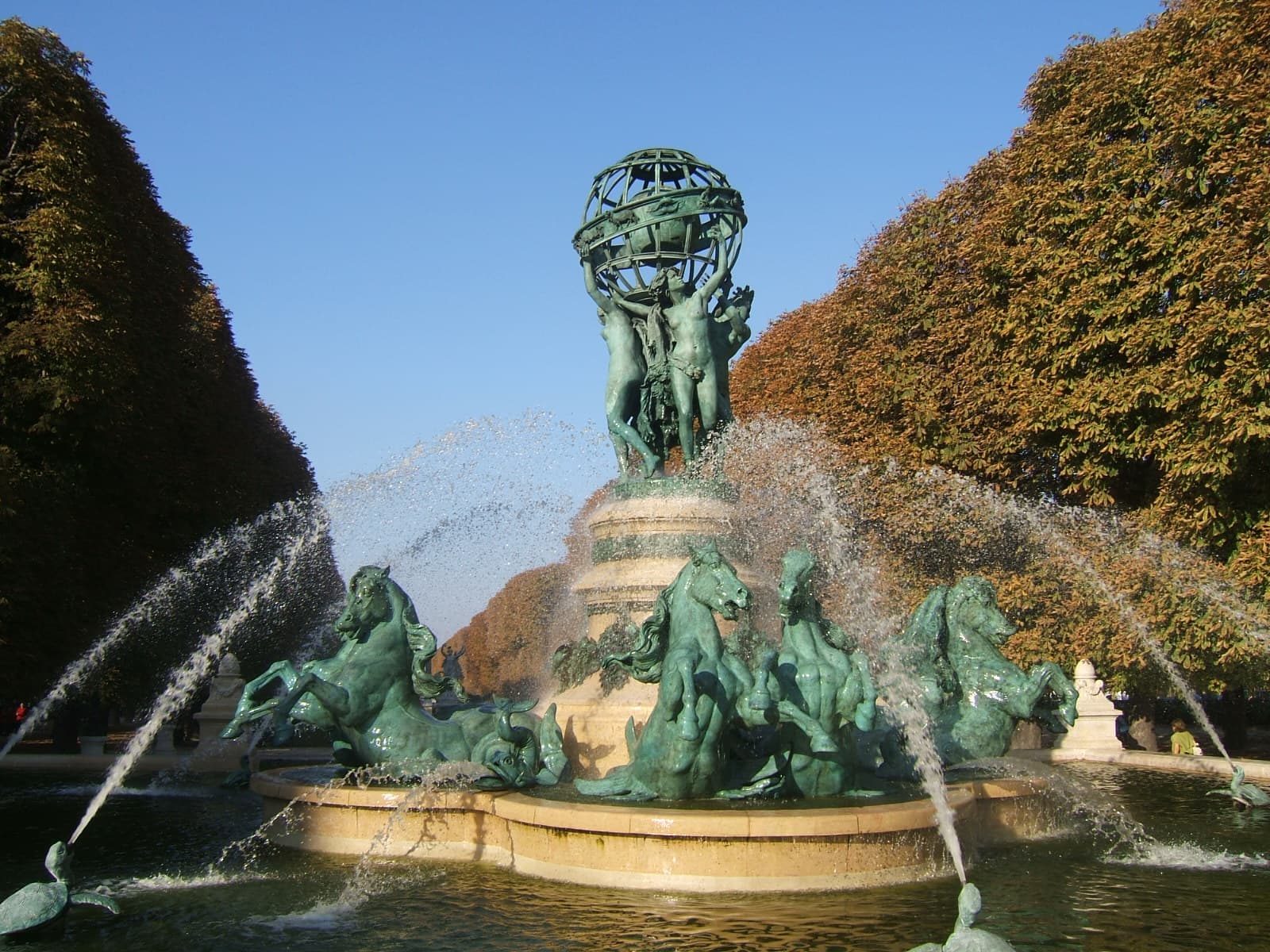 Fountain of the Four Parts of the WorldA monumental nineteenth-century fountain in the Jardin Marco Polo, on the axis r4 minutes walk4.6
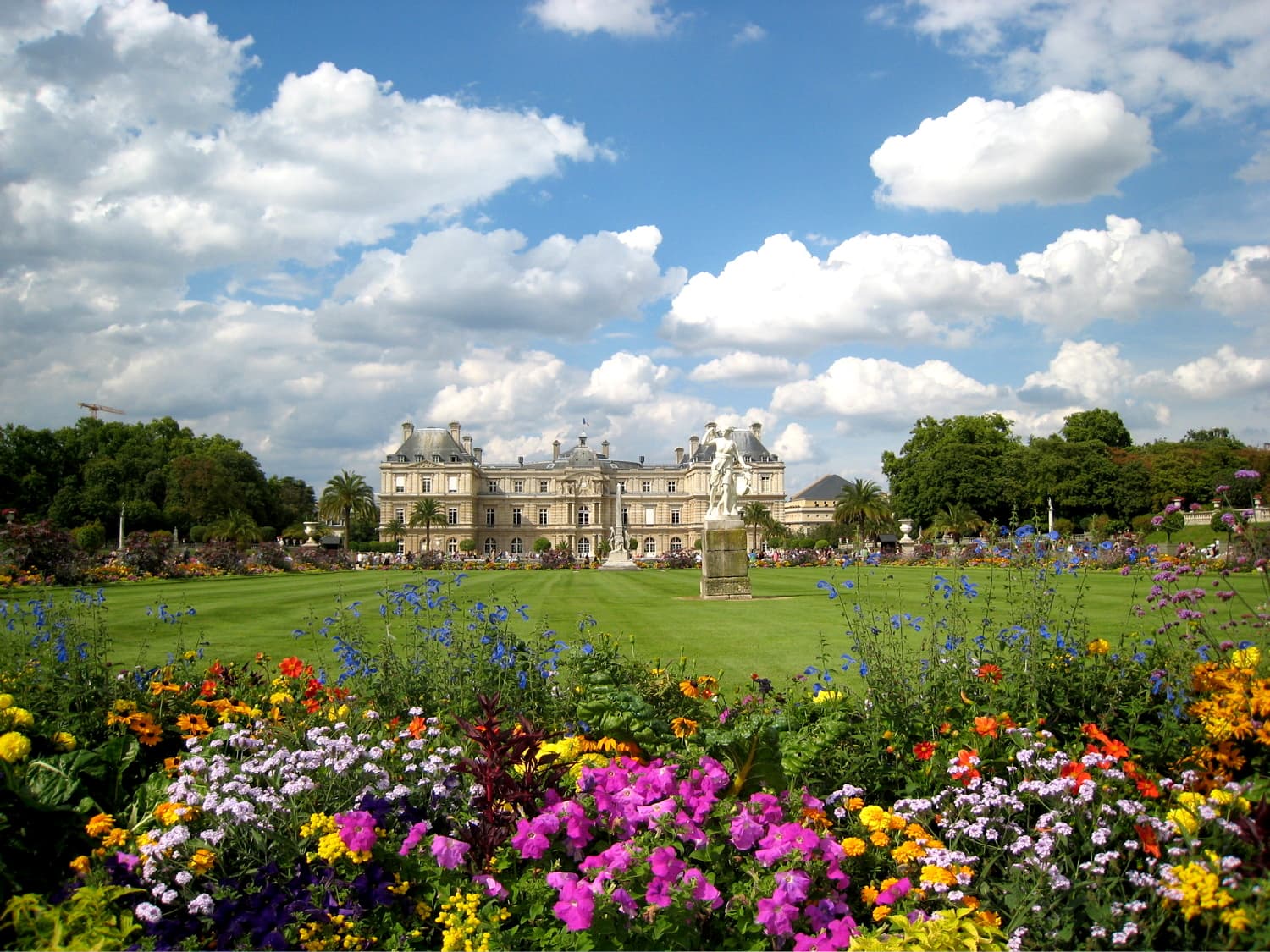 Jardin du LuxembourgIf you want to see how Parisians live their city — rather than how tourists visi6 minutes walk4.6
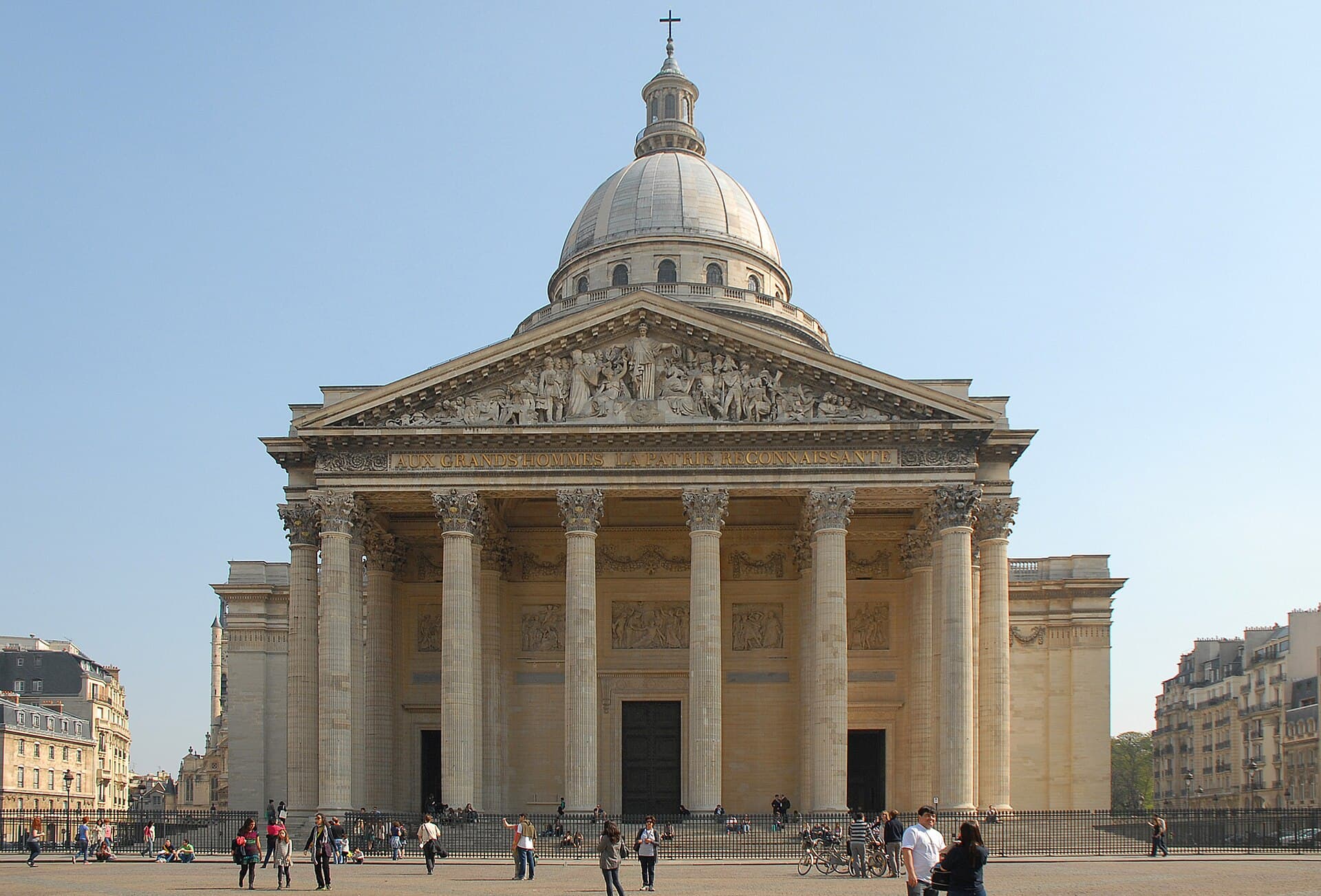 The PanthéonOn the summit of the Latin Quarter's Sainte-Geneviève hill stands the Panthéon's12 minutes walk4.5
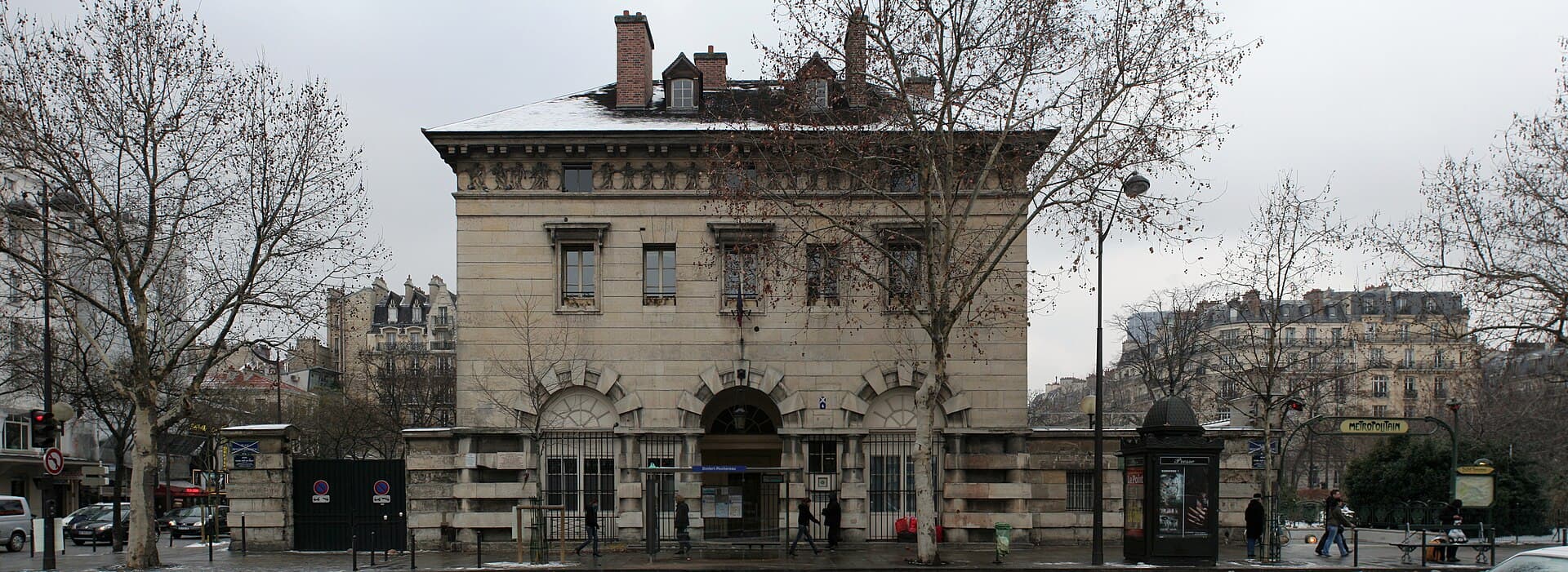 Museum of the Liberation of ParisA museum of the liberation of Paris in 1944 and of General Leclerc and Jean Moul13 minutes walk4.7
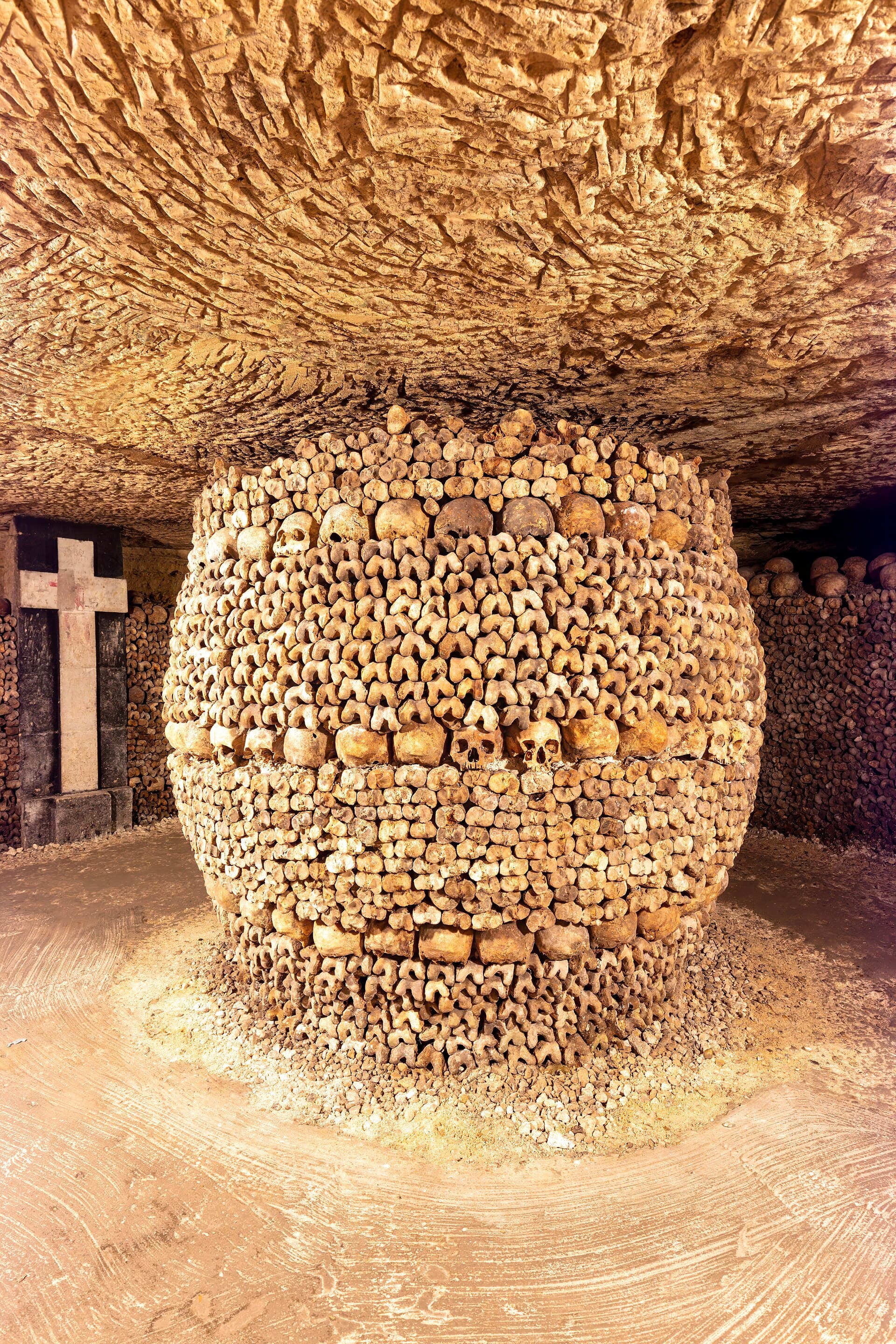 Catacombs of ParisTwenty metres beneath the streets of Paris runs the strangest cemetery in the wo13 minutes walk4.2
Looking for halal food near Musée Zadkine? There are several options nearby, from Moroccan and Indian kitchens to quick casual spots and places with a view. Confirm the halal status and opening hours before you go — these can change.
 Ministry of SpiceHalalModern halal Indian cooking, the sit-down option for an unhurried dinner. About 25 minutes walk · $$$
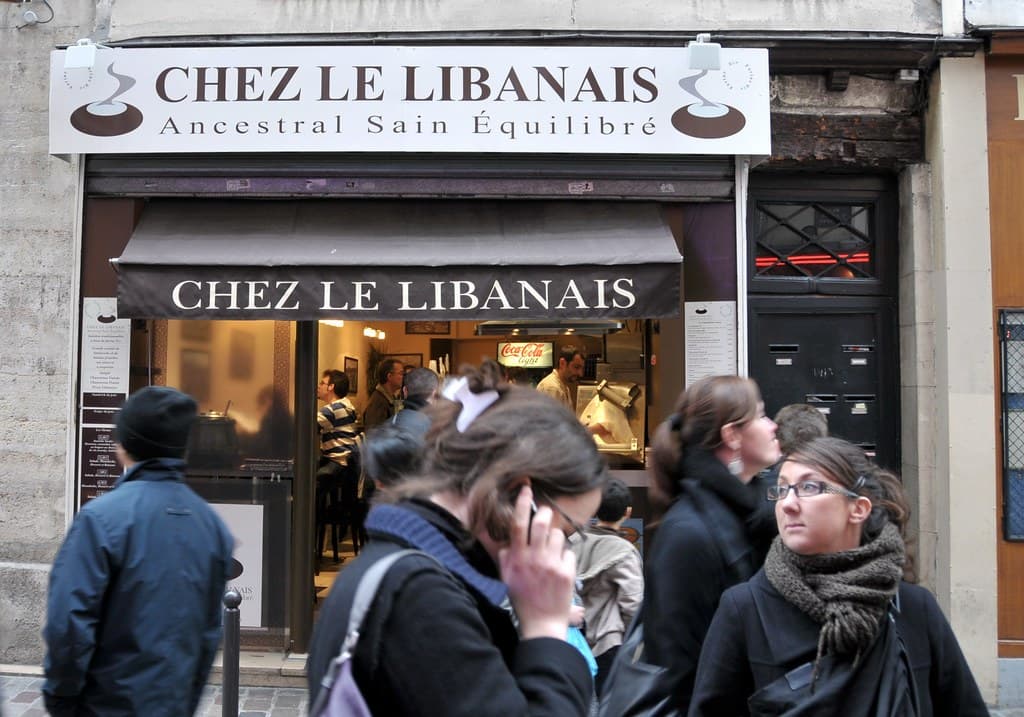 Chez le LibanaisHalalA small counter on Rue Saint-André des Arts, one of the busiest pedestrian stree16 minutes walk · $4.5Al DarHalalAl Dar is a Lebanese restaurant in the Latin Quarter, a few minutes on foot from18 minutes walk · $$4.1AssanabelHalalAssanabel is a small Lebanese restaurant on Rue Jacob, one of the prettiest and 14 minutes walk · $$4.9
Yes, because its value lies as much in the place as in the work: a house, a studio and a small garden, free, and under an hour. Even without knowing the sculptor, seeing sculpture in the space where it was made is different from a gallery.
The City of Paris museums are all free in their permanent collections: the Carnavalet for the city's history, the Musée d'Art Moderne, Cernuschi for Asian art, the Maison de Balzac and the Musée de la Vie Romantique. Together they allow whole days in Paris without a ticket.