
The exterior mass
Towers, buttresses and small domes stepping upward.
Diego Delso — CC BY-SA 4.0 · Marmontel — CC BY 2.0 · Rafa Esteve — CC BY-SA 4.0 · Almm02 — CC BY-SA 4.0
**The last Gothic cathedral built in Spain — begun in 1525, when the rest of Europe had long moved to the Renaissance** — on the main square. ⚠ **The lateness was deliberate**: **the old cathedral was destroyed in the Comuneros revolt of 1520**, **so the city resolved to build a new one** — ⚠ **and chose Gothic on purpose** although it had gone out of fashion, **because it read as more properly «cathedral»**. ✅ **It is called "the lady of cathedrals"** for the harmony of its mass — **its towers, flying buttresses and small domes** stepping up towards the belfry. ✅ **The interior is wide and light**, with 16th-century stained glass, ⚠ **and a cloister that was moved stone by stone** from the site of the old cathedral. ⚠ **It stands on the main square** rather than the summit.
Towers, buttresses and small domes stepping upward.
A cloister dismantled, transported and rebuilt here.
Sixteenth-century windows lighting the nave.
Plaza Mayor, 40001 Segovia, Spain
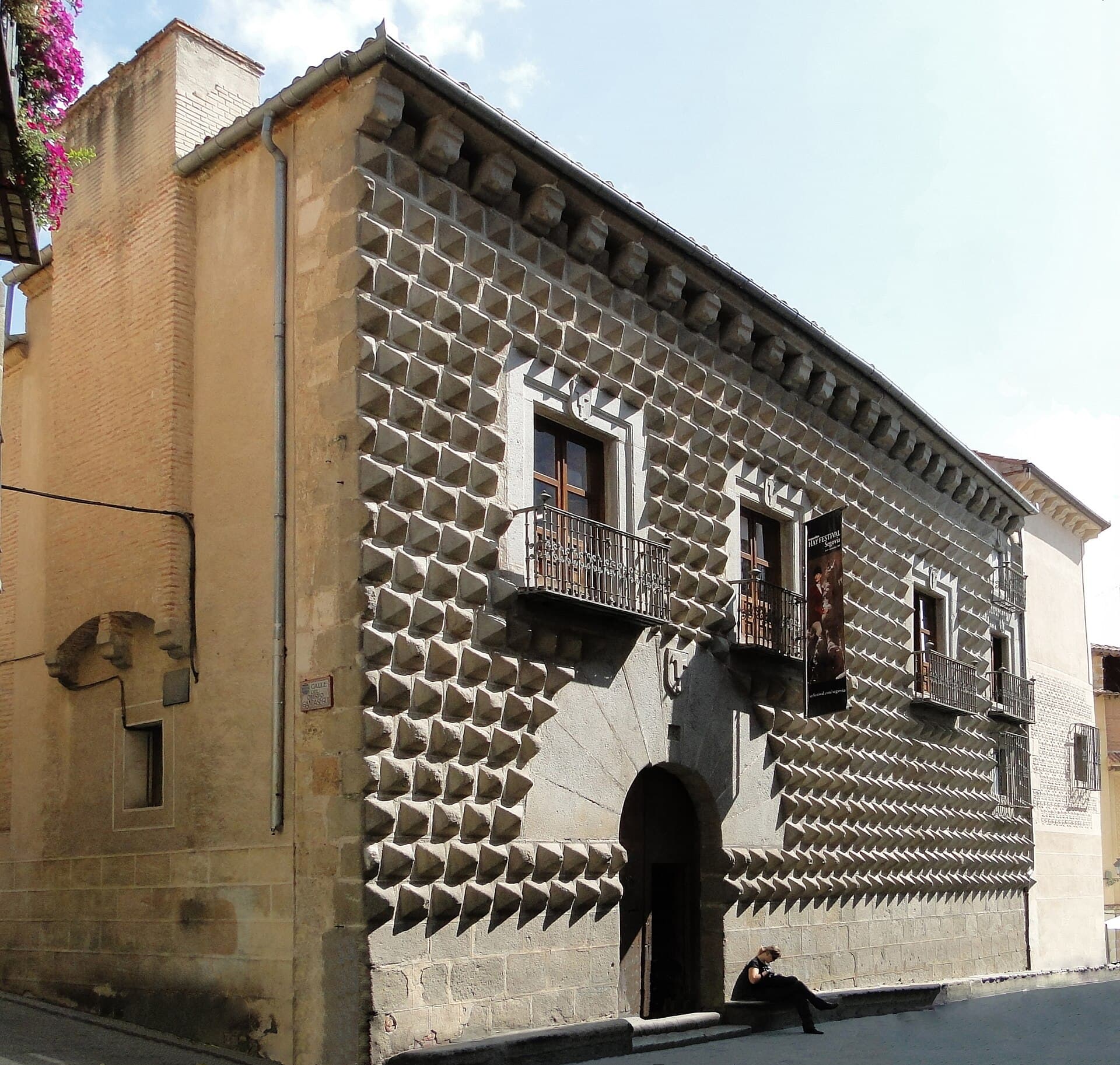 Casa de los Picos**A 15th-century palace whose front is covered in six hundred projecting stone p6 minutes walk4.2
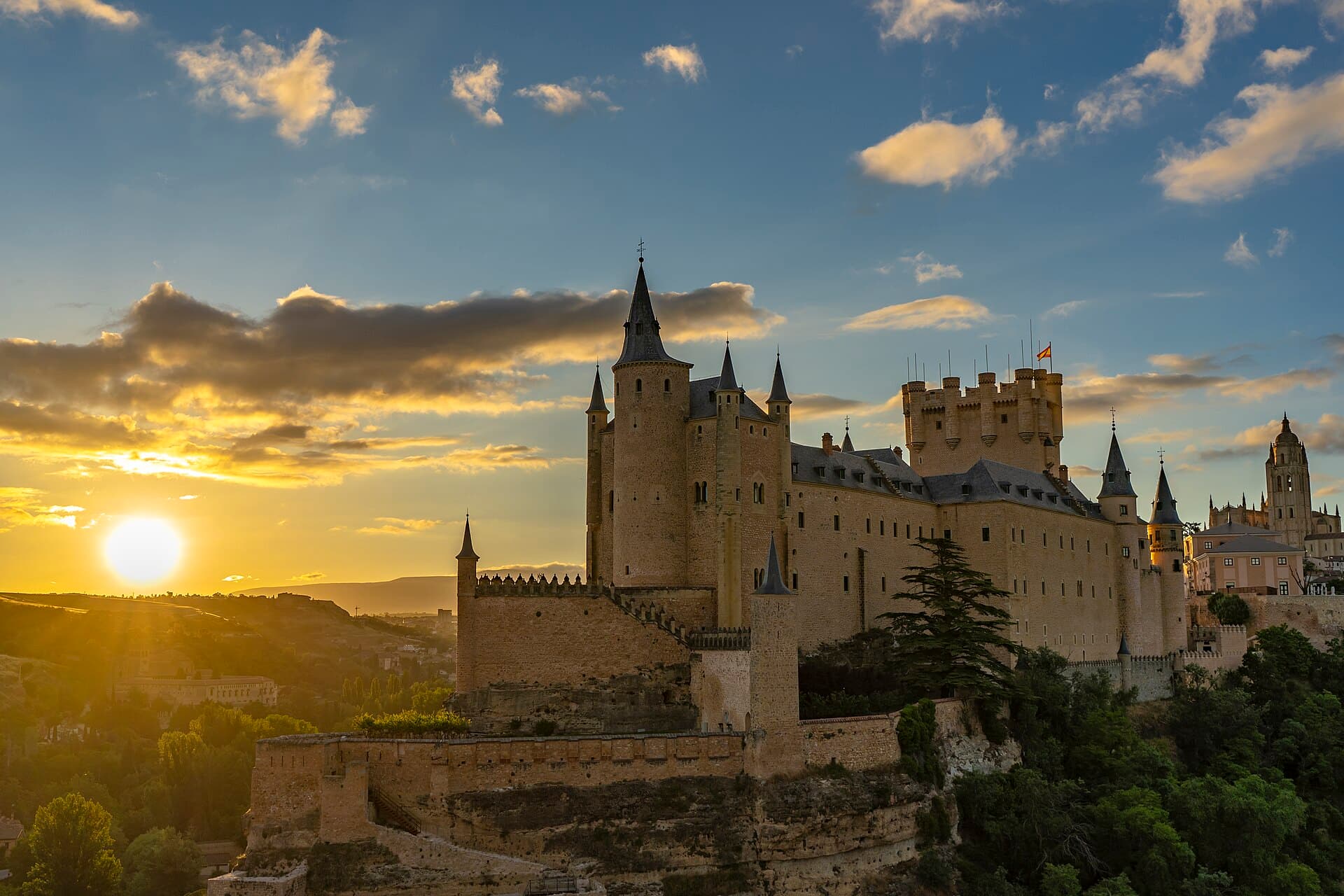 The Alcázar of Segovia**A castle on a rock at the meeting of two valleys, shaped like a ship's prow, i8 minutes walk4.6
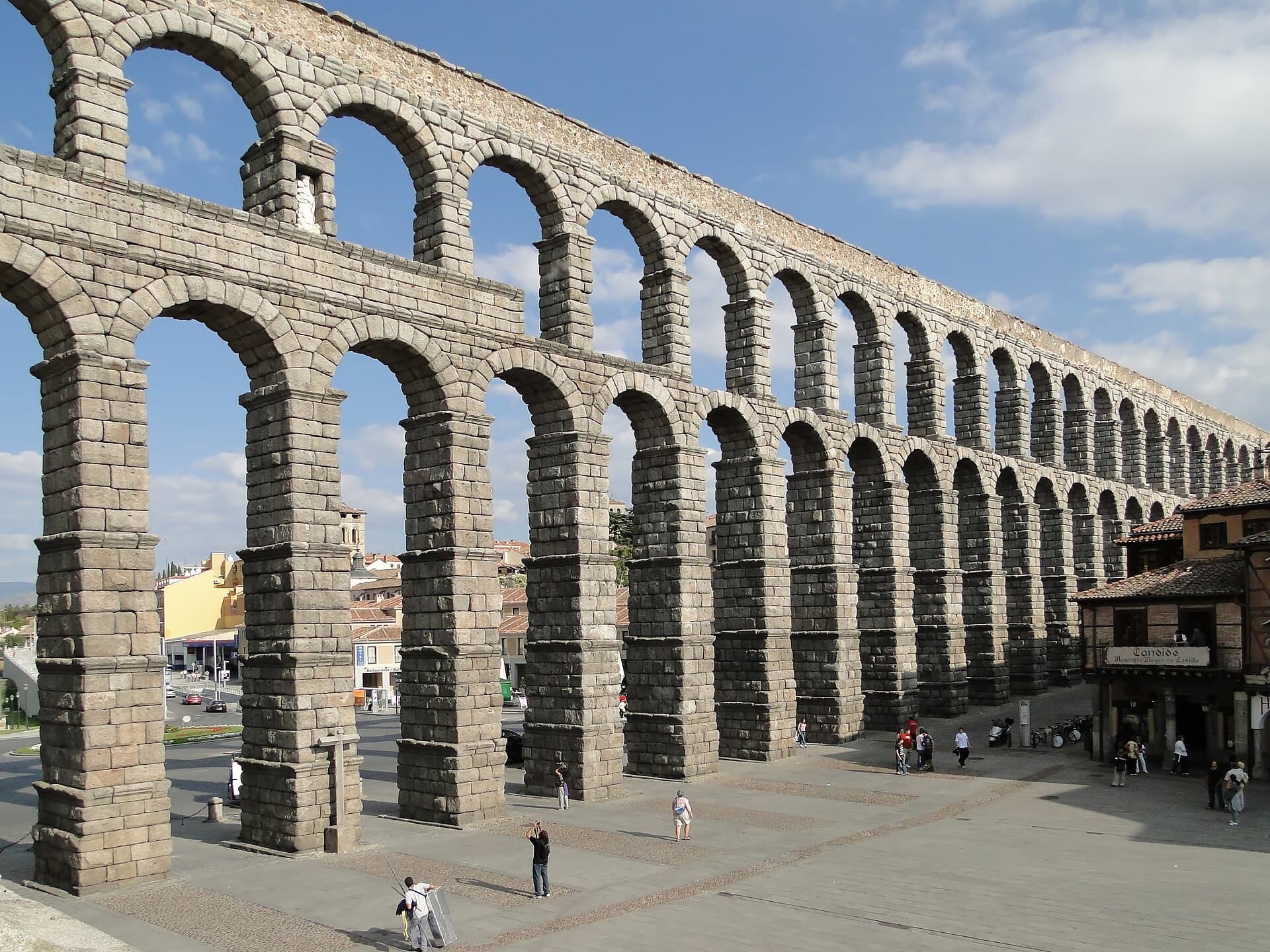 The Aqueduct of Segovia**A Roman aqueduct 28 metres high built of twenty thousand granite blocks withou9 minutes walk4.8
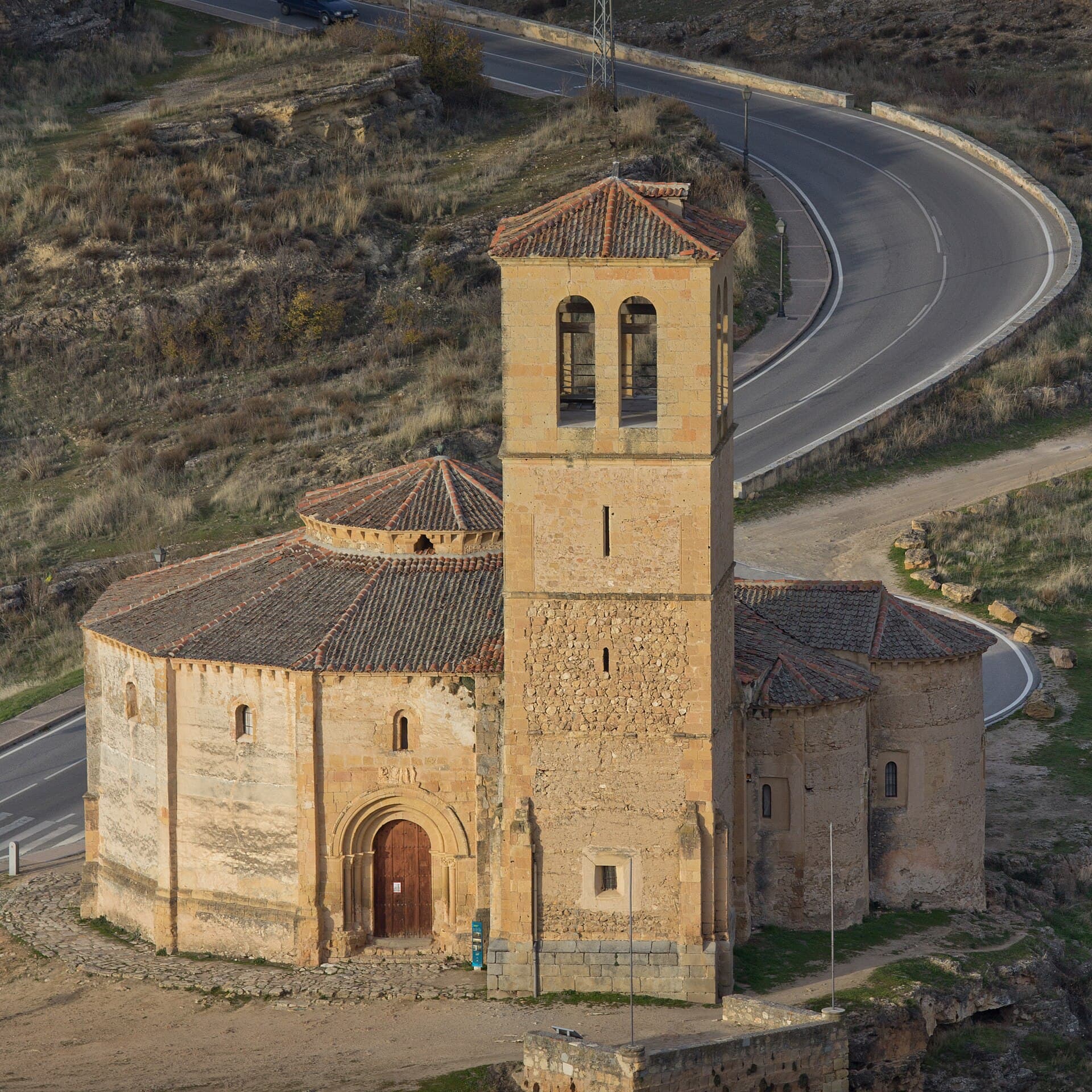 Church of the Vera Cruz**A twelve-sided round church of the 13th century, with a two-storey chamber sta10 minutes walk4.4
**A rising of the Castilian cities against a foreign king in 1520 — its defeat changed Spanish history, and it destroyed Segovia's old cathedral.** ✅ **The cause**: **Charles I** came to the Castilian throne in 1516 as **a young man raised in Flanders who did not speak Castilian**, ⚠ **bringing a Flemish court that took the offices**; **then he imposed heavy taxes to fund his candidacy for the Holy Roman imperial throne** — **so Castile was paying for a foreign ambition**. ⚠ **The cities rose** in **1520**: Toledo, Salamanca, Segovia, Valladolid and others, **forming a *junta* of the cities** and demanding a government that represented them. ✅ **Segovia was among the first to rise**, ⚠ **and in the fighting the old cathedral, which stood near the Alcázar, was destroyed** — **hence this one**. ⚠ **The end**: **the Comuneros were beaten at Villalar in 1521** and their leaders executed. ✅ **The long consequence**: **the cities' power broke against the crown**, **and absolute monarchy took hold in Spain**; ⚠ **and the revolt is read in Spain today as a founding moment for municipal liberty**, with monuments and an annual commemoration.