
The Brabo Fountain
The soldier throwing the giant's hand — the legend of the name.
G.Lanting — CC BY 3.0 · CEphoto, Uwe Aranas — CC BY-SA 3.0 · Jean Housen — CC BY-SA 4.0 · Jean Housen — CC BY-SA 4.0
The Grote Markt is Antwerp's great square and historic heart: an irregular triangle ringed by sixteenth-century Flemish Renaissance guild houses with gilded step gables and tall statues, and the imposing Renaissance City Hall (1565) — the first great Renaissance building in the Low Countries, fully restored and reopened in 2022 — with the world's flags on its façade. At its centre stands the Brabo Fountain (1887, by the sculptor Jef Lambeaux): a bronze of the Roman soldier Silvius Brabo throwing the severed hand of the giant Antigoon into the Scheldt — by legend the giant cut off the hands of those who refused his toll, so Brabo killed him and threw his hand, and from "hand-throwing" (hand werpen) came the name Antwerp. The severed hand is the city's symbol (found even in chocolate). Free and the centre of everything: the cathedral steps away, the river and Het Steen castle two minutes off, and the Christmas market in December.
The soldier throwing the giant's hand — the legend of the name.
Restored Flemish Renaissance with the world's flags.
Gilded step gables with tall statues.
Grote Markt, 2000 Antwerp
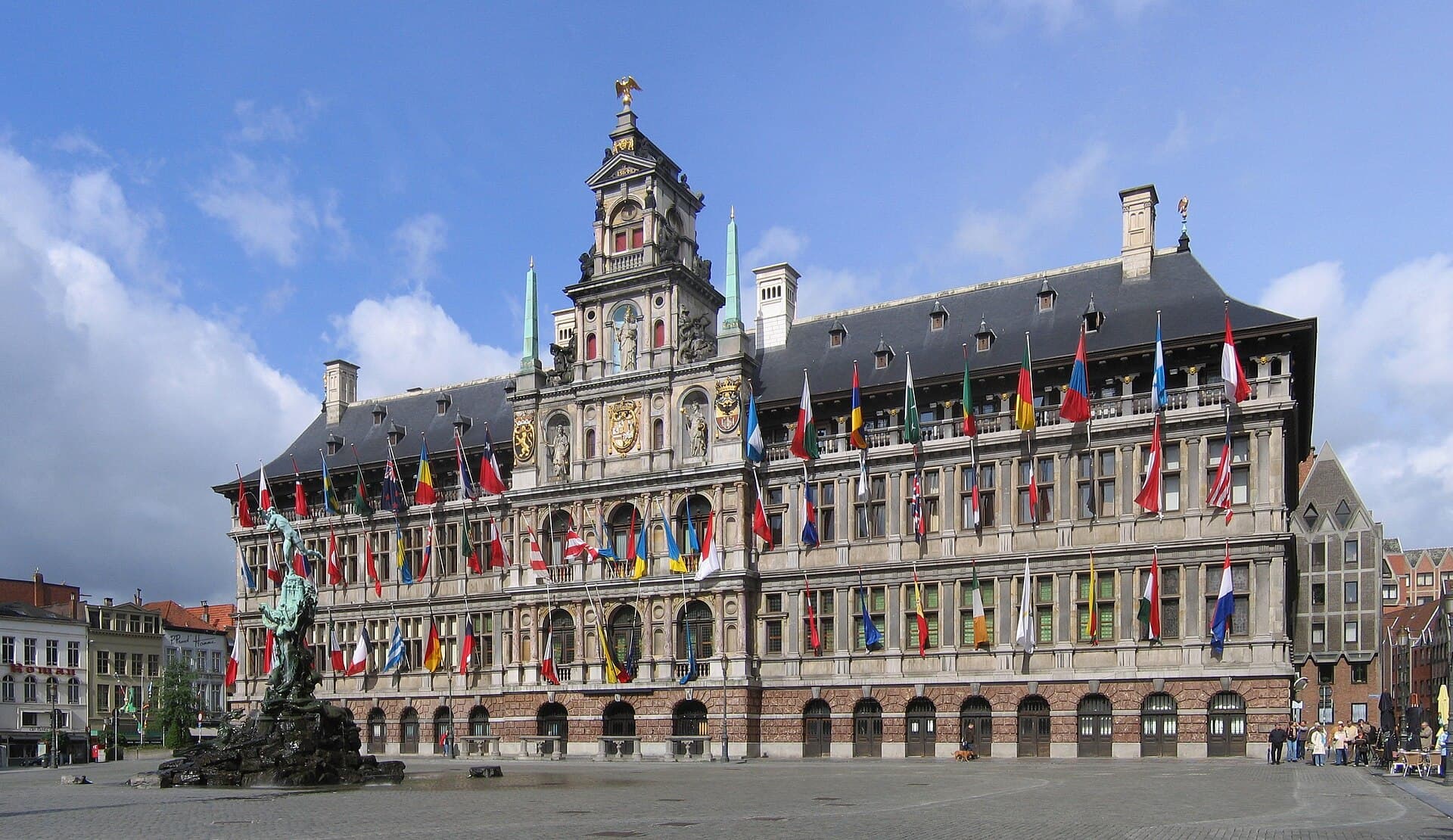 Antwerp City HallAntwerp's City Hall is the first great Renaissance building in the Low Countries1 minute walk4.6
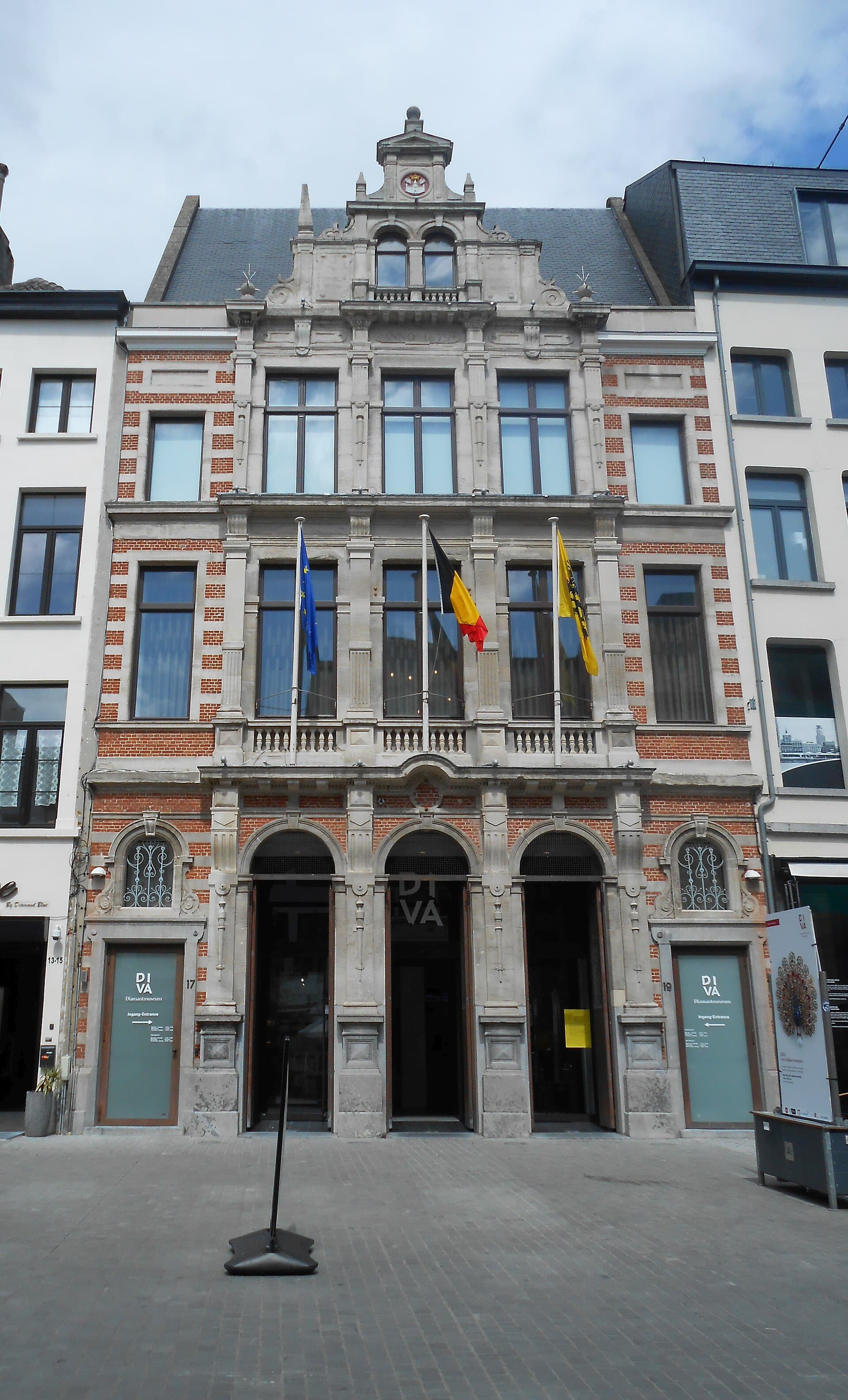 DIVA Diamond and Jewellery MuseumDIVA is Antwerp's museum of diamonds, jewellery and silver — the world's diamond1 minute walk4.2
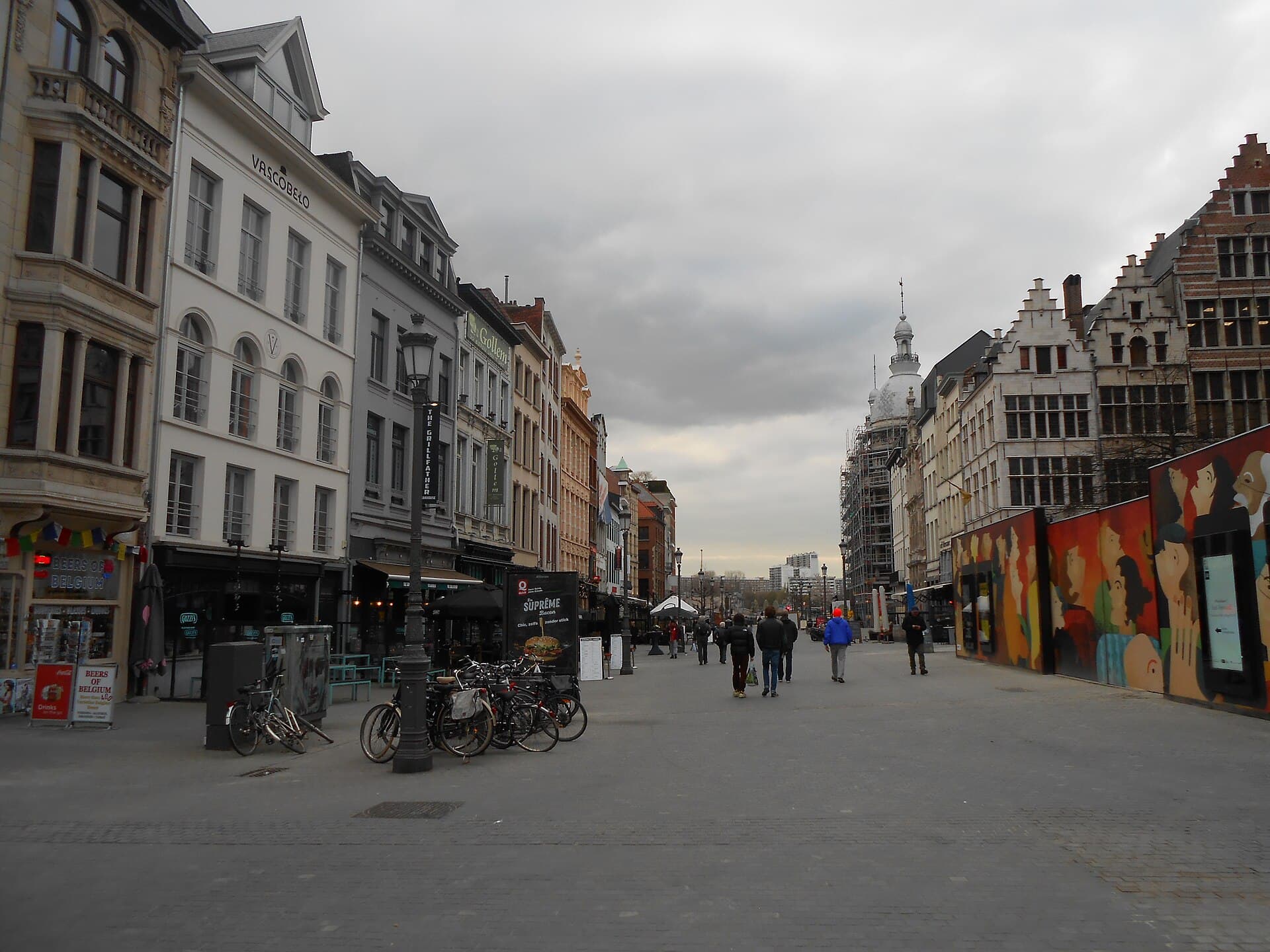 De Ruien (Underground Antwerp)De Ruien is Antwerp hidden underground: the network of medieval canals and strea1 minute walk4.1
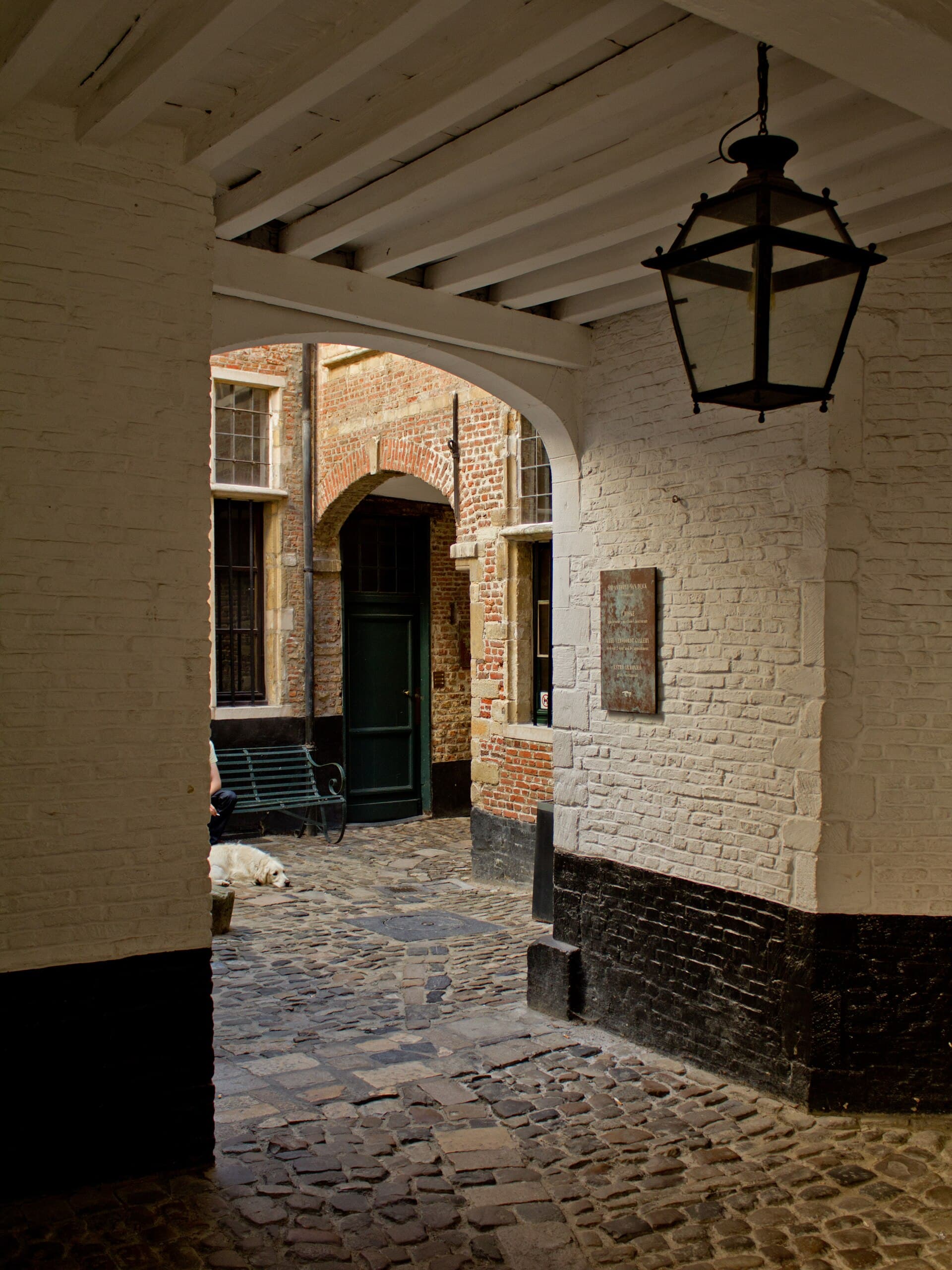 Vlaeykensgang AlleyThe Vlaeykensgang is a secret sixteenth-century alley steps from the cathedral: 1 minute walk4.7
 Eugeen Van Mieghem MuseumA small museum devoted to the Belgian painter Eugeen Van Mieghem (1875-1930), a 1 minute walk4.3
From the Brabo and giant legend: the severed hand became the city's emblem — seen in the square's fountain, on buildings, and in "Antwerpse Handjes" (hand-shaped biscuits and chocolates sold everywhere as the ideal souvenir). The name's real origin is probably "aan 't werp" (at the wharf), but the legend is lovelier.