
The Royal Portal
Superb thirteenth-century carving on the north entrance.
Chabe01 — CC BY-SA 4.0 · Zairon — CC BY-SA 4.0 · Jean-Auguste Brutails — Public domain · Jean-Auguste Brutails — Public domain
Bordeaux's cathedral witnessed two marriages that changed Europe: here Eleanor of Aquitaine wed the King of France in 1137 — before divorcing him for the King of England, taking all Aquitaine with her and lighting centuries of war — and here Louis XIII married Anne of Austria in 1615. The building is imposing Gothic, 124 metres long, its finest feature the north Royal Portal with thirteenth-century carving, its interior all height and a great organ. It is UNESCO-listed among the pilgrimage routes to Santiago de Compostela. The Pey-Berland bell tower stands detached a few metres away — built so the bells' swing would not shake the cathedral's fabric — and climbing it is a story of its own, worth its own page.
Superb thirteenth-century carving on the north entrance.
Eleanor in 1137, Louis XIII in 1615 — weddings that redrew Europe's maps.
Gothic 124 metres long, height that swallows sound.
Place Pey-Berland, 33000 Bordeaux
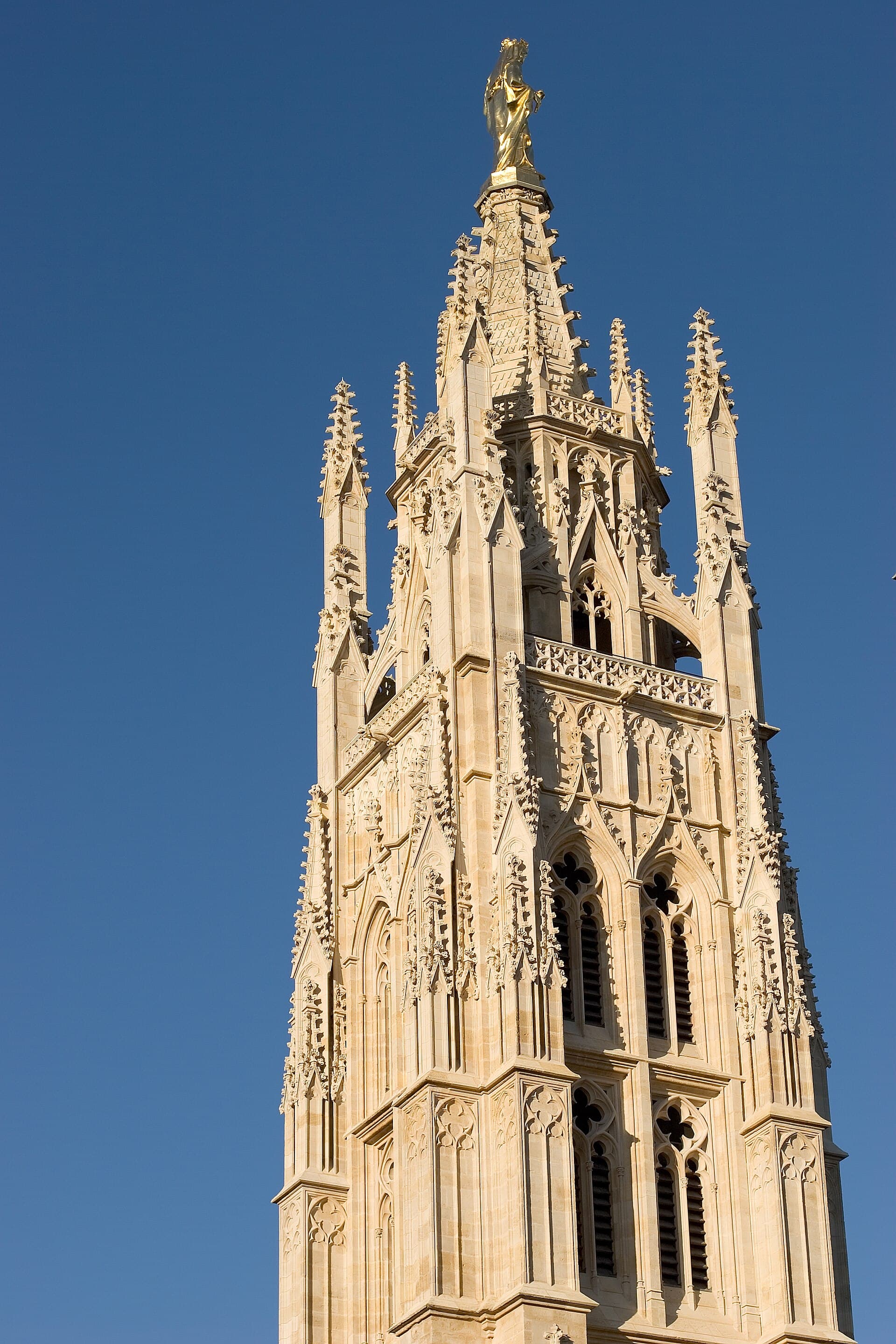 Pey-Berland TowerThe Pey-Berland is Bordeaux cathedral's bell tower — standing alone metres away 1 minute walk4.6
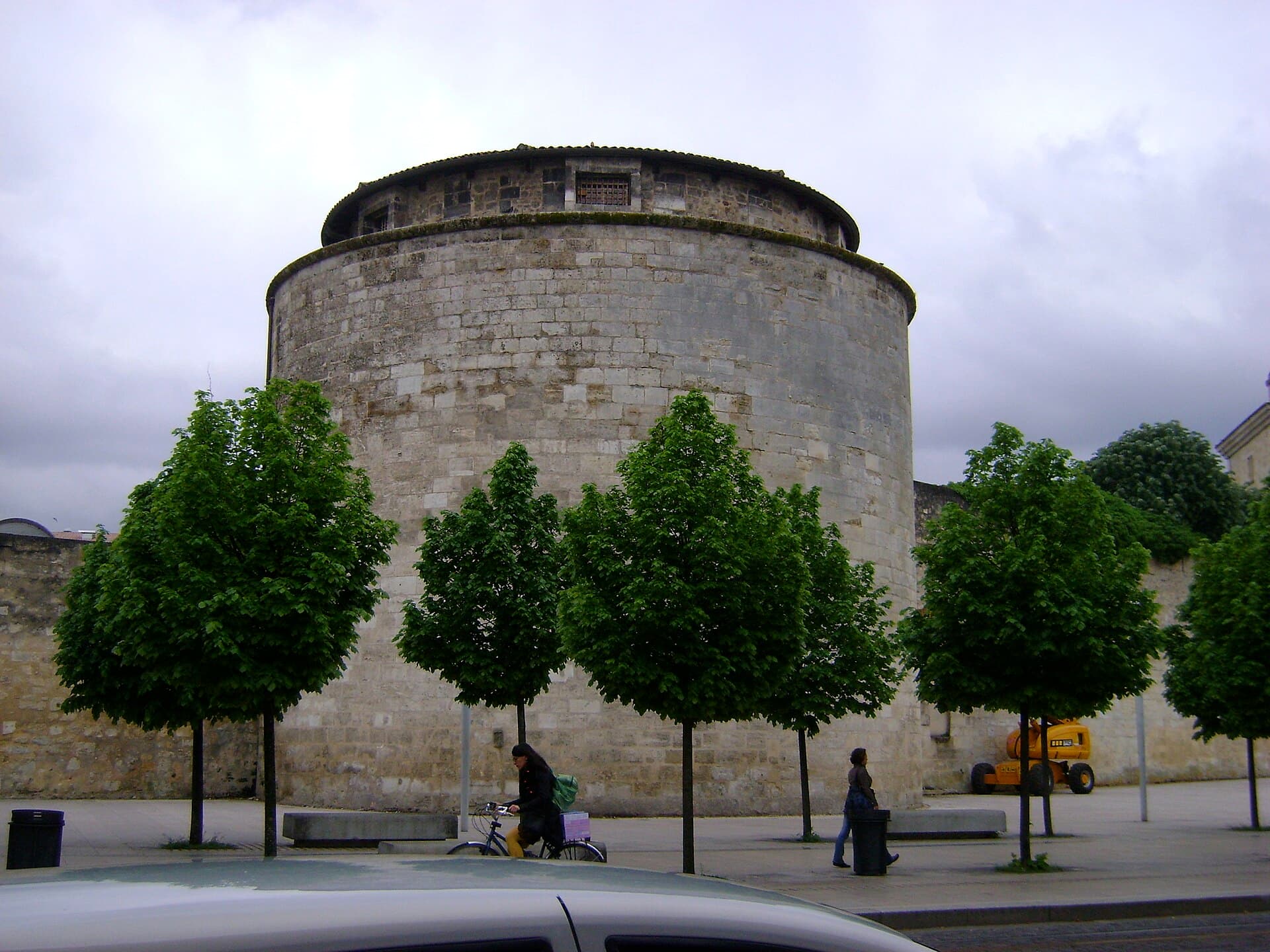 Fort du Hâ TowersTwo round stone towers are all that remains of the **Château du Hâ**, the fortre2 minutes walk3.7
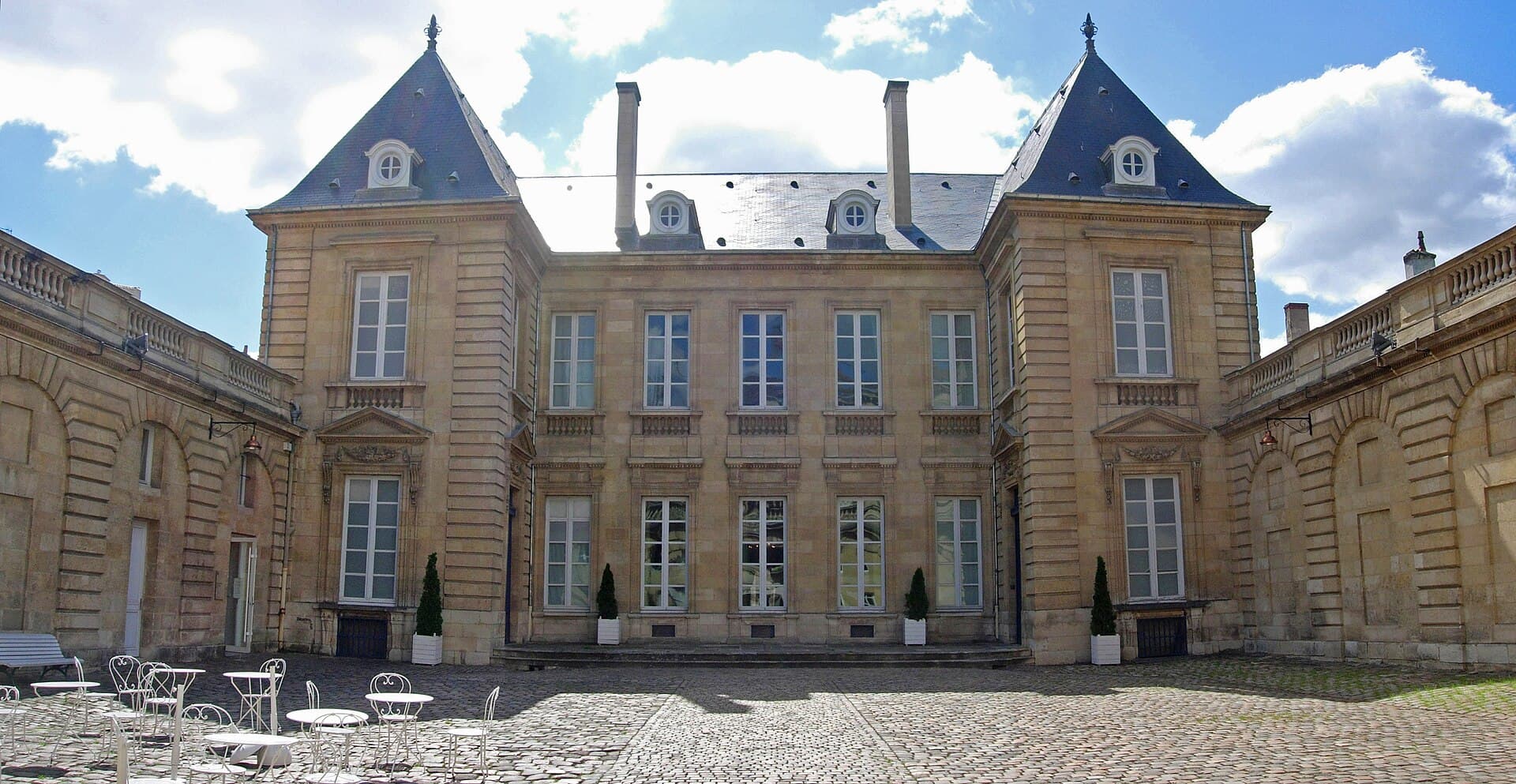 Museum of Decorative Arts and DesignBordeaux's Decorative Arts Museum (known as the madd) occupies a noble eighteent3 minutes walk4.3
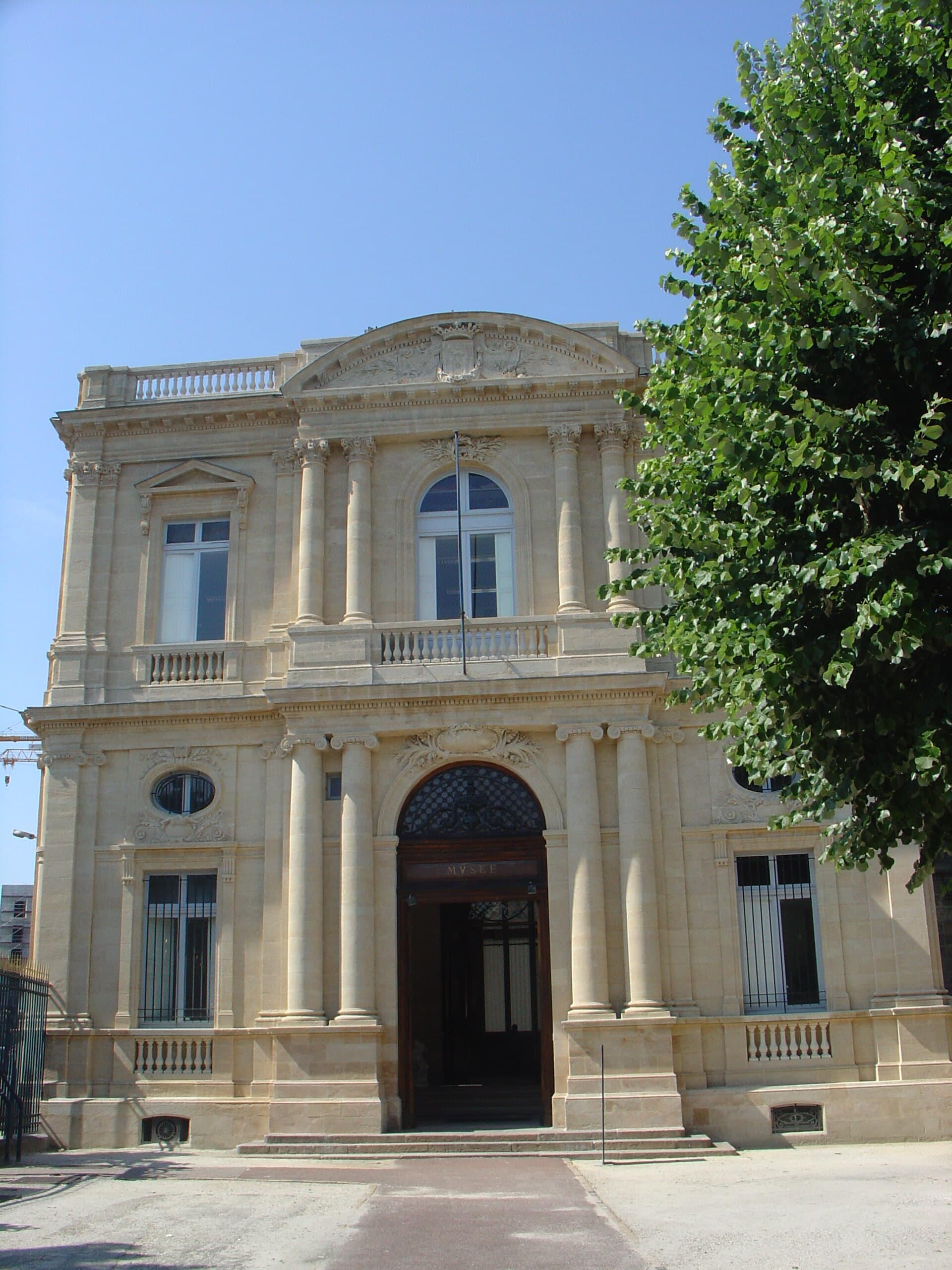 Museum of Fine ArtsBordeaux's Fine Arts museum is among France's oldest provincial museums — founde3 minutes walk4.2
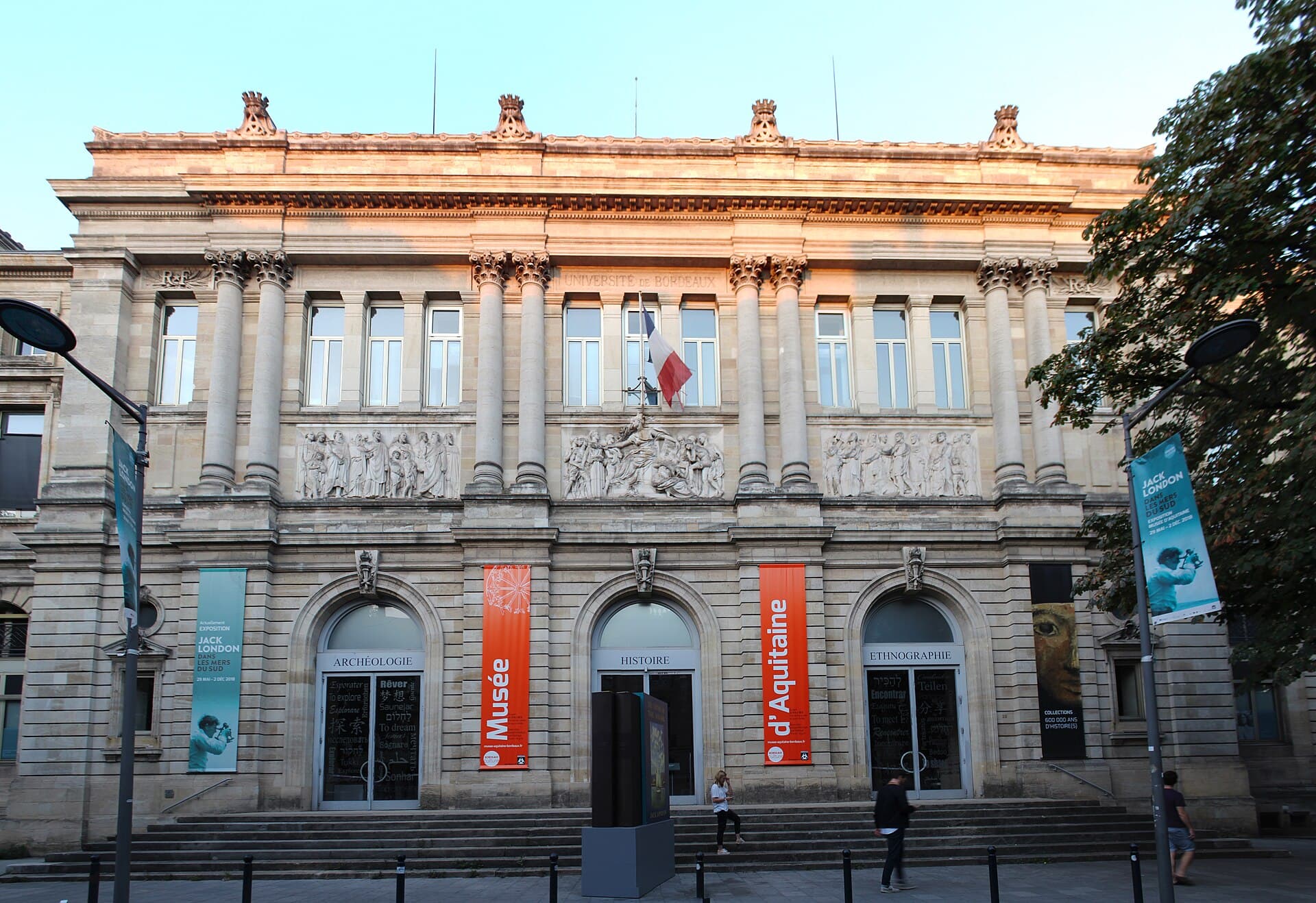 Musée d'AquitaineThe museum to start Bordeaux with, if you want to understand what you see afterw4 minutes walk4.6
Twelfth-century Europe's richest heiress — duchess of all Aquitaine — and its most powerful woman: queen of France, then of England, mother of kings including the Lionheart. Her second marriage handed south-west France to the English crown for three centuries, and Bordeaux itself flourished as England's wine city.
Cathedral first (free and short), then the tower for those wanting the view and stairs. Together with Place Pey-Berland and its cafés they make a perfect old-town midday.
Bordeaux has been a major station on the French pilgrimage roads to Saint James's tomb in Spain since the Middle Ages, and the cathedral's UNESCO listing comes under that file — you will notice the bronze scallop shells in the city's pavements marking the way.