
Roman Burdigala
Sculpture and mosaic from the city beneath the city.
Chabe01 — CC BY-SA 4.0 · FrDr — CC BY-SA 4.0 · FrDr — CC BY-SA 4.0 · FrDr — CC BY-SA 4.0
The museum to start Bordeaux with, if you want to understand what you see afterwards. The **Musée d'Aquitaine** tells the history of the city and its region from prehistory to the present in one continuous route. It opens with prehistoric material from the nearby Dordogne caves — among the richest areas in the world for stone-age art — then **Roman Burdigala** with its sculpture and mosaics, then the Middle Ages and the pilgrim road to Santiago, then the golden eighteenth century in which the stone city you walk through was built. What sets it apart from other city museums is that it **does not flatter**: it devotes a frank, documented section to the **transatlantic slave trade**, the truth on which a large part of Bordeaux's eighteenth-century wealth was built. This city's ships carried tens of thousands of human beings, and the museum sets that out with its names and its numbers rather than by implication — the strongest and most necessary part of the place. A section on the colonial empire and on modern Bordeaux completes it.
Sculpture and mosaic from the city beneath the city.
A documented reckoning with the source of 18th-century wealth.
Material from the nearby Dordogne caves.
20 Cours Pasteur, 33000 Bordeaux
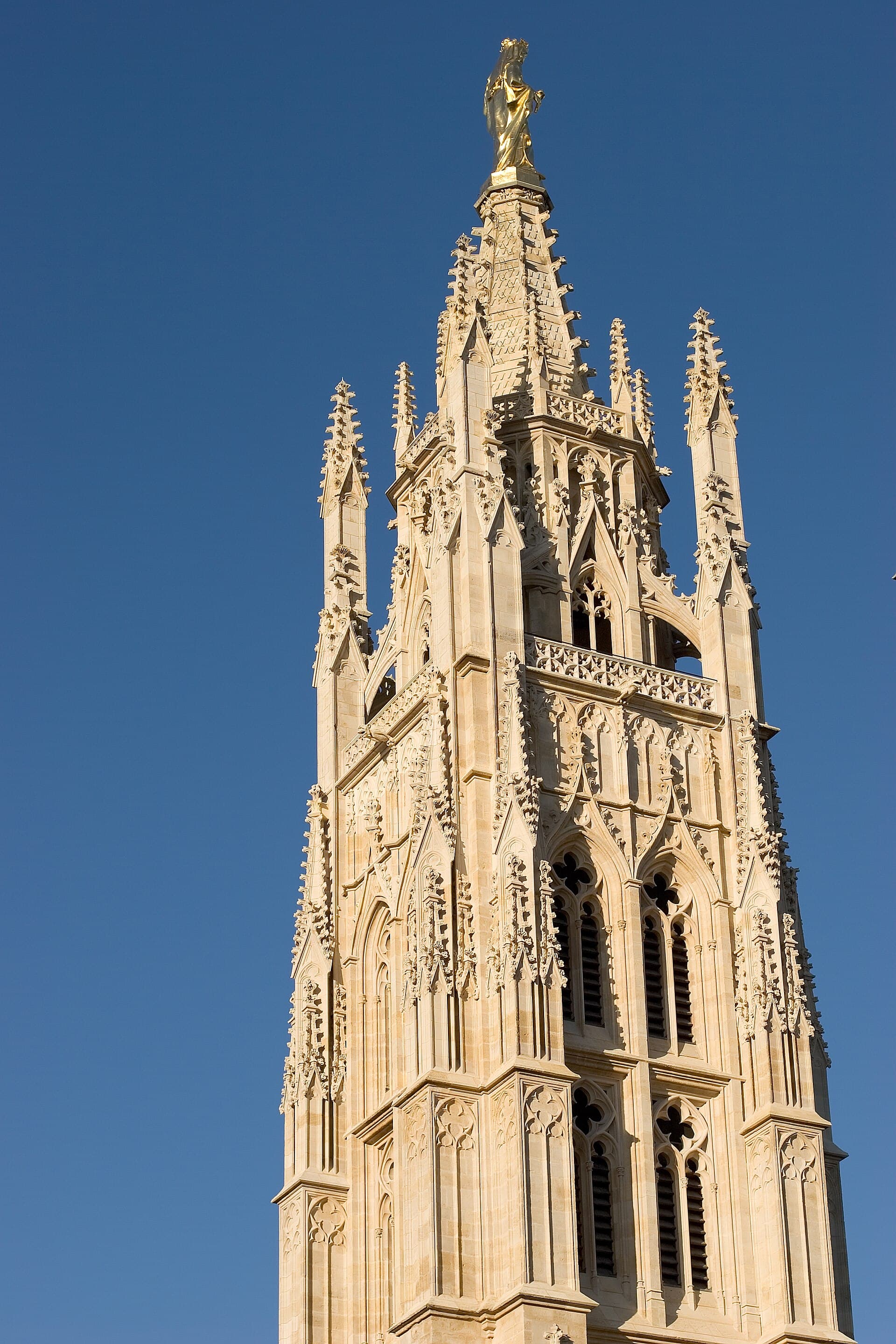 Pey-Berland TowerThe Pey-Berland is Bordeaux cathedral's bell tower — standing alone metres away 3 minutes walk4.6
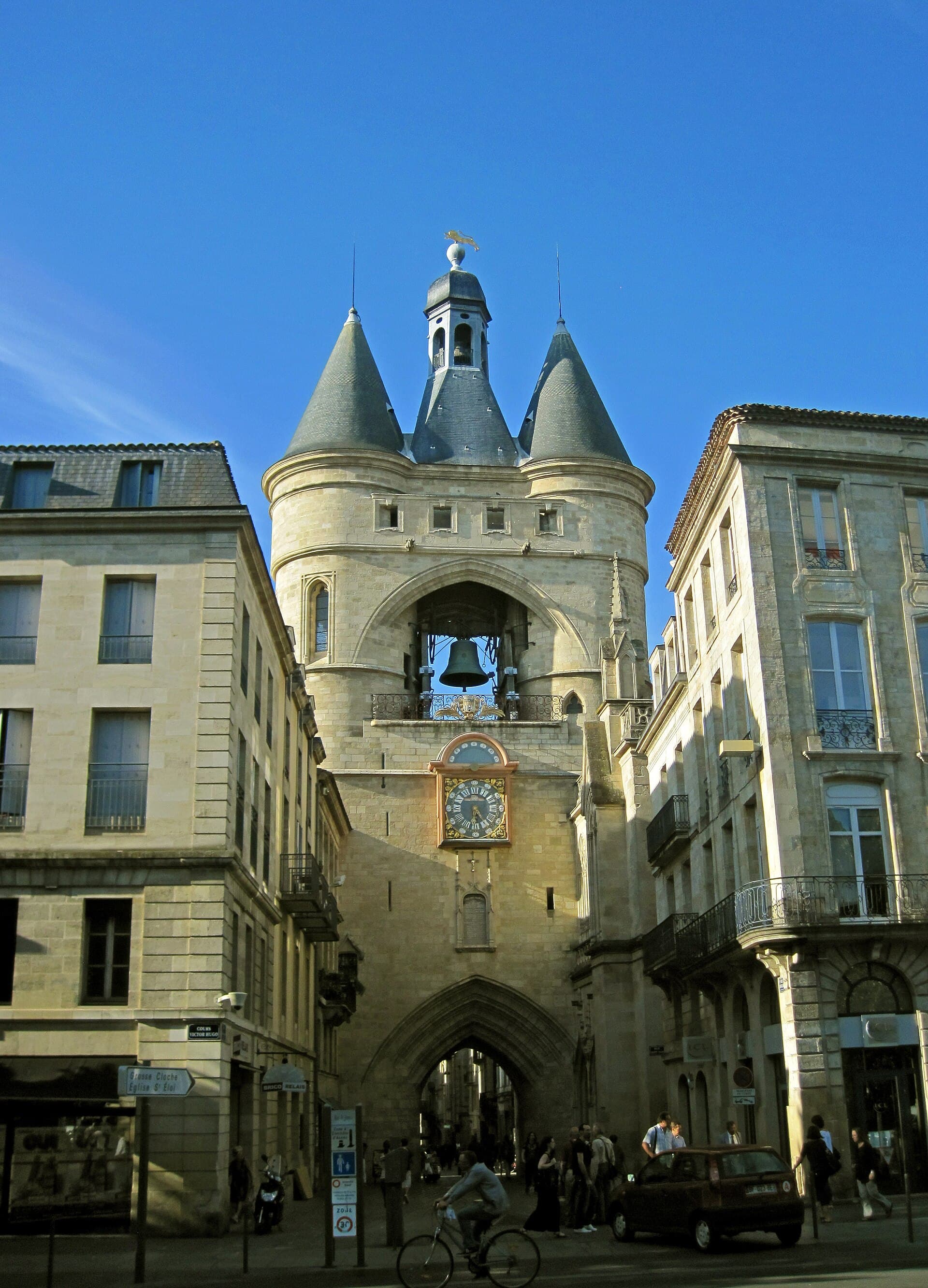 Grosse ClocheThe Grosse Cloche is the symbol Bordeaux loves best — you will find it on the ci4 minutes walk4.5
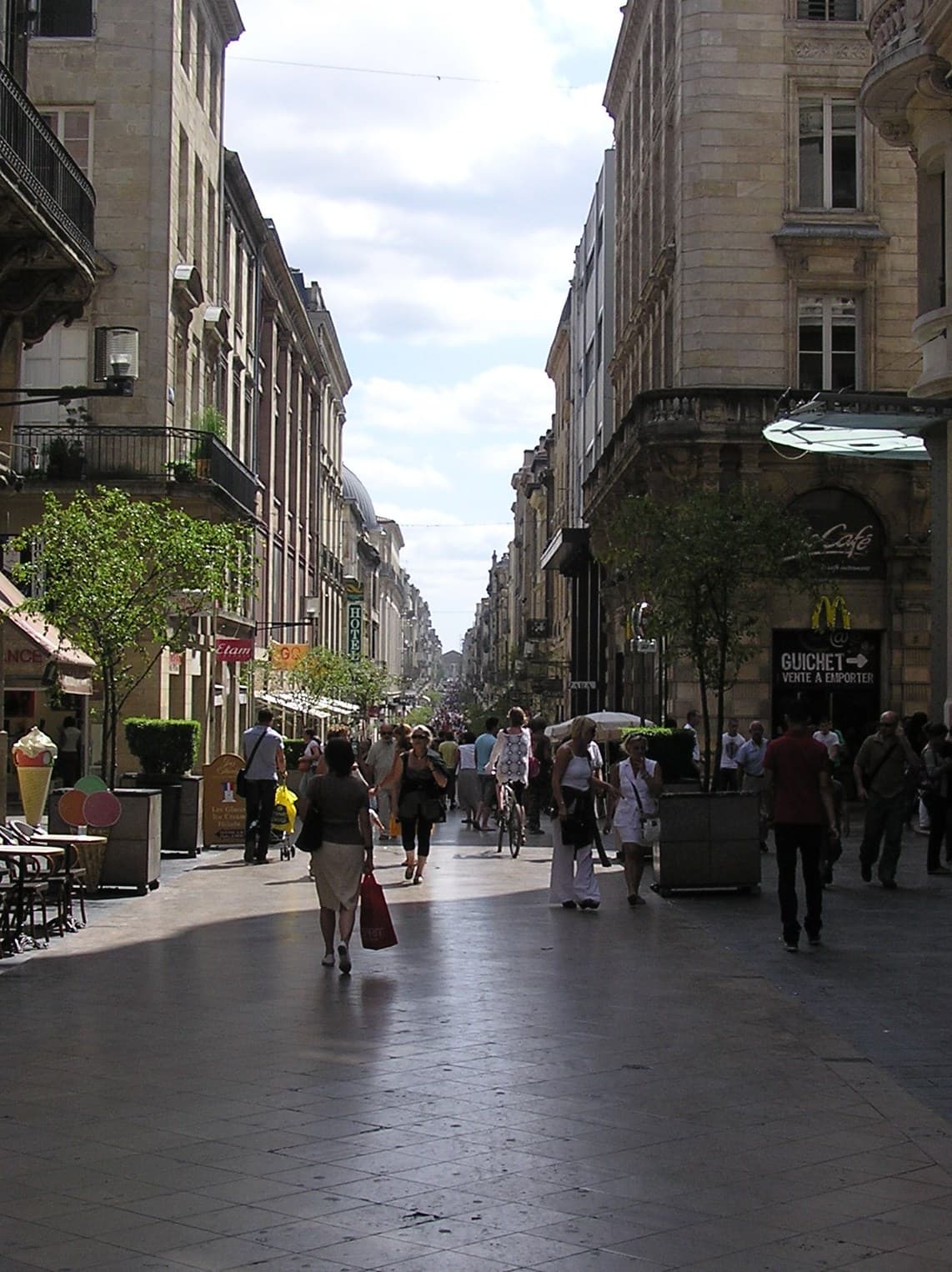 Rue Sainte-CatherineEurope's longest pedestrian shopping street, running about **1,200 metres** in a4 minutes walk4.2
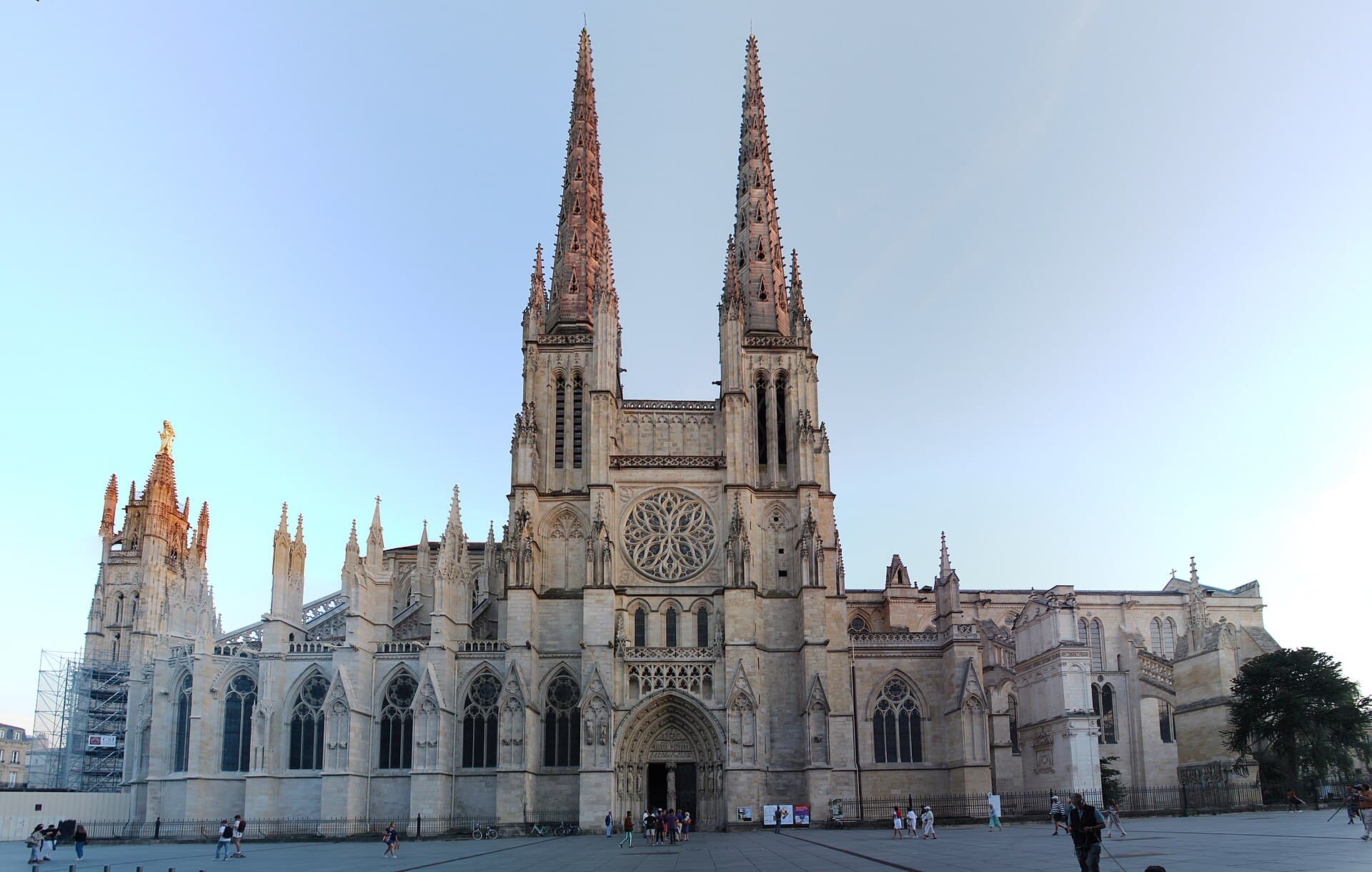 Bordeaux Cathedral (Saint-André)Bordeaux's cathedral witnessed two marriages that changed Europe: here Eleanor o4 minutes walk4.7
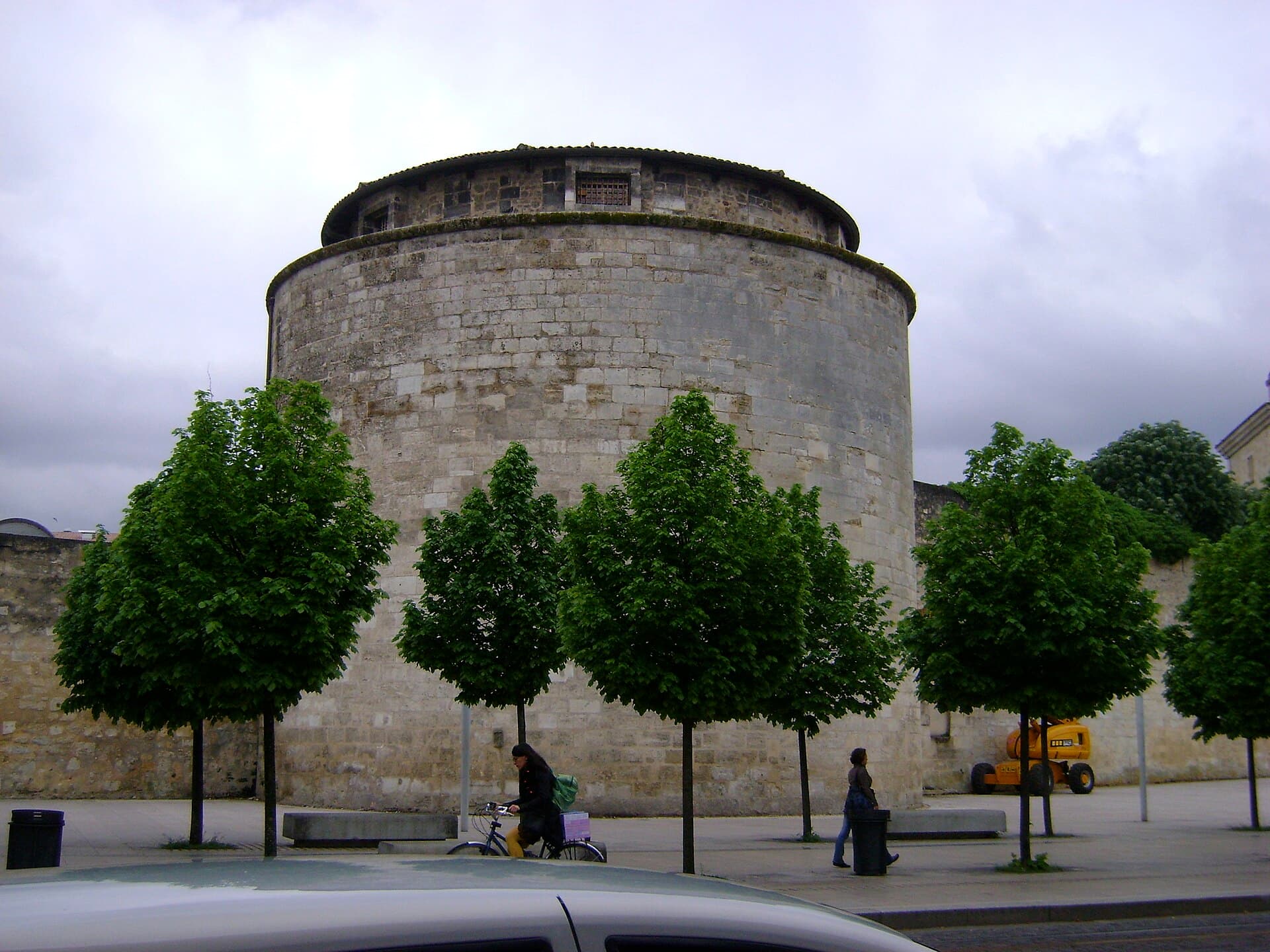 Fort du Hâ TowersTwo round stone towers are all that remains of the **Château du Hâ**, the fortre5 minutes walk3.7
**Before**, and clearly so. Bordeaux is a city whose shape is hard to read without its story: why all this matching yellow stone, where the eighteenth-century money came from, why the city turned its back on its river for centuries. The museum answers that in two hours, and you come out seeing the façades, the Place de la Bourse and the port differently. If you have two days in Bordeaux, make it the first morning.
School-age children, yes — especially the prehistory and Roman sections, where stone tools, mosaics and statues work well. Very young ones will be bored: the museum is large, text-heavy and detailed. The **slave-trade section** is heavy subject matter and needs preparation and explanation from you if you take a ten-year-old or older through it; it is presented seriously and without shocking imagery, but it is not content that passes without questions. Plan an hour and a half with them rather than two hours.