
The unexploded shell
The 1941 shell where it landed, inside the nave.
Jensens — Public domain · Avisadehh — CC0 · Avisadehh — CC0 · Unknown authorUnknown author — CC BY-SA 3.0
**A cathedral striped in black and white, with an unexploded British naval shell standing in its nave — where it has been since 1941** — at the heart of old Genoa. Built from the **12th century**, its front is **Gothic in bands of white and black marble** — **a Genoese mark**: striped marble was a **privilege** permitted only to particular families. ⚠ **On 9 February 1941 the Royal Navy bombarded Genoa**: **a shell pierced the cathedral roof, landed in the nave and failed to explode**. ✅ **It has been left where it fell**, with a plaque explaining — **and it is on display inside the church to this day**. ✅ **In the treasury museum below**: the **Sacro Catino** — a green glass dish long believed to be the Holy Grail, **taken by Napoleon and returned broken**. ⚠ **The two marble lions** at the steps are emblems of the city.
The 1941 shell where it landed, inside the nave.
Black and white marble, with two lions at the steps.
A green glass dish in the underground treasury.
Piazza San Lorenzo, 16123 Genoa, Italy
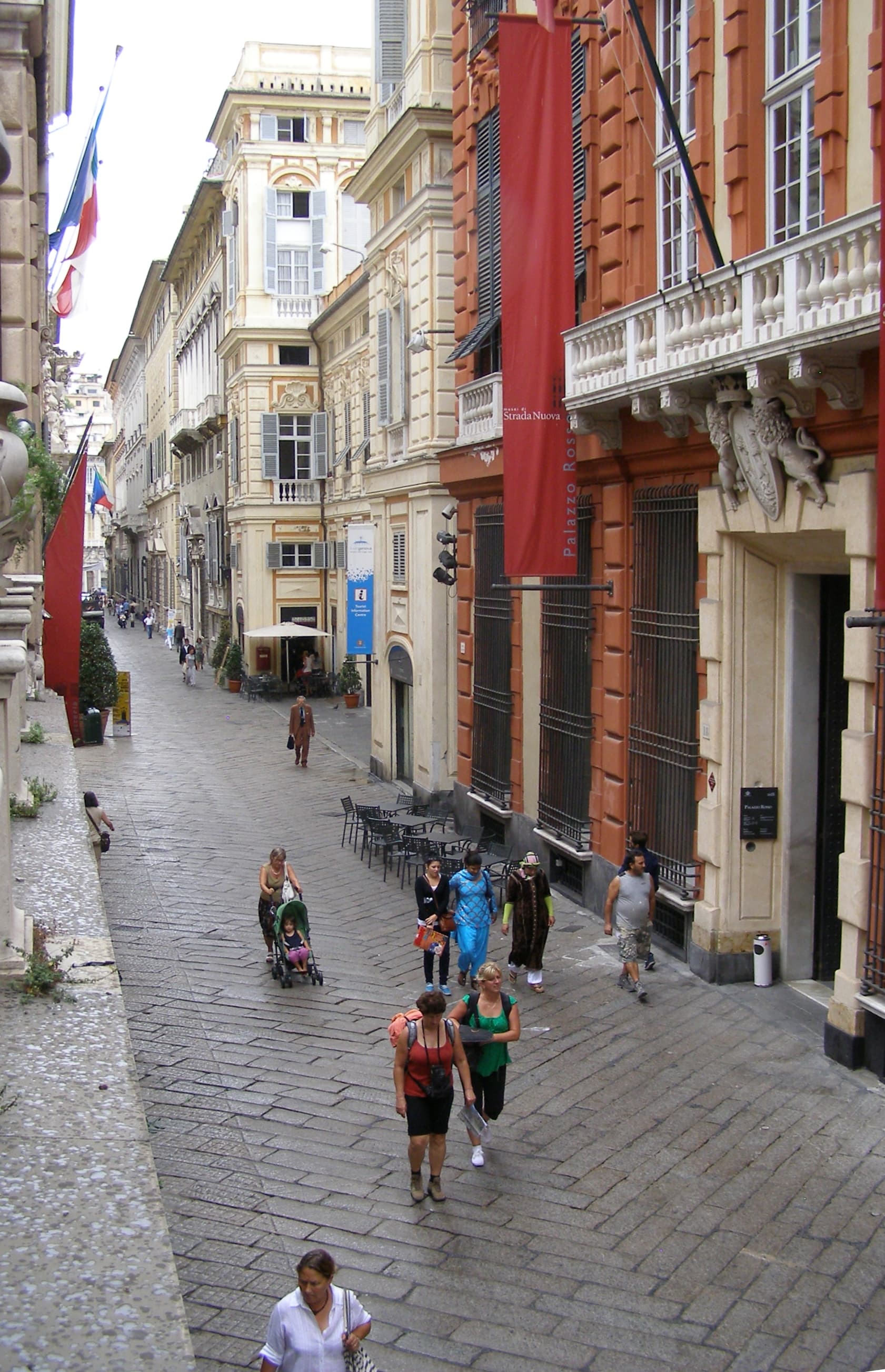 The Palazzi dei Rolli**A single street of palaces where the state lodged its official guests by drawi5 minutes walk
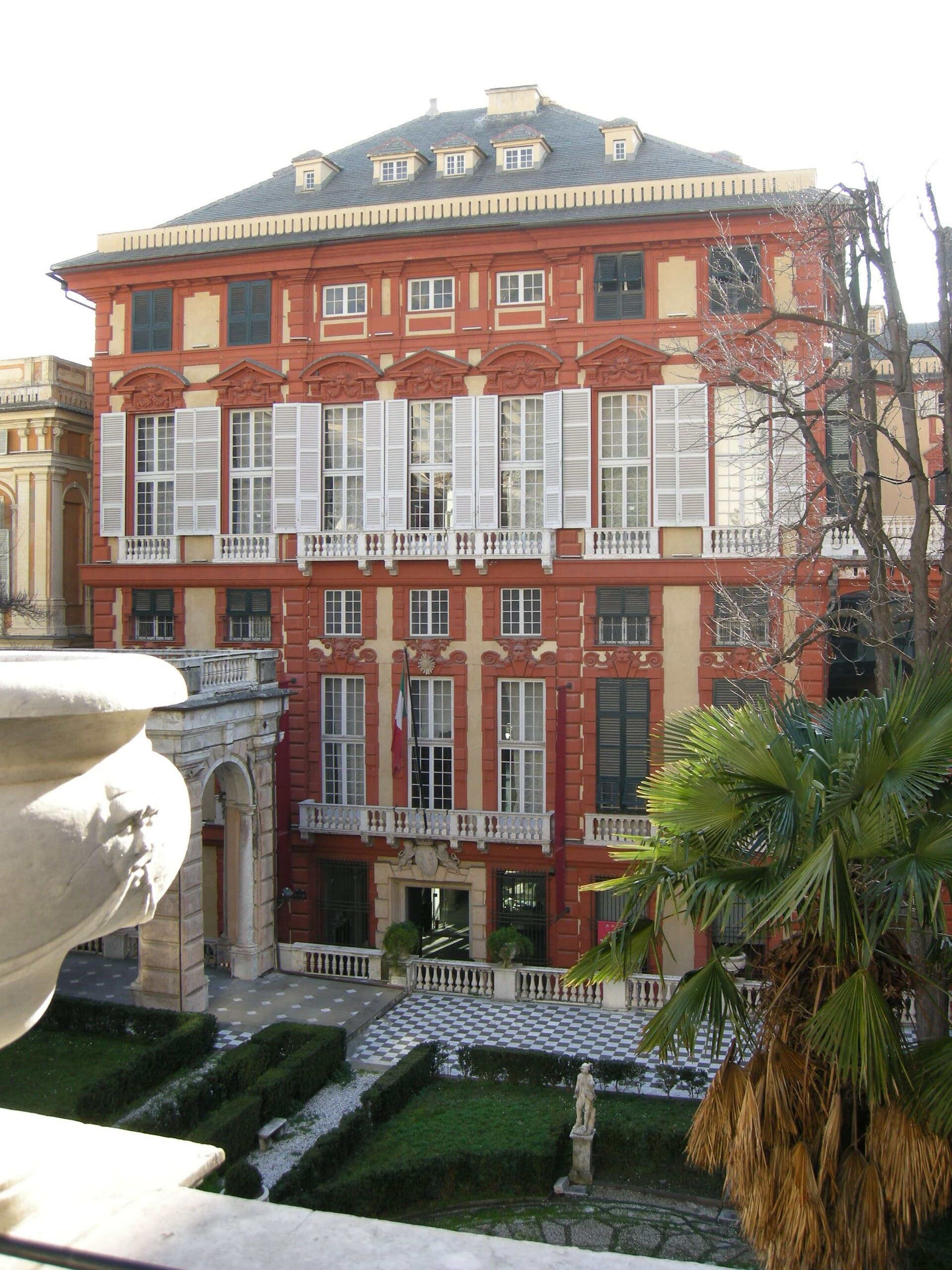 Palazzo Rosso**A red palace of the Rolli, holding Van Dyck's portraits of the family that bui5 minutes walk4.5
 Genoa Aquarium**Italy's largest aquarium and one of Europe's biggest — and the most visited at6 minutes walk4.5
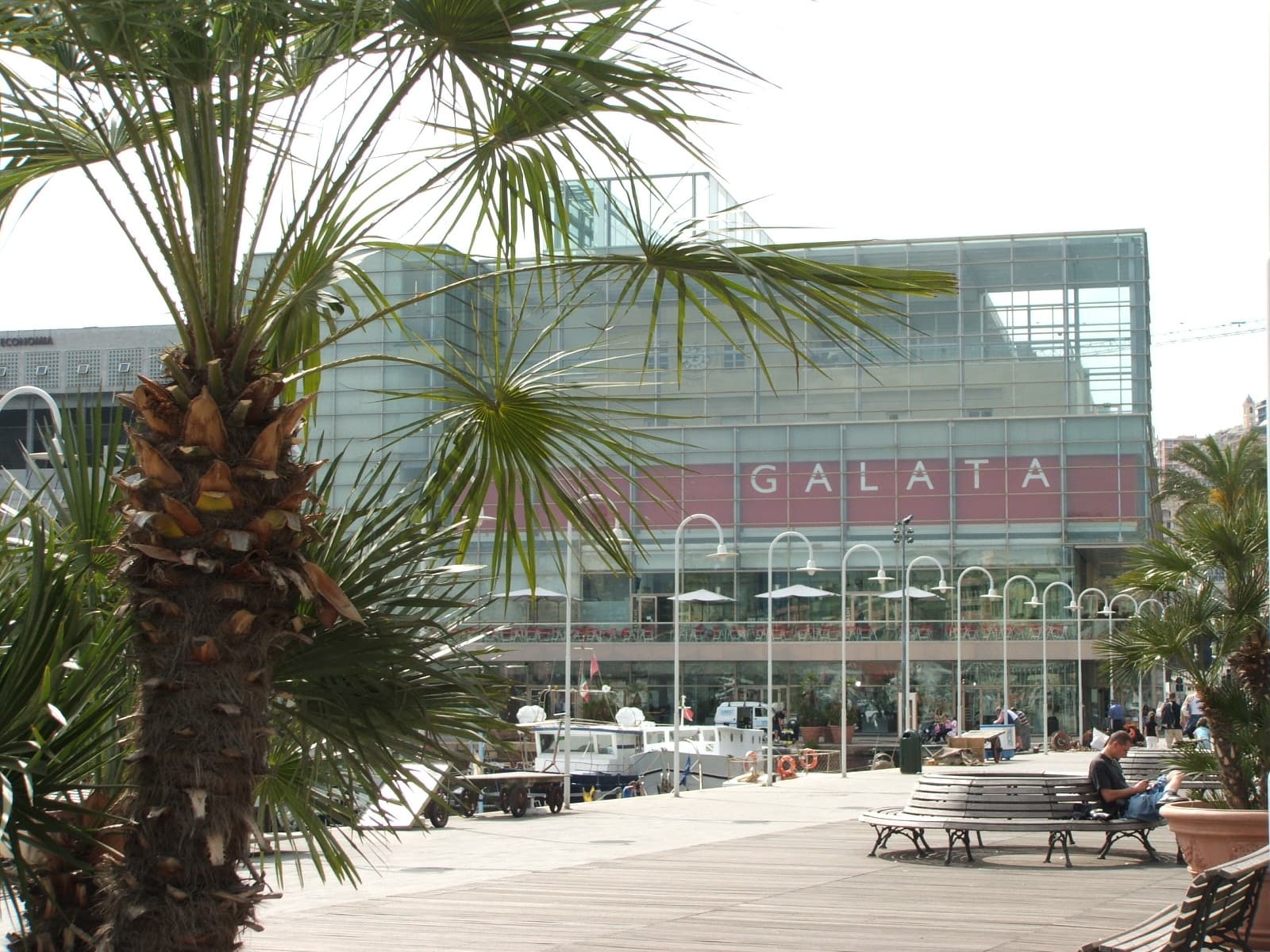 Galata Maritime Museum**The largest maritime museum in the Mediterranean — with a full-size galley and12 minutes walk4.4
**Genoa's old lanes — Europe's largest and densest historic centre — and yes, but knowingly.** ✅ **What they are**: the **caruggi** are very narrow alleys — some **a metre and a half wide** — forming **the largest medieval city centre in Europe** by contiguous area. **The buildings are very tall and the lanes narrow**, ⚠ **so the sun does not reach the bottom for most of the day**. ✅ **What is in them**: **old craftsmen's shops**, **focaccia bakeries** (Genoa's distinctive bread), **fresh pasta and pesto** — **the best and cheapest food in the city** — **and small churches and hidden palaces behind ordinary doors**. ⚠ **What to know**: **some lanes — particularly near the port at night — have a worse reputation than others**; ✅ **and the simple practical rule**: **lively, lit lanes with people and open shops are fine**, ⚠ **empty dark lanes at night are avoided** — which is true in any large city. ✅ **Daytime is an entirely different place** from night here. ⚠ **And you will get lost** — **maps struggle** between the tall buildings; ✅ **which is part of the pleasure**, but pin your hotel.