
The Van Dyck portraits
The Brignole Sale family in their own house.
sailko — CC BY-SA 3.0 · Ddgfoto — CC BY-SA 4.0 · Ddgfoto — CC BY-SA 4.0 · Eocce — CC BY-SA 4.0
**A red palace of the Rolli, holding Van Dyck's portraits of the family that built it, and a roof terrace over the whole city** — on Via Garibaldi. The **Brignole Sale** banking family built it in the 17th century, ⚠ **and its red colour is its name** — distinguishing it from **Palazzo Bianco**, the white one, facing it across the street. ✅ **Its treasures are Anthony van Dyck's portraits**: the Flemish painter portrayed **members of the Brignole Sale family** during his years working in Genoa in the 1620s — ⚠ **and they hang in the palace built for them**, **in the same place**. **Which is very rare.** ✅ **The upper floors are frescoed** with the seasons and the heavens. ✅ **And from its open roof** there is a view over Genoa's rooftops and the harbour.
The Brignole Sale family in their own house.
A view over Genoa's roofs and harbour from the top.
Frescoes of the seasons and the heavens upstairs.
Via Garibaldi 18, 16124 Genoa, Italy
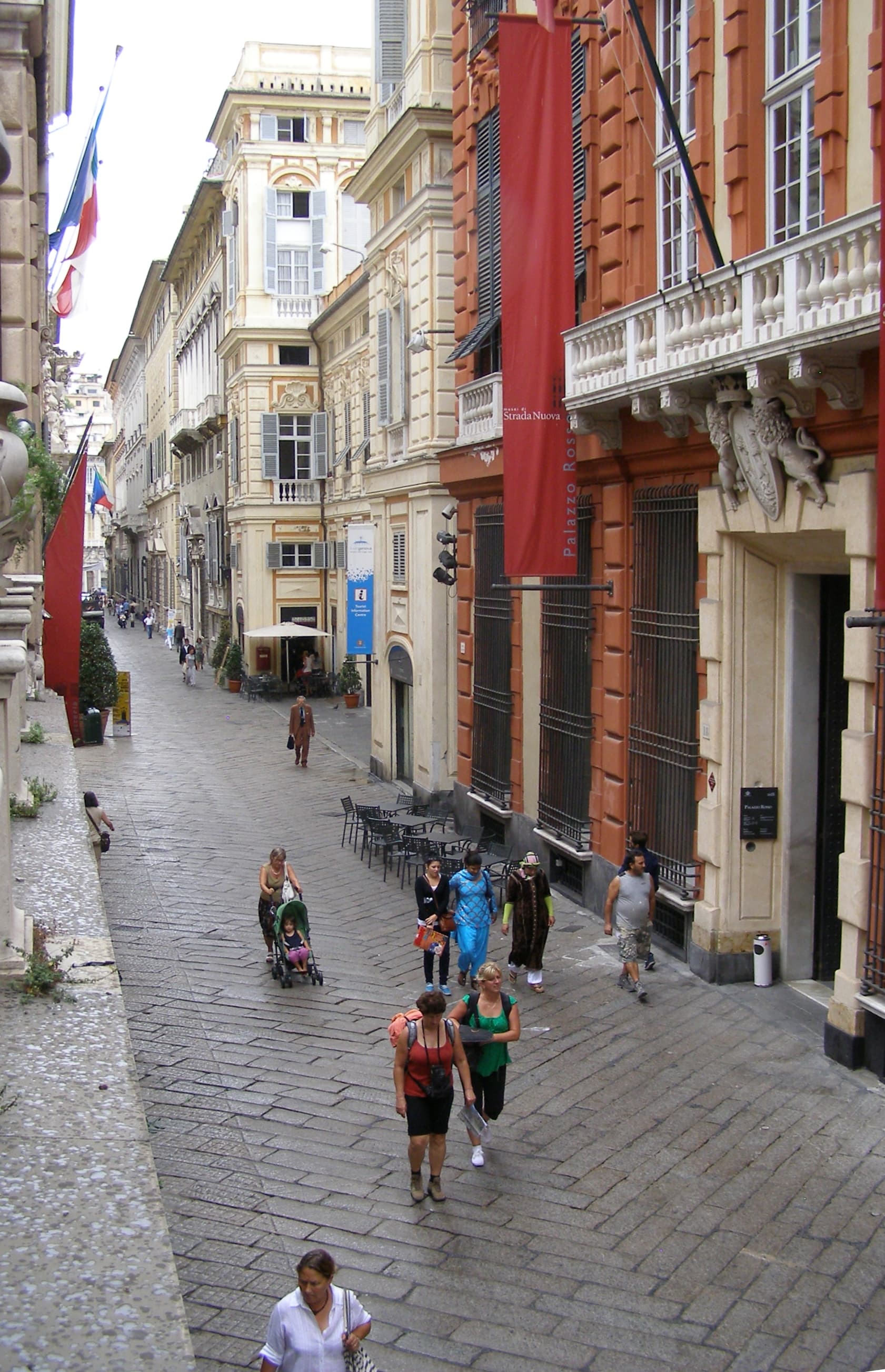 The Palazzi dei Rolli**A single street of palaces where the state lodged its official guests by drawi1 minute walk
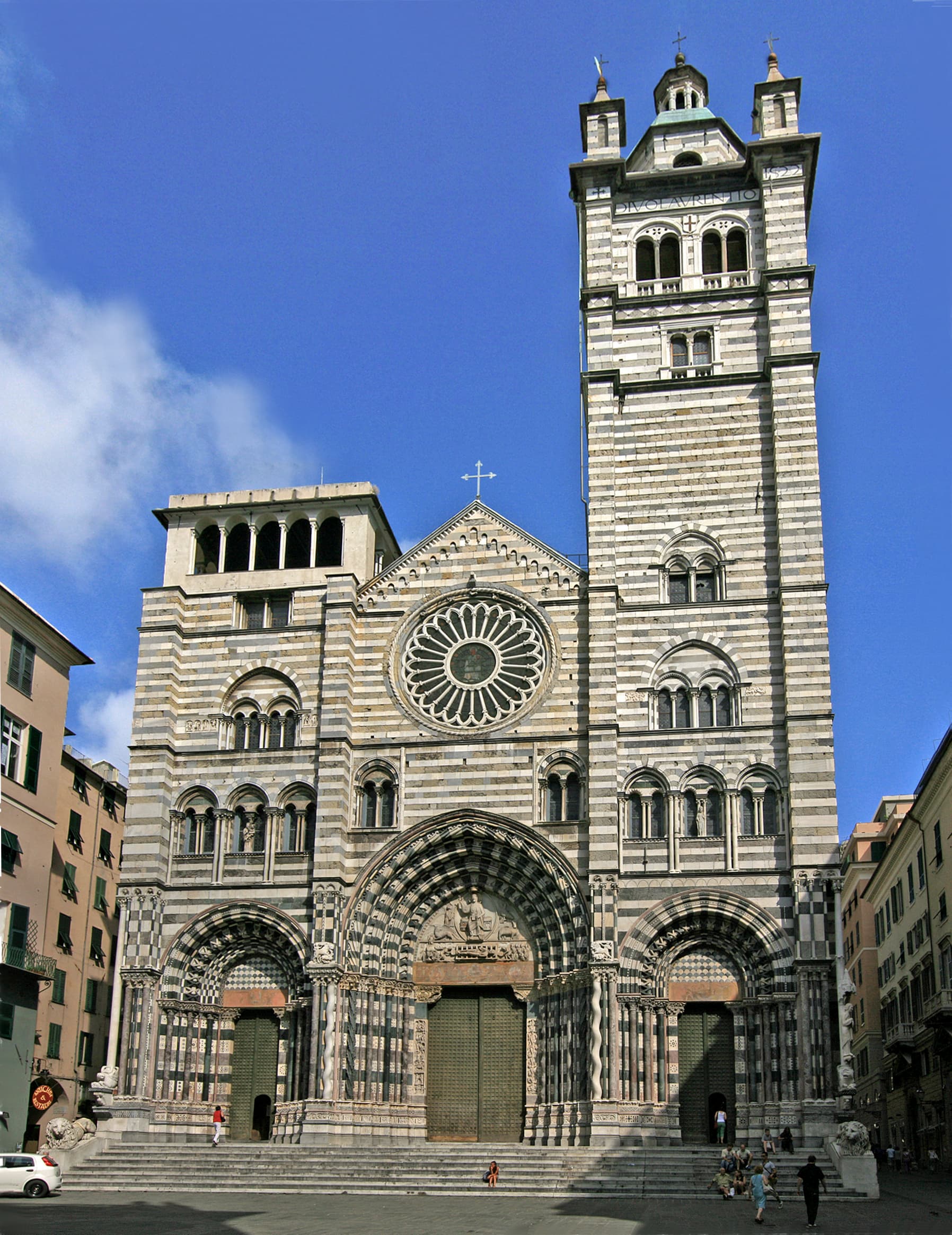 Cathedral of San Lorenzo**A cathedral striped in black and white, with an unexploded British naval shell5 minutes walk4.7
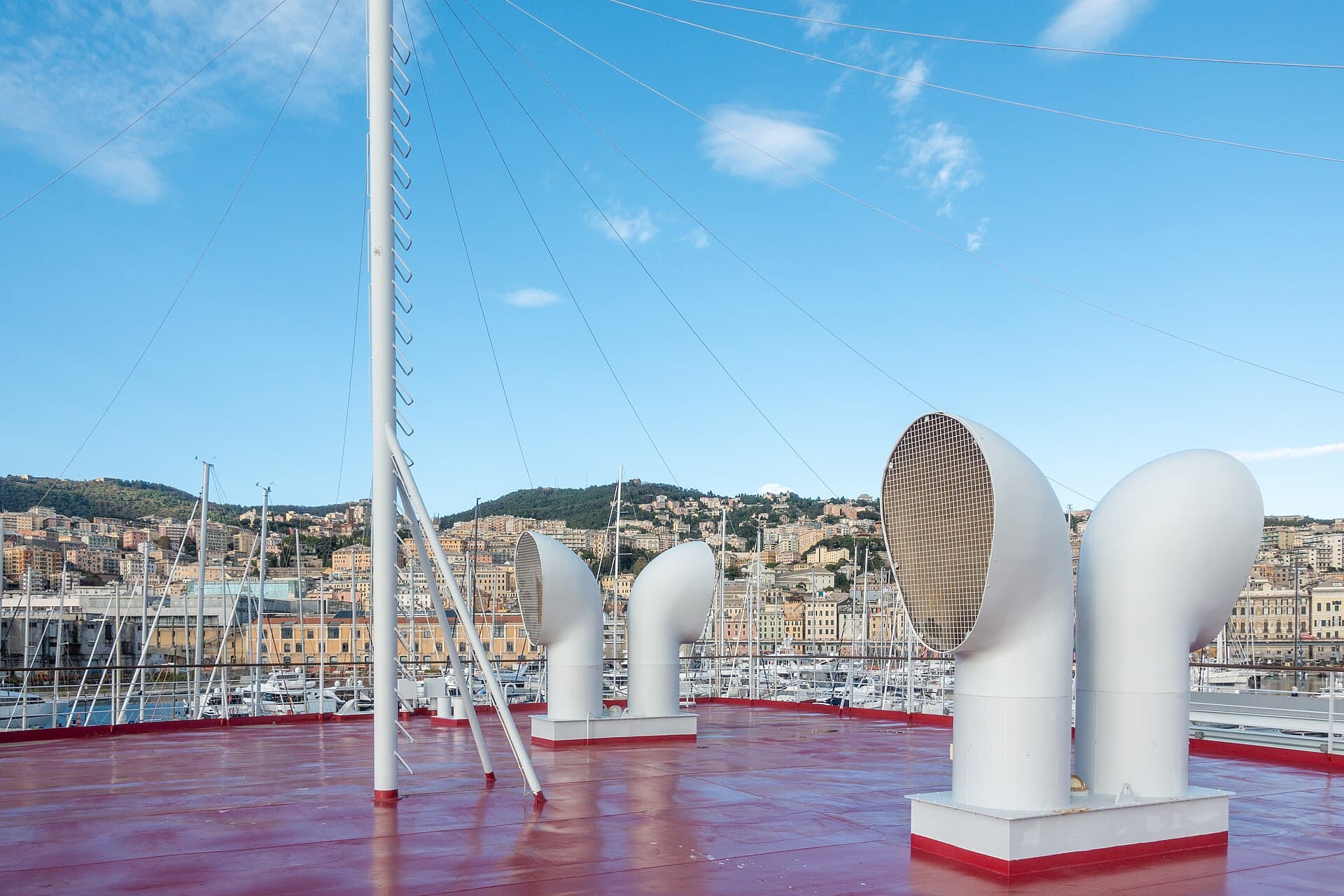 Genoa Aquarium**Italy's largest aquarium and one of Europe's biggest — and the most visited at6 minutes walk4.5
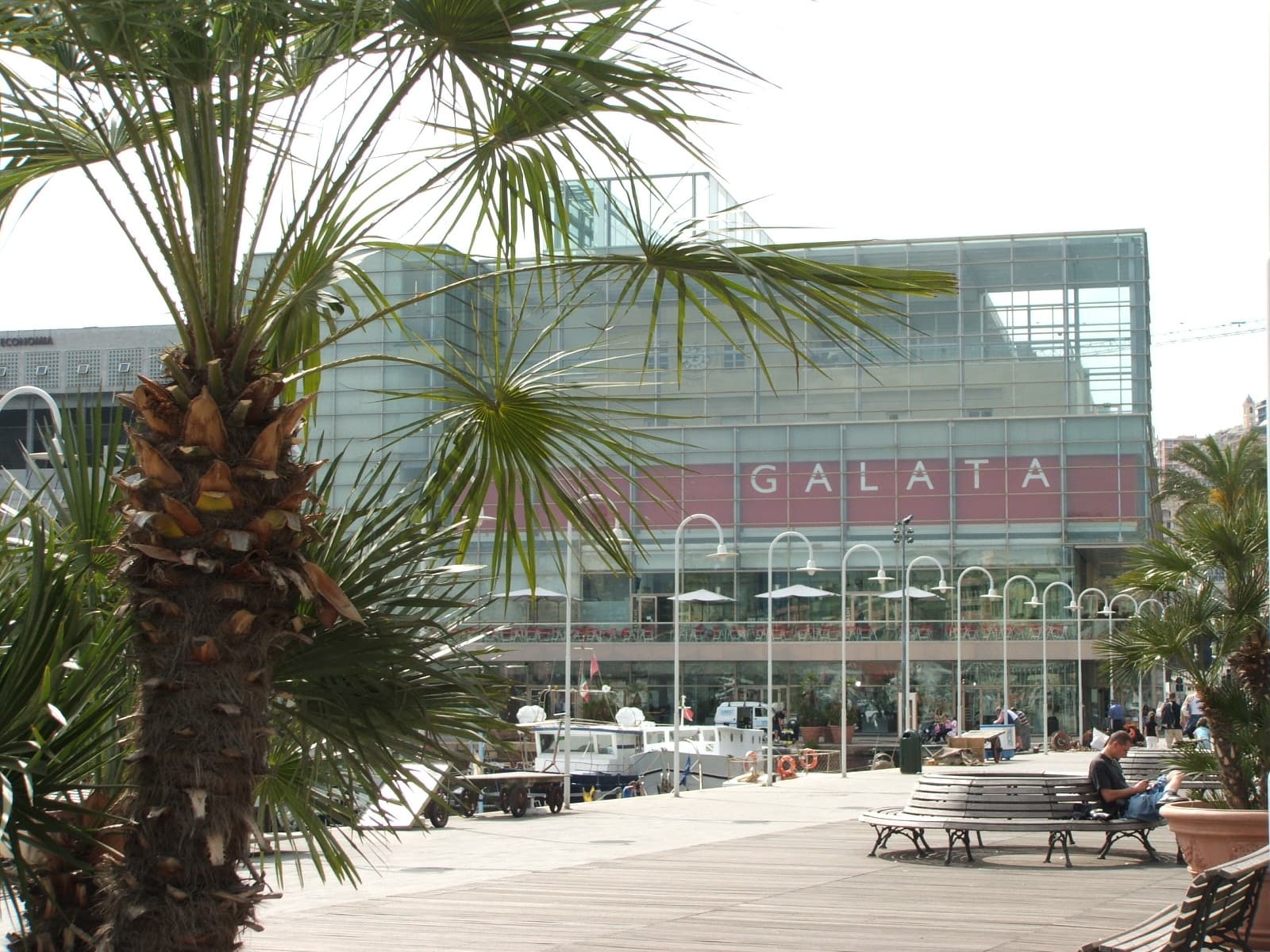 Galata Maritime Museum**The largest maritime museum in the Mediterranean — with a full-size galley and10 minutes walk4.4
**Because its nobles were Europe's richest clients — and they wanted pictures to match their standing.** ✅ **The context**: Genoa in **its «century»** (about 1550–1650) was **the financial centre funding the Spanish crown**, **and its banking families were among the wealthiest people in Europe**. ⚠ **But it was a merchants' republic, not a royal court** — **so it had no established tradition of grand state portraiture**. ✅ **The need**: these families wanted **images asserting their standing in a European visual language** — **full-length portraits**, **a confident stance**, **silk and fabric displaying wealth**, **an architectural setting**. ✅ **And Van Dyck**: he reached Genoa around **1621**, a young man newly out of **Rubens's** workshop in Antwerp, ⚠ **and stayed about six years**, travelling in Italy. **He painted dozens of its nobles.** ✅ **What he developed there**: **the aristocratic portrait manner** that became his signature — **slender figures, elegant relaxed poses, a calm hauteur, and slightly elongated proportions that add stature**. ⚠ **And that manner is what he took to England** when he became painter to **Charles I** — **so the image of the English aristocracy as we know it was born in Genoa**.