
Via Garibaldi
An unbroken row of palaces along one paved street.
Andrzej Otrębski — CC BY-SA 3.0 · Sjaak Kempe from Groningen, The Netherlands — CC BY 2.0 · Zairon — CC BY-SA 4.0 · Zairon — CC BY-SA 4.0 · Al*from*Lig — CC BY-SA 4.0
**A single street of palaces where the state lodged its official guests by drawing lots** — a World Heritage site at the heart of Genoa. ⚠ **The system was strange and unique**: **the Republic of Genoa had no official guest palace**. **So it drew up lists — the *rolli* — of the nobles' private palaces**, **graded in three classes by grandeur**, ⚠ **and when an official guest arrived, the palace that would host them was drawn by lot** according to their rank. **Hospitality was a public duty laid on private property.** ✅ **The result was an architectural arms race**: **nobles built deliberately grander palaces to qualify for the top class** — **and the Strada Nuova (Via Garibaldi) became an unbroken row of them**. ✅ **Three are museums today**: **Bianco**, **Rosso** and **Tursi**. ⚠ **The street itself is free.**
An unbroken row of palaces along one paved street.
A museum with Van Dycks and a roof terrace over the city.
Frescoed, marbled entrance halls you may look into.
Via Garibaldi, 16124 Genoa, Italy
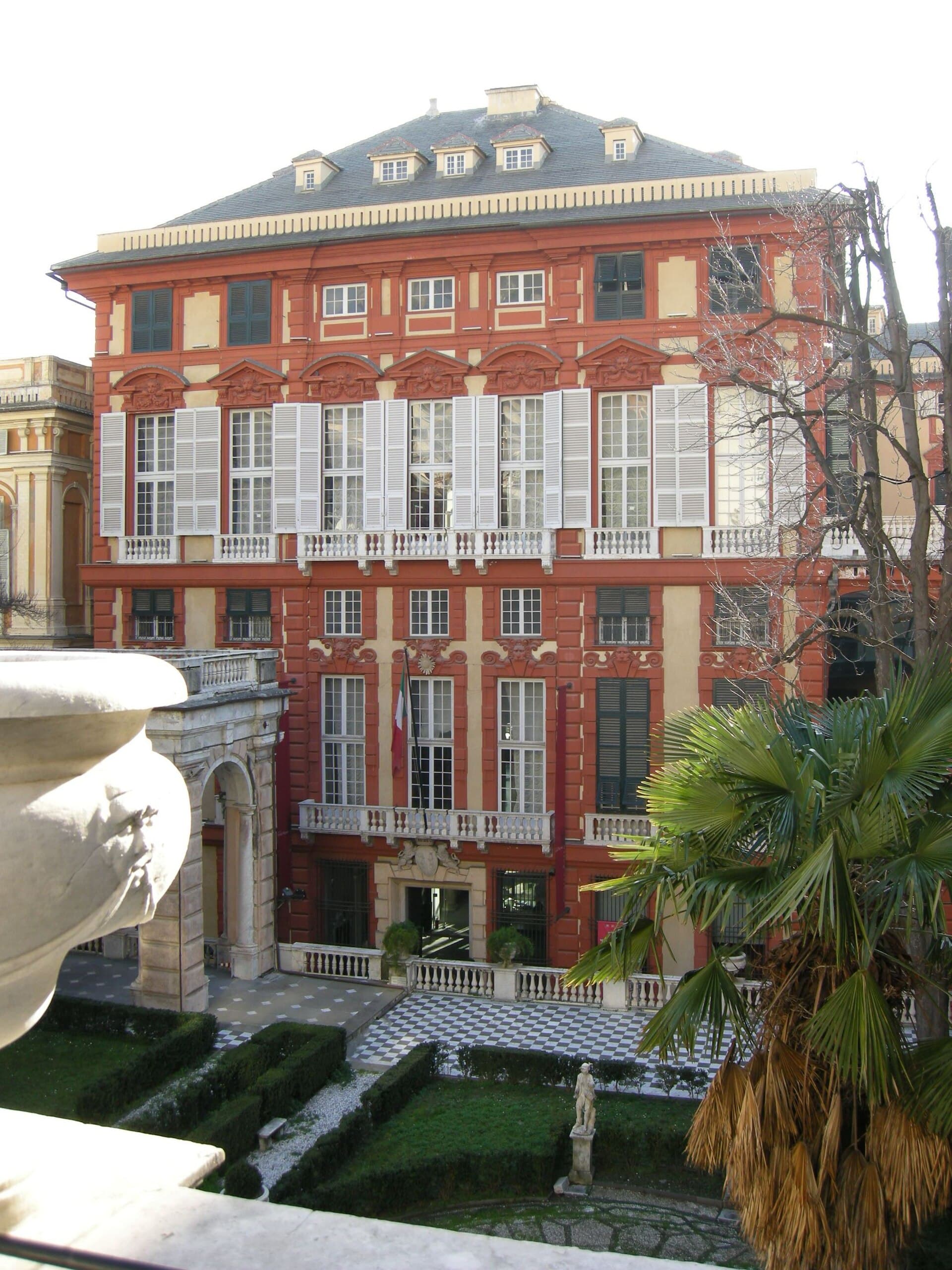 Palazzo Rosso**A red palace of the Rolli, holding Van Dyck's portraits of the family that bui1 minute walk4.5
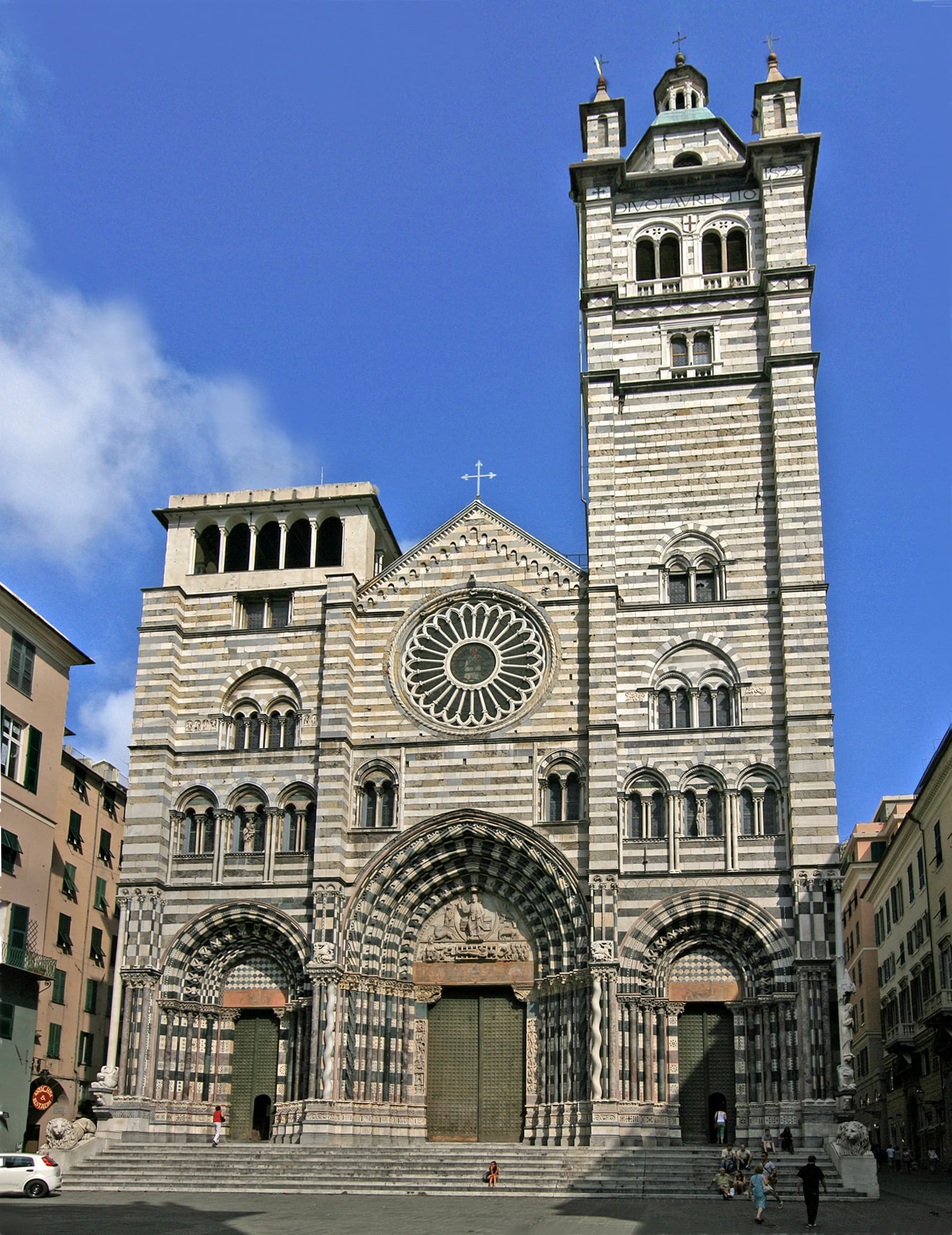 Cathedral of San Lorenzo**A cathedral striped in black and white, with an unexploded British naval shell5 minutes walk4.7
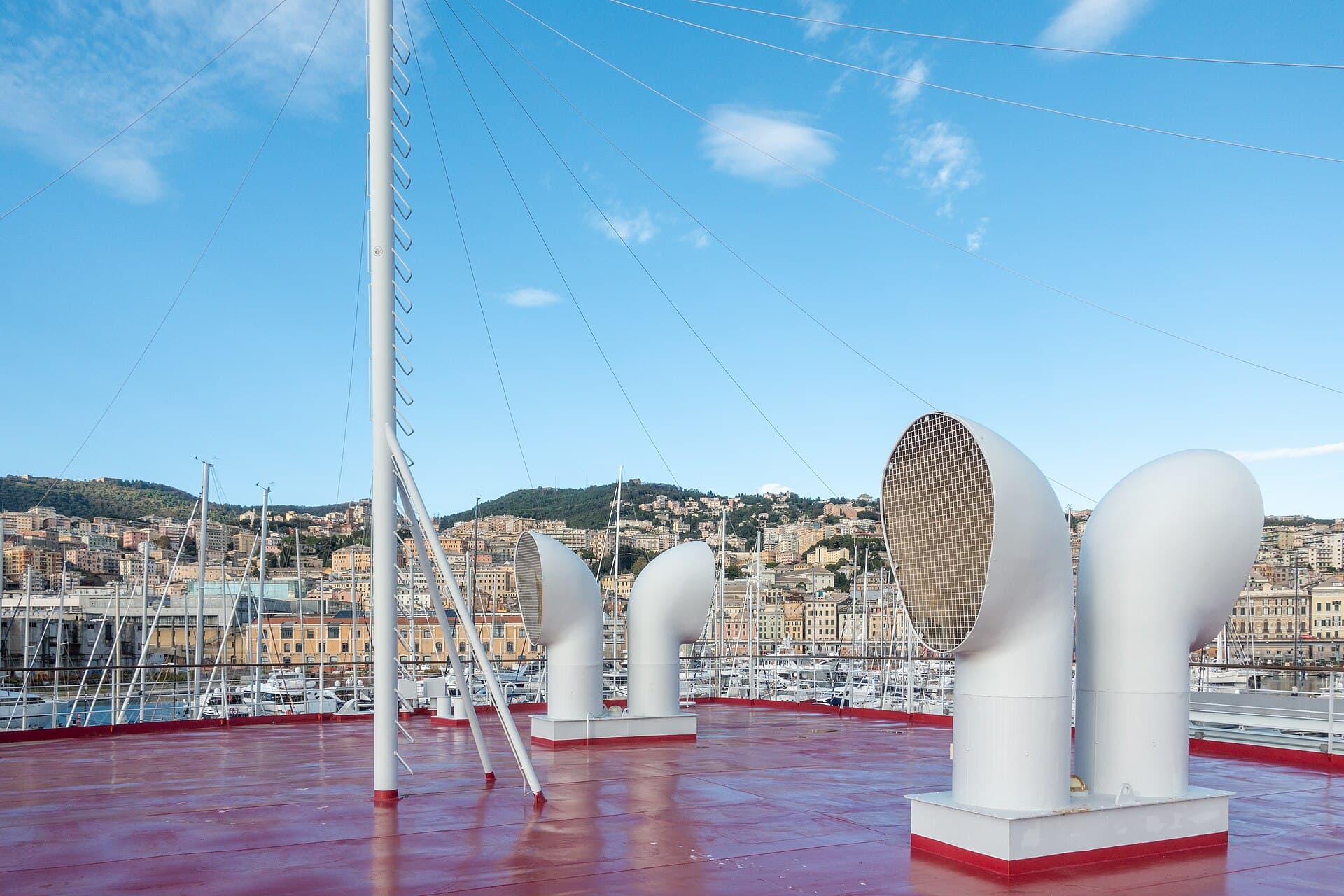 Genoa Aquarium**Italy's largest aquarium and one of Europe's biggest — and the most visited at6 minutes walk4.5
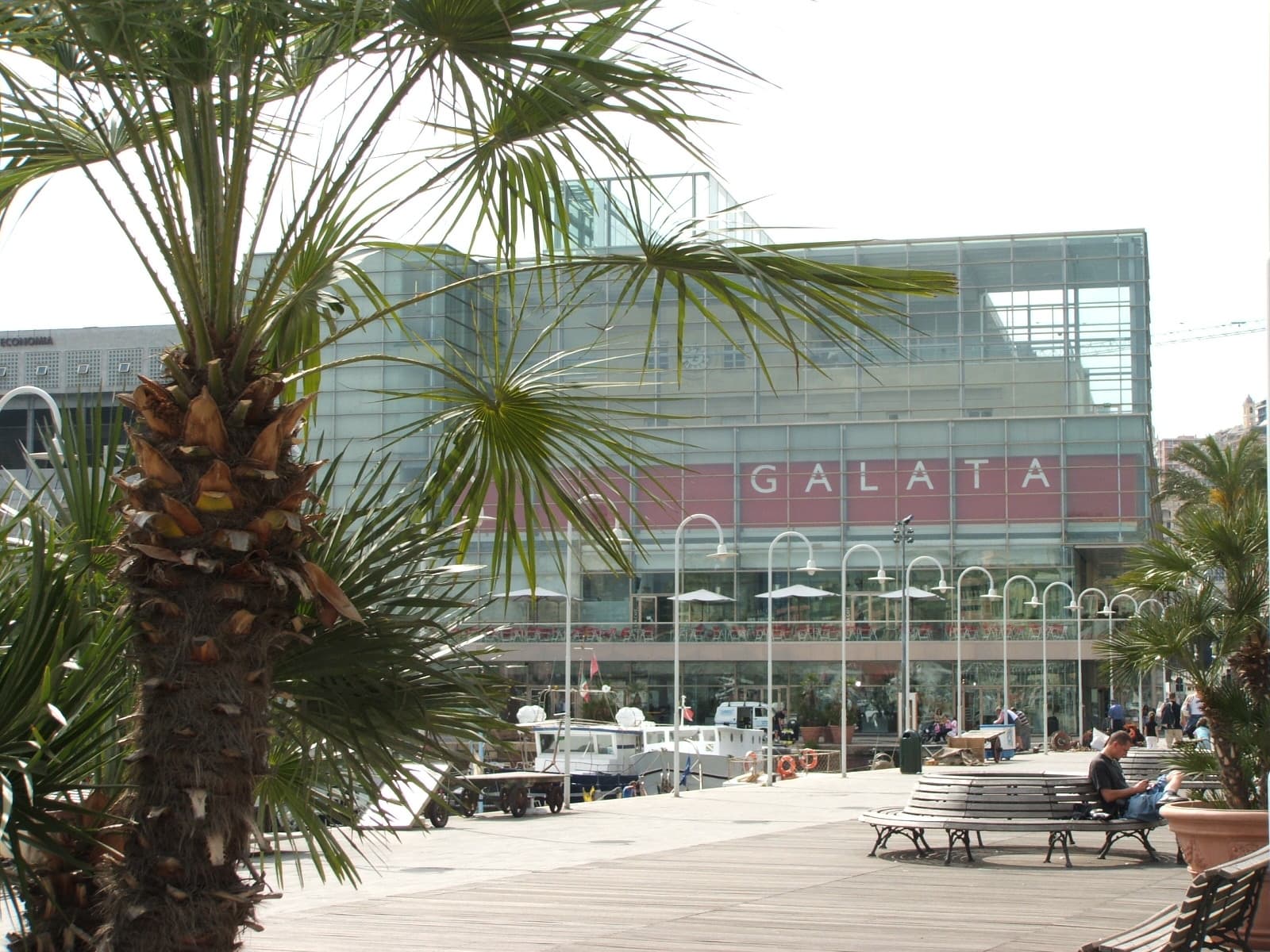 Galata Maritime Museum**The largest maritime museum in the Mediterranean — with a full-size galley and10 minutes walk4.4
**Because it was a maritime republic and then became Europe's bank — and the palaces are a result of the second more than the first.** ✅ **Phase one — the sea**: **Genoa** was one of the four **maritime republics** (with Venice, Pisa and Amalfi), **and its fleet dominated western Mediterranean and Black Sea trade** in the Middle Ages, **with colonies** from Corsica to Crimea. ⚠ **Then it lost to Venice** and declined commercially. ✅ **Phase two — money**: **Genoa turned from trade to finance**. **In the 16th century Genoese bankers became the principal financiers of the Spanish crown** — **so American silver reached Seville and then passed through Genoa** to service Spain's debts and fund its wars. ✅ **This is the money that built the palaces**: **the «Genoese century» (about 1550–1650)** — **when a handful of families handled a financial flow the size of an empire's**. ⚠ **Hence the scale**: **these are not merchants' palaces but the palaces of a state's bankers**. ⚠ **Then the system collapsed** with Spain's repeated bankruptcies, **and Genoa withered** — ✅ **and the palaces survive because nobody afterwards could afford to demolish them and build grander**.