
The Cuciniello crib
Naples' most famous nativity scene, hundreds of pieces staged in a grotto built specially for it, under lighting that cycles from dawn to night.
Pinotto992 — Public domain · Giuseppe Guida — CC BY-SA 4.0 · Giuseppe Guida — CC BY-SA 4.0 · Giuseppe Guida — CC BY-SA 4.0
From the terrace here you get all of Naples at once: the bay, Vesuvius, and the roofs of the old city stacked like scattered paper. The irony is that the monks who owned this view had taken vows of silence and withdrawal from the very world spread out beneath them. The Certosa di San Martino was founded in 1325 for the Carthusians on the Vomero hill, next door to Castel Sant'Elmo, and rebuilt across the 16th and 17th centuries by Giovanni Antonio Dosio and then Cosimo Fanzago in Neapolitan Baroque at its most unrestrained — less a house of austerity than an architectural manifesto. The church is the first shock. Barely a hand's width of plain white marble survives: Fanzago sheathed the walls in coloured marble inlay worked with a goldsmith's precision, and above it hang Ribera, Luca Giordano and Massimo Stanzione. From there the routes fan out — the Great Cloister with its white colonnade and the monks' small burial plot in one corner, the Prior's apartments looking straight down the bay, the naval section with its royal barges, and the room holding the Tavola Strozzi, the 15th-century panel that shows Naples as it actually looked before the city changed shape. What Neapolitans themselves come for, though, is the Cuciniello crib: the most famous nativity scene in a city that invented the form, hundreds of pieces — shepherds, animals, vendors and an entire market's worth of detail — given to the museum by the collector Michele Cuciniello in 1879 and staged in a grotto built specially for it inside the monastery's old service quarters. The lighting cycles from dawn to night, and children stand in front of it far longer than they stand in front of any painting in the building. Travelling with young ones, start here and finish in the terraced gardens, not the other way round. Getting up is part of the story. Take a funicular or Line 1 metro to Vanvitelli, then a short but genuinely steep walk; anyone who tries the climb on foot from the old centre in summer will regret it. The Certosa closes on Wednesdays, entry is only six euros and needs no advance booking, but individual sections sometimes shut without notice for lack of staff — ask at the ticket desk what is open today before you plan your route. Doors shut at 17:00 and the last tickets go at 16:00, so make it a morning; allow two hours minimum, three if you care about painting. The Vomero itself is quieter, cleaner and easier on your pockets than the centre, with reasonably priced restaurants, though halal options are thinner here than around the central station.
Naples' most famous nativity scene, hundreds of pieces staged in a grotto built specially for it, under lighting that cycles from dawn to night.
Walls sheathed in coloured marble inlay beneath canvases by Ribera and Luca Giordano, the richest single room the Neapolitan Baroque produced.
The view many people rate the best in Naples, over the bay to Vesuvius, and effectively free once you are inside.
Largo San Martino 5, Vomero, 80129 Naples
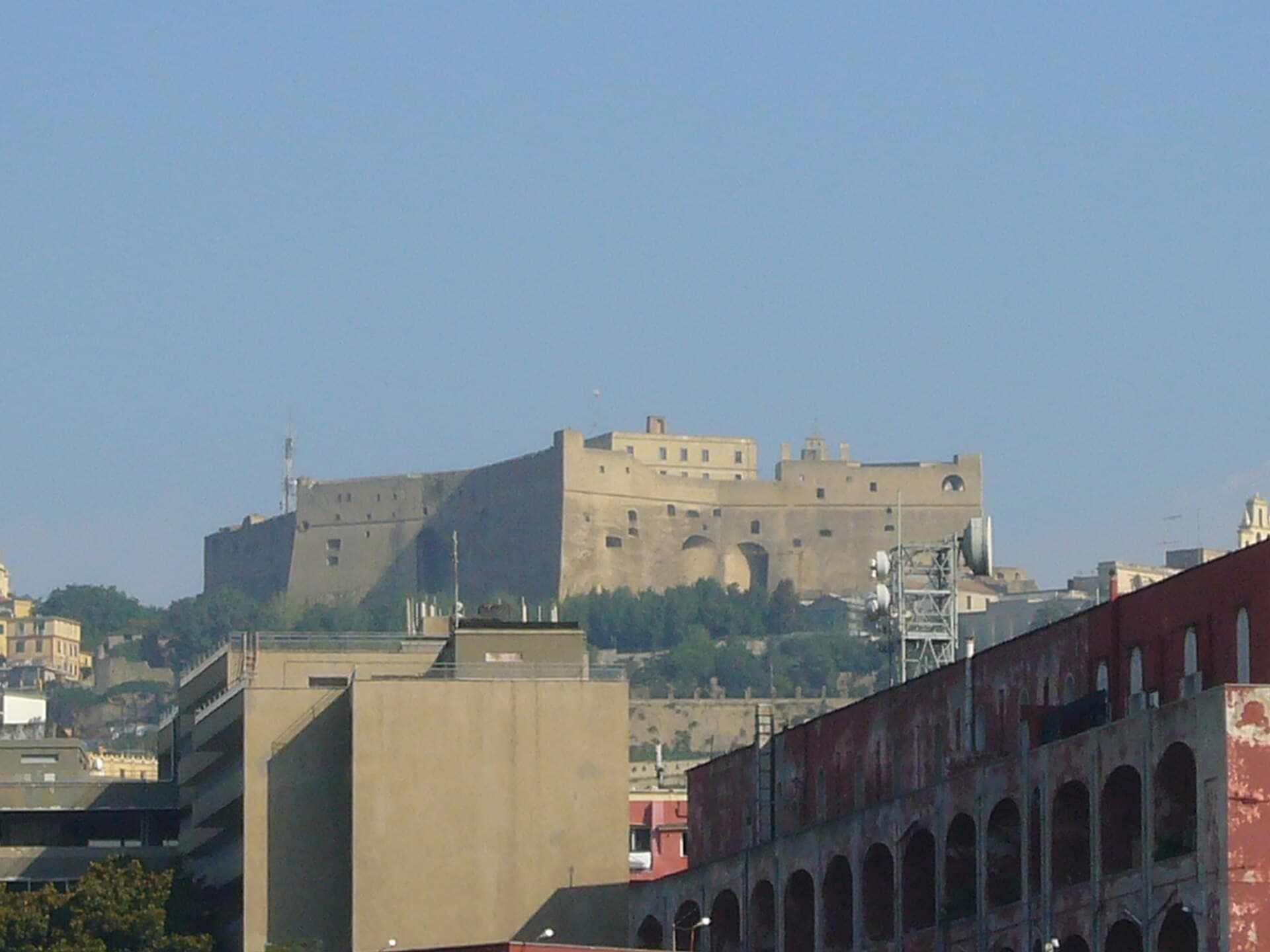 Castel Sant'ElmoAbove the Vomero on Naples's highest ground crouches Castel Sant'Elmo — a huge s2 minutes walk4.7
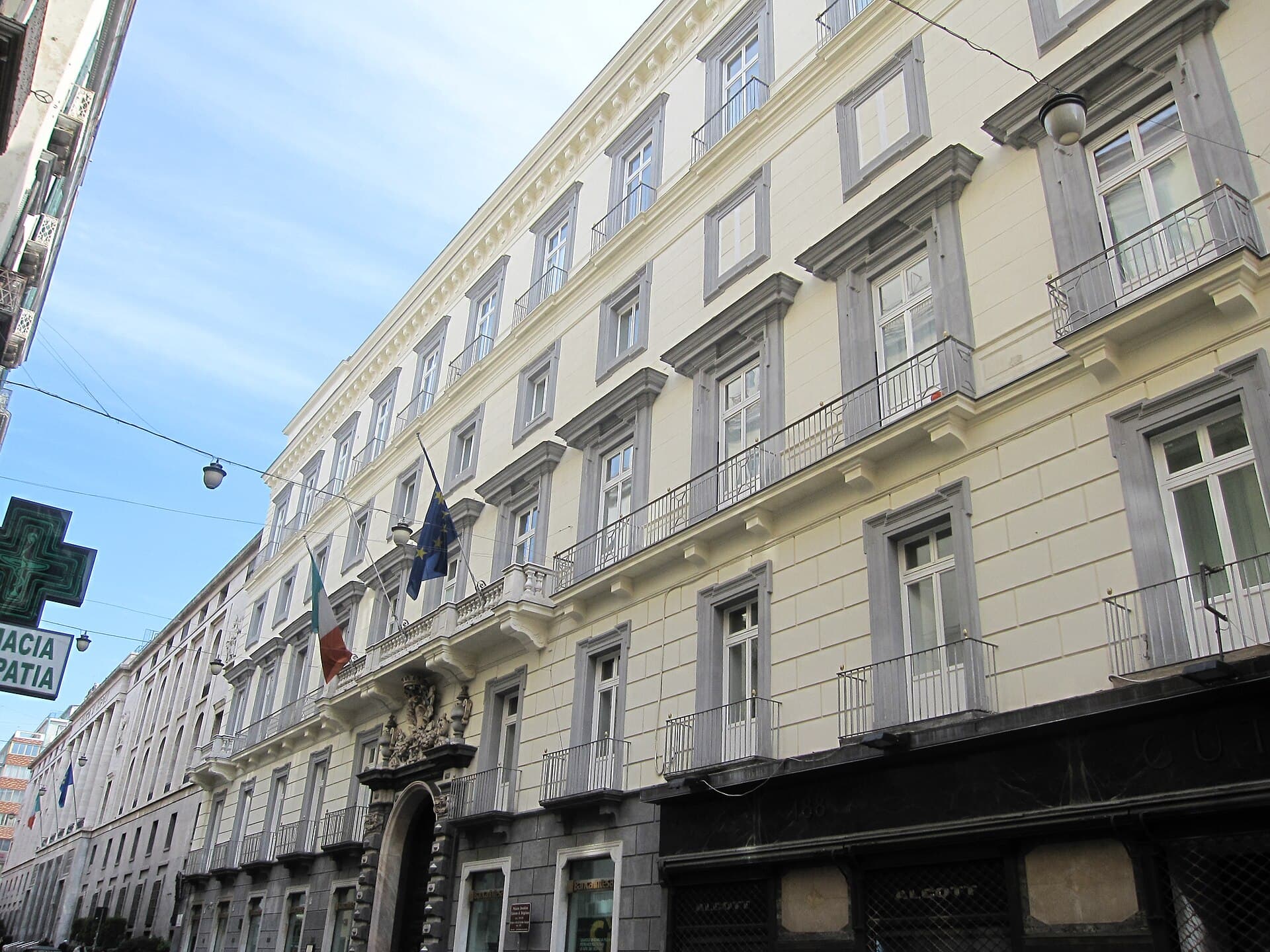 Gallerie d'Italia – NapoliThe last painting Caravaggio finished, two months before he died, hangs today in9 minutes walk4.6
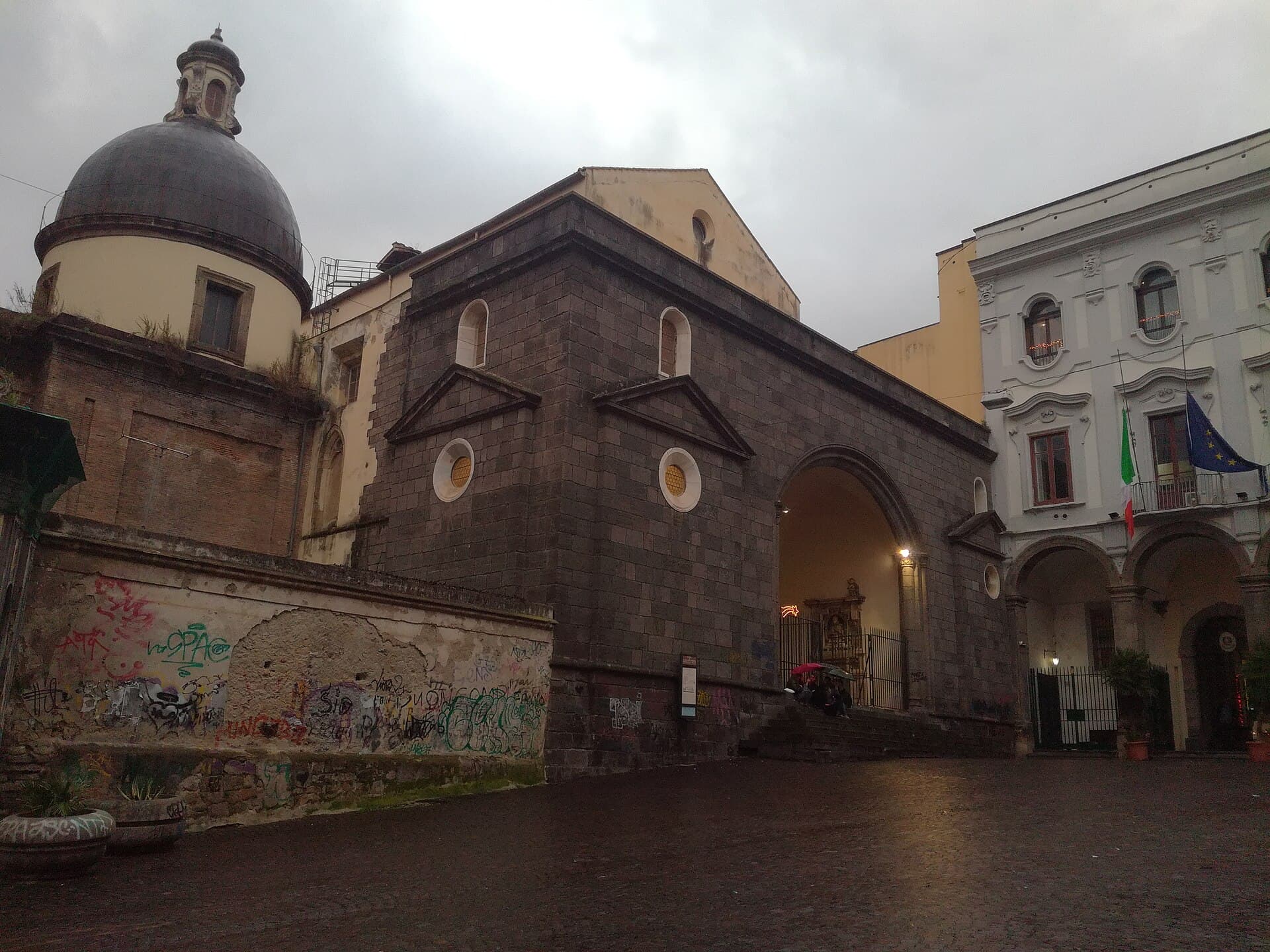 Sant'Anna dei Lombardi"The Tuscan Renaissance church of Naples": Sant'Anna dei Lombardi (Monteoliveto)10 minutes walk4.8
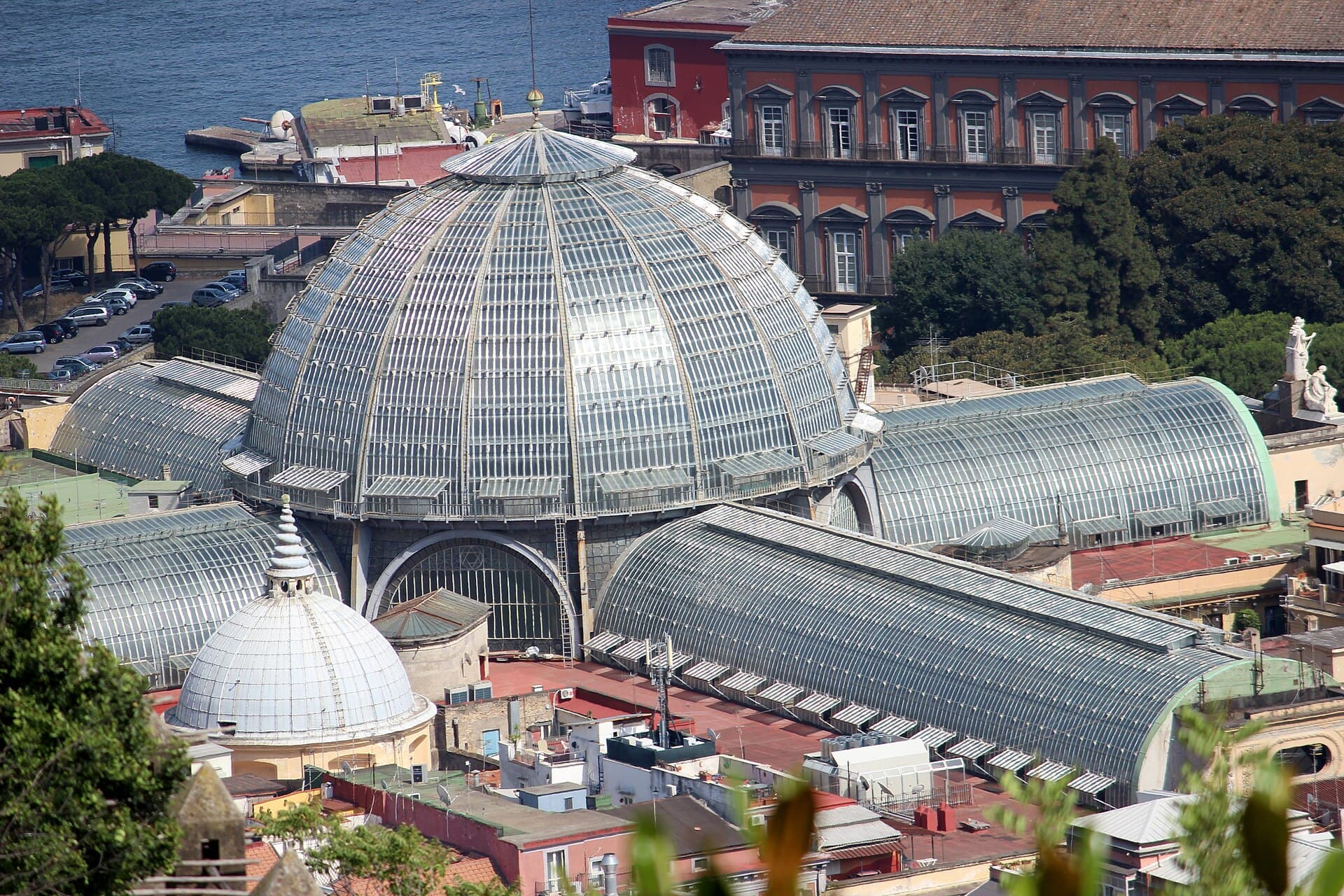 Galleria Umberto IThe Galleria Umberto is Naples's answer to Milan's famous arcade — built right a11 minutes walk4.5
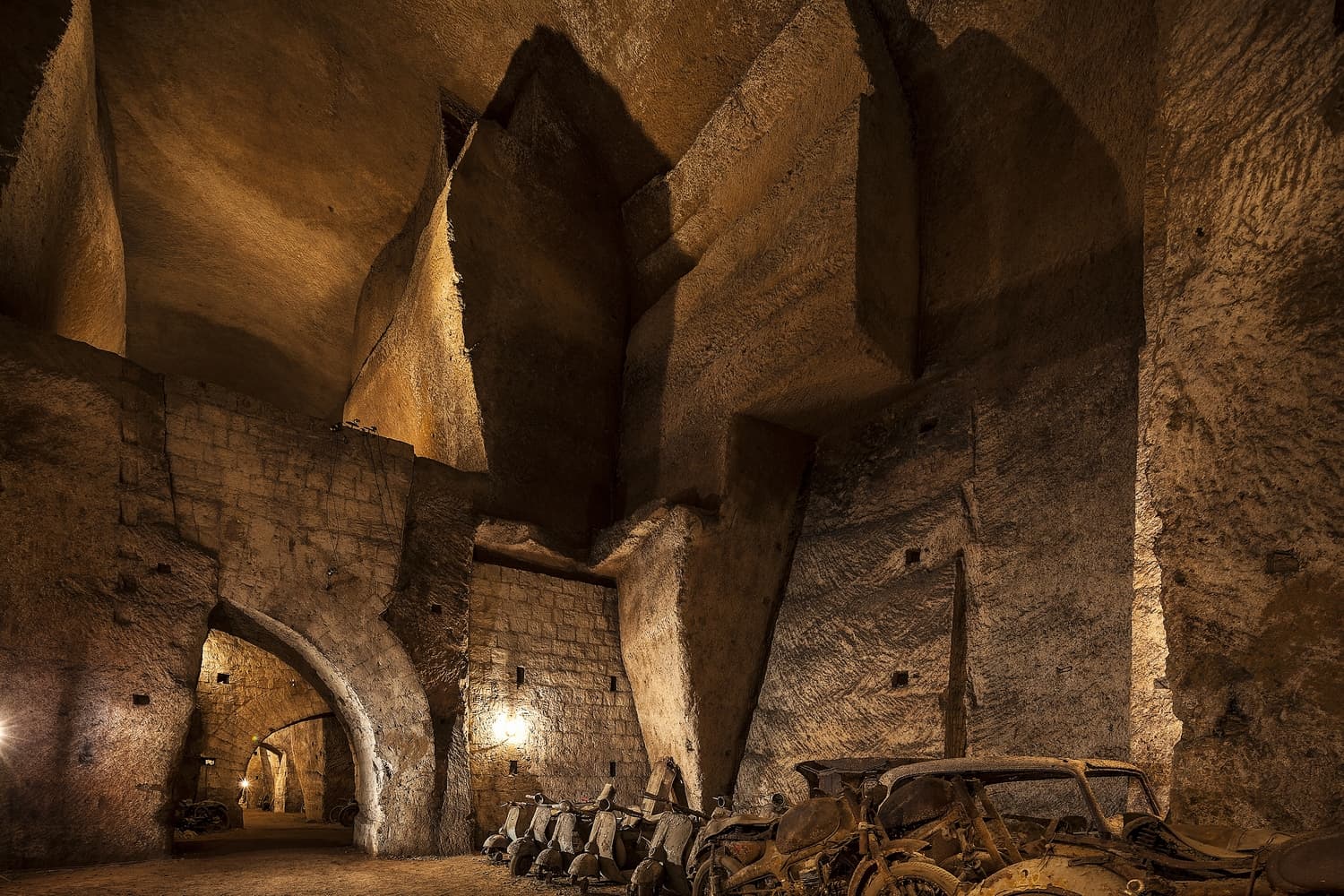 The Bourbon TunnelThe Bourbon Tunnel was born of royal fear: after the revolutions of 1848, Ferdin12 minutes walk4.7
They sell two different things. The castle is bought for the view alone: an open 360-degree rooftop and a cheaper ticket, and it keeps its own opening days, so check them separately. The Certosa is bought for the art, the Baroque and the crib; its view is lovely but is not the reason to go. If you have one hour, or paintings are not your thing, do the castle only and feel no guilt. With half a day, ask about the combined ticket, do the Certosa first while it is quiet, then go up to the castle near sunset.
No booking is needed for standard entry, which spares you the timed-slot pressure other sites in the area impose. But be realistic: the complex is large and its sections rotate open and closed depending on staffing, so the Prior's apartments or the naval section may simply be shut on your day with no warning. Do not make Wednesday your attempt (it closes entirely), remember the last ticket goes at 16:00, and ask at the desk which sections are open, then build your route around that answer rather than an old guidebook.